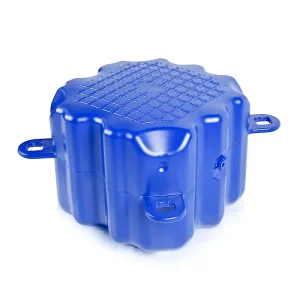
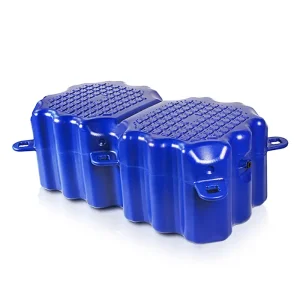
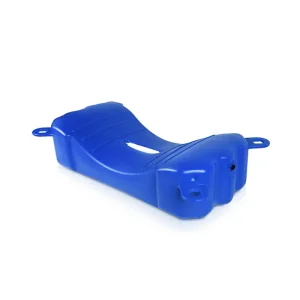
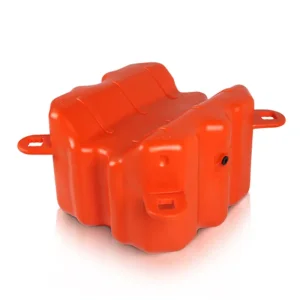
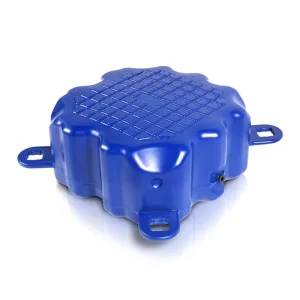
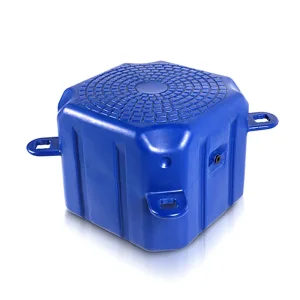
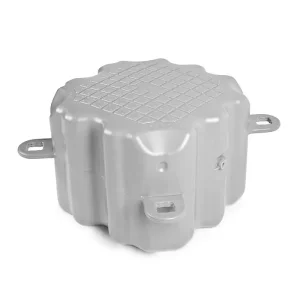
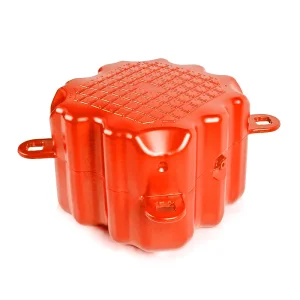
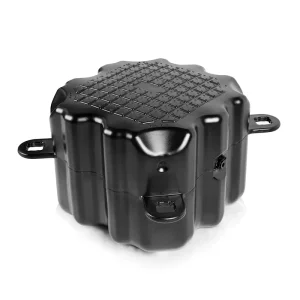
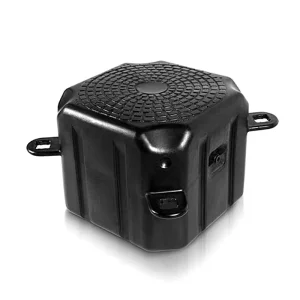
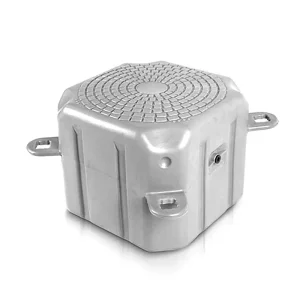
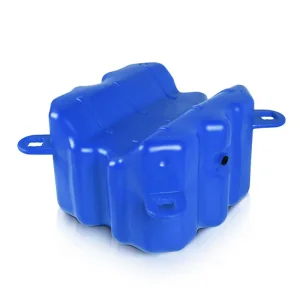
Engineered high-buoyancy pontoons featuring advanced structural configurations for marine, public works, and private residential docks.
Berlin, known for its extensive network of watercourses encompassing the Spree, the Havel, Tegel Lake (Tegeler See), Wannsee, and over 180 kilometers of navigable waterways, presents a highly specialized market for floating pontoon systems. Municipal plans for eco-tourism, residential boathouse berths, and floating public infrastructure demand highly durable, non-polluting materials that comply with the strict environmental legislation enforced across Germany (Wasserhaushaltsgesetz - WHG).
Traditional wood and concrete docks are rapidly being phased out due to biological degradation, toxic wood treatment leaching, and high installation impact on local lake beds. Modular High-Density Polyethylene (HDPE) pontoons have emerged as the gold standard, offering outstanding chemical inertness, infinite customization, and adaptability to fluctuating water levels caused by seasonal dry spells and dam controls.
Furthermore, in northeastern Germany, winter temperature drops bring substantial ice formation on lakes and canals. The flexibility and unique design parameters of our HDPE floating cubes allow the system to flex and self-elevate on top of shifting ice sheets, mitigating the structural stress that commonly destroys rigid structures.
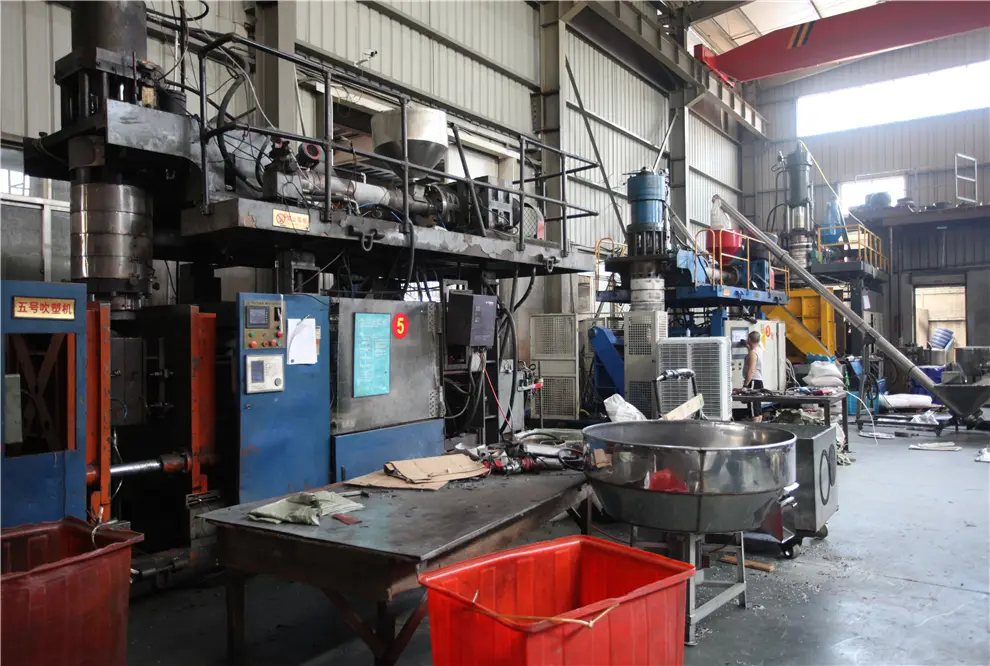
Every modular cube is manufactured under strict injection and blow-molding protocols, establishing industry-leading structural performance indicators.
Understanding the shifts in marine infrastructure: From concrete and wood to sustainable polymer modules.
Global procurement teams in Germany and wider Europe face strict circular economy directives. Our HDPE pontoons are 100% recyclable, utilizing non-toxic stabilizing agents to resist heavy UV radiation without chemical leaching.
Traditional floating docks require weeks of on-site heavy machinery operation. Modular HDPE blocks connect via high-strength connecting pins, enabling a two-person team to construct a comprehensive marina dock system in a single day.
By eliminating rust treatment, wood rot repairs, and painting, maintenance budgets drop by over 90%. Industrial buyers benefit from an amortization period of under 4 years compared to concrete infrastructure.
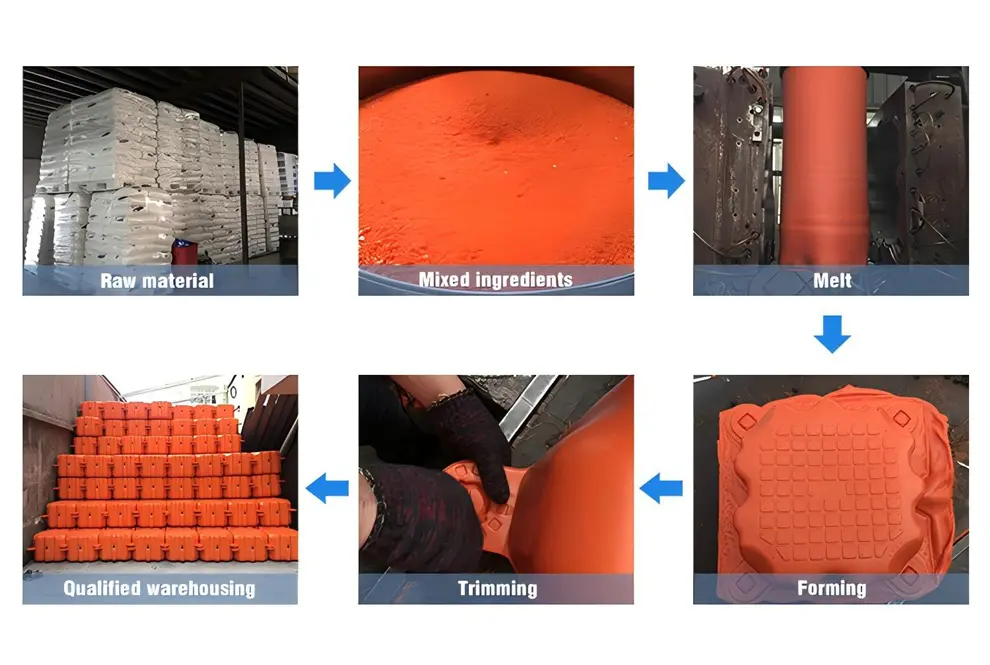
Founded in 2019, Shenghuang Industrial & Trade Blow Molding Factory, based in Huangyan, Taizhou, Zhejiang (the world-famous mold manufacturing capital), has quickly established itself as a leading global supplier of high-end blow-molded industrial solutions. Our specialized marine division is equipped with high-capacity, state-of-the-art automated parison-control blow molding lines, ensuring uniform wall thickness, high structural density, and unparalleled durability in every pontoon produced.
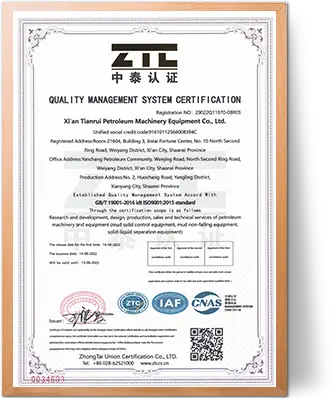
We work exclusively with elite-grade raw materials, employing premium virgin High-Density Polyethylene (HDPE) blended with specialized UV-stabilizer packages (specifically formulated for high solar radiation and extreme marine conditions). Our ISO 9001:2015 certified manufacturing ecosystem oversees every stage of the lifecycle, from computerized raw material batch testing to high-pressure stress-crack testing of finished products.
Shenghuang's engineering department regularly collaborates with international clients to customize floating layouts, developing OEM and ODM molds that meet specific national environmental regulations, and providing certified safety components (non-slip surfaces, safety anti-collision margins) to ensure international acceptance.





An objective comparison of modular HDPE pontoons against legacy wood, concrete, and steel options for marina construction.
| Performance Metrics | Modular HDPE Pontoons | Reinforced Concrete Docks | Timber Floating Jetties | Steel Pontoon Systems |
|---|---|---|---|---|
| Lifespan & Durability | 15 - 20+ Years (No degradation) | 20 - 30 Years (Heavy cracking risk) | 5 - 8 Years (Wood rot/pest decay) | 10 - 15 Years (Corrosion risk) |
| Environmental Impact | 100% Recyclable No leaching | High carbon footprint, heavy installation | Treated wood toxic leaching risk | Anti-rust coatings run-off pollution |
| Maintenance Overhead | Negligible (Occasional pressure washing) | High (Structural concrete patching) | Very High (Plank replacement, oiling) | High (Repainting, anode replacement) |
| Adaptability to Ice & Frost | Excellent (Self-elevates above ice) | Poor (High cracking / shift risk) | Moderate (Can snap under ice stress) | Poor (High lateral shear stress) |
| Installation Complexity | Extremely Simple (No heavy cranes) | Extremely Complex (Barge / heavy cranes) | Moderate (On-site framing needed) | Complex (Welding & precise mooring) |
Explore our full line of marine-grade floating docks and accessories customized for diverse hydrological conditions.
Engineered specifically to solve real-world logistical, structural, and regulatory challenges on active German waterways.
Berlin's vibrant urban spaces continuously expand onto water bodies. Our high-buoyancy modular decks serve as stable, load-bearing foundations for floating dining platforms, public pop-up spaces, and event stages that bypass permanent construction permits.
Sensitive environmental zones on Wannsee demand low-impact mooring solutions. Our modular HDPE systems do not disrupt local flora and fauna, install without seabed pile driving, and adapt to varying seasonal water levels automatically.
For municipal bridge maintenance along the Landwehr Canal, our heavy-duty grey and black square plastic docks provide a safe, stable platform capable of carrying tools, heavy scaffolding, and engineering teams without structural tipping hazards.
Direct engineering answers to frequently asked questions regarding the import, installation, and performance of our floating systems.
Whether you are designing a municipal marina expansion on the Havel, developing a public recreation floating park, or looking for high-quality OEM/ODM production for international distribution, Shenghuang Industrial & Trade Blow Molding Factory offers the production capacity, engineering support, and material quality your project demands.
Send Inquiry Now ShengHuang