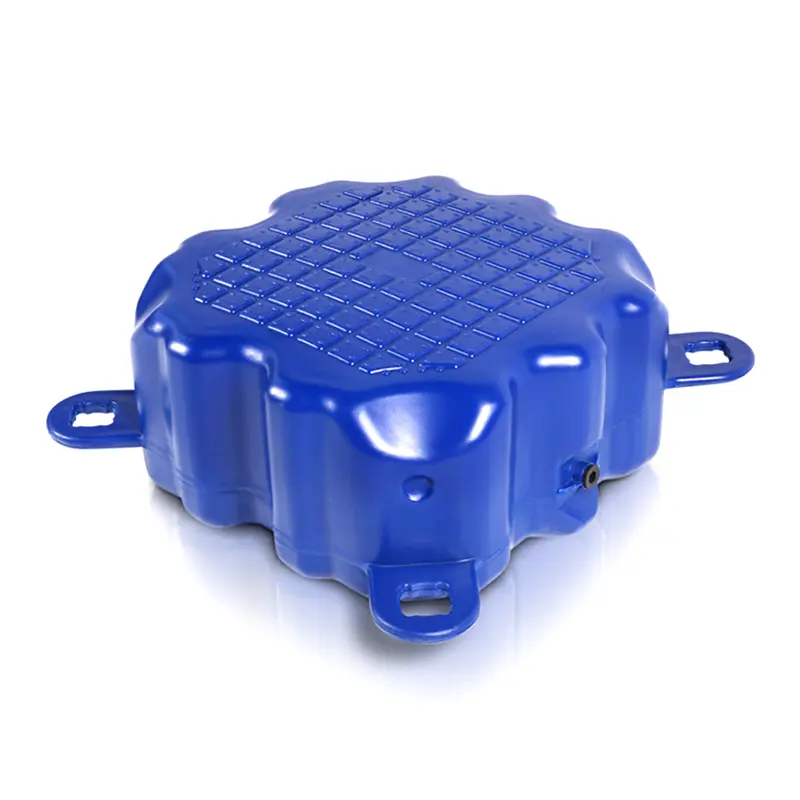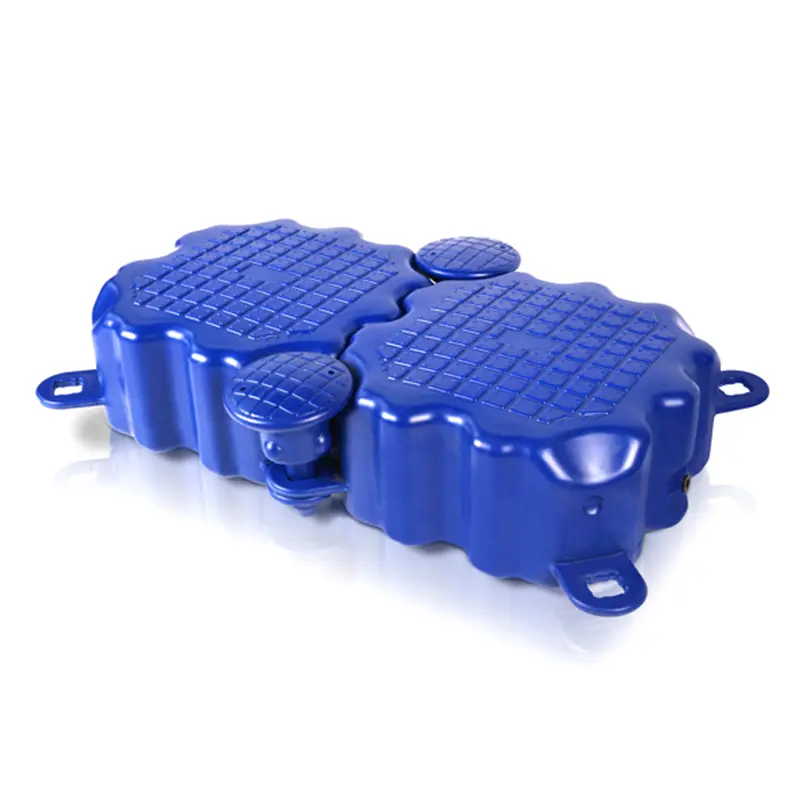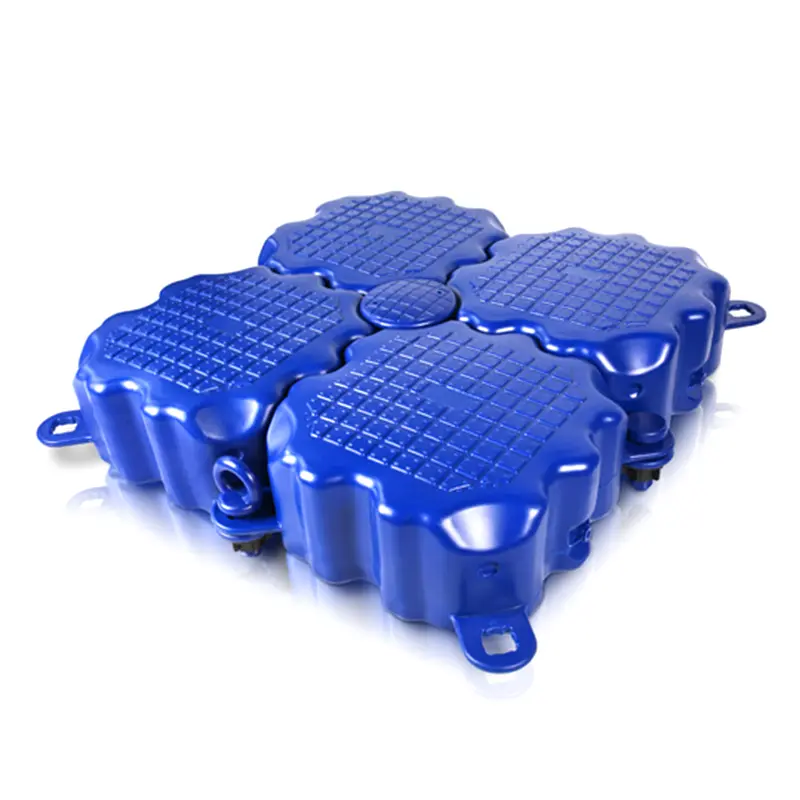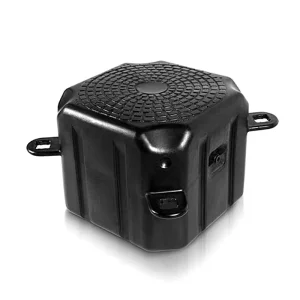
China Low Floating Dock Factory, Manufacturers

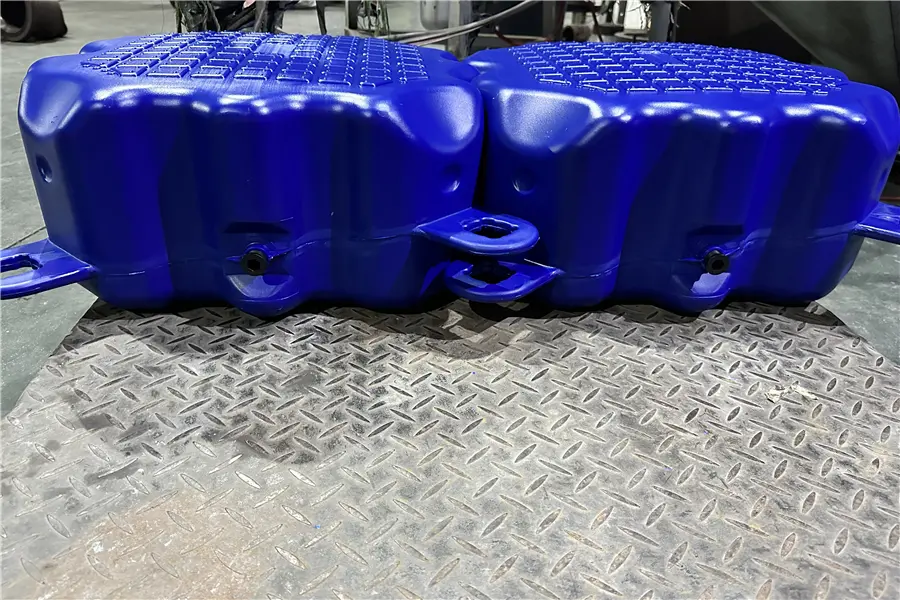
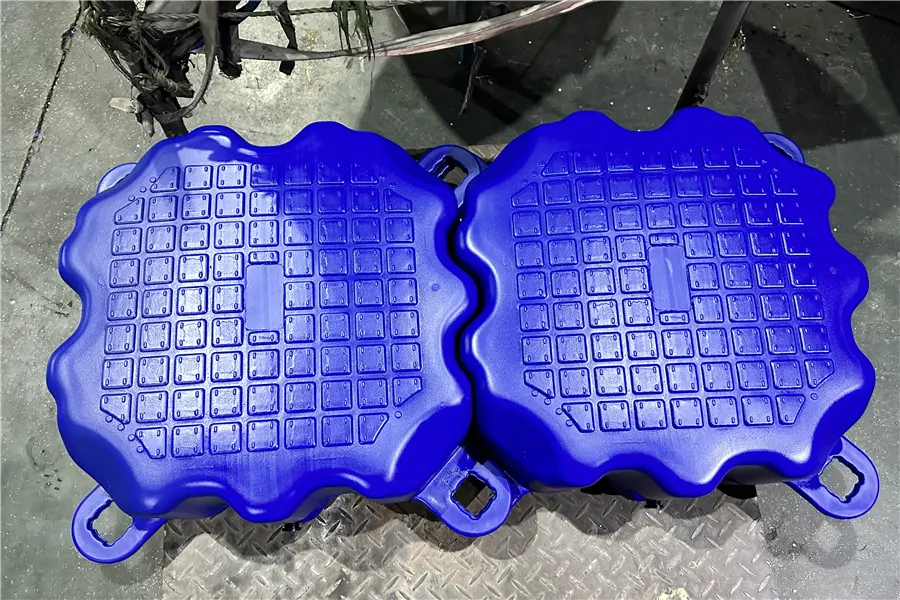
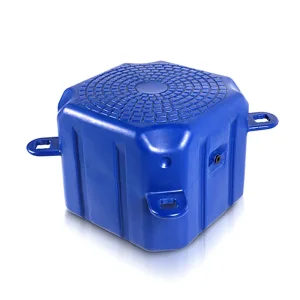
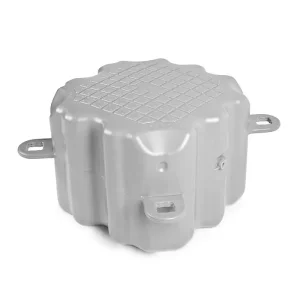
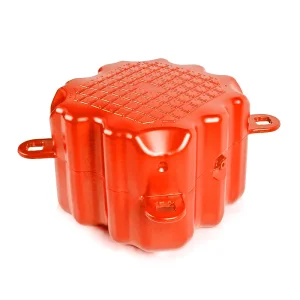
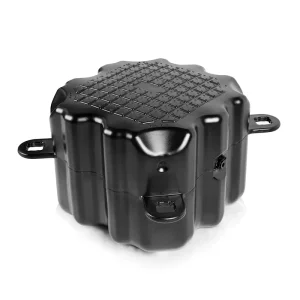
Material High Density PolyEthylene(HDPE)
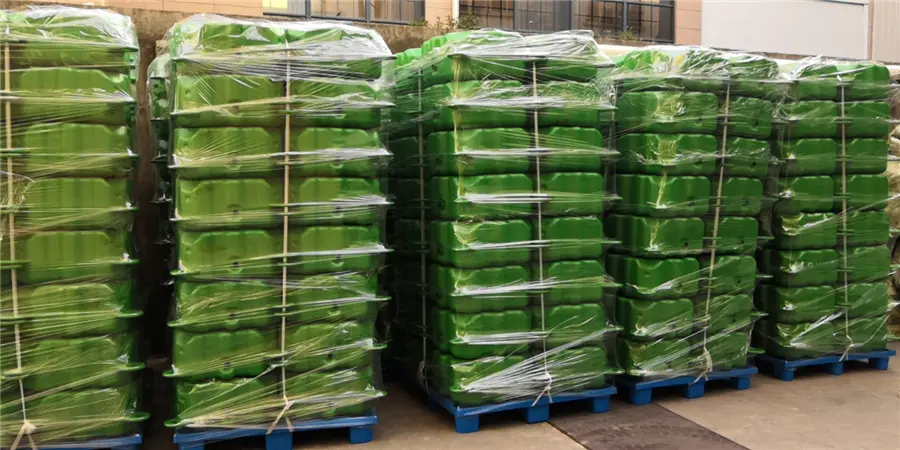
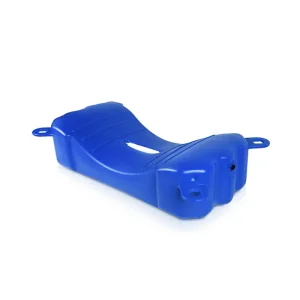
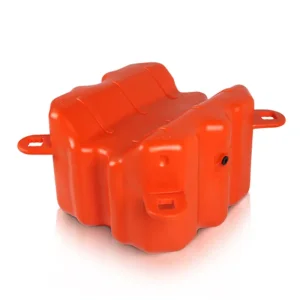
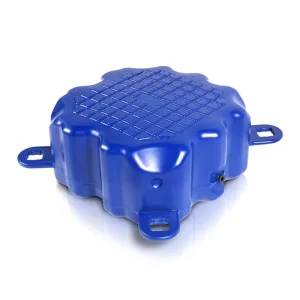
Measurement 500*500*250 mm
Weight 5.5kgs
Buoyancy 250 kgs/m²
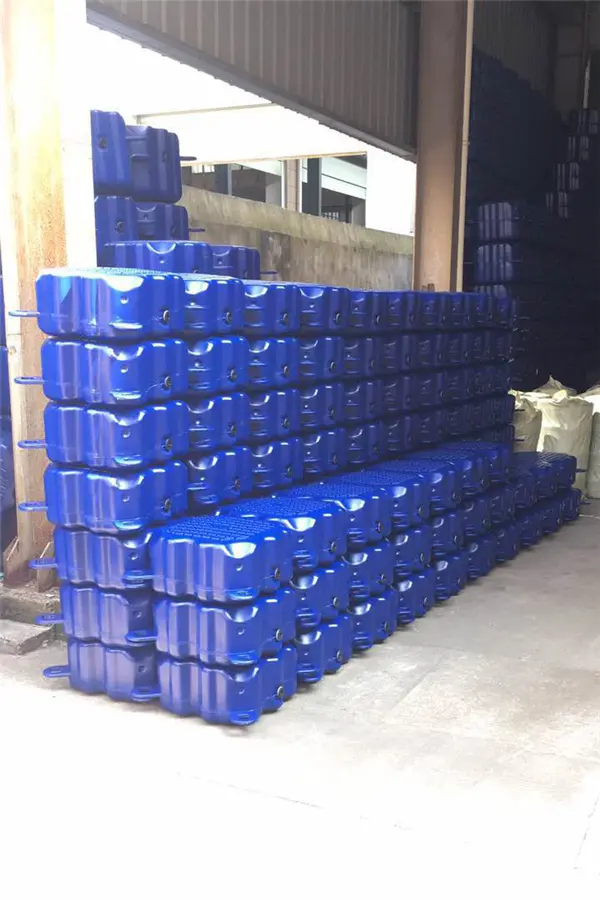
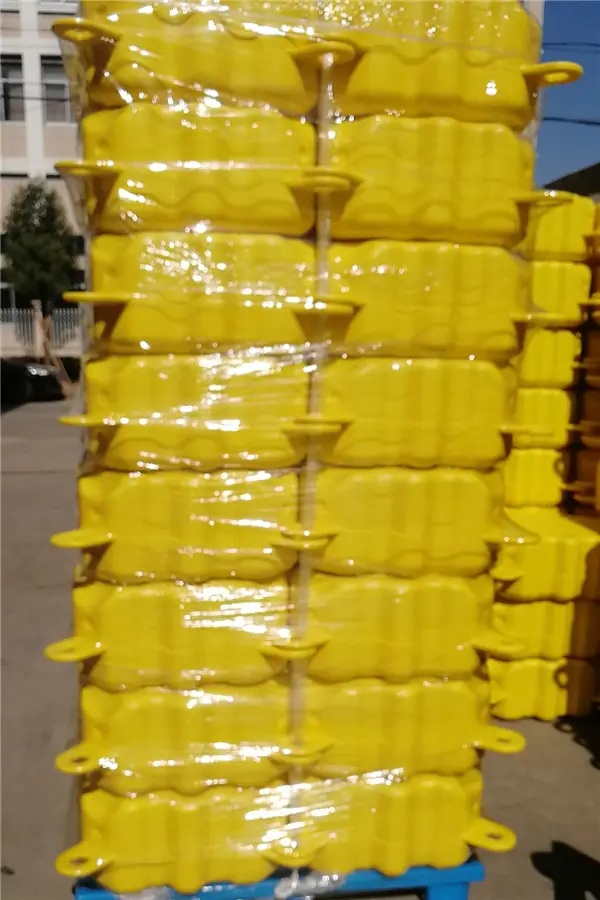
Colors Blue, orange, gray, black. MOQ 200pcs.
Applications Floating dock, floating bridge, floating restaurant, floating walkway
Parts & Tools Short Pin, Bolts, Washer, Thin Washer, Spanner(tool), Mallet(tool)

Product Description

Basic Definition

“Floating dock” refers to a type of dock or dock that floats on the surface of the water, usually used to moor, repair, or build a boat. Unlike fixed docks, floating docks can float up and down with changes in water level, adapting to different tide and water level conditions.
Plastic Modular Floating Dock Definition Image 1
Plastic Modular Floating Dock Definition Image 2
Plastic Modular Floating Dock Definition Image 3

Main Purpose

  • Boat mooring: Floating docks provide a stable docking point for boats, especially in waters with high tidal variations.
  • Boat Repair: Floating docks can be used for the repair and maintenance of boats, especially if the boat needs to be lifted out of the water.
  • Boat Construction: In some cases, floating docks are also used for the construction and assembly of boats.

Structure & Composition

  • Buoy: The main part of the pontoon dock, usually consisting of a pontoon or pontoon, capable of providing sufficient buoyancy.
  • Connecting Structure: A frame or platform that connects the floats together to ensure the stability of the entire structure.
  • Anchoring system: Anchor or cable used to hold the floating dock to the surface of the water, preventing it from drifting with the current.

Type

  • Fixed floating docks: Fixed in one position by anchoring system, suitable for long-term berthing.
  • Mobile Floating Docks: Can be moved or repositioned, suitable for temporary berthing or specific activities.

Advantage

  • Adaptability: Able to adapt to changes in water level, suitable for waters with large tidal changes.
  • Flexibility: Easy to install and move, suitable for different water bodies and uses.
  • Economy: Floating terminals are less expensive to build and maintain than fixed terminals.

Application Scenario

  • Ports and terminals: Used for the berthing and loading and unloading of commercial vessels.
  • Yacht Club: Mooring and maintenance services for private yachts.
  • Water Activities: Used for water sports, fishing, and other leisure activities.
Application Scenario 1
Application Scenario 2
Application Scenario 3

Related Terms

  • Pontoon: Pontoon, the main component of the floating dock.
  • Mooring: Mooring, the process of attaching a boat to a dock.
  • Dock: Dock, generally refers to the place where the ship docks.

Sample Sentence

  • The yacht was securely moored to the floating dock, ready for the next day's voyage.
  • The floating dock adjusted seamlessly to the rising tide, ensuring the boats remained stable.

Cultural Background

Floating docks are very common in many coastal cities and lake areas and are an important part of water transportation and activities. Not only do they have a practical function, but they also often become part of the landscape, attracting tourists and photography enthusiasts.

Technology Development

With advances in materials science and engineering, modern floating docks incorporate lighter, more durable materials such as high-density polyethylene (HDPE) and aluminum alloys, increasing their longevity and safety.

Detail Pictures

Floating Dock Detailed Drawing

Frequently Asked Questions (FAQ)

Q: What is a floating dock and how does it work?

A: A floating dock is a structure that floats on the surface of the water, used to moor, repair, or build boats. Unlike fixed docks, it rises and falls seamlessly with changing water levels and tides.

Q: What are the primary uses of floating docks?

A: Floating docks are primarily used for secure boat mooring, boat repair and maintenance (especially when lifting a boat out of the water is required), and boat construction or assembly.

Q: What materials are modern floating docks made of?

A: Modern floating docks are built using lighter, highly durable materials such as high-density polyethylene (HDPE) and aluminum alloys, which significantly increase their safety and operational longevity.

Q: What is the difference between fixed and mobile floating docks?

A: Fixed floating docks are permanently secured in place by an anchoring system for long-term vessel berthing. Mobile floating docks can be moved or repositioned, making them ideal for temporary berthing or specific events.

Q: Why are floating docks considered more economical?

A: Floating docks generally incur lower construction and maintenance costs compared to traditional fixed terminals, while offering superior adaptability to environmental changes.

Q: How are floating docks secured in the water?

A: They use an anchoring system consisting of anchors, cables, or piles that hold the floating dock securely in place, preventing it from drifting with currents while still allowing it to float up and down with the water level.
Related Products