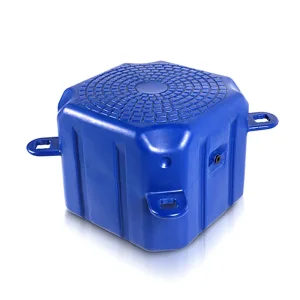
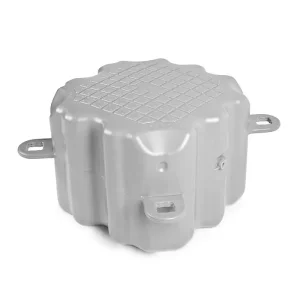
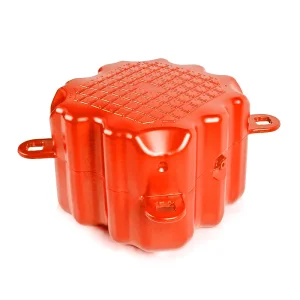
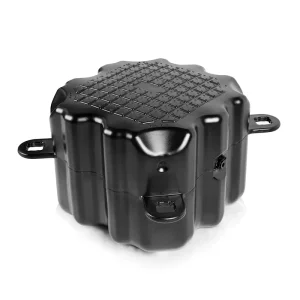
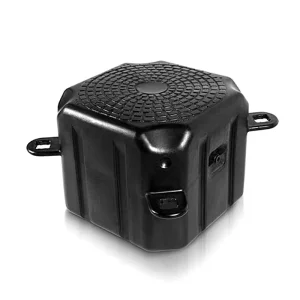
Product Description
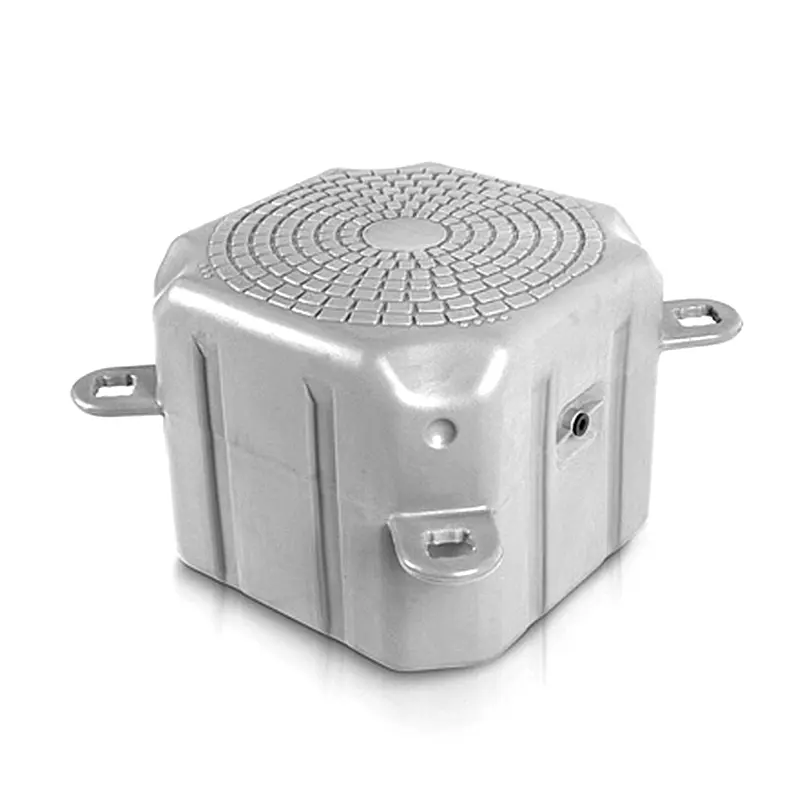
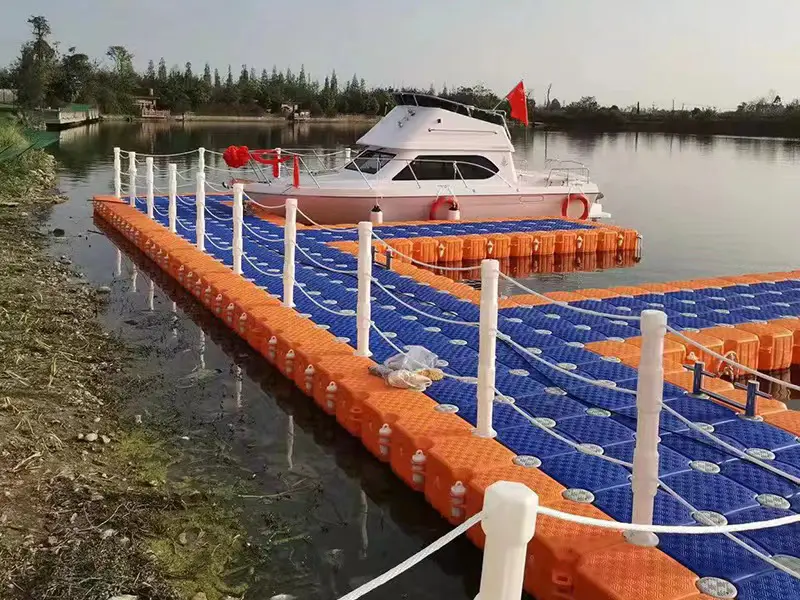
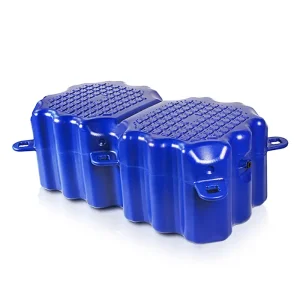
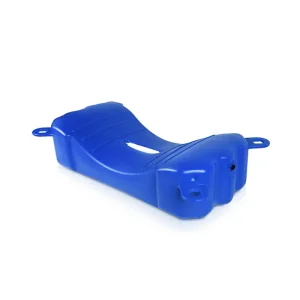
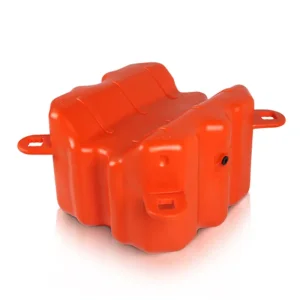
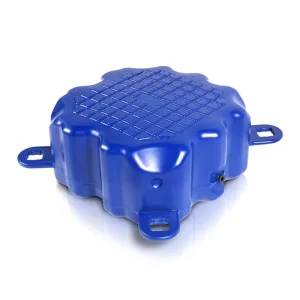
Floating dock pontoon for jet skis is a modular, buoyant platform designed to provide secure mooring, easy access, and stable storage for personal watercraft (PWCs) such as jet skis. Constructed from durable, corrosion-resistant materials like high-density polyethylene (HDPE) or reinforced polyethylene, the pontoon features a hollow, airtight structure that ensures buoyancy while withstanding harsh marine environments. Its modular design allows for customization in size and configuration, adapting to varying water depths and dock layouts.
Key features include a non-slip surface for safe boarding, integrated cleats or tie-down points to secure jet skis, and protective bumpers to prevent damage to both the watercraft and the dock. Some models incorporate adjustable gangways or ramps for seamless transitions from shore to water. The pontoon’s stability is enhanced by its wide base and weight distribution, minimizing movement from waves or wakes. Additional accessories like ladders, lighting, or solar-powered charging stations can be added for convenience. Ideal for marinas, private docks, or waterfront properties, this floating system offers a low-maintenance, eco-friendly solution for jet ski storage and access while resisting UV radiation, saltwater corrosion, and impact damage.
A floating dock is a versatile, buoyant platform designed to provide a stable and secure mooring solution for jet skis and other small watercraft. It is typically constructed from high-quality, marine-grade materials such as high-density polyethylene (HDPE), galvanized steel, or aluminum, ensuring durability and resistance to corrosion, UV rays, and harsh weather conditions. The dock’s modular design allows for easy assembly, disassembly, and customization to suit specific needs, whether for private use, marinas, or commercial applications.
Key Components and Features
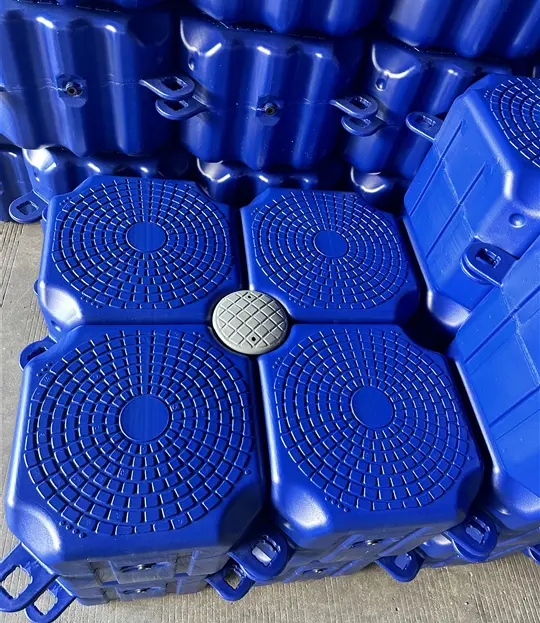
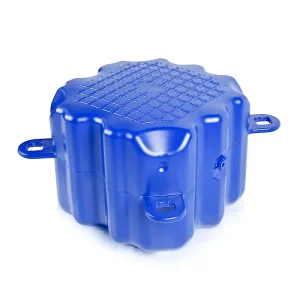
- The dock floats on airtight, hollow pontoons made from durable polyethylene or foam-filled chambers. These pontoons provide excellent buoyancy while remaining lightweight and easy to handle.
- The pontoons are designed to distribute weight evenly, ensuring stability even when multiple jet skis are moored or when people walk on the dock.
- The deck surface is typically made from non-slip, textured materials such as polyethylene or composite wood. This ensures safety by preventing slips and falls, even when the surface is wet.
- The decking is resistant to fading, cracking, and warping, making it suitable for long-term use in sun-exposed and water-exposed environments.
- The dock includes cleats, tie-down points, or D-rings to securely fasten jet skis and prevent them from drifting away.
- Some models feature adjustable bollards or quick-release mechanisms for added convenience.
- Rubber bumpers or fenders are installed along the edges of the dock to protect both the dock and the jet skis from damage during docking.
- The dock’s design minimizes sharp edges, reducing the risk of injury or damage to watercraft.
- Many floating docks include a gangway or ramp for easy access from the shore to the dock. These gangways are often adjustable to accommodate varying water levels.
- Ladders or steps may be integrated into the design for easy entry and exit from the water.
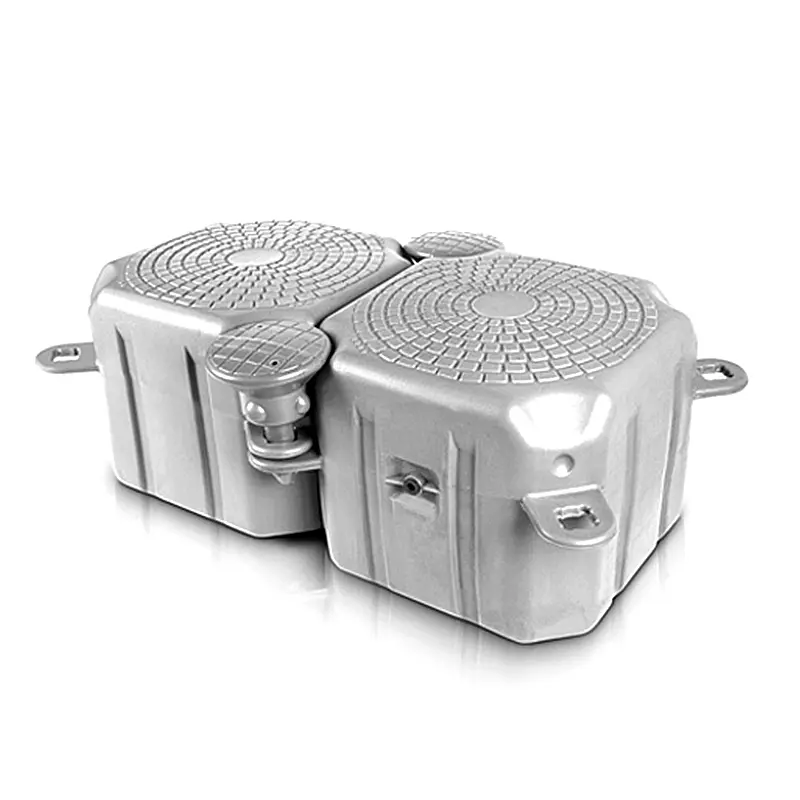
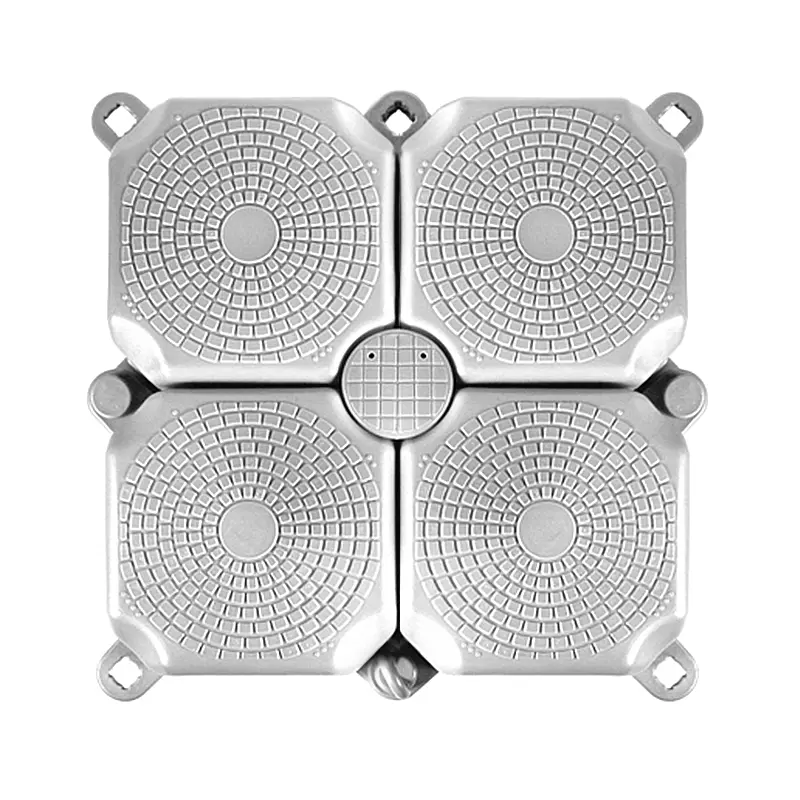
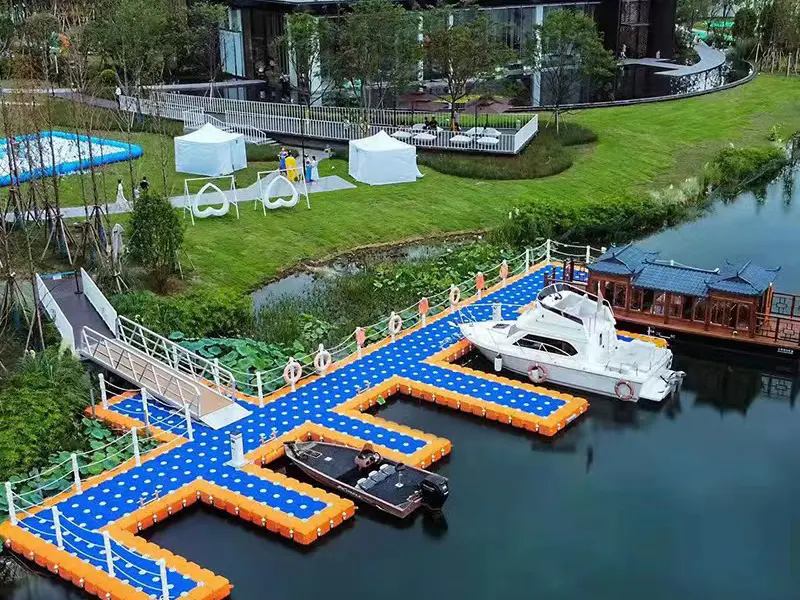
- Floating docks are typically modular, allowing users to connect multiple sections to create a larger platform or configure the dock to fit specific spaces.
- Additional accessories, such as solar-powered lights, charging stations, or storage boxes, can be added to enhance functionality.
- The dock is secured in place using an anchoring system, which may include concrete weights, piles, or mooring lines attached to the seabed or shoreline.
- The anchoring system ensures the dock remains stable and in position, even in changing water levels or rough conditions.
- Floating docks are designed to be portable and easy to relocate. They can be disassembled and transported to different locations as needed.
- Maintenance is minimal, requiring only occasional cleaning and inspection of the anchoring system and structural components.
Applications & Advantages
- Private Use: Ideal for homeowners with waterfront properties who need a convenient and safe way to store and access their jet skis.
- Marinas and Resorts: Suitable for commercial use, providing a stable platform for multiple jet skis or small boats.
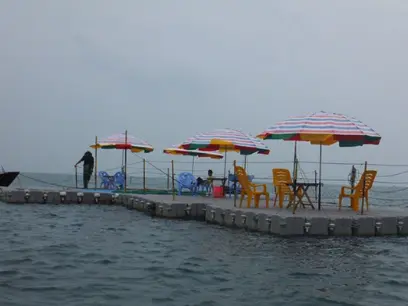
- Temporary Installations: Perfect for events, fishing platforms, or temporary water access.
- Durability: Resistant to corrosion, UV rays, and impact damage.
- Stability: Provides a stable platform even in choppy waters.
- Customization: Modular design allows for flexibility in size and configuration.
- Low Maintenance: Requires minimal upkeep compared to traditional fixed docks.
- Eco-Friendly: Many floating docks are made from recyclable materials and have minimal environmental impact.
Detail Pictures

Frequently Asked Questions
Q1: What materials are floating dock pontoons made of?
A: They are typically constructed from high-quality, marine-grade materials like high-density polyethylene (HDPE), galvanized steel, or aluminum. These materials provide outstanding durability, impact resistance, and protection against UV rays and saltwater corrosion.
Q2: How do floating docks remain stable in rough water?
A: The docks feature a wide base and balanced weight distribution designed to minimize movement caused by waves or wakes, ensuring a stable and secure surface for boarding and walking.
Q3: Can I customize the size of my jet ski floating dock?
A: Yes. Thanks to their modular design, floating docks can be easily connected, configured, and expanded to accommodate different sizes, configurations, and various water depths.
Q4: What anchoring systems are used for these pontoons?
A: Floating docks are secured using custom anchoring systems which can include concrete weights, piles, or mooring lines attached directly to the seabed or shoreline.
Q5: Are plastic floating docks maintenance-free?
A: They require minimal maintenance. Unlike traditional wood docks, they do not rot or warp and only require occasional cleaning and regular inspections of structural connections.
Q6: Are the materials used eco-friendly?
A: Yes, many floating docks are made from recyclable materials that do not release harmful chemicals into the marine ecosystem, presenting a sustainable option for waterfront setups.
 ShengHuang