 ShengHuang
1 / 3
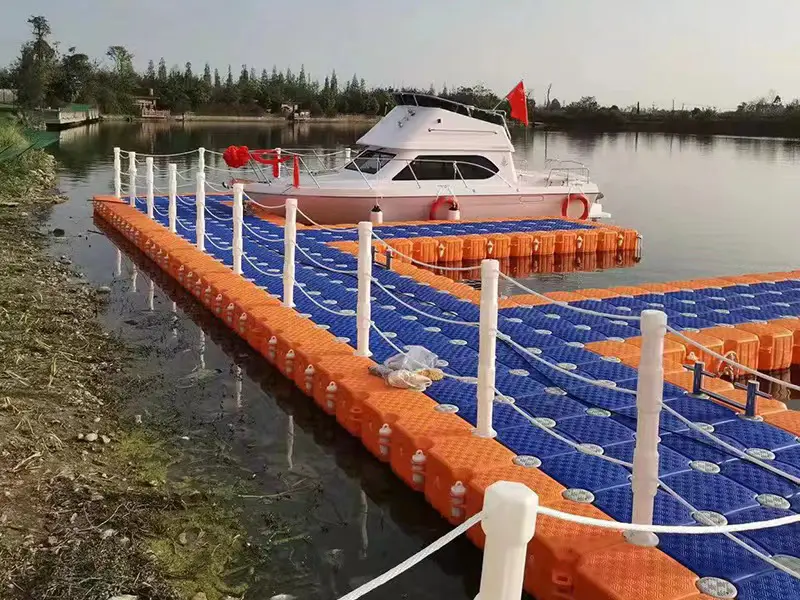
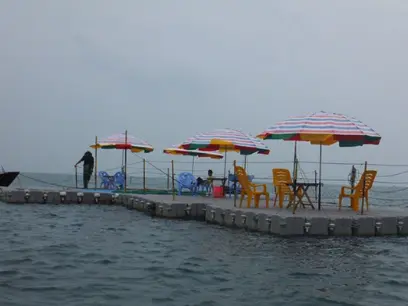
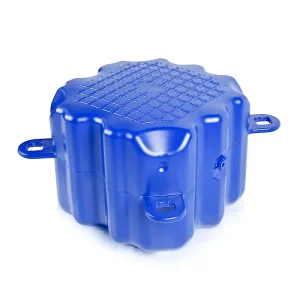
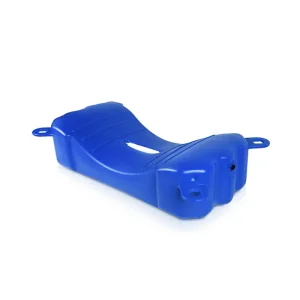
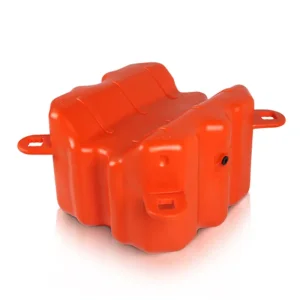
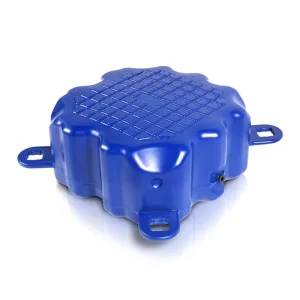
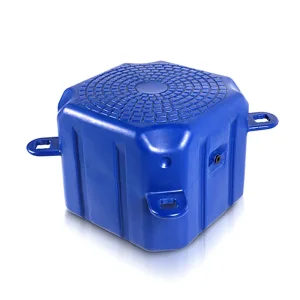
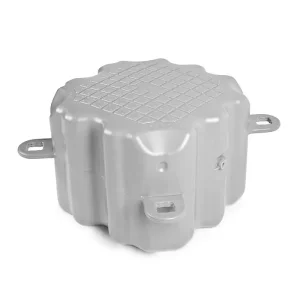
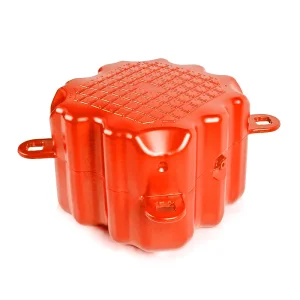
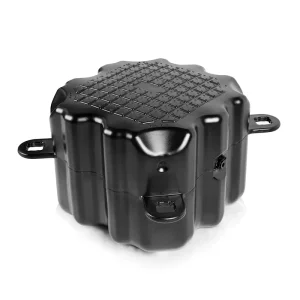
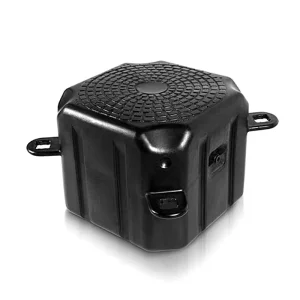
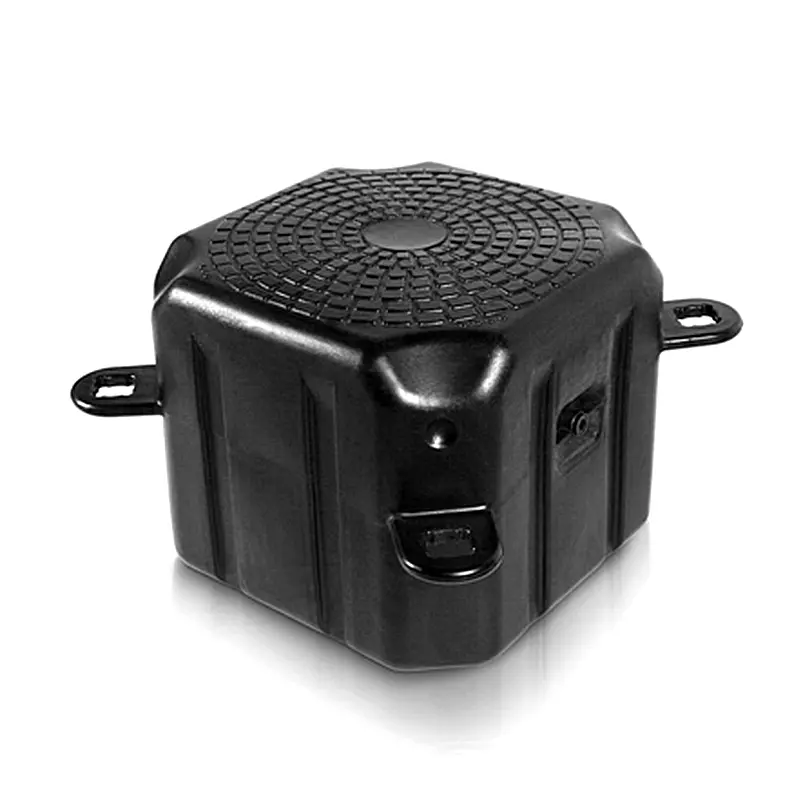
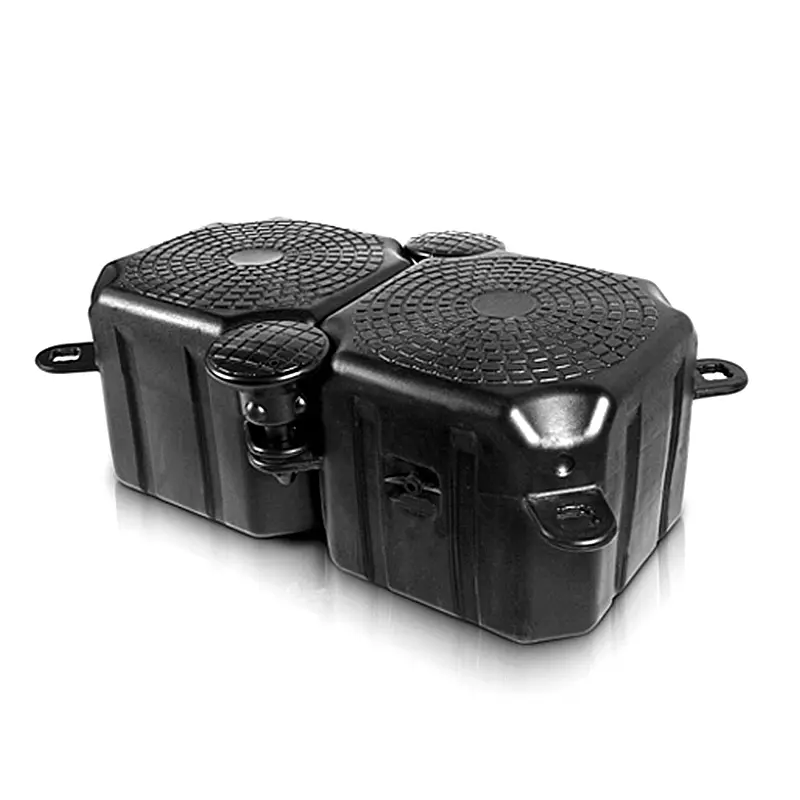
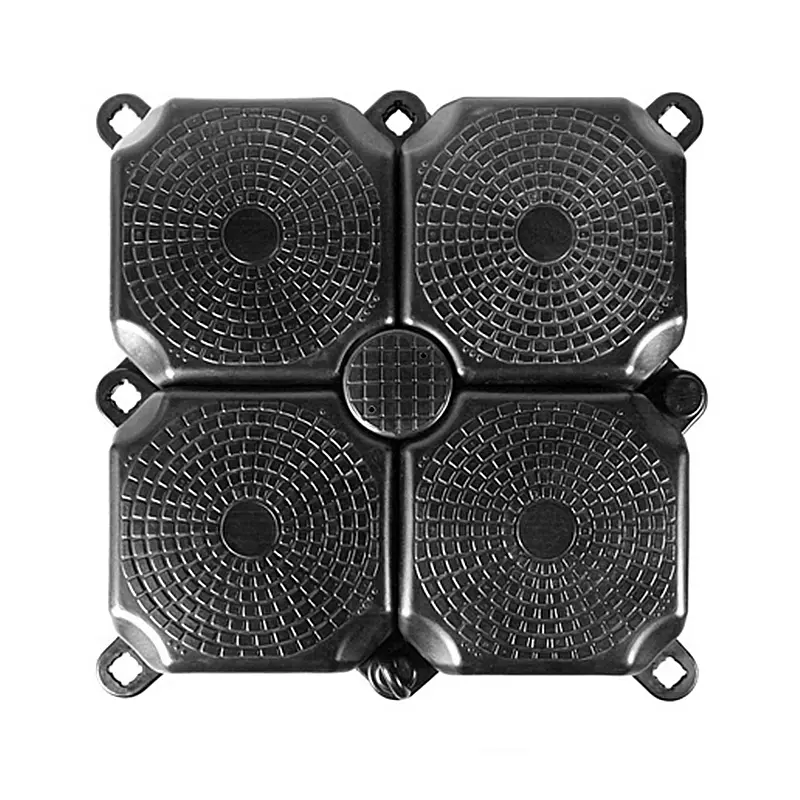
The dock floats on airtight, hollow pontoons made from durable polyethylene or foam-filled chambers. These pontoons provide excellent buoyancy while remaining lightweight and easy to handle. They are designed to distribute weight evenly, ensuring stability even when multiple jet skis are moored or when people walk on the dock.
The deck surface is typically made from non-slip, textured materials such as polyethylene or composite wood. This ensures safety by preventing slips and falls, even when the surface is wet. The decking is resistant to fading, cracking, and warping, making it suitable for long-term use.
The dock includes cleats, tie-down points, or D-rings to securely fasten jet skis and prevent them from drifting away. Some models feature adjustable bollards or quick-release mechanisms for added convenience.
Rubber bumpers or fenders are installed along the edges of the dock to protect both the dock and the jet skis from damage during docking. The design minimizes sharp edges, reducing injury or watercraft damage risk.
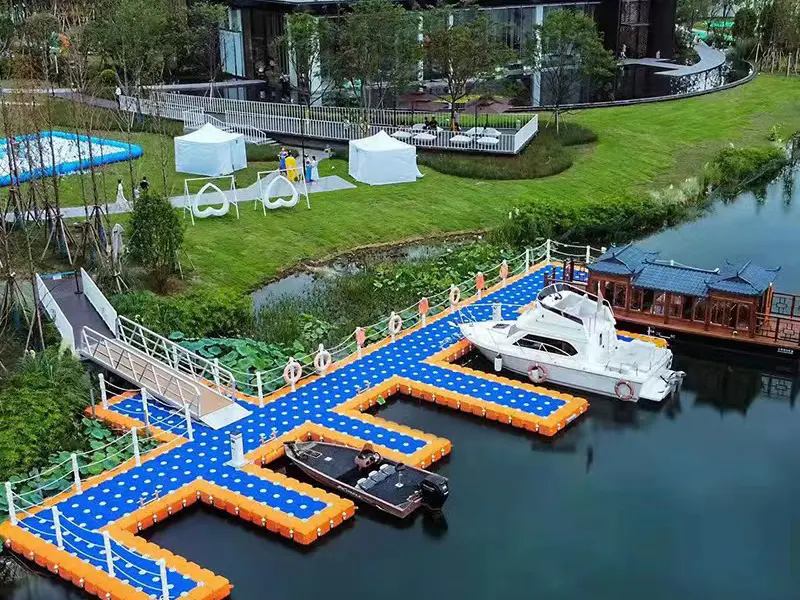
Many floating docks include a gangway or ramp for easy access from the shore to the dock. These gangways are often adjustable to accommodate varying water levels. Ladders or steps may be integrated for easy entry and exit.
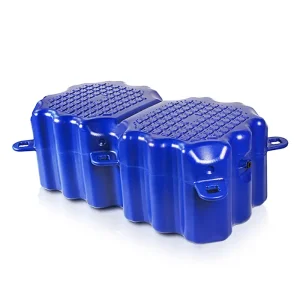
Floating docks are typically modular, allowing users to connect multiple sections to create a larger platform or configure the dock to fit specific spaces. Additional accessories, such as solar-powered lights, charging stations, or storage boxes, can be added.
The dock is secured using an anchoring system, which may include concrete weights, piles, or mooring lines attached to the seabed or shoreline. This ensures stability in changing water levels or rough conditions.
Floating docks are designed to be portable and easy to relocate. They can be disassembled and transported to different locations as needed. Maintenance is minimal, requiring only occasional cleaning and inspection.
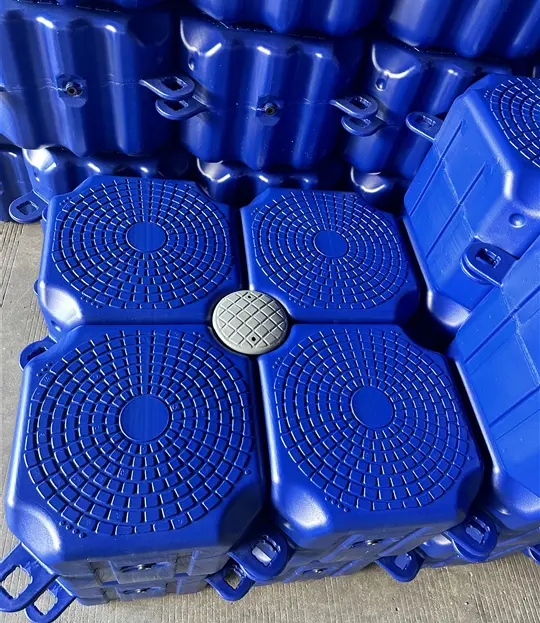

They are typically constructed from high-quality, marine-grade materials like high-density polyethylene (HDPE), galvanized steel, or aluminum. These materials provide outstanding resistance to UV rays, corrosion, and harsh marine conditions.
The pontoons are designed to distribute weight evenly across a wide base. This minimizes movement caused by waves or wakes, ensuring a highly stable and secure platform for walking or docking jet skis.
No, the deck surface features a non-slip, textured design to ensure safe boarding and walking, significantly reducing the risk of slips and falls even when wet.
Yes, the modular design allows sections to be configured and connected in various ways to suit your specific space requirements, water depths, and waterfront layout.
Maintenance is minimal compared to traditional wood or concrete docks. It only requires occasional cleaning and periodic inspection of the anchoring system and structural connection components.
The dock is secured in position using an anchoring system tailored to your location, which can include concrete weights, piles, or heavy-duty mooring lines secured to the seabed or shoreline.