Engineered to withstand Baltic and North Sea currents, our premier heavy-duty floating docks deliver outstanding buoyancy, environmental safety, and structural integrity.
Denmark is uniquely characterized by its extensive coastline, complex inner fjords, and a profound national relationship with maritime commerce, aquaculture, and green energy. Developing sustainable waterfront infrastructure requires materials that can resist cold-weather cycles, brackish waters, and intensive wind forces, while strictly satisfying the environmental requirements of the Danish Environmental Protection Agency (Miljøstyrelsen).
Historically, coastal installations in Denmark utilized timber, steel, or concrete structures. However, modern Danish engineers and municipal developers are increasingly turning to high-density polyethylene (HDPE) modular pontoon systems. Modular plastic platforms offer key advantages that align directly with Northern Europe’s strict utility requirements:
Providing essential staging decks and stable floating walkways for maintenance crews operating near Denmark’s offshore wind farms in the North Sea and Kattegat.
Robust operational platforms supporting specialized equipment, feeding systems, and biological monitoring stations for industrial mussel and oyster aquaculture.
In a globalized industrial ecosystem, supply chain resilience determines the success of massive infrastructure schemes. Procurement officers in Copenhagen, Aalborg, and Randers seek suppliers who not only design high-specification equipment but also ensure logistics clarity, reliable factory output capacity, and complete compliance testing documentation.
Founded in 2019, Shenghuang Industrial & Trade Blow Molding Factory is a leading innovator in the plastic blow molding industry. With its headquarters located in Huangyan, Taizhou, Zhejiang—an area internationally recognized for its world-class mold manufacturing and plastics production infrastructure—the company has rapidly expanded into a premier supplier of high-quality blow-molded industrial products across Northern Europe, the Americas, and Southeast Asia.
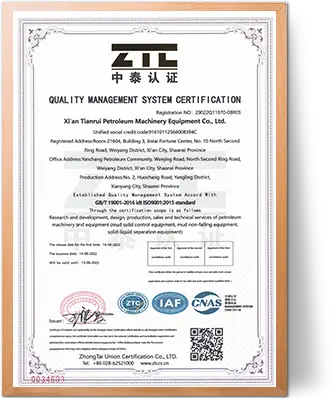
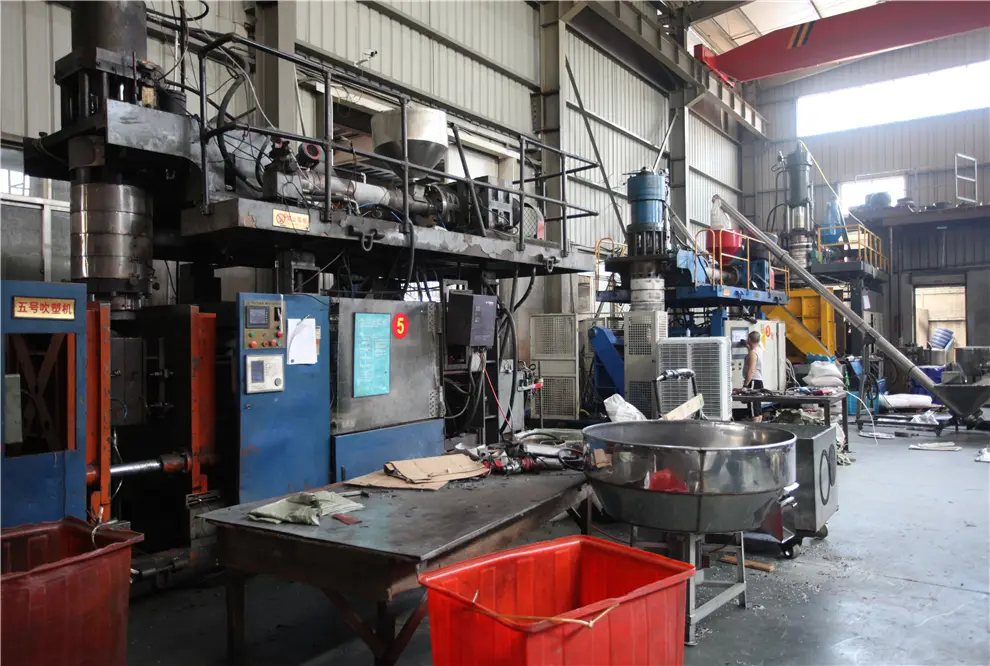
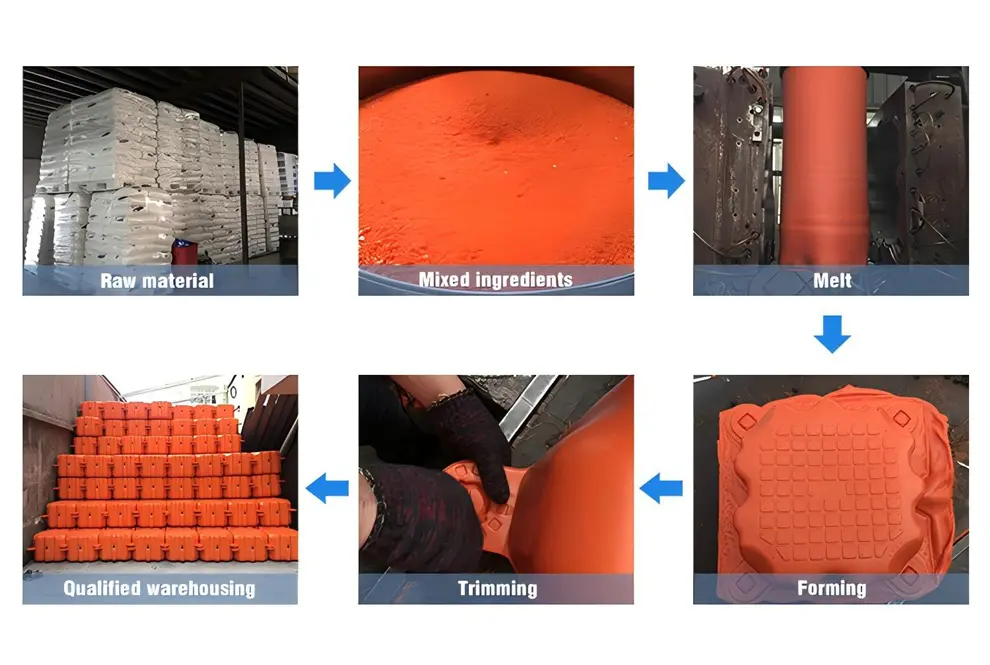
Equipped with state-of-the-art automated blow molding production lines, Shenghuang manages high-precision custom production schemes with remarkable cycle speeds. We closely adhere to the ISO 9001 quality management system, overseeing every single stage of production—from primary resin inspection to final pressure and impact testing—to verify that all marine pontoons meet rigorous global performance standards.


Our facility leverages advanced Chinese manufacturing clusters to deliver profound cost-to-performance efficiency for Danish distributors and engineering firms. By utilizing automated extrusion lines, robotic trimming, and real-time thickness profiling, we achieve uniform wall distribution in each pontoon module—eliminating the structural weak spots common in manually operated lines.
This automated capacity translates to robust supply chain security. Whether supplying for local private yacht berths in Svendborg or major city infrastructure renewals along the Copenhagen canal network, our factory guarantees reliable manufacturing turnaround times, modular customization, and flexible container shipping solutions directly to Aarhus Port or Copenhagen Harbor.
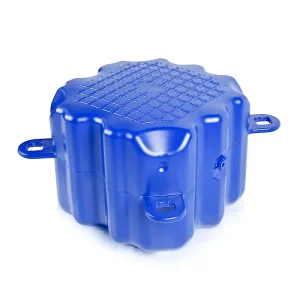
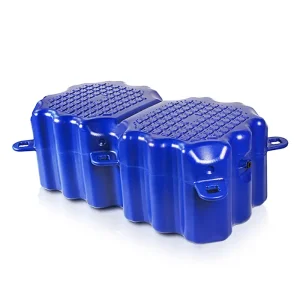
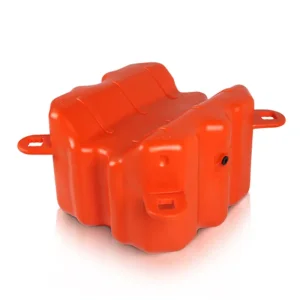
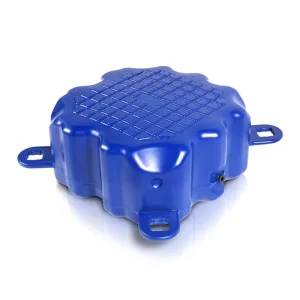
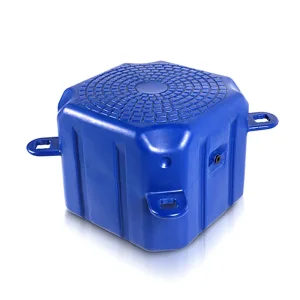
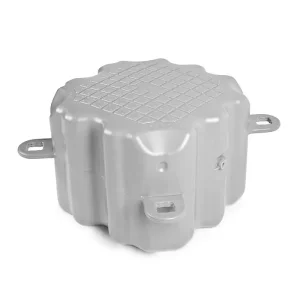
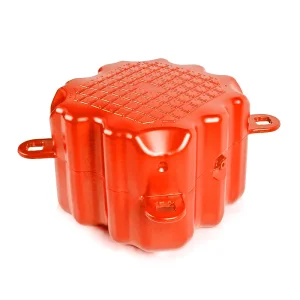
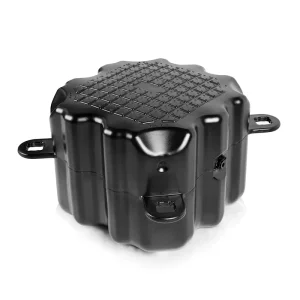
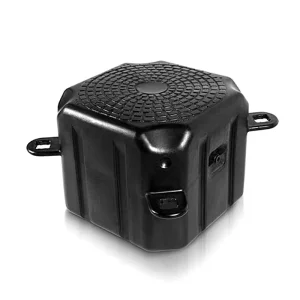
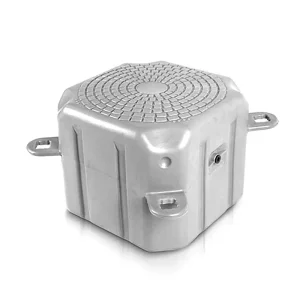
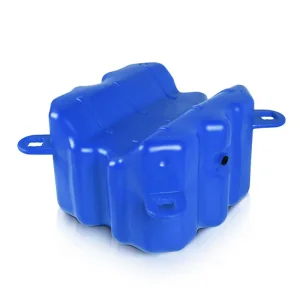
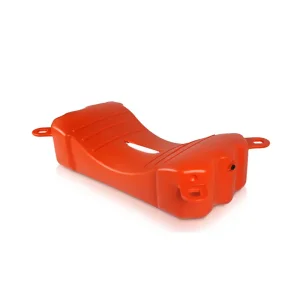
Explore our highly adaptable modular floating blocks. These configurations are customizable in sizing, profile shapes, color coding, and local load calculations to meet specific Danish marine blueprints.
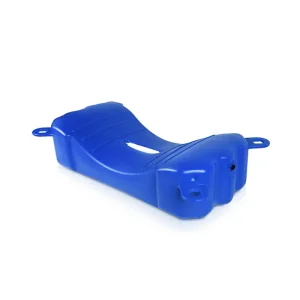
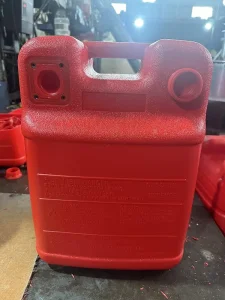
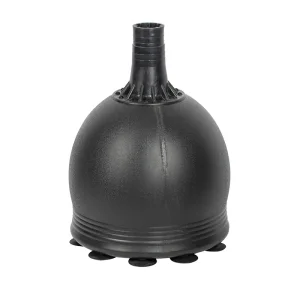
Broaden your installation capacity with auxiliary solutions designed to integrate seamlessly into your primary modular setups.
Our modular pontoon designs are optimized for diverse applications across Denmark’s varied coastlines, lakes, and channels:
Copenhagen’s public swimming harbors require absolute safety, aesthetic integration, and slip resistance. Our flat-top concave-convex design provides excellent grip for bare feet while eliminating dangerous sharp edges. Because of their modular flexibility, these floating units can be configured to enclose swimming zones, set up diving platforms, and create dedicated paths for lifeguards.
Denmark’s leading position in global sustainable aquaculture demands offshore infrastructure that can endure continuous salt spray and organic bio-fouling. Our HDPE blocks resist chemical erosion, dynamic marine growth, and prolonged UV exposure, ensuring long-term buoyancy support for shellfish cages, processing stations, and monitoring walkways.
In heavy industrial contexts like the Port of Esbjerg, floating structures must support tool assemblies, fuel components, and maintenance personnel. The 350 kg/m² load capacity of our dual-layered structures delivers the structural safety margins required for demanding commercial harbor jobs.








Get answers to common engineering questions regarding the deployment, durability, and performance of our modular floating dock system in Nordic waters.
 ShengHuang