Engineered specifically to withstand high tidal variation, intense typhoons, and heavy-duty maritime transport requirements in Japan.
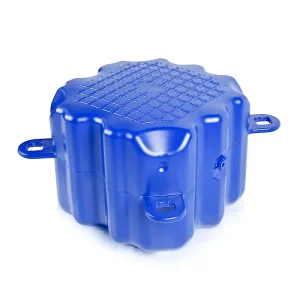
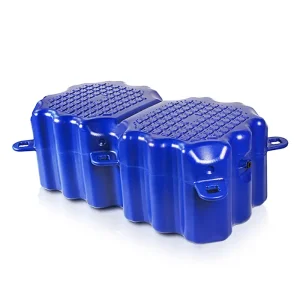
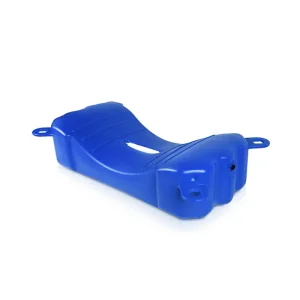
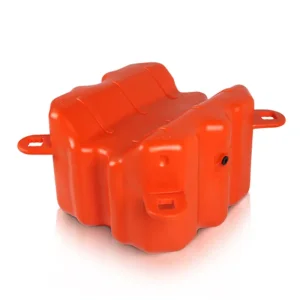
Japan's archipelago spans over 30,000 kilometers of coastline, characterized by rugged natural ports, severe seasonal typhoons, and dynamic seismic activities. As concrete and fixed timber structures age, they become susceptible to structural cracking and heavy environmental erosion. Consequently, there is an escalating transition toward modular, resilient, and eco-friendly HDPE floating platforms.
From the bustling industrial ports of Tokyo and Osaka to the specialized seaweed, pearl, and oyster aquaculture bays in Hiroshima and Mie, floating pontoons are the backbone of modern waterfront operations. Japan's strict engineering compliance standards (JIS) demand that floating structures demonstrate zero hazardous chemical leakage, high tensile resistance against shear wave impact, and an extended life cycle under continuous UV exposure.
Shenghuang Industrial & Trade delivers next-generation modular pontoon systems directly to Japanese enterprises, offering optimized cargo-handling docks, floating public walkways, marine parks, and aquaculture infrastructure that effortlessly adapt to changing sea states.
Request Japanese Local Case StudiesA macro overview of technological development, shifting materials, and international logistics integration.
Worldwide demand for marine platforms is pivoting toward high-molecular-weight HDPE blow-molded systems. Traditional wood and steel structures suffer from rot and localized rusting, requiring frequent, high-cost maintenance.
Global environmental treaties demand clean materials. Recyclable food-grade High-Density Polyethylene blocks have zero heavy metal impact, making them preferred by municipal and environmental agencies.
Future iterations focus on integration. Modern docks embed custom channels for electrical lines, smart telemetry sensors tracking sea temperature, and dynamic anti-slip safety surfaces.
How Shenghuang leverages automated blow-molding technology to produce industry-leading marine pontoons.
Established in 2019 in Huangyan, Taizhou—China's premium manufacturing hub—Shenghuang's production line incorporates advanced blow-molding technologies. Using raw materials with a high molecular weight, our pontoon cubes possess superior tensile strength, extreme resistance to environmental stress cracking (ESCR), and a high structural load capability. Each cube undergoes automated pressure checks, precise temperature profiling during the cooling phase, and weight variance audits to guarantee uniform wall thickness.
Real-world scenarios optimized for Japan’s public works, commercial aquaculture, and tourism industries.
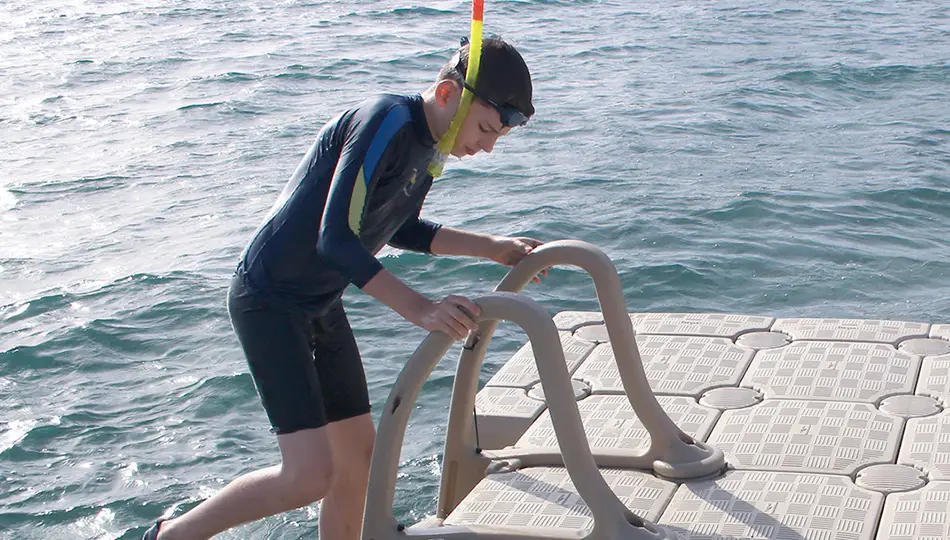
Providing safe, attractive modular boarding platforms for tourist cruise liners, personal watercraft (PWC), and yacht berths across Okinawa and coastal resorts.
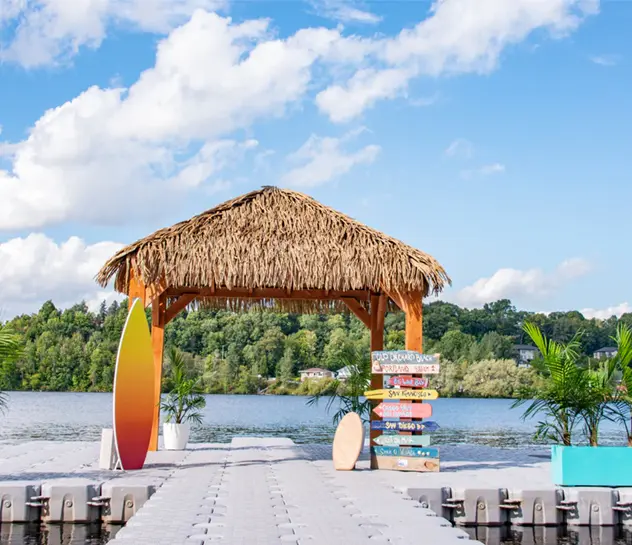
Specially reinforced pontoon cages designed for Japanese pearl, scallop, and oyster farms, featuring non-toxic surfaces and high load capacities for processing operations.
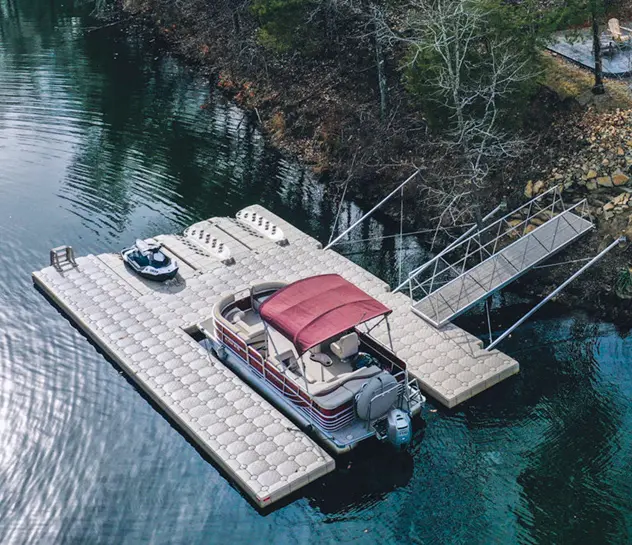
Engineered rapid-response structures serving as emergency walkways, temporary vehicle crossings, and seismic escape channels during flood and earthquake events.
Founded in 2019, Shenghuang Industrial & Trade Blow Molding Factory has quickly emerged as a pioneer in high-capacity plastic blow-molding technology. Headquartered in Huangyan, Taizhou, Zhejiang, the company utilizes a state-of-the-art automated manufacturing infrastructure to engineer a wide range of plastic containers, modular pontoons, and bespoke industrial parts.
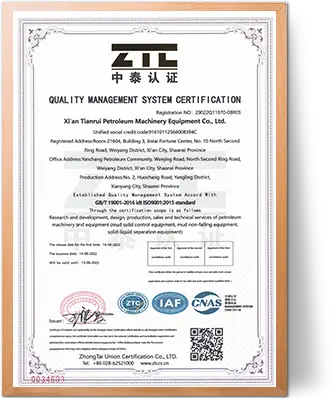
Our dedication to global environmental standards ensures that we implement green manufacturing practices, recycling post-industrial waste, and minimizing energy inputs throughout our blow molding lines. All manufactured modular floating docks adhere strictly to ISO 9001 quality management guidelines.










Technical answers regarding installation, durability under severe conditions, and commercial terms in Japan.
Our modular floating docks are engineered with flexible high-density plastic connecting pins that distribute impact energy across the entire structure. Unlike rigid timber or concrete docks that crack when subjected to sea surges, the modular design flexes and conforms to severe waves. Many clients throughout Japan have reported excellent stability and zero structure damage even after severe category-4 typhoons, provided that correct anchoring configurations (e.g., heavy-duty pile guides or high-tensile mooring chains) were utilized.
Yes, we provide direct supply routes serving Japan. For regions without a designated local distributor, we handle complete international shipping directly to your nearest commercial freight terminal (e.g., Port of Yokohama, Tokyo, Kobe, or Hakata) where you can easily arrange pickup, or we can assist in organizing final-mile delivery to your construction site.
Absolutely. Our HDPE formula exhibits a thermal threshold down to -60°C. The specific geometry of each single cube features tapered bottom corners that force the floating dock upwards when the water freezes, preventing the dock from being crushed by expanding ice sheets. In regions like Hokkaido, the dock can remain floating year-round.
The safety of leaving the dock in the water depends on moving currents. If the ice melts in place or dissipates naturally, the system will not suffer damage. However, if your bay is subject to heavy moving ice floes with currents, the kinetic energy of large ice blocks can tear out anchor lines. In these specific environments, we recommend removing the modular structure before winter—a simple process that takes only a few hours.
For safe public access, walkways, or gangways, we recommend a minimum width of three cubes (approximately 1.5 meters). This geometry ensures optimal balance and allows two people to pass comfortably. The balanced buoyancy design of each standard cube supports up to 200 lbs (approx. 90 kg) of localized vertical force with negligible tilt.
Yes, modular docks are ideal for shallow waters, drawing only 5 to 10 cm of water draft when unloaded. If the tide recedes completely, the modular structure can rest safely on mud, sand, or smooth gravel beds. The critical operational detail is ensuring enough depth at the edge of the dock to allow boats to back off safely without hitting the floor.
We commenced our dedicated modular floating dock manufacturing division in 2019 in Taizhou, China. Over the years, we have emerged as one of the premier global blow-molding factories, exporting heavy-duty floating platforms to marine developments, municipal reservoirs, and aquaculture operations across Asia, Europe, and North America.
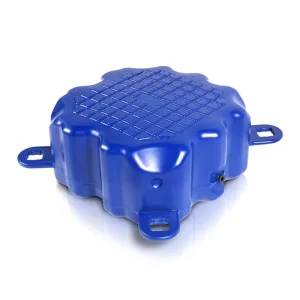
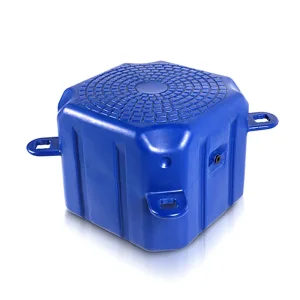
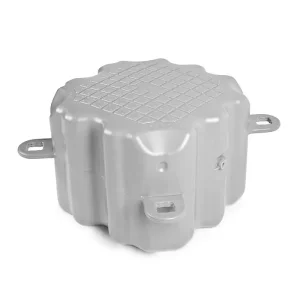
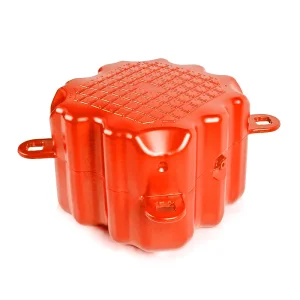
Browse our complete selection of modular cubes, specialized shapes, and high-quality accessories.
 ShengHuang