Engineered with heavy-duty HDPE blow molding technology to endure sub-zero temperatures, shifting ice pressures, and intense UV exposure.
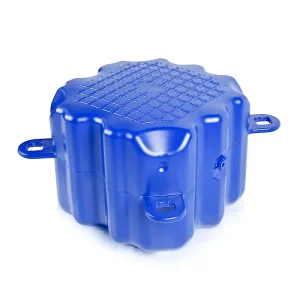
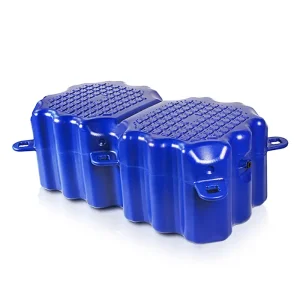
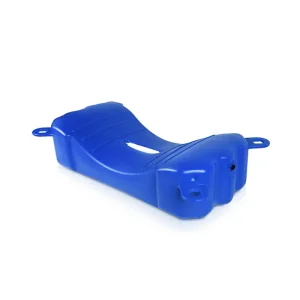
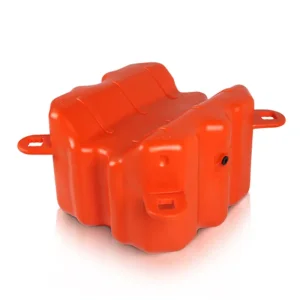
Navigating the logistics of waterways, commercial docks, and leisure marinas in Moscow demands materials capable of handling extreme environmental transitions. The Moscow Canal, the Moskva River, and surrounding reservoirs like Khimki, Klyazma, and Pirogovo undergo severe seasonal freeze-thaw cycles. Conventional concrete or steel-frame docks require extensive winter removal to avoid structural failure. Our High-Density Polyethylene (HDPE) modular pontoon systems solve this issue by dynamically adapting to shifting surface ice.
As a seasoned B2B industrial partner, we provide blow-molded floats with optimized structural wall thickness, high UV8 stabilization, and a unique flexible connection joint framework. These features disperse load energy and withstand ice expander pressures down to -40°C, ensuring compliance with both Russian municipal safety parameters and international marine building codes.
Unlike steel pontoon modules that suffer from rust, weld fatigue, and ice-clipping damage, blow-molded HDPE pontoons do not require anti-corrosive painting or cathodic protection. The non-porous surface prevents algae and biological fouling from bonding to the dock. For Moscow maritime procurement agencies, municipal park operators, and private yacht clubs, this translates to zero annual maintenance costs, rapid installation schedules, and a system life span exceeding 15 years.
With established transit routes connecting our Taizhou manufacturing hub directly with local logistics networks serving Moscow, we minimize transit times. We support regional distributors, marine contractors, and bulk municipal buyers through comprehensive technical support, direct containerized sea-rail transport, and optimized Customs documentation compliance.
Founded in 2019, Shenghuang Industrial & Trade Blow Molding Factory is a leading innovator in the plastic blow molding industry. Strategically headquartered in Huangyan, Taizhou, Zhejiang—renowned as China's plastic mold capital—we leverage robust local tooling, manufacturing, and raw material supply networks to deliver high-quality, high-precision industrial plastic products.
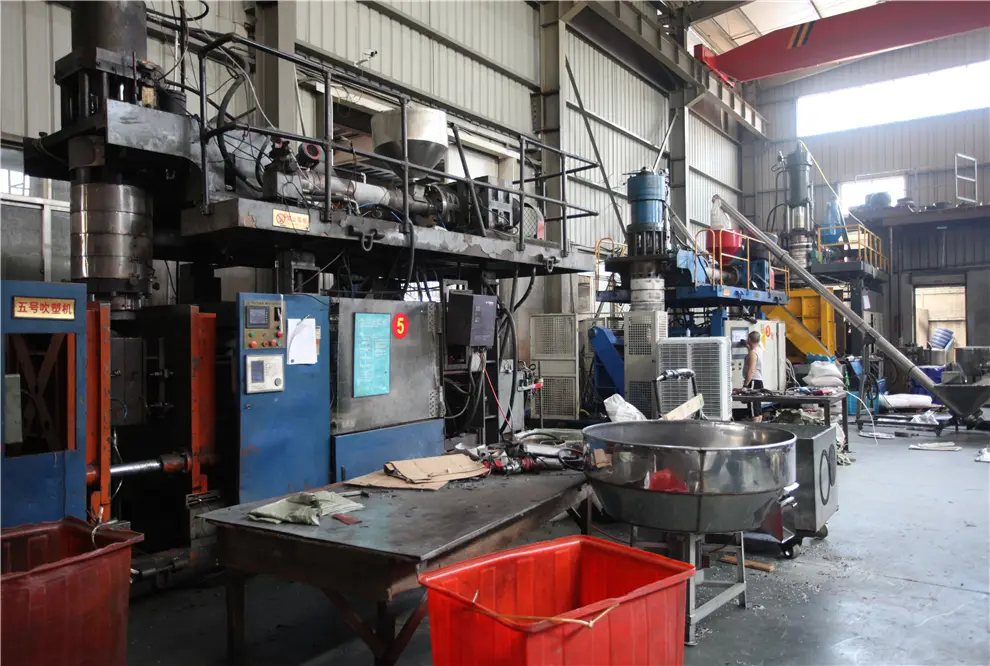
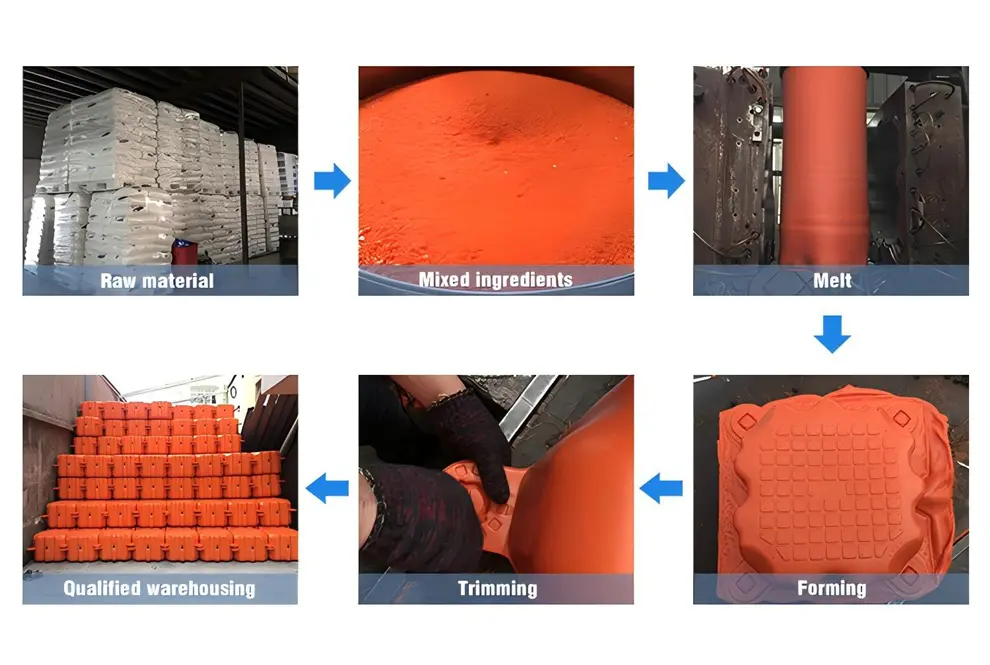
Our facility runs automated, multi-layer blow molding production lines that produce heavy-duty containers, safety barriers, portable tanks, and modular floating dock cubes. Adhering strictly to the ISO 9001 quality management framework, we ensure that every batch of raw material undergoes physical and chemical testing before entering the molding cycle. This rigorous oversight guarantees our products consistently meet international load-bearing and environmental standards.
Environmental sustainability is central to our operations. We use 100% recyclable, non-toxic food-grade High-Density Polyethylene (HDPE). Our R&D team continuously develops custom polymer blends to improve environmental performance, reduce carbon footprints, and enhance UV degradation resistance. This enables us to configure custom products for sensitive aquatic reserves and demanding industrial marine applications.
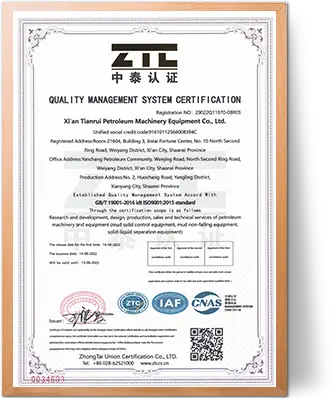
Our commitment to raw material consistency, safety compliance, and manufacturing precision is validated by authoritative certifications.

ISO 9001 Production Standards Compliance
Non-Polluting Marine-Grade Raw Material Audited

International Safe Factory Operations Framework
From modular pontoons for public parks to heavy-duty sandbags for flood control and custom marine storage systems.
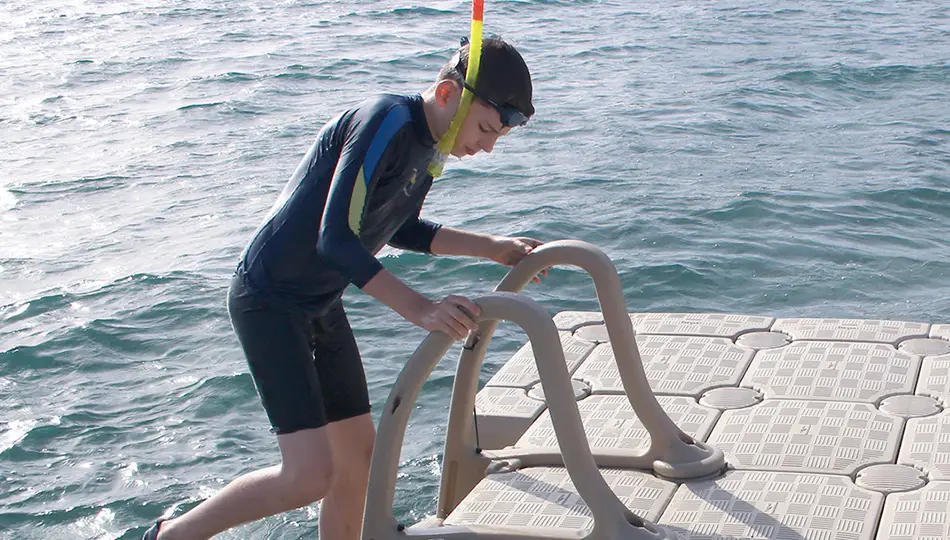

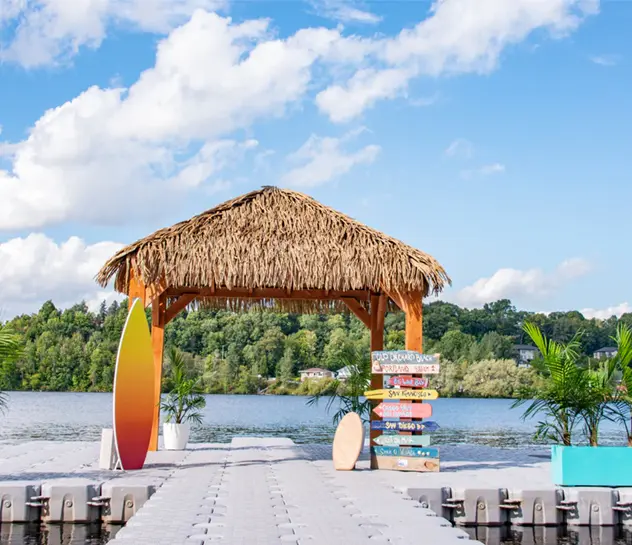
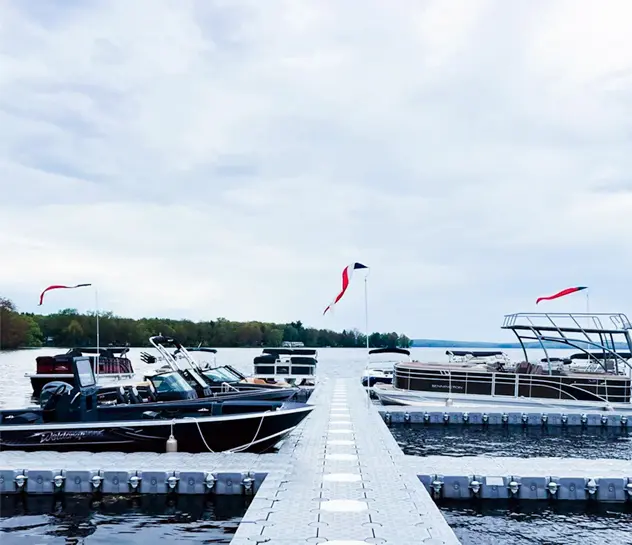
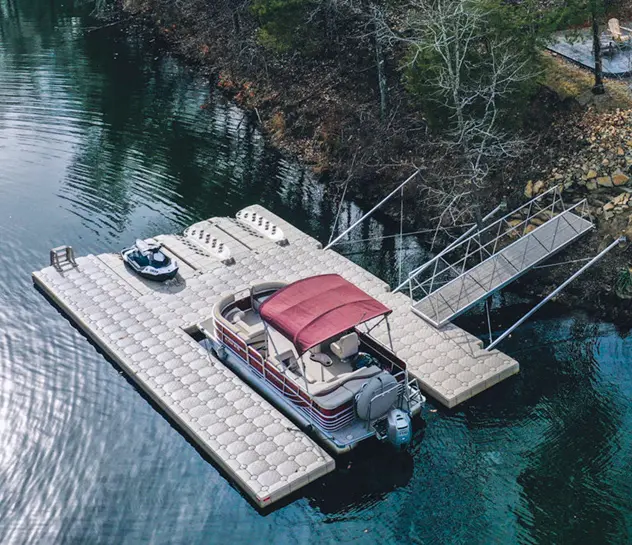
A comprehensive range of high-performance plastic floating systems designed for diverse installation requirements.
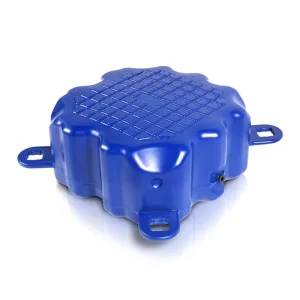
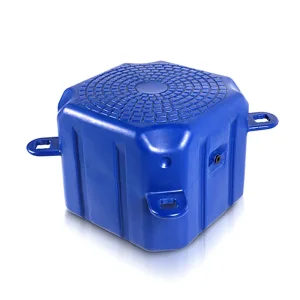
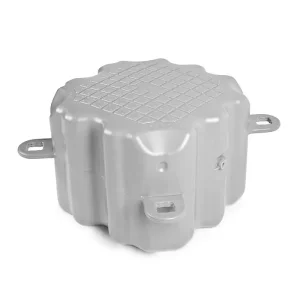
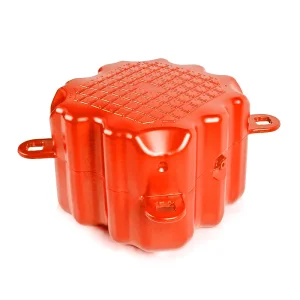
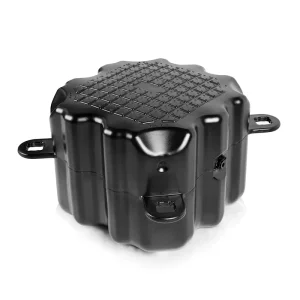
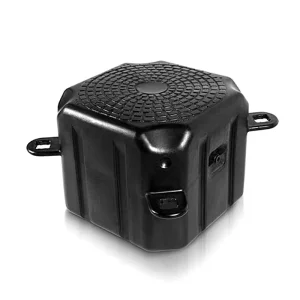
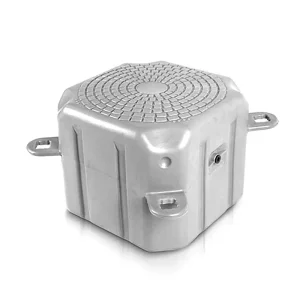
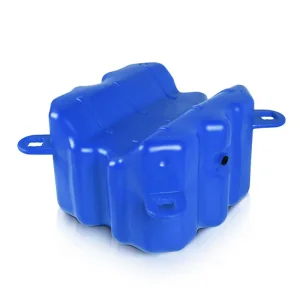
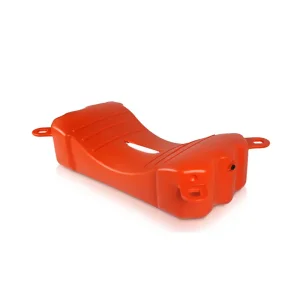
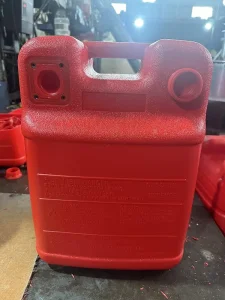
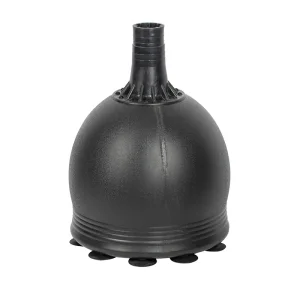
Essential components and storage systems designed to ensure security, stability, and operational efficiency.










Expert answers addressing structural integration, cold durability, site anchoring, and shipping logistical inquiries.
Our HDPE modular floating docks are engineered to remain in place through freezing conditions. The material handles temperatures down to -40°C. The bottom design allows the modules to flex and slide upward as ice expands, preventing pressure damage. However, if moving ice blocks are present, we recommend using shore anchoring lines or temporarily towing the dock to a sheltered bay to prevent physical impact damage.
Yes, you can leave it installed year-round, even in saltwater environments. The specialized high-density polyethylene construction resists seasonal freeze-thaw cycles without cracking. For areas with fast-flowing spring ice melts, securing the dock with dynamic anchoring lines or pile guides helps safely manage moving surface ice.
In regions without a local distributor, we ship orders directly from our factory to your nearest freight terminal or port. We manage bulk container packaging and arrange rail or sea freight. Our logistics team provides all necessary transit papers, product certificates, and import documentation to ensure smooth Customs clearance.
For standard walking platforms and public gangways, we recommend a minimum width of three modular cubes (approx. 1.5 meters). This width balances the dock's buoyancy, distributing weight effectively to prevent tipping when multiple people walk along the edges.
Yes. The modular docks draw only 2 to 4 inches (5 to 10 cm) of water when unloaded. If the water level drops during low tide, the cubes can rest directly on flat, sandy, or muddy bottoms. When designing drive-on ramps, ensure there is sufficient water depth at the entryway so vessels can easily back off.
We began manufacturing modular floating docks in 2019. Since then, we have expanded our capacity to become a leading supplier in China, delivering high-buoyancy modular systems to commercial, municipal, and industrial clients worldwide.
Contact our engineering support team to receive detailed structural plans, buoyancy calculations, and a custom quotation for your project.
Send Inquiry Now ShengHuang