 ShengHuang
Engineered for high load capacities, wave resilience, and environmental compliance across Netherlands' inland and coastal waterways.
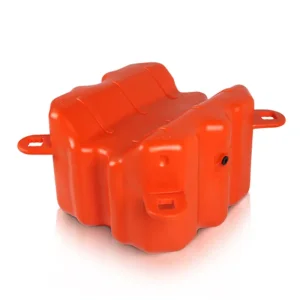
An in-depth analysis of structural demands, climate adaptations, and modular pontoon technology in Europe's most advanced delta economy.
The Netherlands presents a unique geographical paradigm. With more than a quarter of its landmass resting below sea level, water is not just a landscape feature; it is the core of national spatial planning, industrial logistics, and civil infrastructure. From the massive locks of the Delta Works to the busy canals of Amsterdam and the sprawling industrial basins of the Port of Rotterdam, the demand for stable, modular, and environmentally benign floating structures is expanding rapidly.
Climate change and rising sea levels are pushing Dutch engineers and urban planners to look beyond rigid flood barriers. The modern consensus is shift-oriented: working with the water, rather than against it. This philosophy has fueled the growth of floating communities, floating solar farms (Zonneparken), and versatile marine access docks. Standard wooden or concrete docks struggle to match the dynamic requirements of delta waters, which experience significant tidal variance and continuous low-amplitude wave action. Modular HDPE (High-Density Polyethylene) pontoons have emerged as the primary solution, offering unmatched adaptability, high load capacities, and zero maintenance overhead.
The Netherlands maintains some of the world's strictest environmental conservation laws, particularly concerning water quality (under the EU Water Framework Directive). Traditional pressure-treated wood docks leach heavy metals and creosote, while steel options require anti-corrosive paint that is hazardous to aquatic life. HDPE blow-molded pontoons offer a sustainable alternative. They are chemically inert, do not decay, release no toxic particulates, and are completely recyclable at the end of their operational lifecycle. Our raw materials comply with international eco-friendly standards, aligning with the circular economy goals of modern Dutch maritime projects.
Combining world-class production capacity in Zhejiang with specialized engineering solutions for the European market.
Founded in 2019 in Huangyan, Taizhou, Zhejiang—the mold capital of China—our factory employs state-of-the-art automated blow molding lines to manufacture ultra-durable, high-precision modular pontoons and marine components.
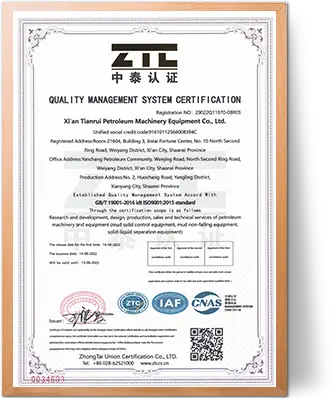
Our facility strictly adheres to the ISO 9001 quality management framework. Every stage, from premium raw polymer sourcing to final hydrostatic stress and compression testing, is monitored to ensure zero defect rates.
We prioritize global ecological safety. By integrating recycled polymers where applicable and refining our energy-efficient blow molding processes, we reduce industrial waste while ensuring compliance with EU REACH regulations.
Shenghuang Industrial & Trade Blow Molding Factory has positioned itself as an international manufacturing partner capable of executing large-scale OEM/ODM projects. Our location in Huangyan, Taizhou, provides us with direct access to advanced tool-making technologies, resulting in shorter R&D-to-production cycles. Our R&D division continuously works on next-generation materials, developing specialized polymer blends that incorporate high-grade UV stabilizers (UV8 level) and anti-oxidants, protecting the pontoons from thermal degradation and structural embrittlement in saltwater delta zones.
Whether you require custom dimensions, specific color branding (e.g., standard safety blue, gray, high-visibility orange, or deep black), or tailored internal structural configurations, our engineering team can model and manufacture components that integrate seamlessly with existing marine layouts.


Delivering heavy-duty structural capabilities designed to survive freezing winters, salt-water corrosion, and heavy dynamic loading.
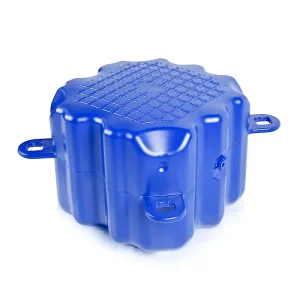
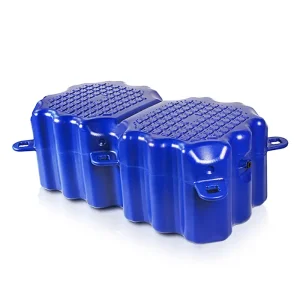
Our modular floating docks are engineered using High-Density Polyethylene (HDPE), a thermoplastic polymer characterized by its high strength-to-density ratio. Unlike traditional floating dock solutions, blow-molded HDPE possesses a molecular structure that absorbs impact energy without structural deformation, a critical feature when vessels berth in high-current zones along the Dutch coast.
| Property / Metric | HDPE Modular Cubes | Wood Docks | Concrete Docks |
|---|---|---|---|
| Buoyancy Capacity | ~350 kg/m² | ~150 kg/m² | Variable (Heavy) |
| Maintenance Requirement | Zero Maintenance | High (Sealing, Painting) | Medium (Spalling repairs) |
| Environmental Footprint | 100% Recyclable, No Leaching | Chemical Leaching | High carbon manufacturing |
| Ice & Freeze Resistance | Pop-up Ice Dispersal | Structural Cracking | High Risk of Frost Damage |
A primary concern for municipal harbor master plan coordinators in the Netherlands is the effect of winter ice. Moving ice sheets and freezing water exert massive lateral force. Our modular cubes are structurally designed with sloped sides. When ice forms around the dock, the dynamic squeezing pressure forces the lightweight HDPE structure upward, allowing it to rest safely on top of the ice sheet rather than being crushed by it. Once the thaw cycle begins, the system returns to its design buoyancy line without structural damage.
Shenghuang continuously invests in testing facilities. Our products undergo rigorous quality control testing including:
Our complete range of blow-molded industrial pontoons, modular docking configurations, and marine fuel tanks designed for European compliance.
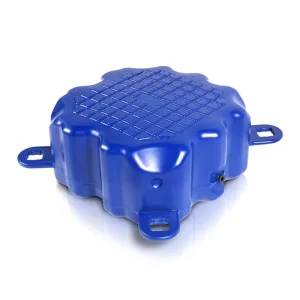
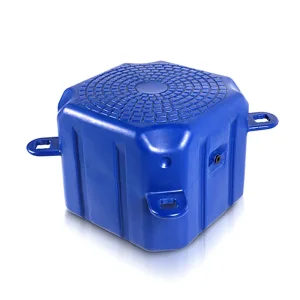
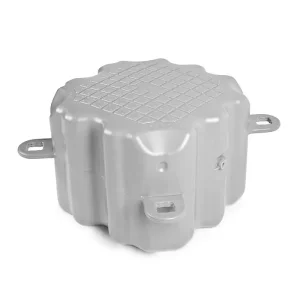
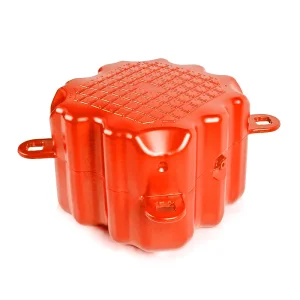
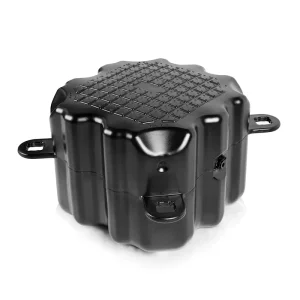
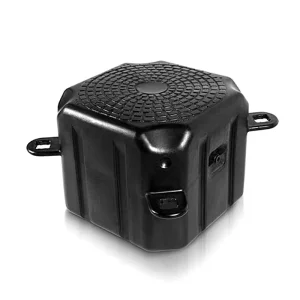
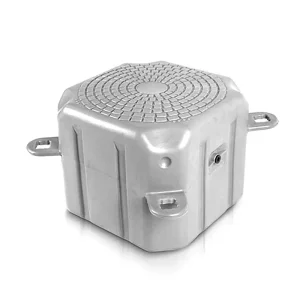
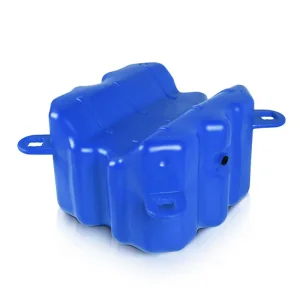
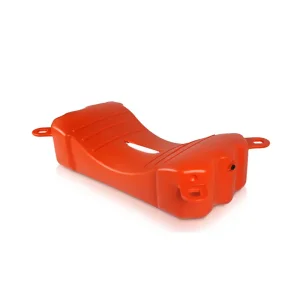
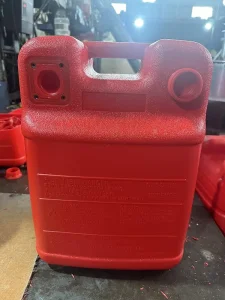
Complete supply chain solutions including modular orange floats, portable fuel canisters, and anchoring structures.
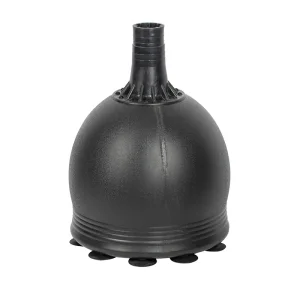
Navigating standards, quality checks, customs, and shipping from Taizhou factory to the Port of Rotterdam.
Purchasing directly from manufacturing facilities in China allows European marine development agencies and industrial contractors to optimize their budgets. However, ensuring import compliance and smooth customs clearance is essential. Our team has handled logistics for European shipments since 2019, establishing optimized shipping workflows.
We pack and containerize our modular floats at our factory to maximize space utilization. A standard 40-foot High Cube (HC) container accommodates a significant volume of modular cubes and connecting pins. Containers are shipped via Ningbo or Shanghai port, arriving at the Port of Rotterdam or Antwerp within 30 to 40 days, ready for customs clearance and regional transport.
For import into the European Union, we provide complete compliance documentation packs:
For large-scale marine distribution networks in the Benelux union, we offer custom embossing and mold inserts. We can integrate your brand logo directly into the upper traction pattern plate of the modular cubes, helping you build market presence with high-quality products.
Technical support, material specifications, and installation tips for modular HDPE floating docks.
Delivering high-quality marine structures and industrial containers to commercial enterprises across Europe and globally.







Get in touch with our design engineers for customized layouts, structural calculations, and direct container pricing.
Send Inquiry Now