Advanced engineering constructs engineered for severe tidal variances and environmental parameters of the Hamburg Harbour.
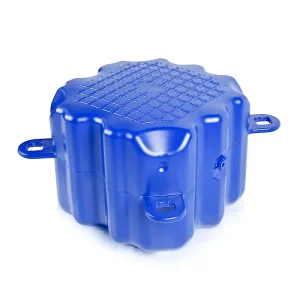
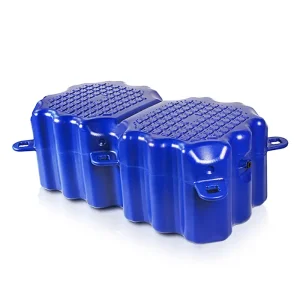
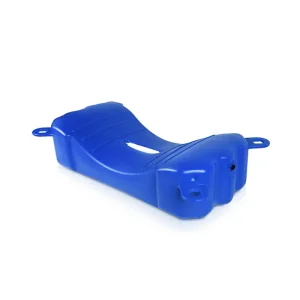
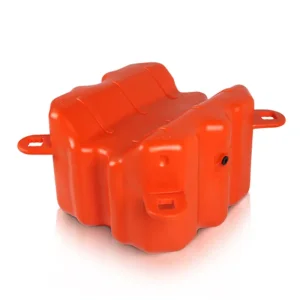
Hamburg stands as one of Europe's premier shipping and logistics hubs, intersected by the Elbe River, Alster Lakes, and hundreds of historical canals. However, this active maritime environment demands floating infrastructure that can endure exceptional physical stresses. The tidal variance in the Hamburg Port region can span up to 3.6 meters daily, requiring exceptionally flexible anchoring and pontoon systems that can flex without experiencing structural fatigue.
Furthermore, winter ice pressures along the Elbe can quickly crush rigid steel or concrete docks. Our modular HDPE pontoons are designed to react dynamically to ice formation. The specific lateral geometry of each pontoon block forces the assembly to slide upward onto the ice sheet rather than taking the full lateral crush force. This prevents structural failure during winter periods and eliminates the need for expensive seasonal installation and removal procedures.
Environmental standards in Germany are also among the most rigorous in the world. The Federal Water Act (WHG) mandates that any material submerged in public waterways must be completely non-toxic, non-leaching, and UV-stable. Our raw material sourcing and manufacturing methods strictly align with these parameters, making them safe for Hamburg's sensitive marine ecosystems.
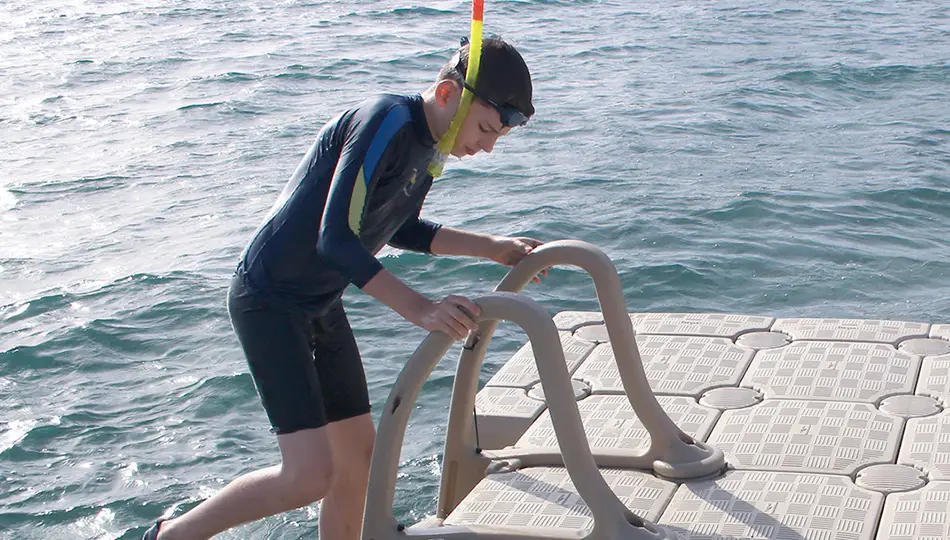
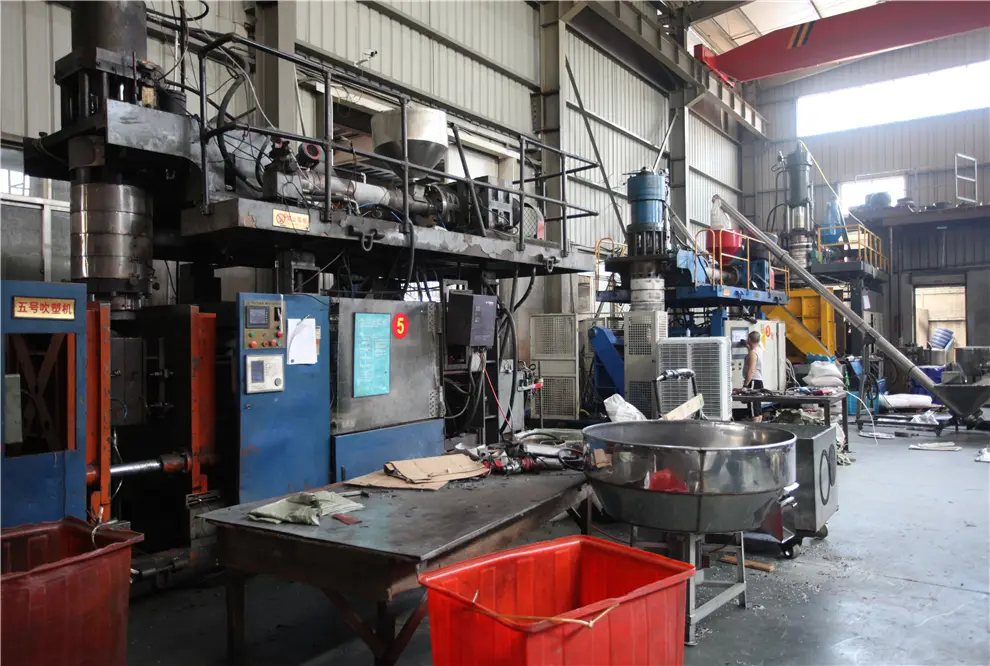
Founded in 2019 and headquartered in Huangyan, Taizhou, Zhejiang—the recognized capital of Chinese high-precision plastics engineering—Shenghuang has emerged as a premier manufacturer in the blow molding sector. We specialize in producing heavy-duty HDPE pontoons, environmental floats, automotive parts, and specialized outdoor sports bases.
Equipped with state-of-the-art automated blow molding lines, we maintain complete control over raw material feeding, parison thickness distribution, and cooling rates. This ensures that every individual pontoon section exhibits uniform wall thickness, high impact resistance, and zero structural vulnerabilities. By adhering strictly to the ISO 9001 quality management framework, we guarantee that every batch of pontoons destined for the Hamburg market meets CE and German safety requirements.
Establishment Year
Buoyancy per m²
Certified Quality Control
Recyclable Materials
Detailing the engineering parameters that make our HDPE modular docks superior for public works, industrial logistics, and leisure marinas.
Designed with specialized connector pins that allow ±15 degrees of articulation between adjacent modules. This structural flexibility mitigates torsional stress in high-current conditions typical of the tidal Elbe.
Constructed utilizing High-Density Polyethylene (HDPE) with integrated anti-UV stabilizers. The polymer formulation prevents brittleness and cracking, even under prolonged exposure to ultraviolet rays and low temperatures down to -60°C.
Tested to support 350 kg/m² of uniform load buoyancy. The internal structure prevents collapse or deformation, offering a stable foundation for work crews, fuel tanks, and support vehicles.
From initial design draft to physical installation in the Port of Hamburg, our engineering support covers every step. We utilize CAD modeling and Finite Element Analysis (FEA) to evaluate the stress points of customized floating docks. Whether your project involves a public marina on the Alster, an industrial floating pipeline support system on the southern Elbe, or a floating solar array installation, we adjust the wall thickness and block formulation to match your precise mechanical requirements.
Our raw material formulation is also optimized for high-impact resistance, ensuring that our products stand up to collisions with floating debris, support vessels, and docks. By maintaining a close partnership with international freight forwarders, we deliver directly to your job site or terminal in Hamburg with all customs clearance paperwork pre-processed for fast clearance.
For European marine construction firms, procurement delays can quickly translate to heavy penalties. Shenghuang's production facility in Huangyan runs highly automated blow molding machinery, achieving near-continuous manufacturing cycles. This significantly reduces lead times compared to standard production runs, ensuring that even large-scale orders are shipped on time.
Additionally, we maintain a robust inventory of raw HDPE, color masterbatches, and anchoring hardware. This vertical integration allows us to hedge against raw material price fluctuations, offering stable pricing contracts for long-term municipal or industrial projects. By shipping direct from Taizhou/Ningbo Port to the Port of Hamburg (HHLA/Eurogate terminals), we offer competitive freight options and minimal transit delays.
For custom engineering designs, our mold-making division can prototype and construct customized molds in as little as 3-4 weeks. This enables marine architects in Germany to realize unique architectural and practical configurations without compromising on structural integrity or delivery schedules.
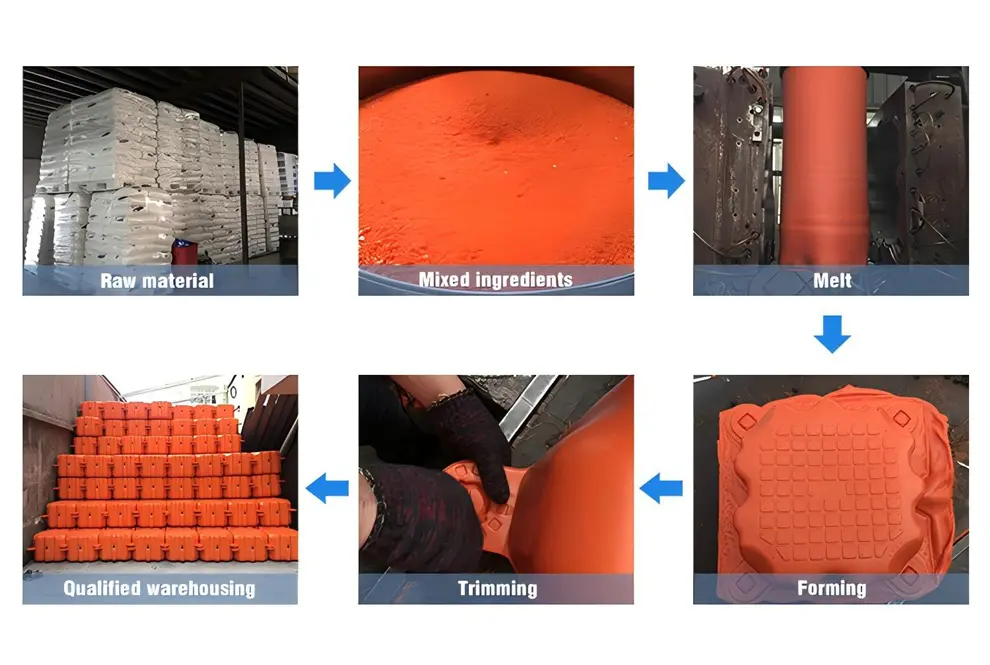
Verified manufacturing processes and materials that conform with the strict criteria of European marine deployment.

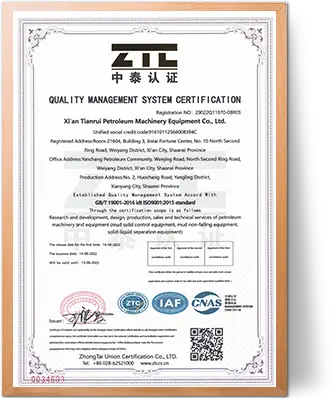

Our facility adheres strictly to the ISO 9001 framework, from raw material procurement to final product testing. The HDPE modules are fully recyclable and comply with REACH and RoHS standards, ensuring they release no toxic substances or heavy metals into the Elbe or surrounding Baltic waterways.
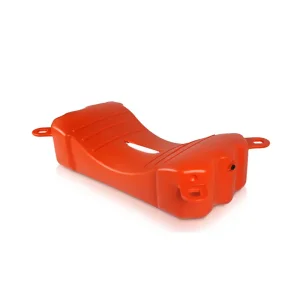
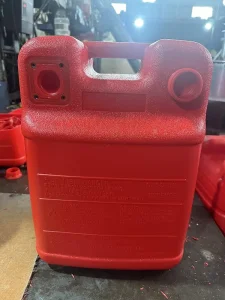
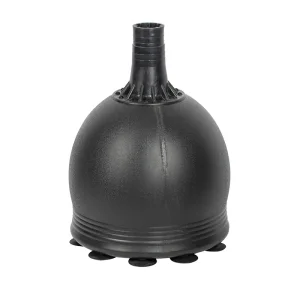
A full suite of structural elements, auxiliary equipment, and anchoring systems for complete modular configuration.
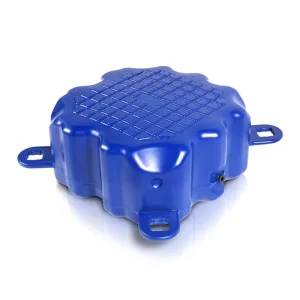
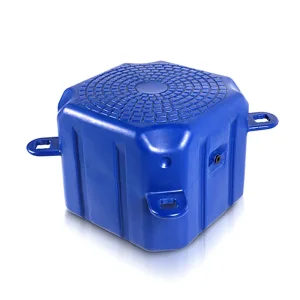
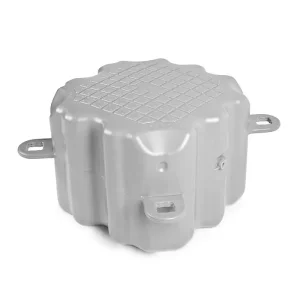
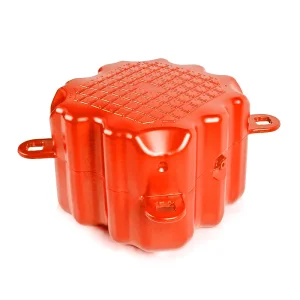
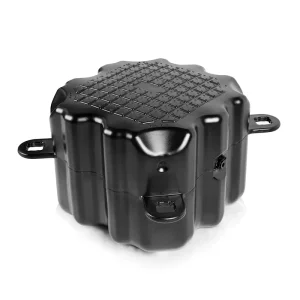
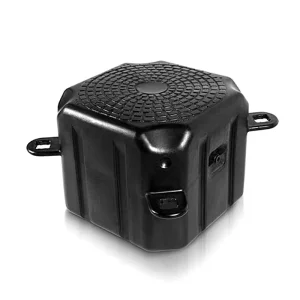
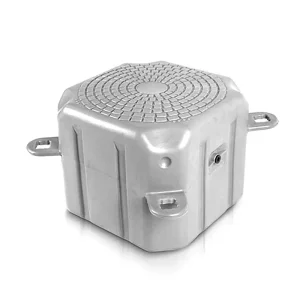
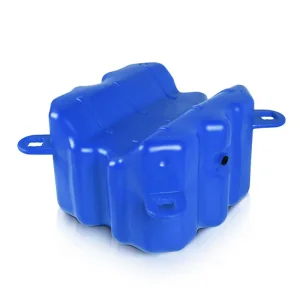
Collaborating with marine developers and port operators worldwide to deliver highly stable floating structures.







Technical answers to common engineering questions regarding modular plastic pontoons in Northern European waters.
Thanks to the modular, interlocking design, wave forces are distributed across the system instead of concentrated at a single point. In regions subjected to high winds, we recommend specialized elastic mooring assemblies that allow vertical and horizontal play, preventing damage during storm surges.
Yes, we regularly ship directly to marine terminals worldwide, including the Port of Hamburg. We provide detailed installation manuals, engineering calculations, and video guides, and can dispatch engineers to assist with larger installations.
Absolutely. The dock can remain in saltwater or freshwater during winter. The lateral surface angle of the HDPE cubes allows the system to ride up on top of expanding ice rather than absorbing structural crushing forces, protecting the integrity of the float system.
If the waterway experiences moving ice sheets, there is a risk of impact damage. In such scenarios, we recommend installing defensive ice breakers (piles) or temporarily towing the modular dock to a protected basin. If the ice thaws without significant movement, the system can stay in place safely year-round.
For public access walkways and general stability, we recommend a minimum width of three cubes (approx. 1.5 meters). With each cube providing roughly 90 kg (200 lbs) of buoyancy, a three-cube-wide configuration ensures a stable walking surface that resists tipping under asymmetrical loads.
Yes. The draft of our empty pontoons is just 5 to 10 cm (2 to 4 inches). They can safely rest on sandy or muddy bottoms during low tide, provided there are no sharp rocks or debris that could puncture the hulls. A minimum water depth is only required at the access points where boats dock or drive on.
Our production lines in Huangyan, Taizhou began operations in 2019. We have grown to become a leading manufacturer and exporter of blow-molded HDPE products, serving commercial marine projects globally.
Reach out to our engineering team for technical layouts, custom buoyancy calculations, and a complete commercial quotation delivered directly to your port of choice.
Send Inquiry Now ShengHuang