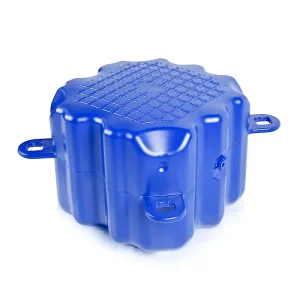
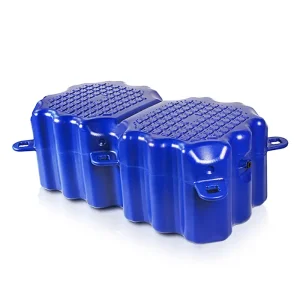
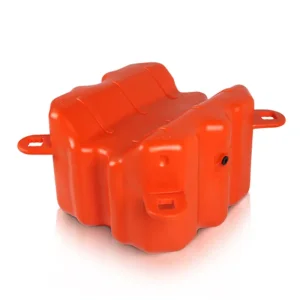
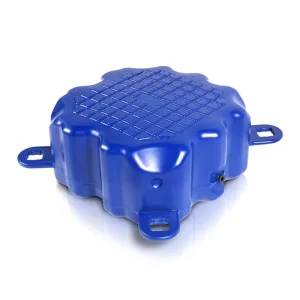
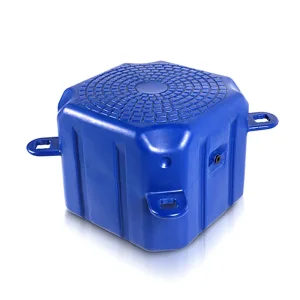
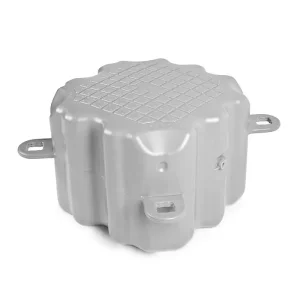
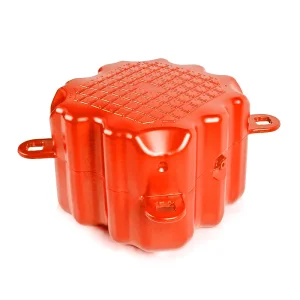
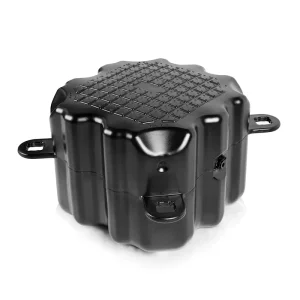
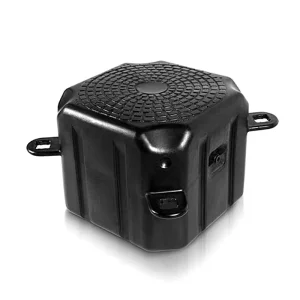
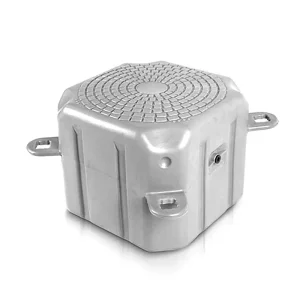
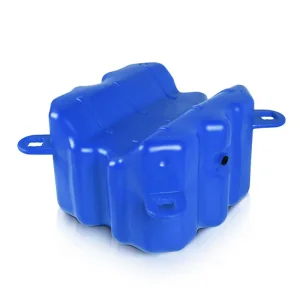
Premium Modular Floating Systems Configured for the Arabian Gulf’s Marine Infrastructure Projects
Request Engineering SpecificationsEngineered for instant deployment across Doha's coastal zones, including Lusail Marina and West Bay Lagoon.
Doha, the capital city of Qatar, is executing one of the world's most aggressive maritime expansion plans. Driven by the Qatar National Vision 2030, the state has witnessed immense investments in mega-marina developments, leisure water sports facilities, commercial port expansions (Hamad Port), and urban beachfront initiatives such as Lusail City and The Pearl-Qatar. Installing floating pontoons in this region requires solving specific, extreme local environmental challenges:
Ambient temperatures in Doha routinely exceed 50°C during summer, driving surface water temperatures to extreme levels. Pontoons must utilize high-grade HDPE combined with proprietary UV stabilizers (UV8 minimum) to prevent structural cracking, color fading, and warping.
The Persian Gulf exhibits unusually high salinity levels. Traditional steel or wood docks degrade rapidly. Modular plastic HDPE docks are completely inert to chemical corrosion and salt attack, providing a maintenance-free lifetime of over 15 years.
Doha's coastlines experience regular shallow-water tidal movements. Floating pontoon systems must adapt dynamically to water level fluctuations, preventing groundings or gangway structural failure during extreme low tides.
Designed and verified under rigorous quality control standards to ensure reliable long-term operations.
Founded in 2019, Shenghuang Industrial & Trade Blow Molding Factory is a leading innovator in the plastic blow molding industry. With its headquarters located in Huangyan, Taizhou, Zhejiang—an area internationally recognized for its advanced precision mold manufacturing and plastics infrastructure—the company has quickly scaled to become a globally trusted supplier of premium high-density polyethylene (HDPE) products.
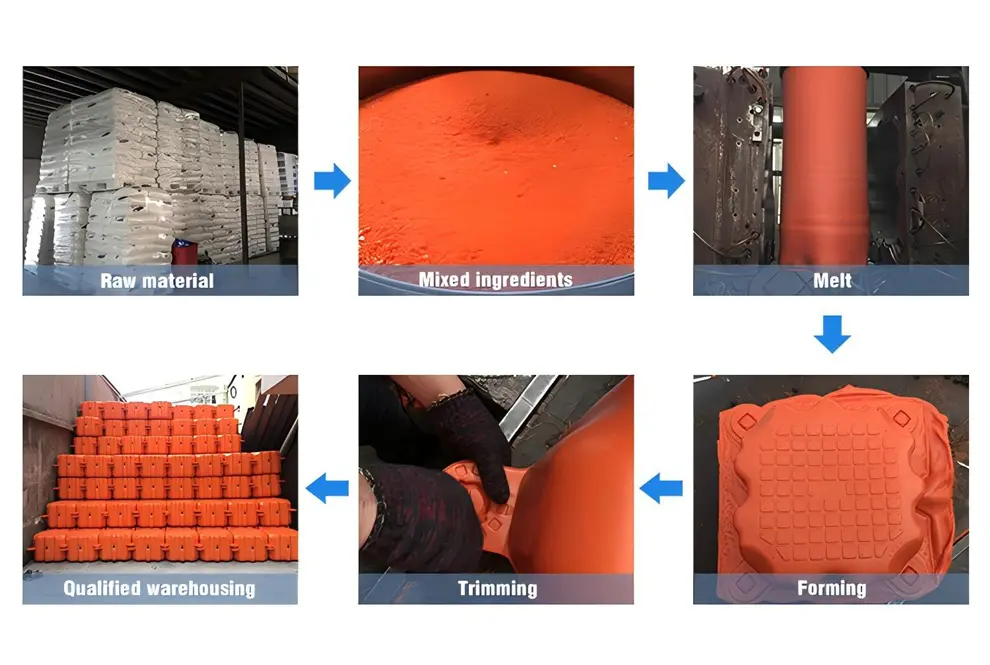
Equipped with state-of-the-art automated blow molding production lines, Shenghuang efficiently produces specialized industrial parts, environmental systems, packaging components, and heavy-duty modular marine pontoons. Our operations strictly align with the ISO 9001:2015 Quality Management System, ensuring that every stage—from polymer selection to stress testing under simulated climatic pressures—exceeds industry standards.
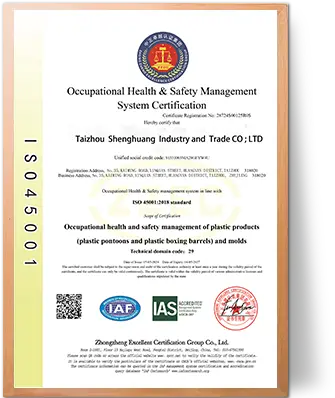
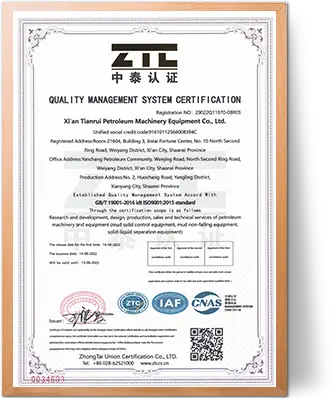
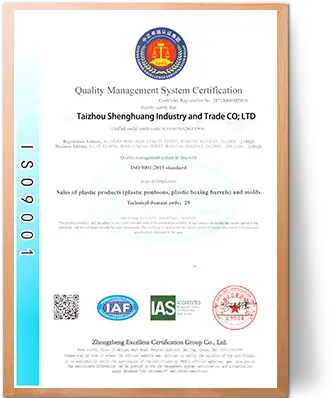
We leverage premium quality engineering to comply with maritime safety codes worldwide, supplying large-scale project developers across the Middle East, Europe, and Asia.
Shenghuang's engineering department focuses on materials advancement to enhance longevity and load-bearing performance under aggressive UV-radiation and heat cycles. Through collaborative R&D programs, we optimize blow molding processes, reducing internal structural stress and thickness variance. Key technological advancements include:
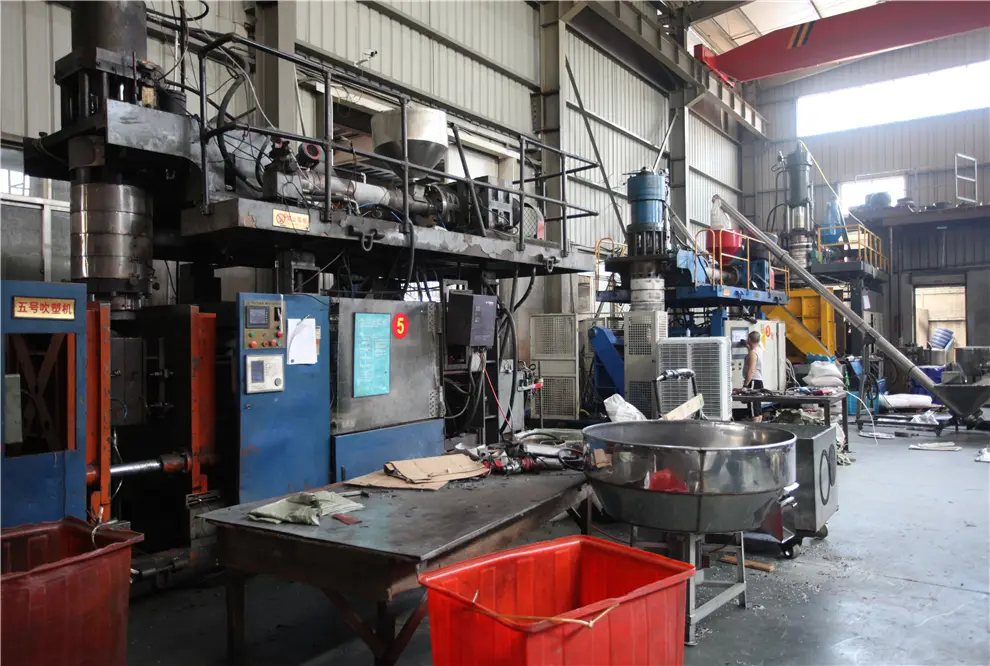
From private marina networks to heavy industrial mooring floating bridges, our products deliver under the most demanding loads.
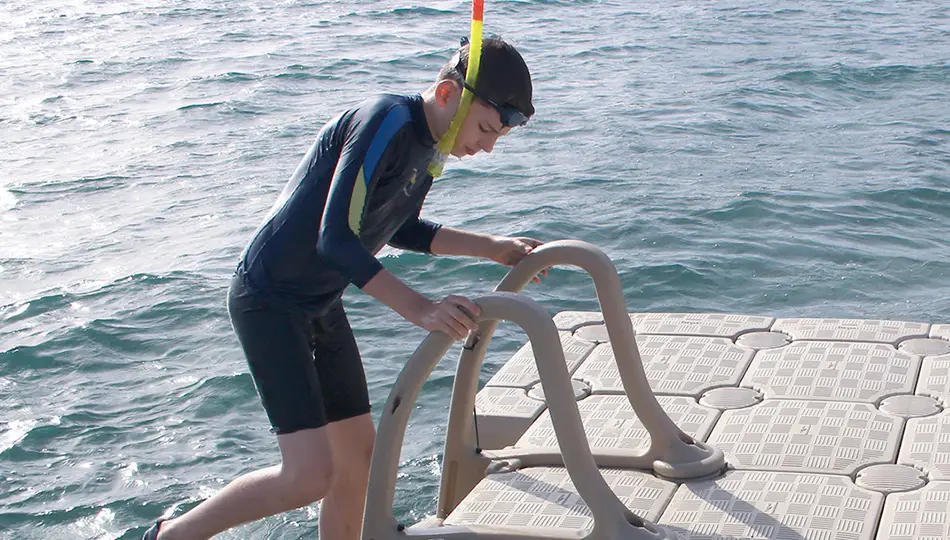
Integrated modular configuration for heavy yachts, providing safe pathways and anti-slip platforms.

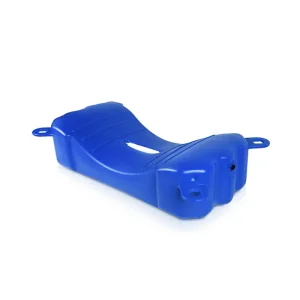
Dry-dock platforms configured with V/U shaped entries, allowing effortless launch and docking.
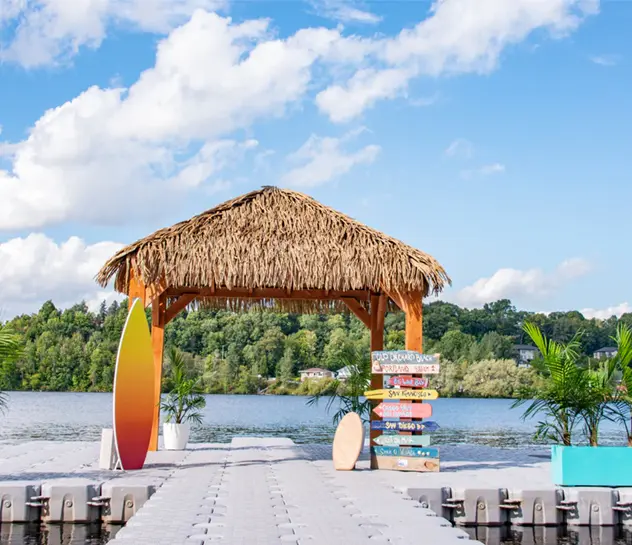
Configured for marine construction, dredging pipelines, and oil & gas coastal operations.




Review our comprehensive catalog of high-buoyancy modular docks, anchoring connectors, and marine parts designed for rapid mobilization to Doha Port.
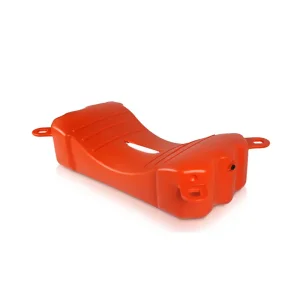
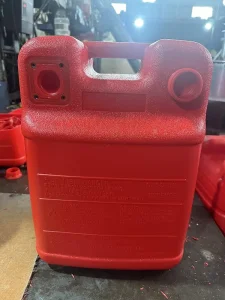
Ensure operational flexibility with custom-molded secondary dock variations, portable fuel tanks, and anchoring systems.
Procuring marine infrastructure assets for Qatar requires navigating complex logistics and quality verification steps. As an experienced exporter, Shenghuang ensures streamlined integration from our manufacturing complex directly to your project sites in Doha.
Our pontoon designs and high-density blow molding production processes adhere strictly to ASTM testing standards for density, tensile strength, and impact resistance. We provide full mill test certificates and trace certifications matching the Qatari Construction Specifications (QCS) guidelines for offshore marine hardware.
Our logistical network coordinates directly with major ocean shipping lines, guaranteeing space allocations and timely deliveries to Hamad Port. Our packaging designs optimize container footprint efficiency, minimizing shipping costs for bulky modular items.
Detailed breakdowns regarding performance, installation, and architectural compatibility of modular plastic pontoons in the Middle East.
 ShengHuang