Engineered specifically to survive extreme fjord environments, winter ice expansion, and high coastal tidal variations.
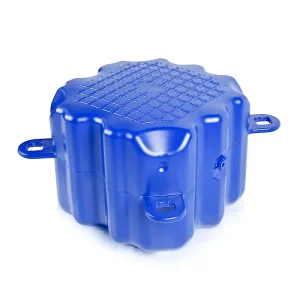
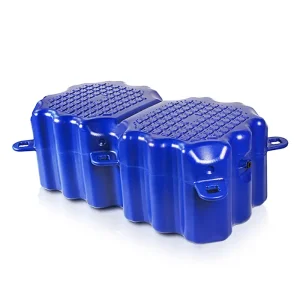
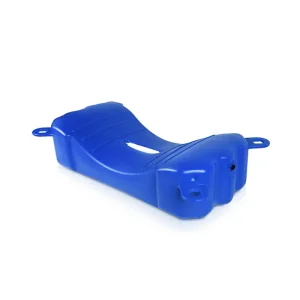
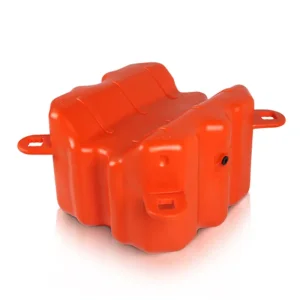
Norway represents one of the most demanding marine environments globally. With over 83,000 kilometers of rugged coastline, deep-cut fjords, and open Arctic waters, floating structures must endure tremendous mechanical and environmental stresses. Conventional wooden or metal docks fall short when exposed to winter ice expansion, intense UV light from long summer days, and persistent moisture that accelerates rust and wood decay.
High-Density Polyethylene (HDPE) modular pontoon systems have become the gold standard across Norway’s aquaculture, industrial logistics, and municipal tourism sectors. Crucial application regions like Tromsø, Bergen, Trondheim, and Stavanger demand high-performance materials that offer long lifespans, zero maintenance, and chemical inertness to preserve local marine ecosystems.
“In fjord installations, ice movement and tidal fluctuations up to 3 meters demand flexible, high-tensile modular connections. Rigid dock systems crack under hydrostatic pressure; modular HDPE adapts organically.”
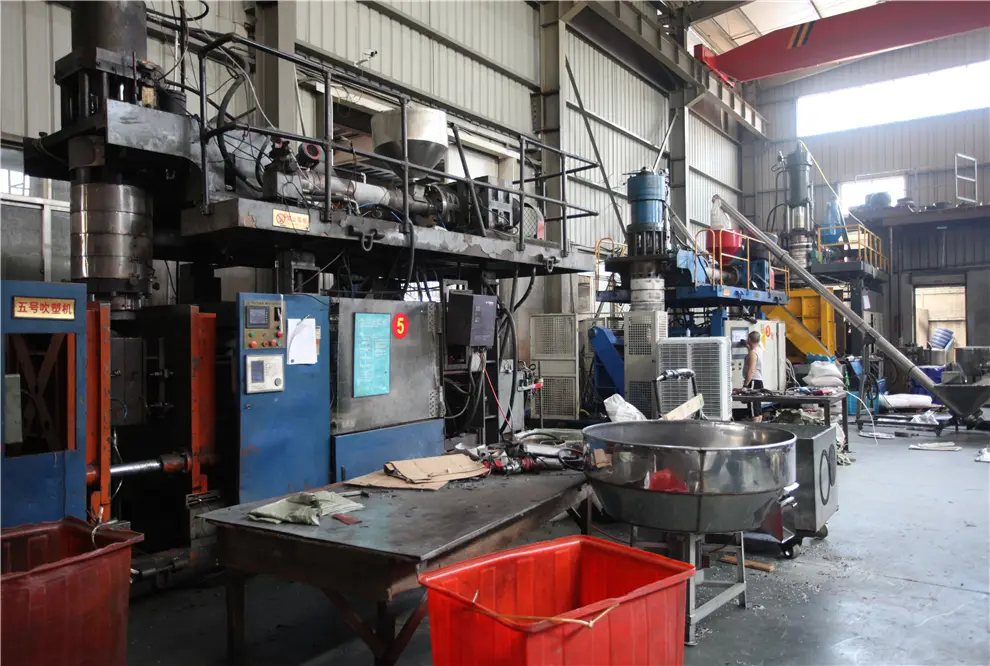
Founded in 2019, Shenghuang Industrial & Trade Blow Molding Factory has built a reputation as a leading global manufacturer in the plastic blow molding sector. Headquartered in Huangyan, Taizhou, Zhejiang—the manufacturing heartland of high-precision molds and automated machinery—we have evolved into an essential supply partner for heavy industries worldwide.
Our facility houses state-of-the-art automated blow molding production lines. This allows us to produce high-precision, thick-walled HDPE modular pontoons, marine accessories, fuel tanks, and heavy-duty blow-molded custom applications. Operating strictly under the ISO 9001 quality management framework, we guarantee trace-monitored manufacturing from raw polymer resin imports to stress-crack testing of the finished components.
Our multi-layer extrusion blow molding machines ensure uniform wall thickness across all corners of our modular floats, eliminating thin spots vulnerable to puncturing by sharp winter ice sheets.
Every manufacturing run undergoes rigorous QC. We measure weld line integrity, load limits, and carry out cold temperature drop testing to meet strict European marine safety standards.
By using 100% recyclable polymers and energy-efficient manufacturing processes, we minimize carbon footprints, helping Norwegian buyers meet local marine zoning requirements.
Combining high-volume production efficiency with strict cold-climate engineering ensures exceptional performance at a competitive cost.
Norwegian projects often need tailored solutions. We offer rapid tooling design and fast prototyping, allowing local operators to quickly adapt dimensions, colors, and layout configurations.
By drawing directly from Taizhou’s massive industrial base, we purchase raw materials at scale and run highly efficient production processes, passing direct-to-factory savings on to our clients.
We blend high-grade UV-15 stabilizers directly into the virgin HDPE matrix. This process prevents photo-degradation caused by long hours of Scandinavian summer sun reflection off the water.
Flexible, modular configurations designed for commercial, municipal, and industrial marine operations.
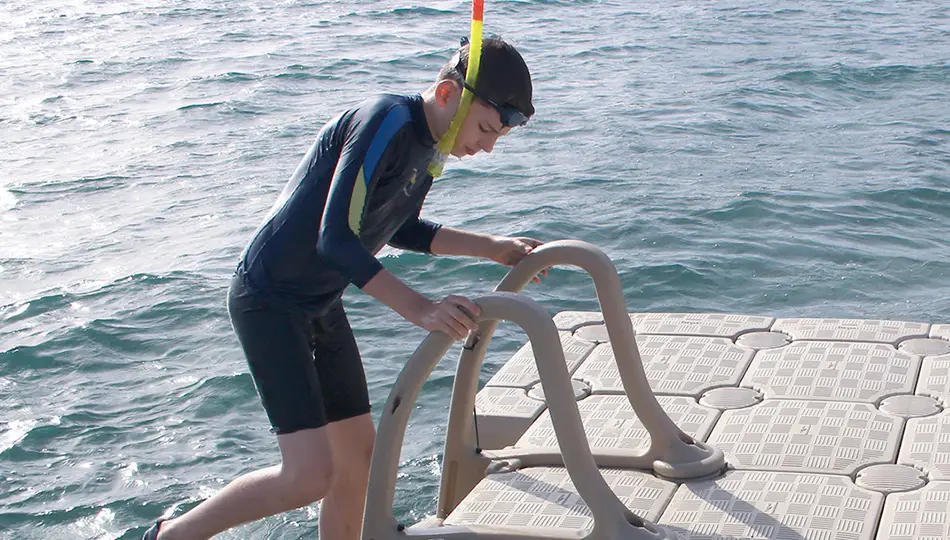
Provides highly stable working platforms, equipment storage, and access walkways adjacent to fish pens, offering high slip resistance even when coated in sea ice.
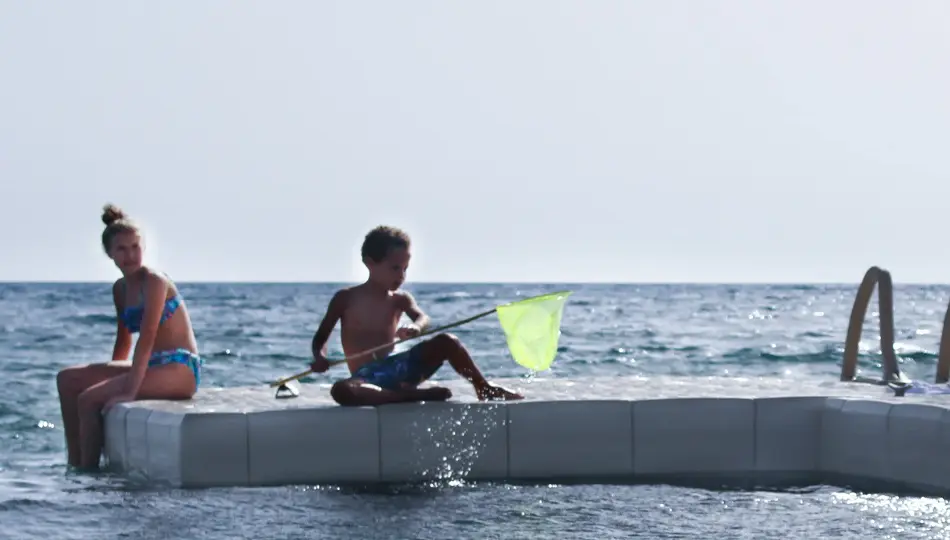
Allows cost-effective extension of public walkways and boat slips along steep fjord shorelines, adapting naturally to seasonal tide variations.
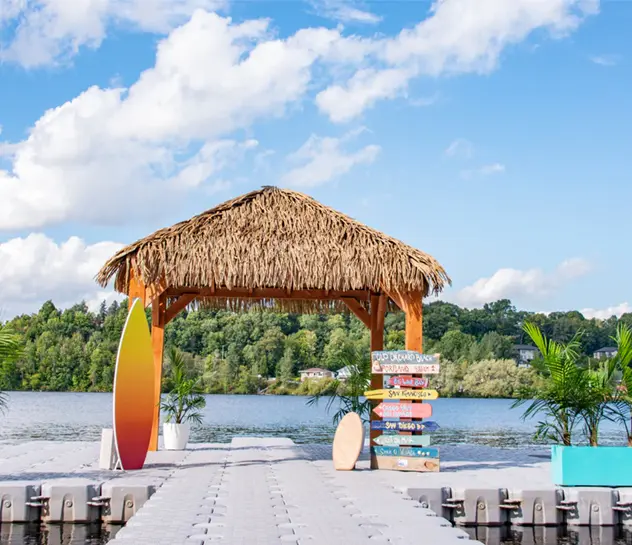
Acts as highly reliable, modular sub-structures for green solar panels on water reservoirs, maintaining stability against heavy wind shear.
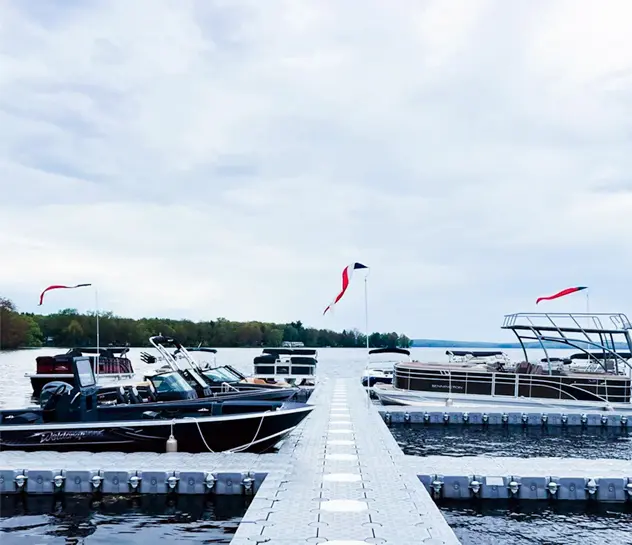
Our heavy-duty modular platforms withstand passenger loading and light vehicle freight transfer in coastal ports.
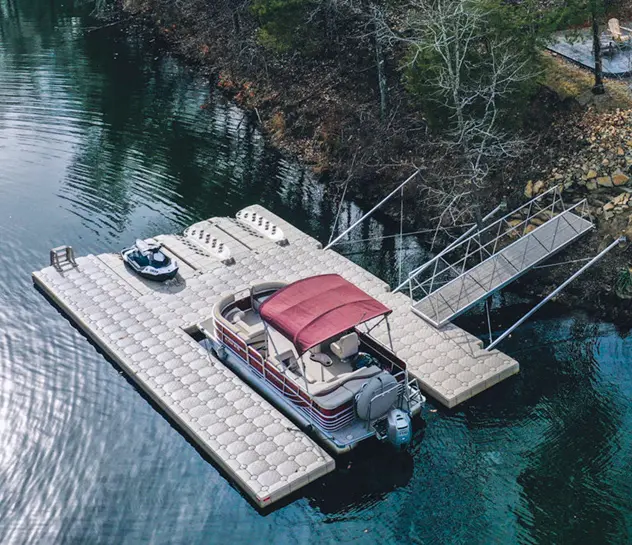
Perfect for floating saunas, boat rentals, and hotel watersports platforms. Designed for fast assembly and off-season storage.
Complete your offshore setup with heavy-duty components built to the same strict standards as our modular pontoons.
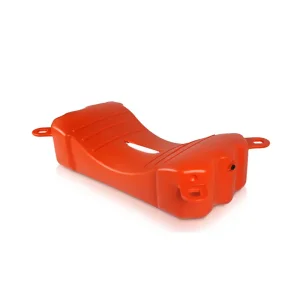
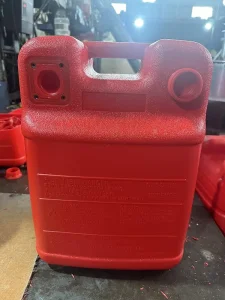
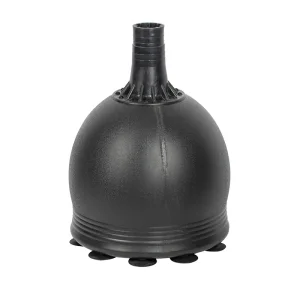
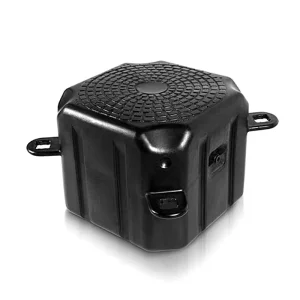
Our comprehensive range of modular pontoons configured for commercial harbors and rugged coastlines.
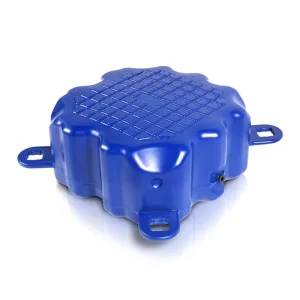
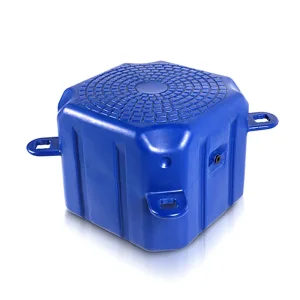
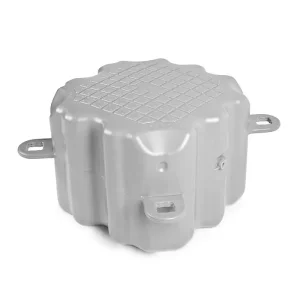
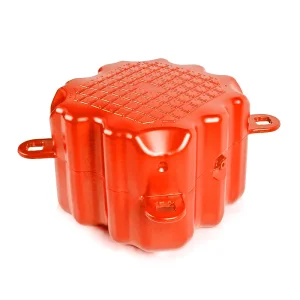
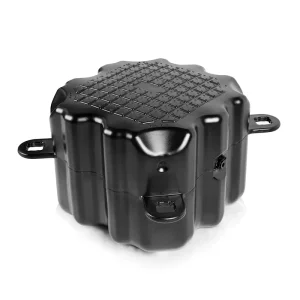
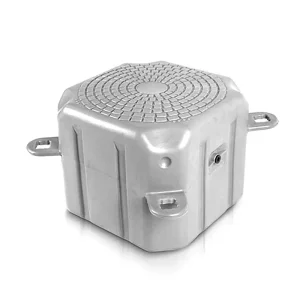
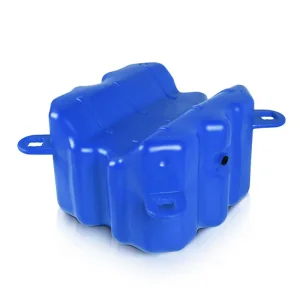
Every modular cube is manufactured to withstand high-latitude marine environments.

Continuous testing from raw polymer melt indexes to finished product wall thickness profiles.
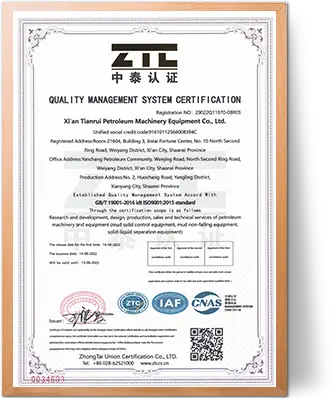
Meets all European requirements for load-bearing capacity, stability, and slip-resistant surfaces.

Engineered without heavy metals or chemical leaching, protecting fragile fjord ecosystems.
Technical information regarding installation, winter durability, and shipping logisitics to Norway.
Our floating dock systems are highly durable due to their modular construction. In storm conditions, the interlocking pin-and-loop connections flex dynamically to distribute wave energy across the entire structure, rather than resisting it rigidly. For areas prone to high winds and storm surges, we recommend using our specialized heavy-duty mooring brackets, chain anchors, and elastic pile guides to secure the system.
Yes. If you are located in a region without a local dealer, we ship directly from our factory in China to your closest Norwegian cargo terminal (e.g., Oslo, Bergen, Stavanger, or Tromsø). We handle export documentation and coordinate with local freight forwarders to ensure a smooth delivery to your site.
Absolutely. The dock is designed for year-round use, even in freezing saltwater and freshwater. The unique 45-degree angle of the modular cubes allows the structure to slide up on top of expanding sheet ice rather than getting crushed by lateral pressure. It can remain in the water throughout the Scandinavian winter.
The primary concern with ice is movement and water currents. In calm areas where ice thaws and melts in place, the dock can remain in the water safely. However, if your installation is in a channel with heavy tidal currents and large, moving ice blocks, we recommend hauling the dock out for the winter, as moving ice can shear anchoring lines and damage the structure.
For safety and stability, a walking platform or gangway should be at least three cubes wide (approximately 1.5 meters). Each individual cube provides about 90 kg (200 lbs) of buoyancy, and a three-cube-wide layout ensures the platform remains stable under foot traffic, even with off-center loads.
Yes. The modular cubes have a shallow draft, drawing only 5 to 10 cm (2 to 4 inches) of water when unloaded. The dock can rest directly on sandy or muddy bottoms during low tide without structural damage. It is important to ensure there are no sharp rocks or debris underneath, and that the water is deep enough at the end of the dock to allow boats to back off safely.
Shenghuang began manufacturing floating docks in 2019 and has grown into one of China's leading exporters. We subject our raw materials to melt flow index tests and run finished products through inflation, low-temperature drop, and diagonal tensile strength tests. This rigorous process ensures every batch meets international quality standards before export.
Whether you are planning a municipal marina in Bergen, an industrial aquaculture facility in Tromsø, or a private boat dock along the Oslo Fjord, our engineering team is here to assist. Contact us today for technical specifications, load calculations, and a direct-from-factory quote.
 ShengHuang