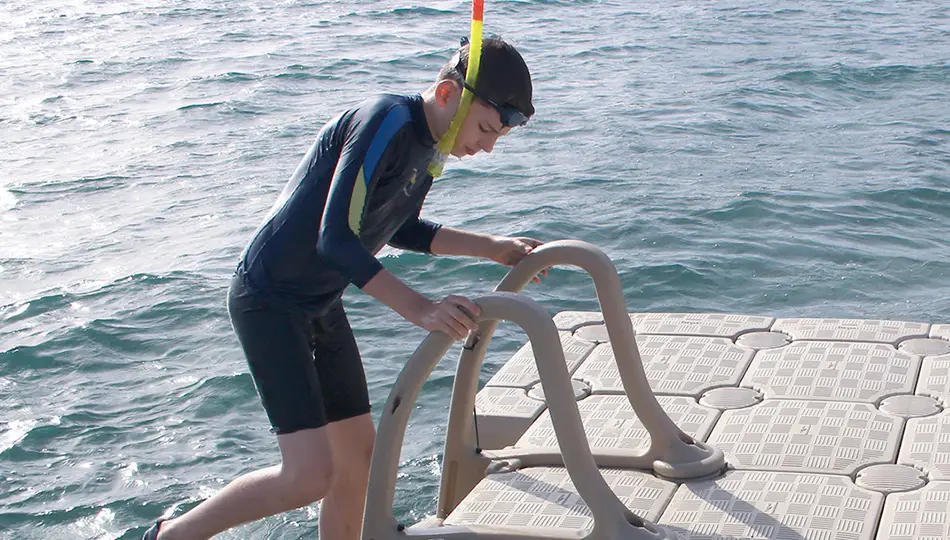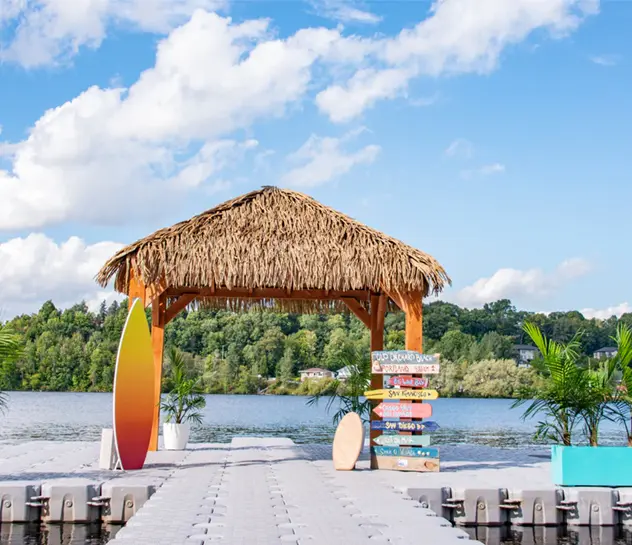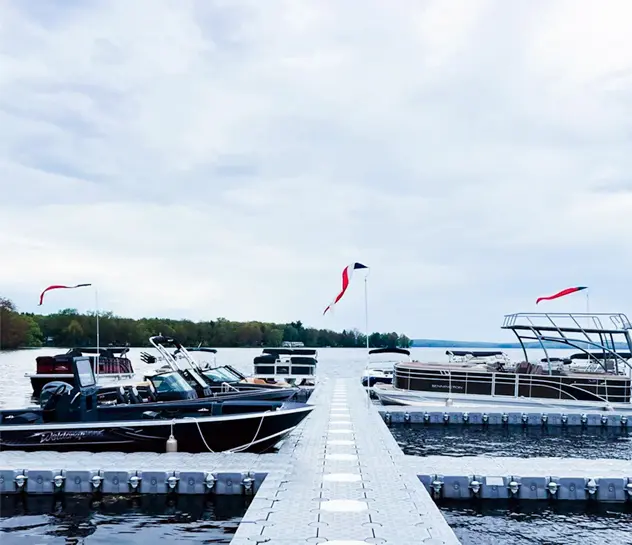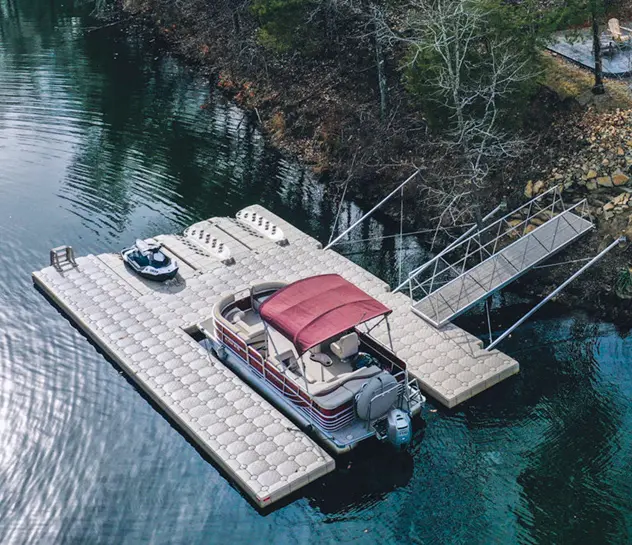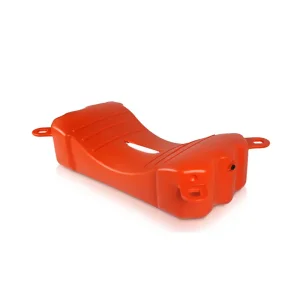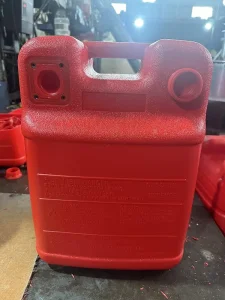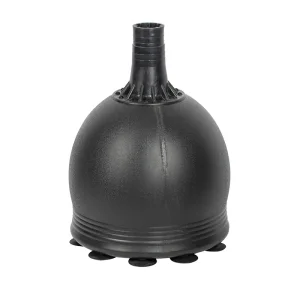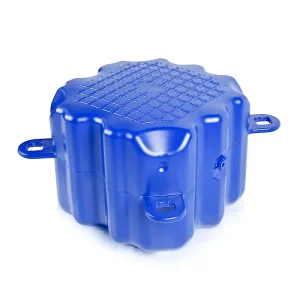
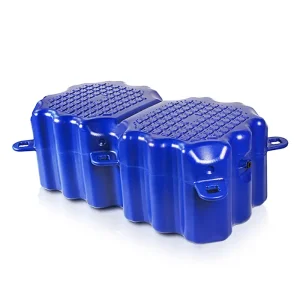
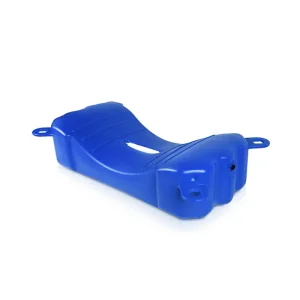
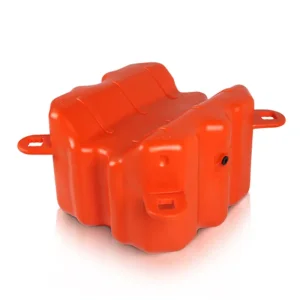
As South America's Pacific gateway undergoes a transformative logistics boom—led by the mega-port developments in Chancay and the expansion of the Callao port terminal—the demand for highly modular, durable, and environmental-grade marine infrastructure in Peru has reached an unprecedented scale. Traditional concrete and timber marine systems are increasingly being replaced by High-Density Polyethylene (HDPE) modular pontoon systems. These advanced structural materials offer superior chemical, physical, and environmental properties, tailored precisely to the diverse geography of Peru.
In high-altitude regions like the Andes (e.g., Lake Titicaca at 3,812 meters above sea level), traditional structures suffer accelerated breakdown due to intense UV index ratings (often exceeding UV 15+) and rapid day-to-night thermal cycling. High-density blow-molded HDPE pontoons, embedded with proprietary UV stabilizers, resist photo-degradation and maintain structural flexural modulus even under sub-zero temperatures. Furthermore, in mining tailing ponds across the Andes, these inert plastic pontoons serve as essential rafts for pumping machinery, offering complete resistance to acidic and alkaline solutions.
Globally, the shift toward sustainable blue economies requires structural components to leave zero toxic residues. Modern blow-molding factories utilize 100% recyclable, food-grade virgin HDPE polymers. Peru's booming aquaculture sector (anchovies, trout, tilapia) and expanding ecotourism corridors in Paracas, Iquitos, and Lima depend on floating systems that comply with DICAPI (Dirección General de Capitanías y Guardacostas) regulations. Our pontoon solutions fulfill these demands, presenting a cost-effective, easily transportable, and long-lasting alternative to heavy marine civil works.
Shenghuang Industrial & Trade Blow Molding Factory, founded in 2019, is a leading innovator in the plastic blow molding industry. With its headquarters located in Huangyan, Taizhou, Zhejiang—an area globally renowned for its robust tooling and manufacturing infrastructure—the company has quickly grown into a trusted supplier of high-quality blow-molded products across multiple sectors, including packaging, automotive components, consumer products, and advanced environmental systems.
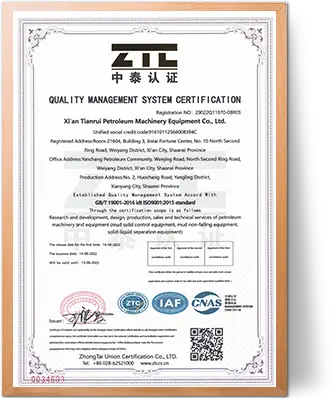
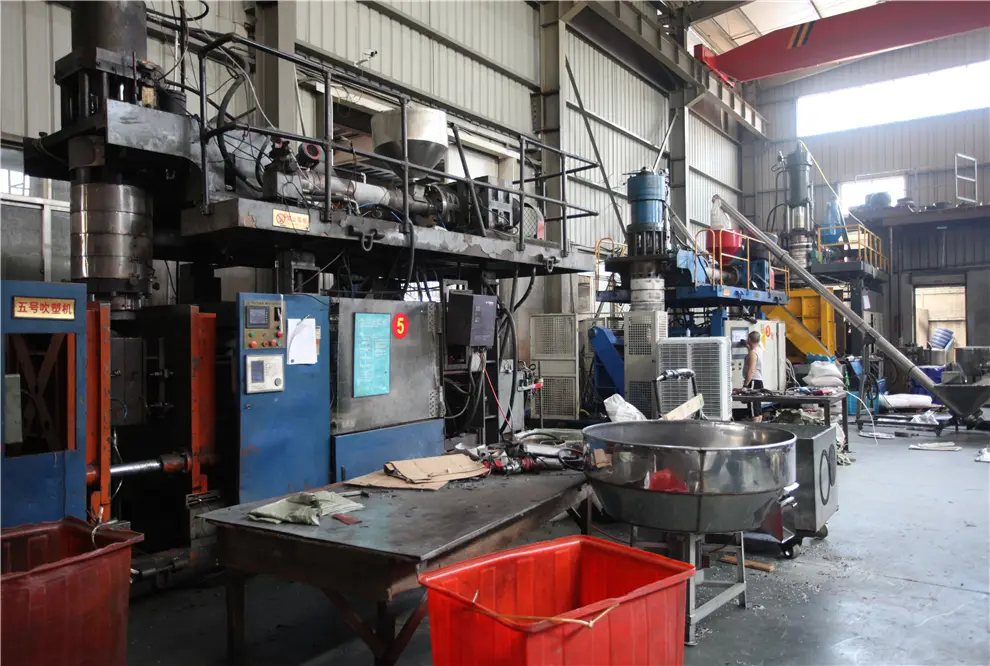
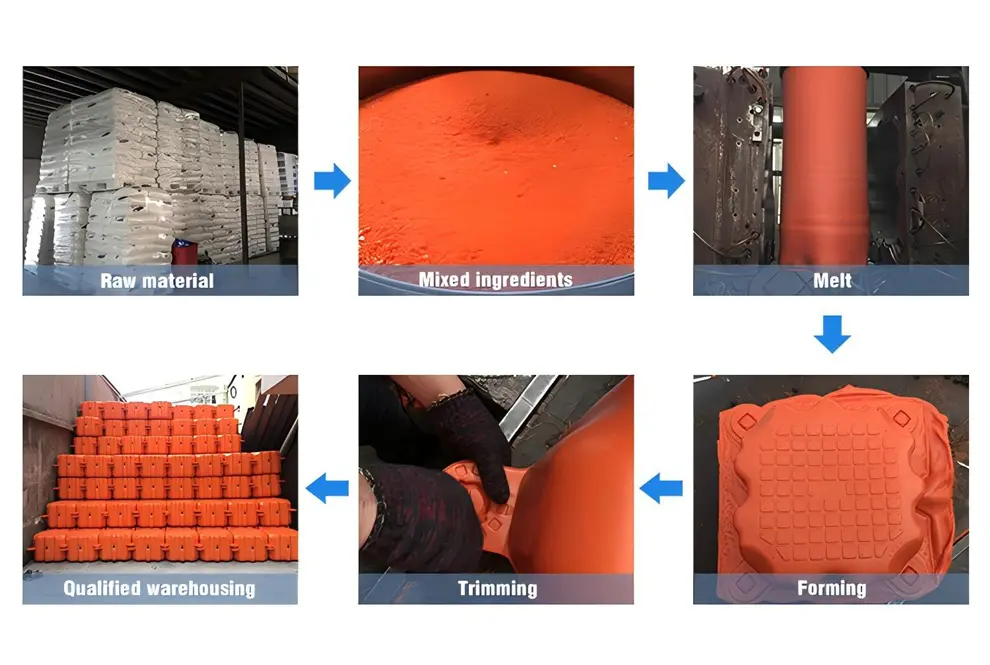
The factory is equipped with state-of-the-art automated blow molding production lines, which allow Shenghuang to efficiently produce a wide range of plastic products, such as plastic containers, bottles, pontoons, automotive parts, and custom-designed solutions. These advanced production lines ensure that Shenghuang can meet the growing demand for high-precision, durable, and cost-effective plastic products. The company adheres strictly to the ISO 9001 quality management system, ensuring that every stage of production—from raw material procurement to final product testing—meets stringent quality standards.
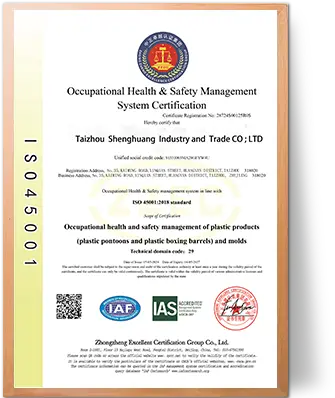

One of Shenghuang's key strengths is its commitment to environmental sustainability. The company actively promotes green manufacturing practices by using recyclable and eco-friendly materials in its production processes. Shenghuang continuously invests in research and development to enhance its products' environmental footprint, reducing waste and energy consumption while ensuring that all products comply with global environmental regulations.
In addition to its dedication to sustainability, Shenghuang places a strong emphasis on technological innovation. The company boasts a dedicated R&D team focused on developing new high-performance materials and advanced molding techniques to meet the evolving needs of its customers. This focus on innovation allows Shenghuang to offer a wide variety of customized solutions that are tailored to specific customer requirements.
Shenghuang partners with leading enterprises globally to implement state-of-the-art polymer logistics systems and floating installations.










Peru's complex topography requires versatile, lightweight solutions. Heavy machinery is costly to transport across the Andes or deep into the Amazon. Shenghuang's modular pontoon systems solve this issue, offering excellent load performance and easy logistics.
As the global shipping sector focuses on decarbonization, marine floatation structures must evolve. Shenghuang's engineering department is building modular systems designed for the future:
We are currently testing bio-derived polyethylene (Bio-HDPE) derived from non-food agricultural waste. This material matches the tensile strength of petrochemical HDPE while lowering the manufacturing carbon footprint by up to 45%.
Next-generation pontoons will feature built-in slots for telemetry devices, monitoring water temperature, load deflection, and structural integrity. This is highly useful for mining tailings ponds and remote aquaculture farms in Peru.
Our goal is to remain a leading supplier in the global blow-molded plastics market, providing Peru and South America with high-performance, eco-friendly, and cost-effective floating infrastructure.
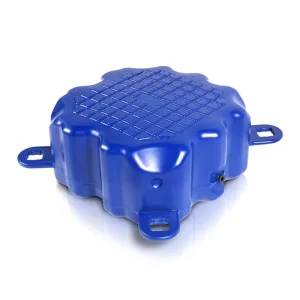
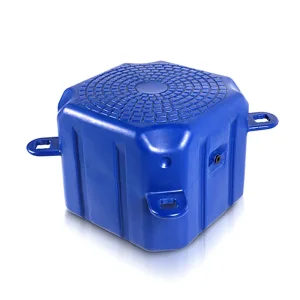
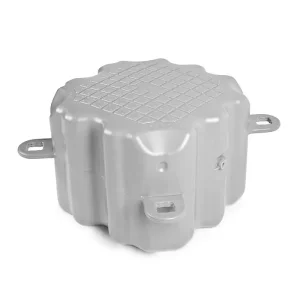
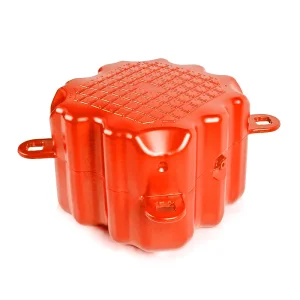
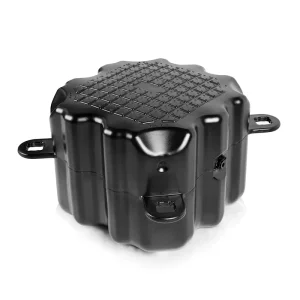
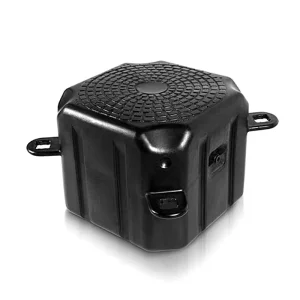
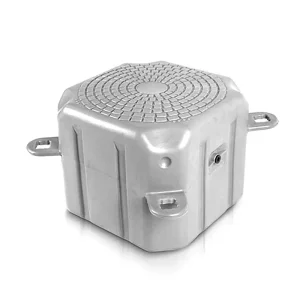
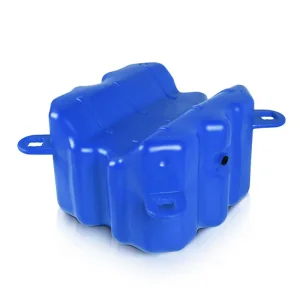
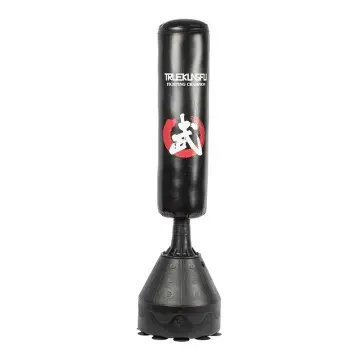
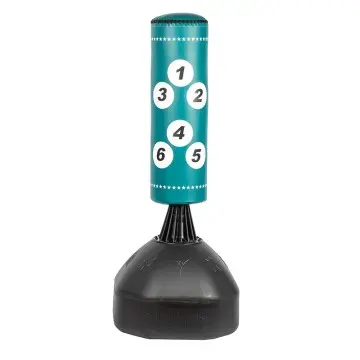
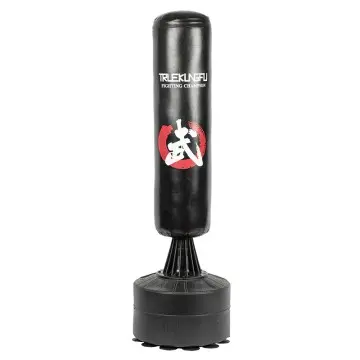
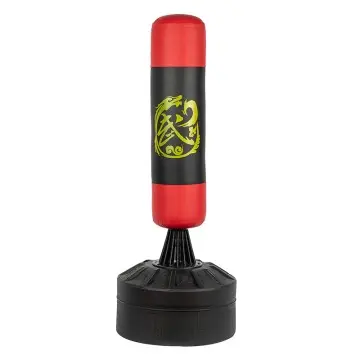
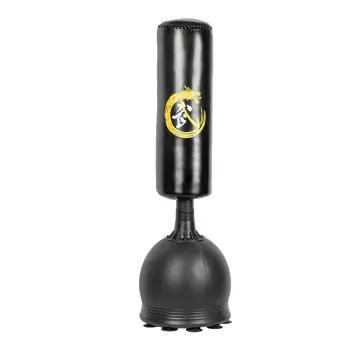
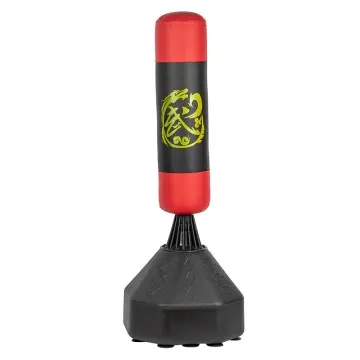
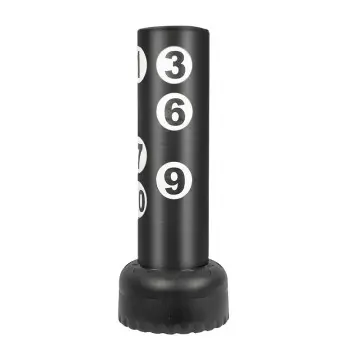
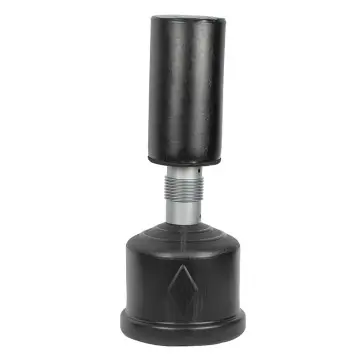
Leveraging our advanced manufacturing facility's extrusion blow molding capabilities, we produce high-durability, impact-resistant industrial counterweights and heavy training sandbags.
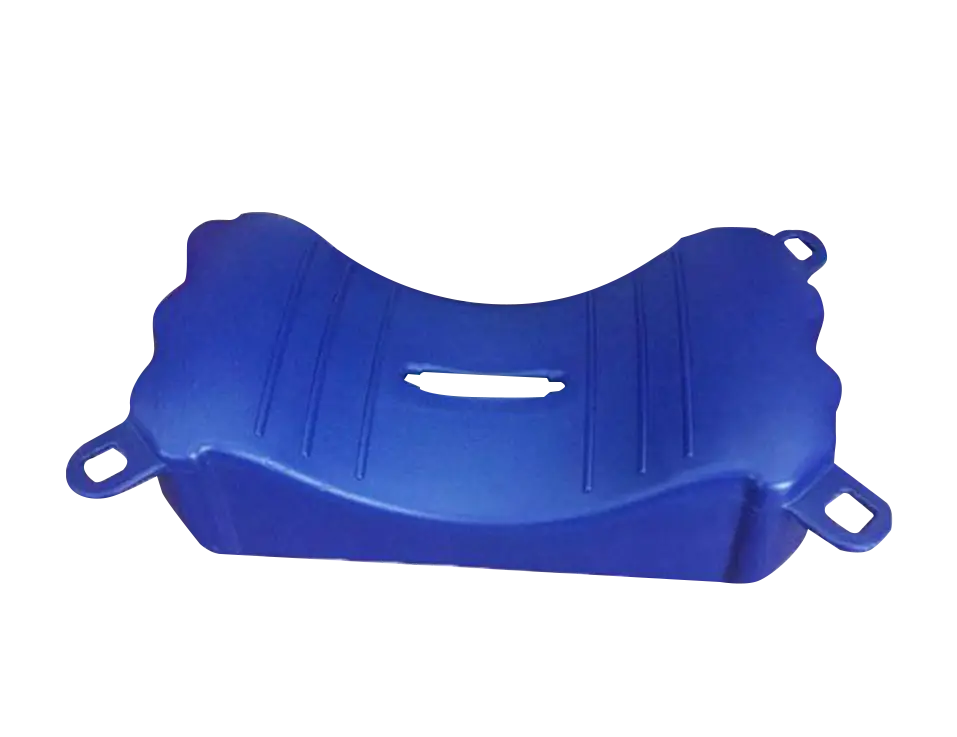
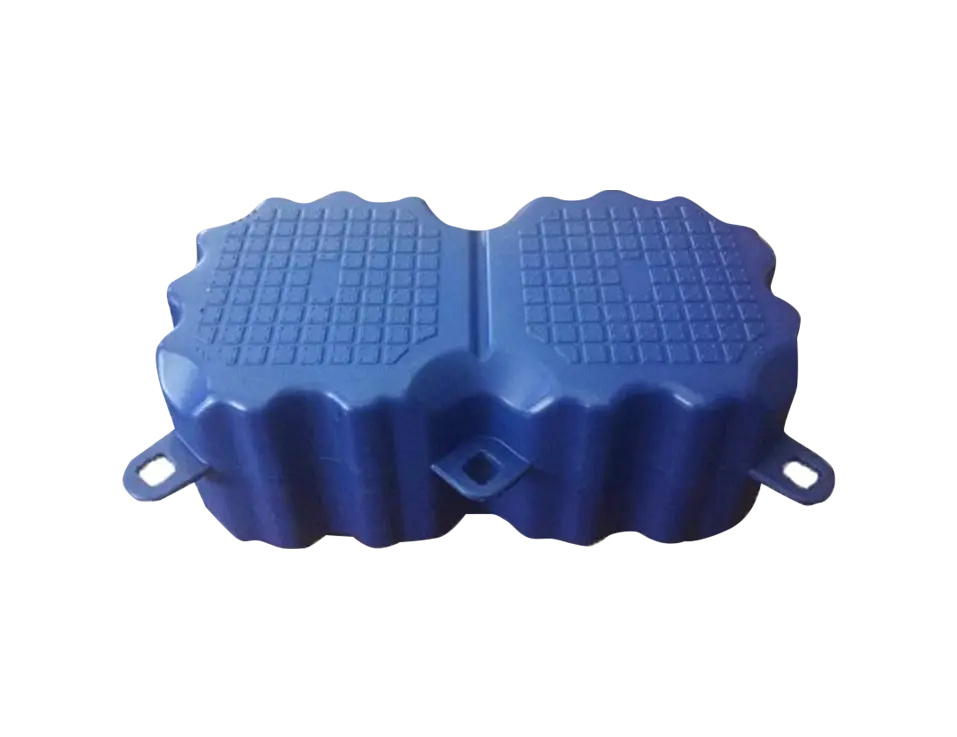
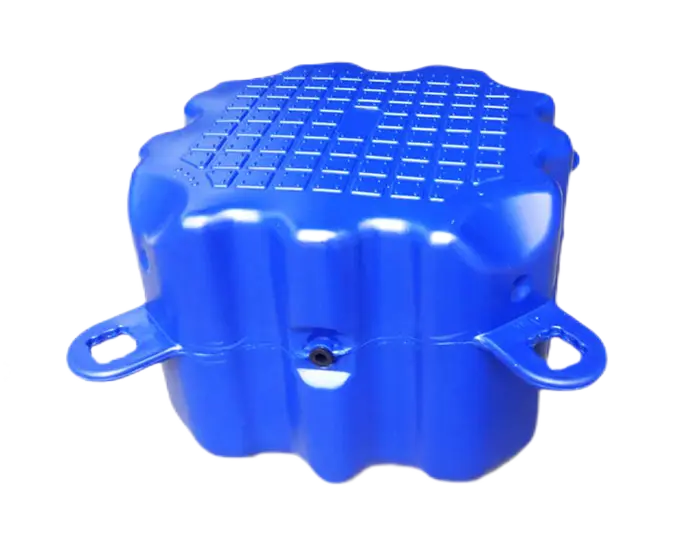
Our modular design distributes wave energy across dynamic inter-locking connection pins, allowing the platform to flex with coastal swells rather than resisting them. Docks installed in coastal zones like Callao and Paracas successfully withstand moderate storm surges and tidal shifts when configured with correct elastic mooring cables and anchor chains.
Yes, absolutely. We regularly ship modular pontoon components directly from our manufacturing base to major ports like Callao and Paita. From there, we coordinate regional logistics to inland cities (like Puno, Iquitos, or Cajamarca) via local freight terminal transport systems.
Yes. The premium high-density polyethylene polymer allows the dock to withstand extreme cold. The angled sidewalls of each cube allow the platform to pop up on top of surface ice as it compresses, preventing structural damage.
Moving ice or strong currents exert shear forces. In areas with moving ice, we advise temporarily removing or securing the modular dock. For fast river flows, like those in the Amazon River basin during the rainy season, heavy-duty piling guide brackets or sliding anchor assemblies must be used.
For safe B2B applications, public eco-tourism walkways, or marine gangways, we recommend a minimum width of three cubes (approximately 1.5 meters). This width, combined with individual cube buoyancy (approx. 90kg/200 lbs per cube), ensures high stability and safety.
Yes, our cubes draft only 5 to 10 cm of water when unloaded. The dock can settle on mud or sand during low tides without damage. The only requirement is ensuring enough water depth at the launch end for boats to back off.
Our factory began manufacturing floating docks in 2019. We have developed into a top supplier in China, delivering high-performance blow-molded docks to clients across Asia, Europe, and the Americas.
Get in touch with our design engineers for high-buoyancy industrial calculations, CAD layout support, and direct factory pricing for the Peru market.
Send Inquiry Now ShengHuang