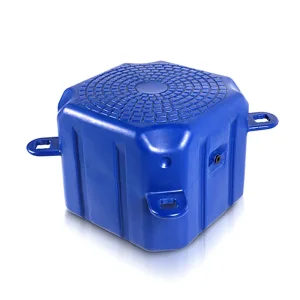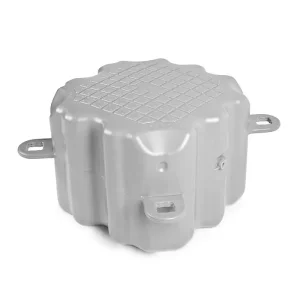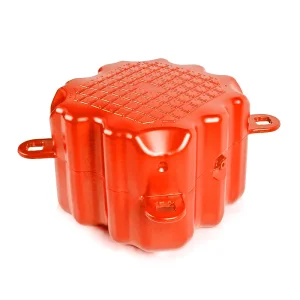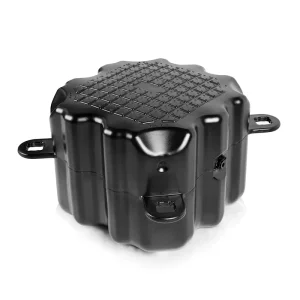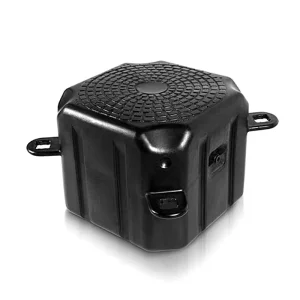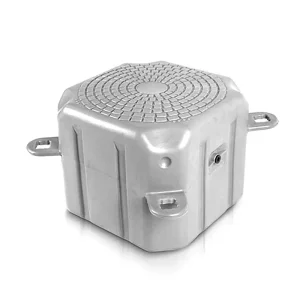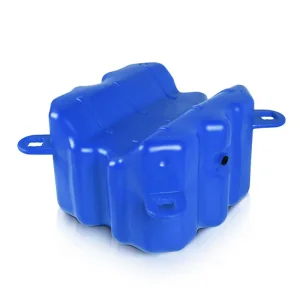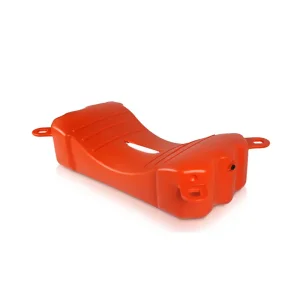
Pontoons Factories & Manufacturer serving Panama

Premium High-Density Polyethylene (HDPE) Modular Floating Docks and Industrial Marine Infrastructure Engineered for Panama Canal Logistical Hubs, Marina Developments, and Tropical Eco-Tourism Basins.

Send Inquiry Now

Industrial Marine Footprint in Central America

Panama's unique geography as the crossroads of global commerce requires marine infrastructure that performs flawlessly under severe hydrodynamic load and tropical weather conditions. From the busy shipping lines of the Panama Canal to the remote tourist harbors of Bocas del Toro and San Blas, floating modular pontoons have become a critical asset class for commercial operations.

Traditional wood, metal, or concrete docks are prone to accelerated degradation due to high salinity, boring organisms, and extreme UV rays. Our High-Density Polyethylene (HDPE) modular pontoon systems offer a zero-maintenance, structurally sound alternative that withstands wave action, chemical exposure, and temperature variances typical of the Panamanian coast.

Panama Commercial Dock Requirements

We engineering and customize floating docks to meet the stringent standards of Panamanian maritime authorities, guaranteeing:

  • Excellent stability under 350 kg/m² vertical load loads
  • Anti-slip surface profile tested for high-humidity climates
  • Eco-compatible HDPE that releases zero contaminants into pristine ecosystems
  • UV-resistant formulation preventing structural cracking under intense equatorial sun
  • Highly flexible interlocking designs to manage tidal shifts up to 6 meters
2019
Established Since
350kg/㎡
Standard Buoyancy
ISO 9001
Quality Certified
100%
Recyclable Materials

Technical Whitepaper: Evolution of Floating Docks in Panama's Marine Logistics

Modular Elasticity

Our pontoon modules absorb dynamic wave energy. Rather than resisting forces rigidly, the interlocking system deflects kinetic pressure across the entire modular assembly, minimizing mechanical stress on anchor piles and shore connections.

Chemical Inertness

Panama's high tropical humidity accelerates decay in metal and timber. HDPE is entirely immune to biological decay, rot, and marine wood borers (Teredo navalis), delivering a service life of over 15 years without toxic chemical sealants.

Extreme Hydro-Stability

Featuring a proprietary concave-convex bottom profile, our pontoon cubes generate high surface tension, maximizing grip on the water. This increases lateral stability, making them safe for pedestrian traffic and heavy logistics loading.

Panama's Local Marine Infrastructure Challenges

Panama operates two distinct coastlines: the Caribbean and the Pacific, connected by the famous Panama Canal. Each shoreline presents unique challenges for floating structures. The Pacific coast experiences significant tides, sometimes exceeding 5-6 meters, which requires specialized anchoring layouts like sliding pile guides or self-adjusting winch setups. Meanwhile, the Caribbean coast has smaller tides but high swell energy and coral environments where permanent concrete structures are environmentally restricted.

By using modular HDPE floating pontoons, engineering firms can build floating installations that dynamically rise and fall with the tides without placing high stress on anchor points. This flexibility is critical for commercial shipping terminals in Colon and Balboa, where support vessels and pilot boat crews need safe boarding areas at any tide stage.

Global Marine Infrastructure Trends: The Shift to Polyethylene

Globally, maritime authorities and engineering consultancies are shifting away from traditional wood and steel docks. Wood docks require regular chemical treating with hazardous compounds like Chromated Copper Arsenate (CCA), which can leach into sensitive marine ecosystems. Steel docks require sacrificial anodes, regular painting to combat corrosion, and are prone to rust damage over time.

High-Density Polyethylene has emerged as the premier green material for modern maritime installations. It is non-toxic, completely recyclable, and has a lower carbon footprint over its lifecycle than reinforced concrete. In tropical climates like Central America, where sunlight degrades polymer chains, our pontoons stand out because we blend high-grade carbon-black and UV-stabilizers directly into the raw HDPE feedstock before blow molding, guaranteeing long-term UV resistance and mechanical strength.

China Factory 4.0: Supply Chain Resilience & Cost Optimization

Based in Taizhou, Zhejiang, our manufacturing plant operates automated blow-molding lines that produce consistently high-quality polymer products. In today’s competitive global market, supply chain resilience is just as important as product specifications.

Our Factory 4.0 setup includes raw material sourcing, automated parison control systems, online quality checking, and robotic packaging lines. This high level of automation allows us to offer short lead times for container-load exports to Latin America. By shipping directly from our factory to major hubs like Balboa or Cristobal in Panama, we help project developers buy direct, avoiding expensive distributor margins and ensuring that materials arrive exactly on schedule.
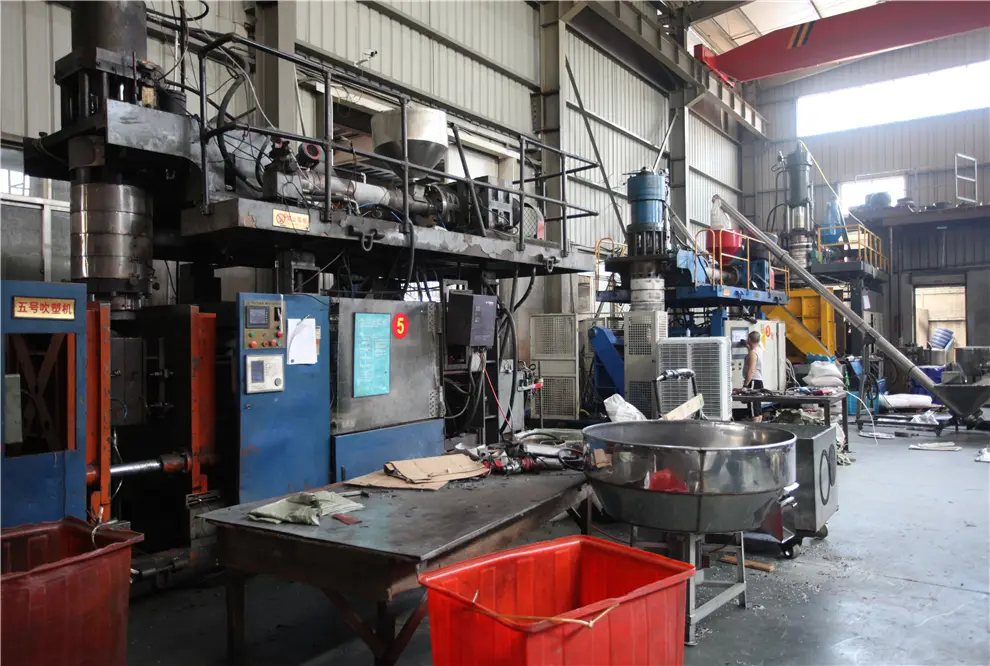
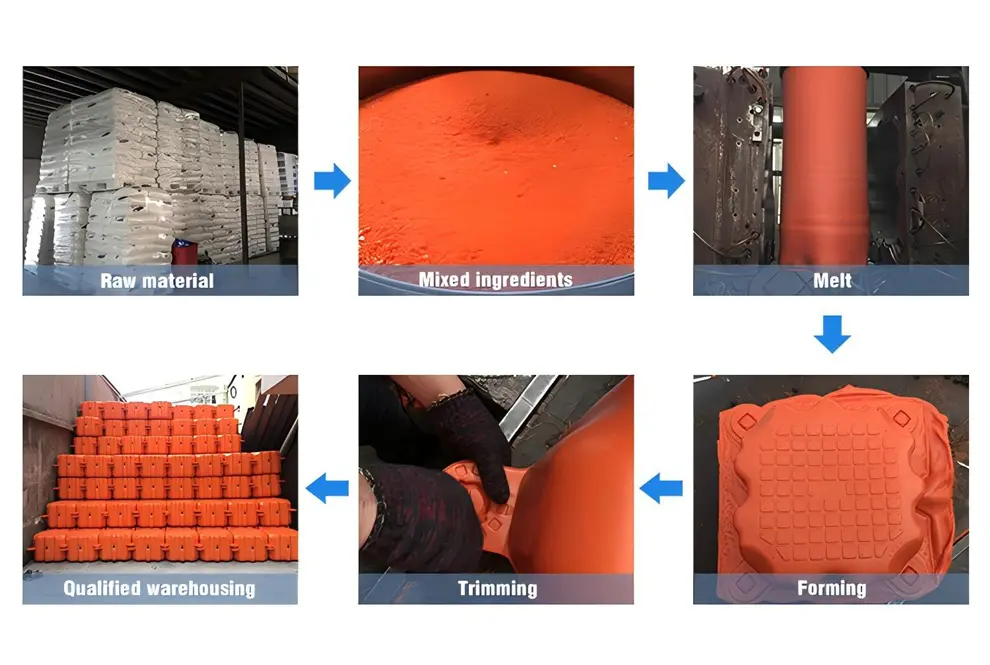
Shenghuang Factory Operations
Shenghuang Raw Material Testing Shenghuang Factory Line

Shenghuang Industrial & Trade Blow Molding Factory

Founded in 2019, Shenghuang Industrial & Trade Blow Molding Factory is a leading innovator in the plastic blow molding industry. Located in Huangyan, Taizhou, Zhejiang—an area known for its robust manufacturing infrastructure—the company has quickly grown into a trusted supplier of high-quality blow-molded products across multiple sectors, including packaging, automotive parts, household appliances, and environmental applications.

Our production facilities feature state-of-the-art automated blow molding lines that allow us to produce high-precision, durable, and cost-effective plastic products. We adhere strictly to the ISO 9001 quality management system, checking every stage of production—from raw material inspection to final buoyancy and drop-weight testing.

As a global partner, we focus on technical innovation and sustainable manufacturing. We continually invest in new material formulations to improve product strength, durability, and environmental performance, making us a top choice for projects in Central and South America.

Local Application Scenarios in Panama

Canal Logistical Transit Docks

Ideal for staging areas, crew transfer points, and light utility craft berths near Gatun Lake or Miraflores Locks, where fast setup and reliable buoyancy are essential.

Caribbean Eco-Resort Walkways

Perfect for Bocas del Toro and San Blas resorts. These floating walkways rise and fall with waves without disturbing fragile coral ecosystems below.

Pacific Offshore Aquaculture

Designed for fish farming and open-water research platforms along the Pacific coast, these structures stand up to high wave energy and strong currents.

Premium Modular Dock Designs

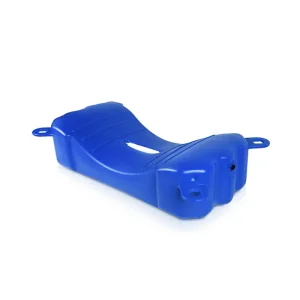
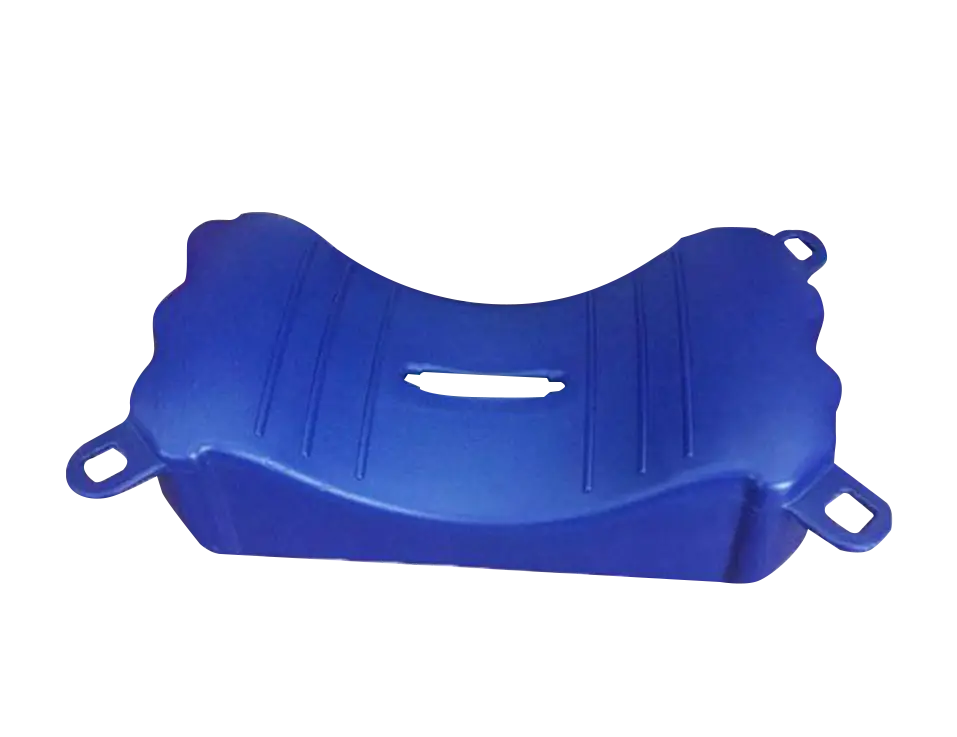
U Floating Dock

U Floating Dock

Optimized for PWC, jet ski, and small boat dry-docking. Safe, easy-to-use drive-on ramp configuration.

Get Tech Specs
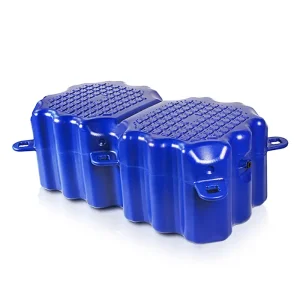
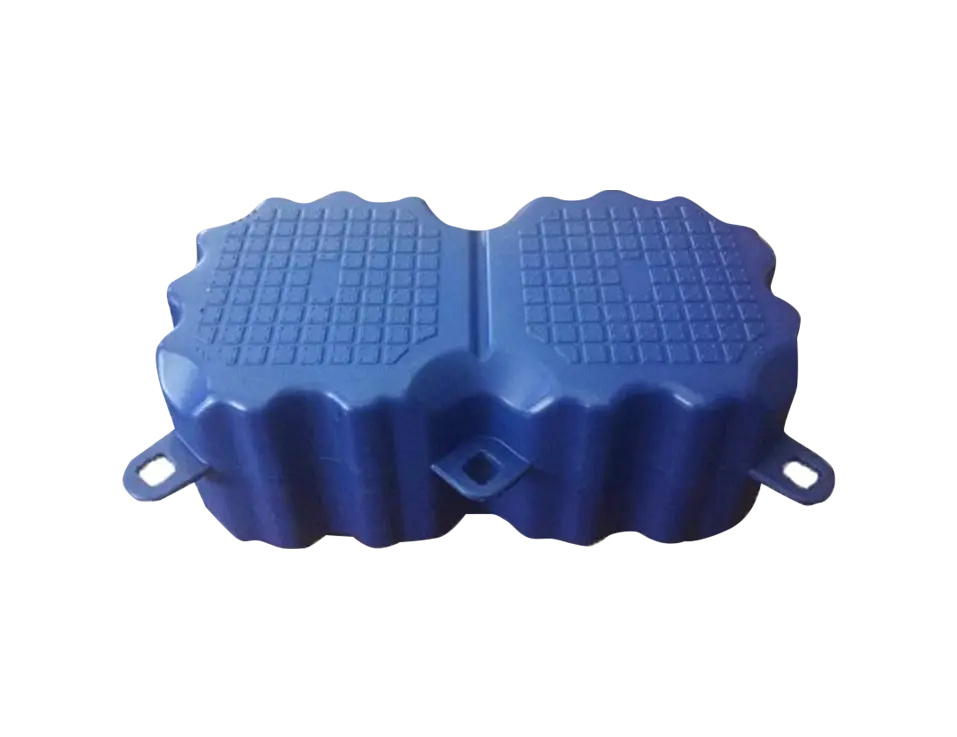
Twins Floating Dock

Twins Floating Dock

Double-connected modular blocks that offer double the stability and load support for commercial traffic.

Get Tech Specs
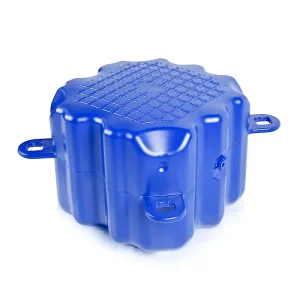
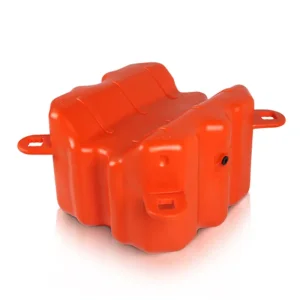
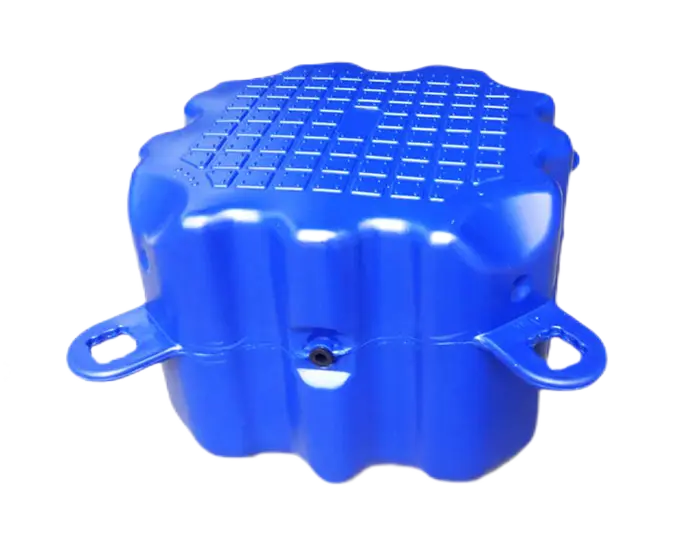
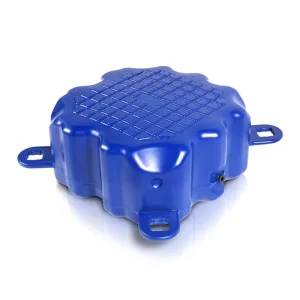
Single Floating Dock

Single Floating Dock

Standard modular cube block. Extremely versatile, easy to customize into almost any floating layout.

Get Tech Specs

Frequently Asked Questions

How do modular HDPE docks handle major tropical storms and tidal shifts in Panama?

Our modular floating docks are built to adapt. In areas with high waves, the individual cubes flex independently rather than fighting the water's force like rigid wood or concrete docks. This dynamic flexibility distributes wave stress across the entire system. When combined with proper anchoring—such as heavy-duty pile guides or self-tensioning cables—our installations stay safe during storms and handle tidal ranges of up to 6 meters without damage.

Can I leave the dock floating in marine environments year-round?

Yes. Our high-density polyethylene (HDPE) blocks are chemically inert and resistant to saltwater, fuel spills, acid rain, and intense UV exposure. They can stay in the water year-round without rot, rust, or degradation. For colder areas or high-altitude reservoirs, they are also designed to withstand ice; the tapered shape of the cubes allows the structure to pop up on top of ice as it freezes, protecting the dock from crushing forces.

What is the minimum configuration width for a safe, stable walking platform?

For standard public or resort walkways, we recommend a minimum width of three cubes (approximately 1.5 meters). This width provides excellent stability and prevents tipping when two people walk past each other. For heavy commercial use or cargo staging, wider configurations can be designed to match your specific loading needs.

Will the modular system work in shallow water or tidal flats?

Yes. The modular cubes draw only 2 to 4 inches (5 to 10 cm) of water when unloaded. When the tide goes out completely, the dock can rest flat on mud, sand, or gravel bottoms. However, it is important that the water is deep enough at the end of the dock where boats approach, allowing them to back off safely without hitting the bottom.

How do we import these pontoons directly from your factory to Panama?

We regularly export container-load orders to major ports in Panama, including Balboa and Cristobal. We handle all export packaging, container stuffing, and shipping documents. Customers can coordinate with their local customs broker in Panama City or Colon to arrange final delivery from the port to the project site.

Ready to Upgrade Your Marine Infrastructure?

Contact our engineering team today for custom layout designs, load calculations, and wholesale factory pricing for your project in Panama.

Send Inquiry Now