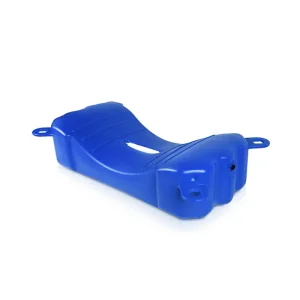
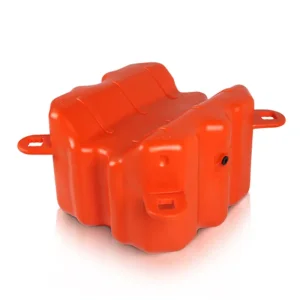
OEM Concave-Convex Shaped Floating Dock - Orange | China Suppliers & Factory for High-Density Polyethylene Solutions Supplier, Suppliers

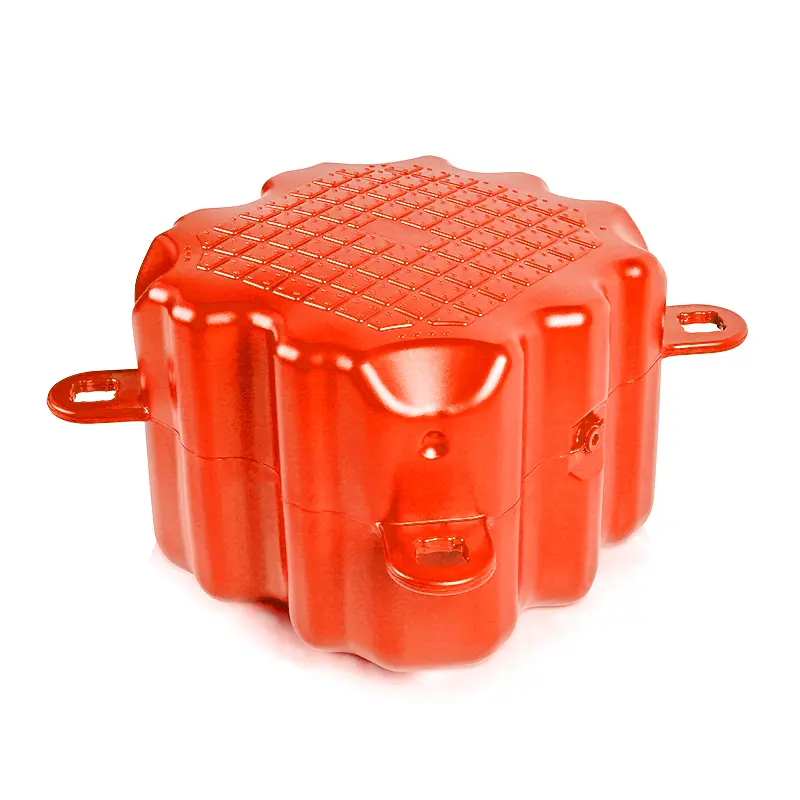
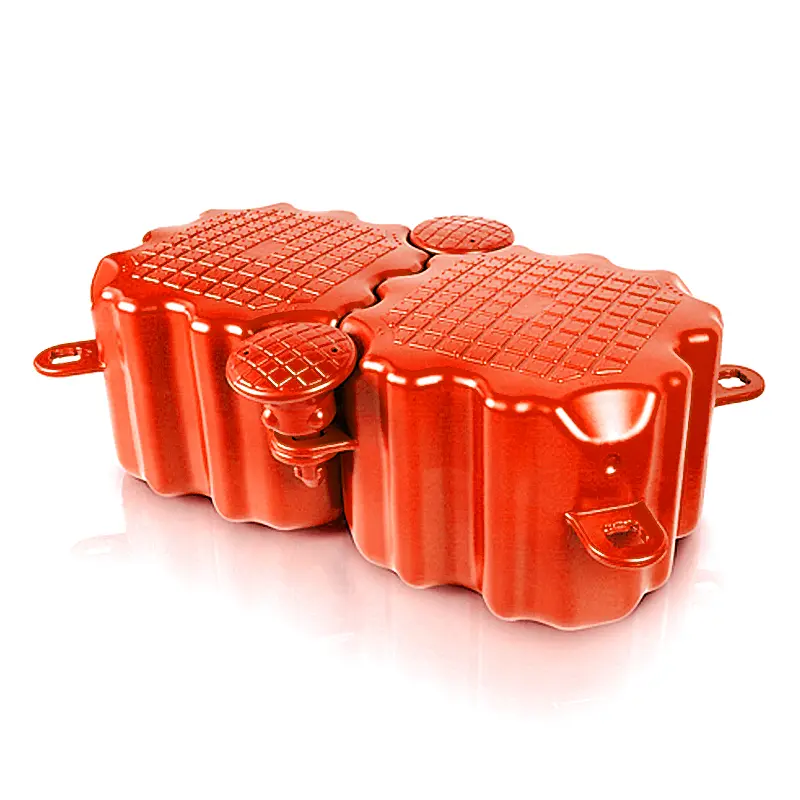
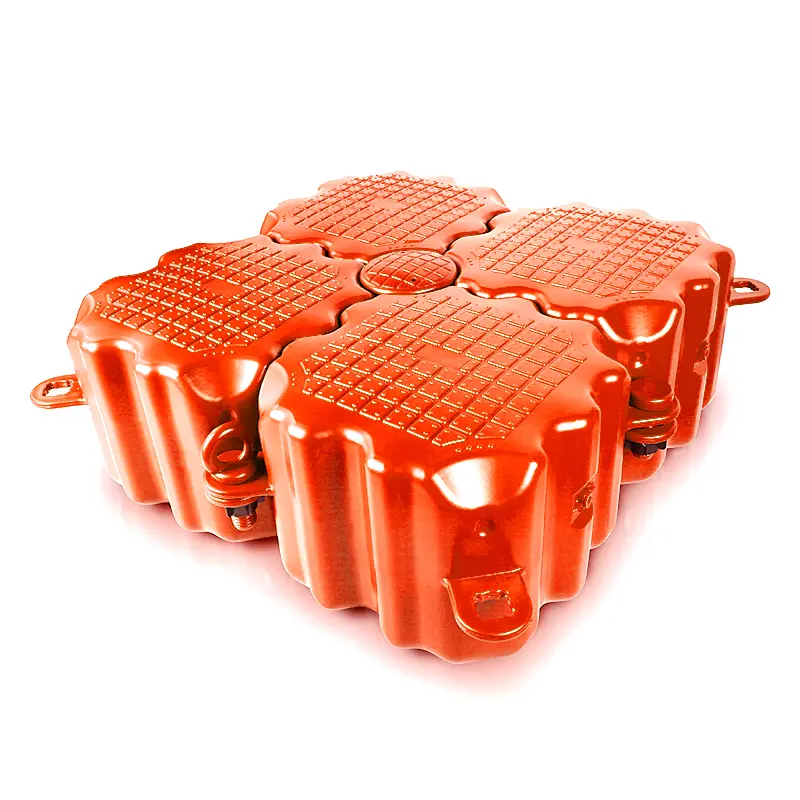
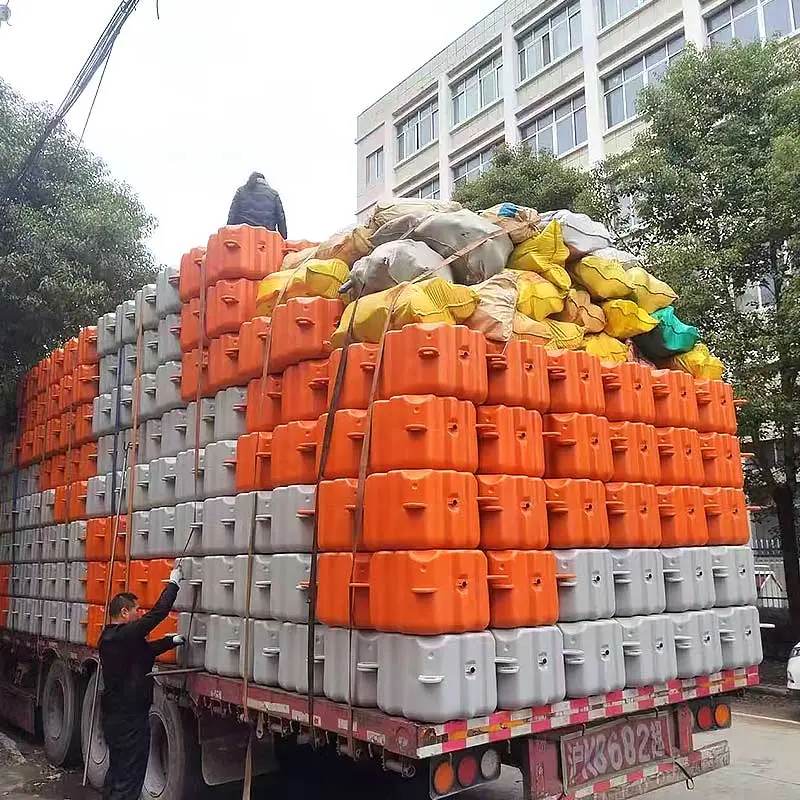
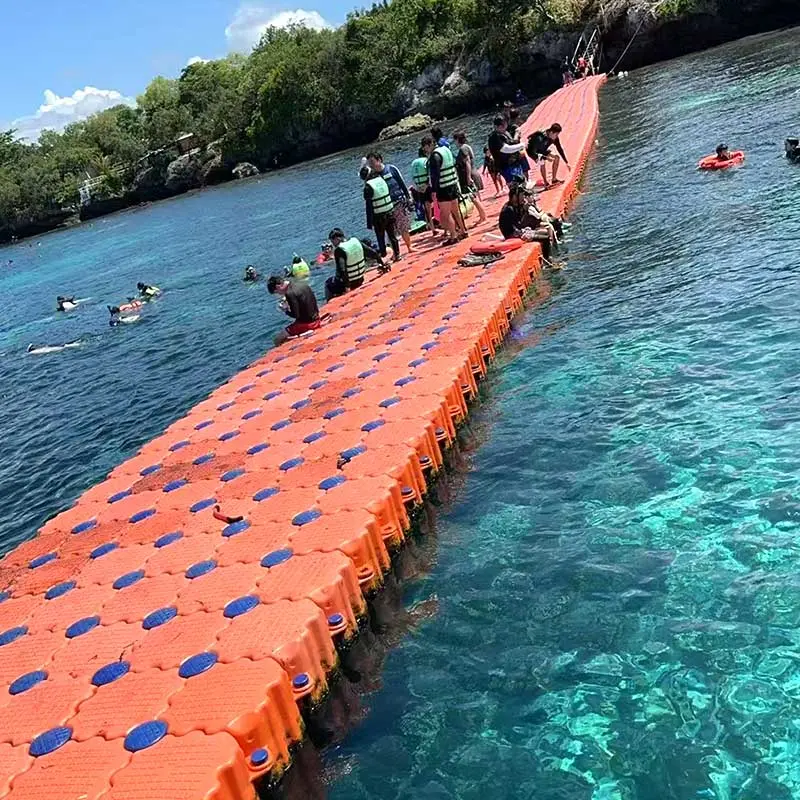
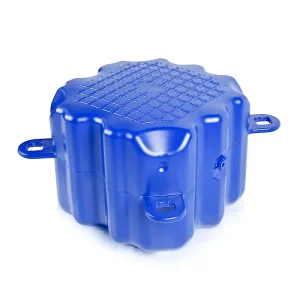
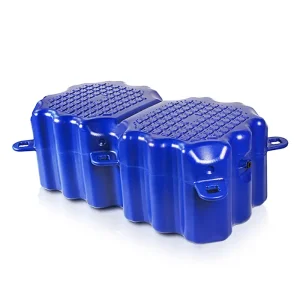
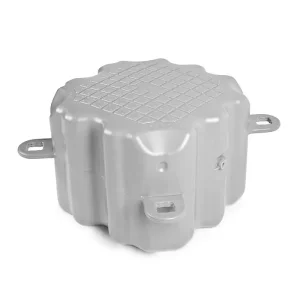
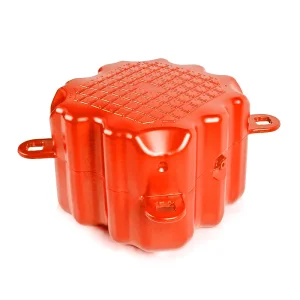
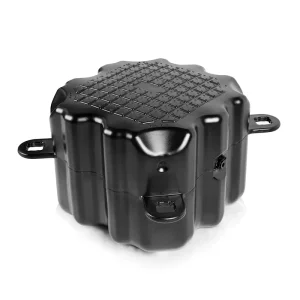
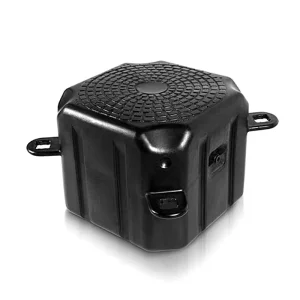
Introducing our premium floating dock solution made from high-density polyethylene (HDPE), designed to provide exceptional durability and buoyancy. With dimensions of 50*50*40cm and a weight range of 6.5-7kg, these docks are perfect for various applications. They can support impressive buoyancy of 300-350 kilograms per square meter, making them ideal for small ponds, wetlands, and event stages, Our floating docks are available in a vibrant orange color, ensuring visibility and safety. As a leading supplier in China, we offer versatile options such as floating plastic walkways and docks with integrated solar lights, enhancing functionality for outdoor events, Included with our docks are essential parts and tools, such as short pins, bolts, washers, and wrenches, allowing for easy assembly and customization. Our factory is committed to providing high-quality products that meet your specific needs for floating solutions. Choose our floating docks for reliable performance and innovative design in any aquatic environment

Product Description

Product Description
Material
  • Usually made of high molecular weight high density polyethylene (HMWHDPE), with a content of ≥ 95%. This material has the characteristics of corrosion resistance, frost resistance, oxidation resistance and UV resistance, and is not eroded by seawater, chemicals, oil stains and aquatic organisms.
  • Some buoys will use polyurethane foam, cross-linked copolymer foam or composite foam materials, etc., to meet different application requirements.
Specifications, Dimensions & Weight
  • 500mm×500mm×400mm: The weight of the buoy is 7 kg ± 0.2 kg.
  • 500mm×500mm×400mm: The weight of the buoy is 6.5 kg ± 0.2 kg.
Performance Characteristics
  • Buoyancy & Load-bearing: A buoy with a size of 500mm×500mm×400mm has a load-bearing capacity of up to 300 - 350 kg/㎡, providing stable support for water facilities.
  • Durability: Integrally formed at one time and seamless. Rated average wall thickness is 7mm, maximum wall thickness is 11mm, and bottom wall thickness is about 3.52 - 4.2mm. Service life is more than 15 years.
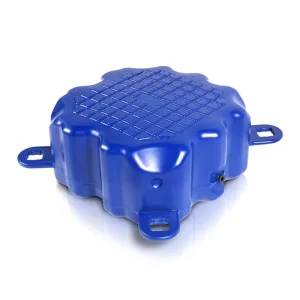
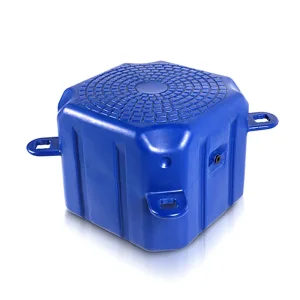
  • Stability: Surface has an anti-slip design, four corners are rounded obtuse angles, and surrounding grooves strengthen stability to prevent shaking or tipping.
  • Environmental Friendliness: Additives like antistatic agents, antioxidants and UV-resistant agents meet health standards, ensuring pollution-free use that does not damage the environment.
Application Fields
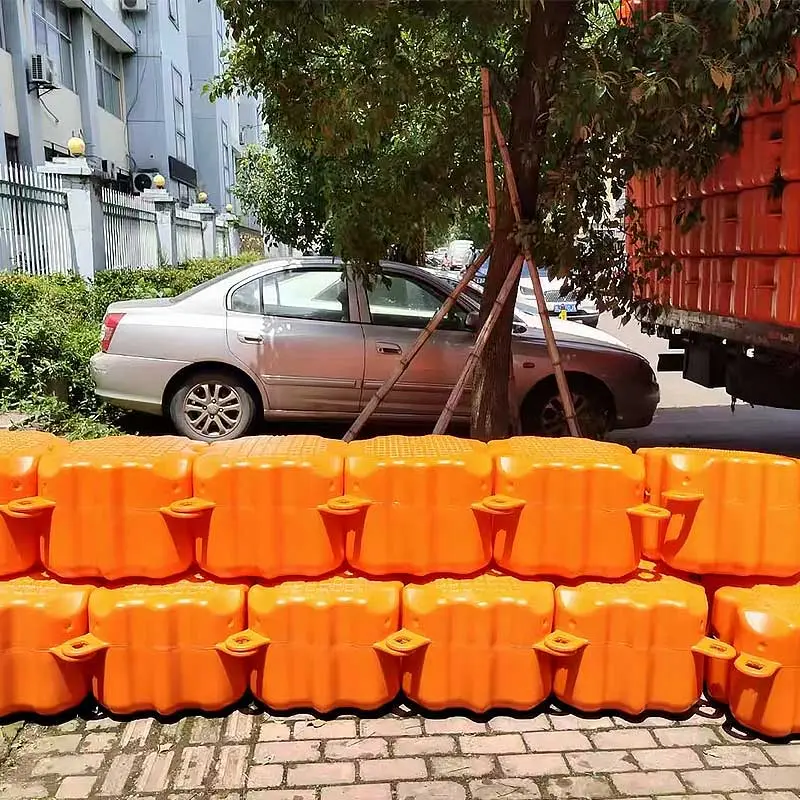
  • Water Traffic Facilities: Used to build floating bridges, floating docks, and water boardwalks for pedestrians and ships.
  • Water Recreation: Combined into water platforms, swimming pools, dance halls, stages, and bathing places.
  • Industry & Fisheries: Installed on deepwater marine risers in offshore oil systems to reduce weight, and used as floating supports for cage aquaculture.
  • Water Conservancy Projects: Used as trashbuoys to block branches, weeds, and garbage during flood seasons.
gray buoy (4)
gray buoy (5)
gray buoy (6)
Frequently Asked Questions (FAQ)
What materials are these buoys made of?
The buoys are primarily made of High Molecular Weight High Density Polyethylene (HMWHDPE) with a content of ≥ 95%. Depending on application requirements, some buoys may also utilize polyurethane foam, cross-linked copolymer foam, or composite foam materials.
What is the load-bearing capacity of the 500mm×500mm×400mm buoy?
A buoy with the dimensions of 500mm×500mm×400mm offers a stable load-bearing capacity of up to 300 - 350 kg/㎡.
How durable are these buoys and what is their expected service life?
These buoys are integrally formed in a single, seamless piece. They feature a rated average wall thickness of 7mm (up to 11mm maximum, and 3.52 - 4.2mm at the bottom), providing a service life of more than 15 years.
Are the buoys environmentally friendly and safe for aquatic ecosystems?
Yes. The manufacturing process includes safe auxiliary materials such as antistatic agents, antioxidants, and UV-resistant agents. The final product meets health standards, is pollution-free, and does not damage the ecological environment.
What are the primary applications for these floating buoys?
They are widely used for water traffic facilities (floating bridges, docks, boardwalks), water recreation (swimming pools, stages, platforms), industrial and fishery applications (deepwater marine riser protection, cage aquaculture supports), and water conservancy projects (trashbuoys to block river debris).

Related Products