 ShengHuang
1 / 5
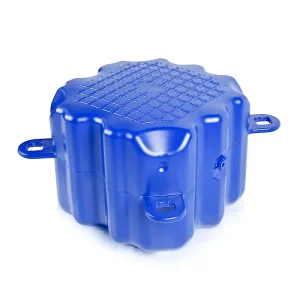
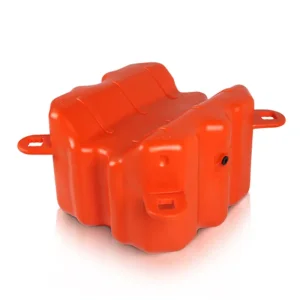
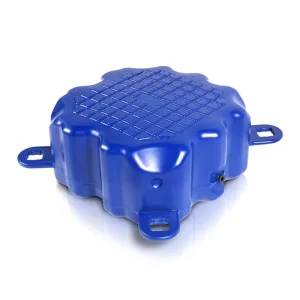
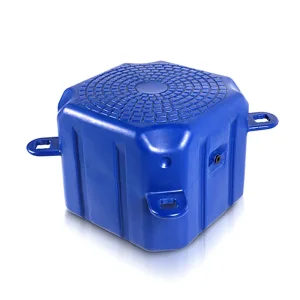
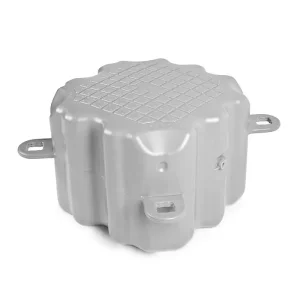
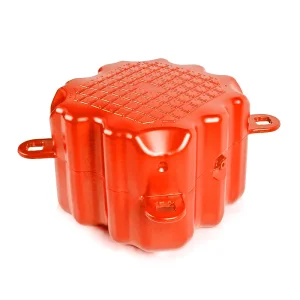
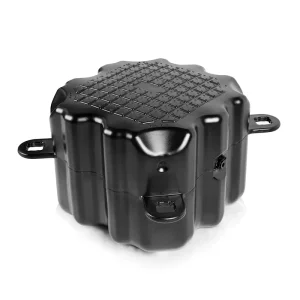
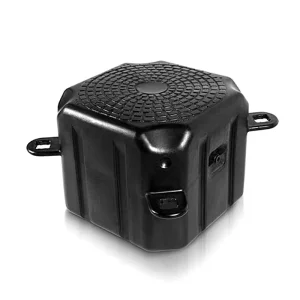
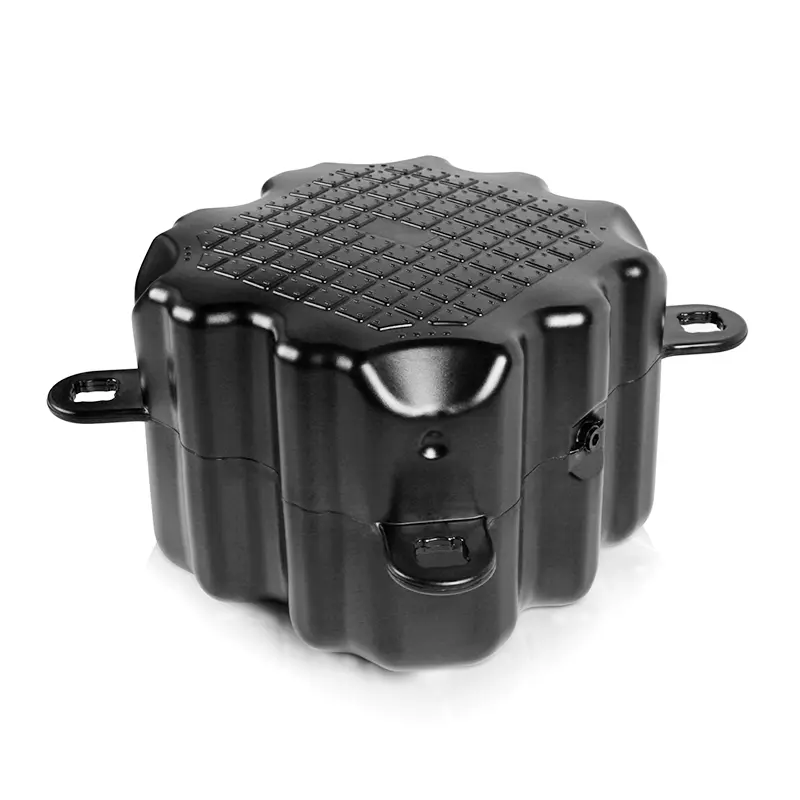
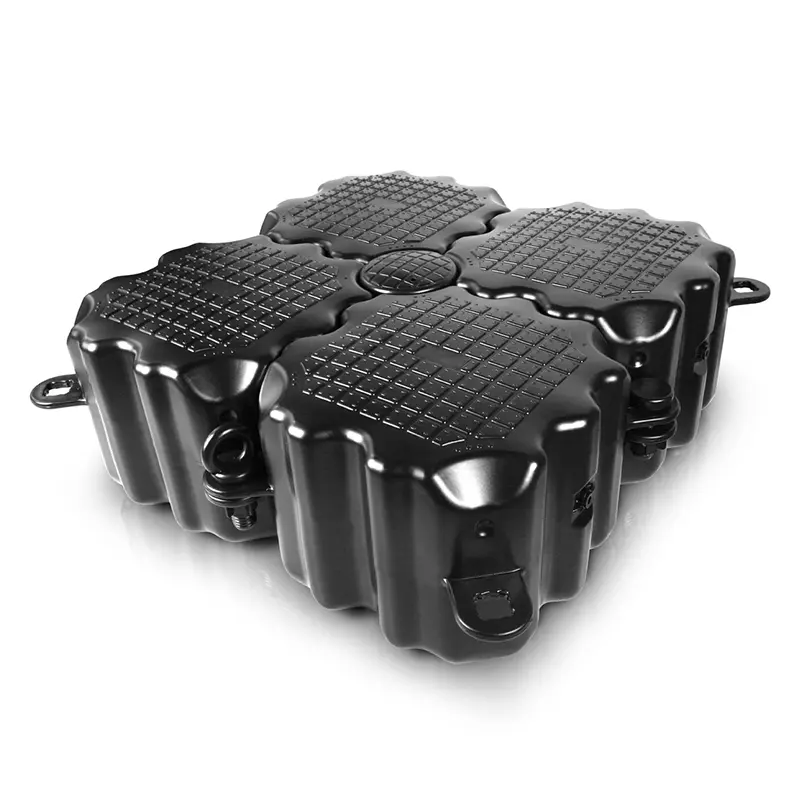
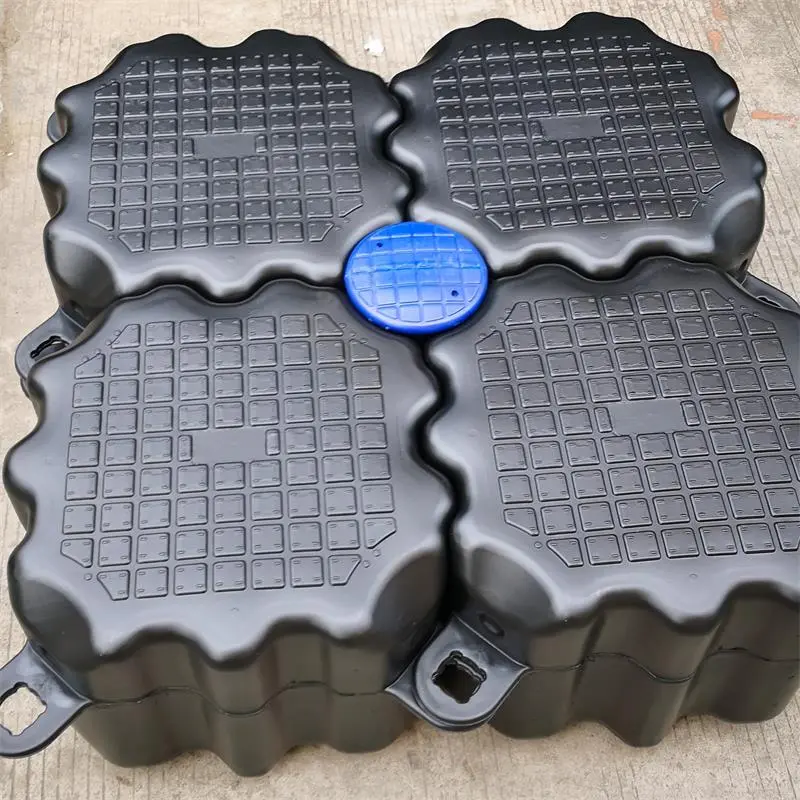
The buoys are primarily made of high molecular weight high density polyethylene (HMWHDPE) with a content of ≥ 95%. Some variations may use polyurethane foam, cross-linked copolymer foam, or composite foam materials depending on specific application needs.
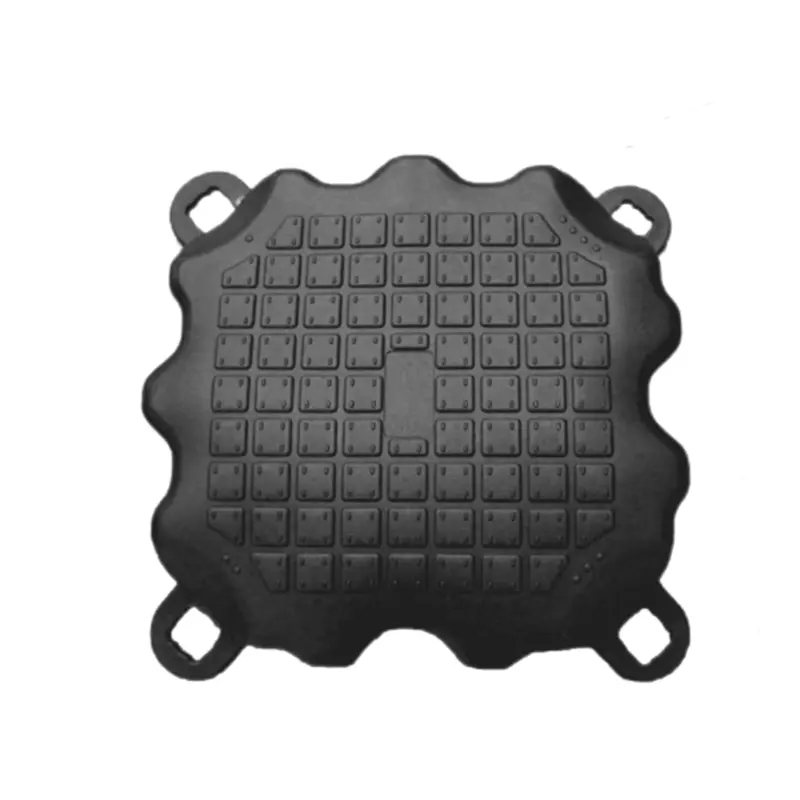
They are available in 500mm×500mm×400mm dimensions, with weights of either 7 kg ± 0.2 kg or 6.5 kg ± 0.2 kg depending on the exact specification chosen.
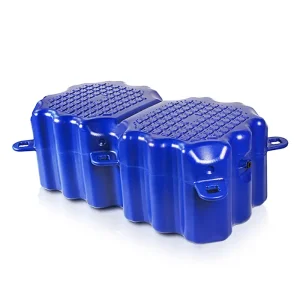
A buoy measuring 500mm×500mm×400mm features a load-bearing capacity of up to 300 to 350 kg/㎡, offering exceptionally stable support for various water facilities.
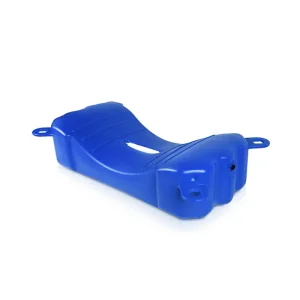
Thanks to a seamless, one-time integral molding process and a rated average wall thickness of 7mm (up to 11mm at maximum), these buoys have a service life of more than 15 years.
Yes. The production process incorporates auxiliary materials like antistatic agents, antioxidants, and UV-resistant agents. They meet strict health standards, are pollution-free, and do not harm the marine or aquatic ecological environment.
They are widely used for water traffic facilities (floating bridges, docks, boardwalks), water recreation (swimming pools, stages, platforms), industrial/fishery uses (marine riser protection, cage aquaculture), and water conservancy projects (trashbuoys for flood control).