Home >
Pontoons >
China Low Floating Dock - High Density Polyethylene (HDPE) - China Factory Suppliers for Floating Solutions Factory, Manufacturer
1 / 3
China Low Floating Dock - High Density Polyethylene (HDPE) - China Factory Suppliers for Floating Solutions Factory, Manufacturer
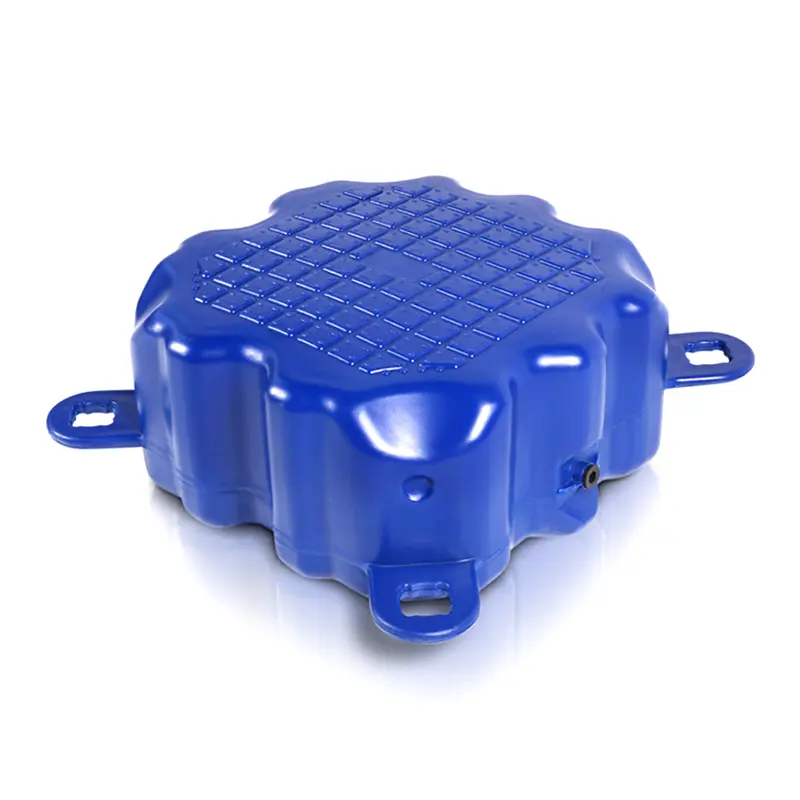
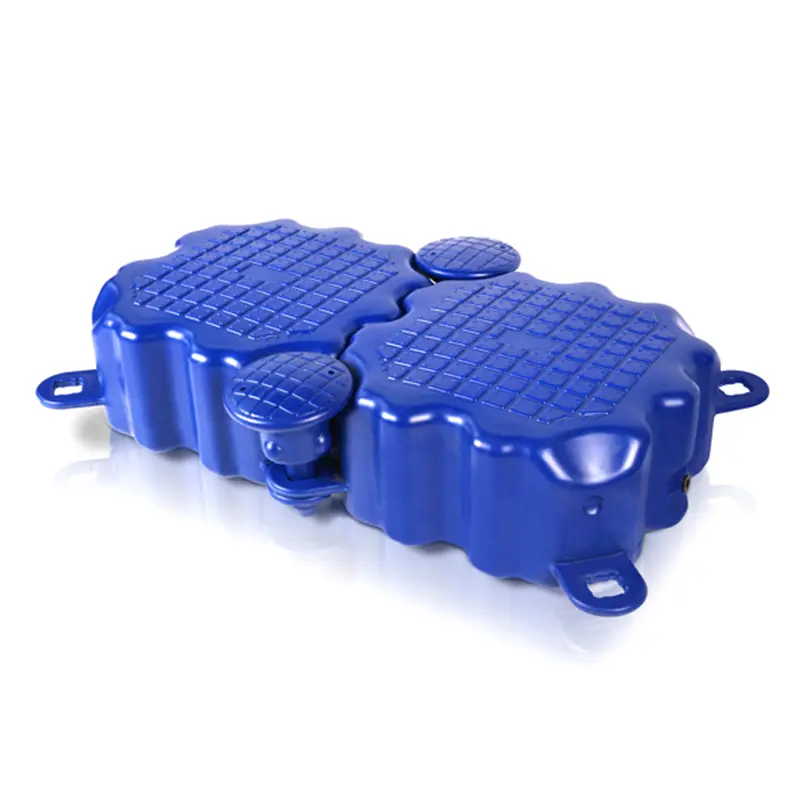
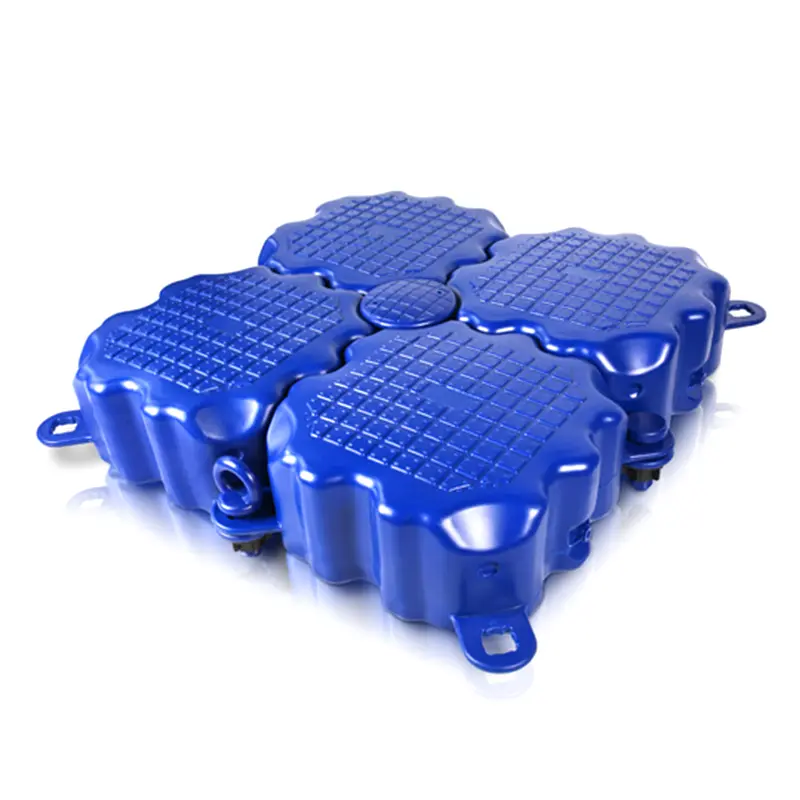
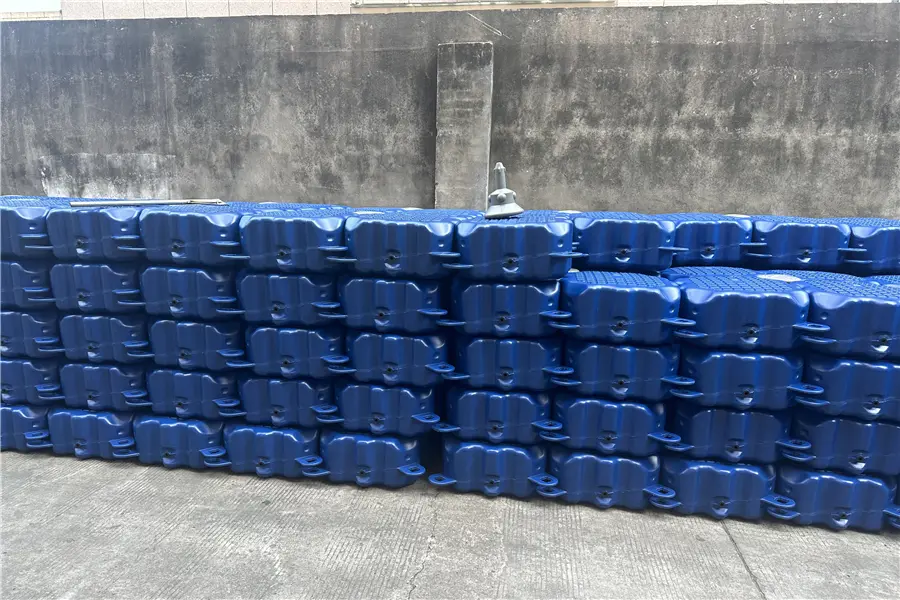
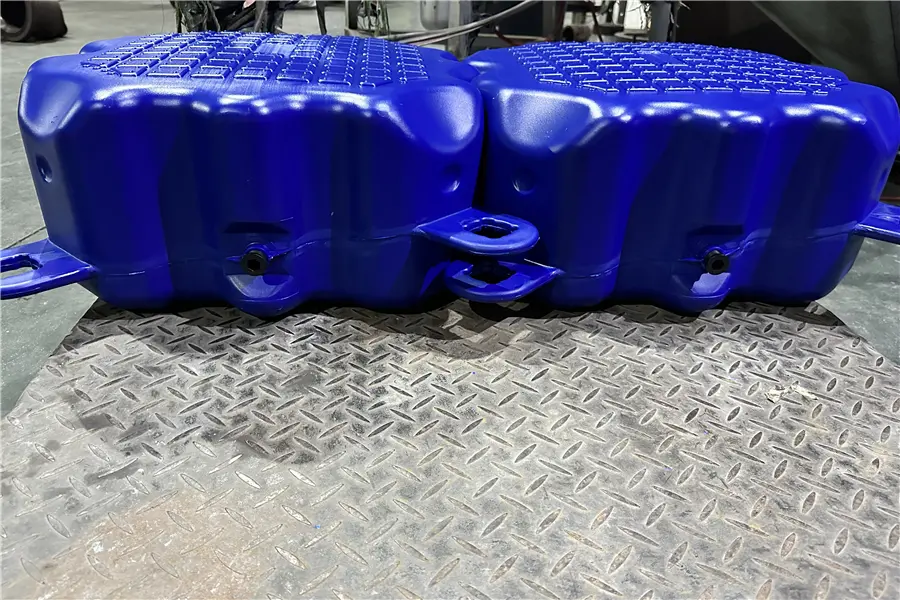
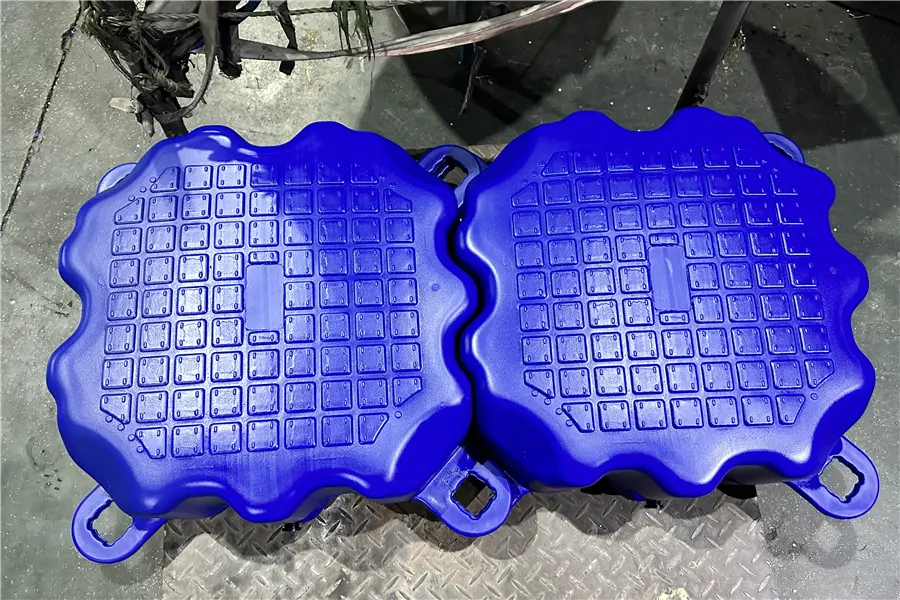
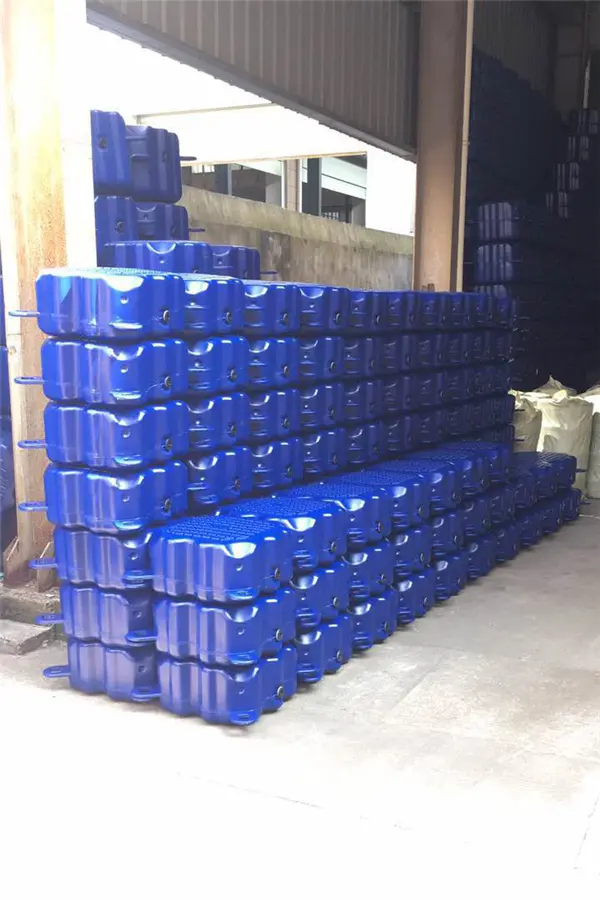
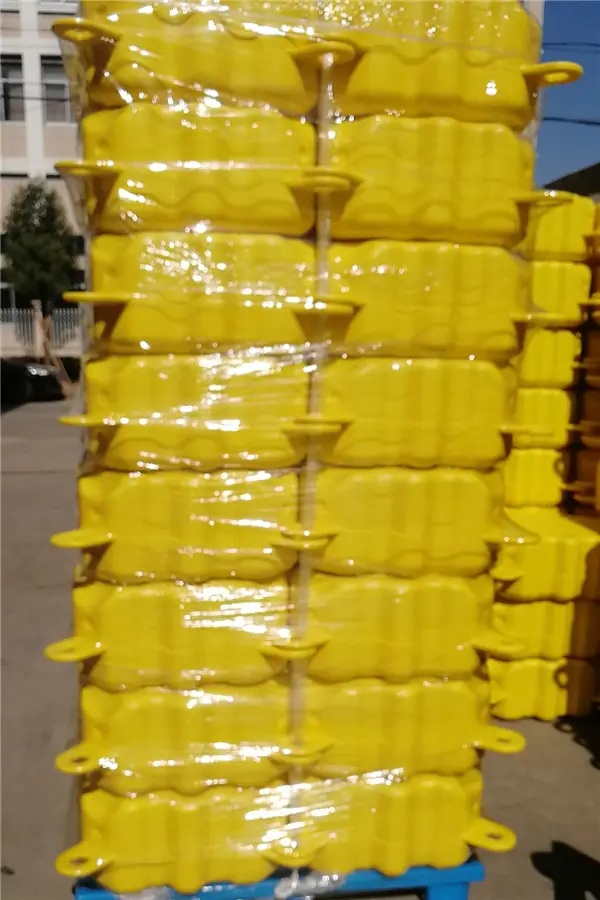
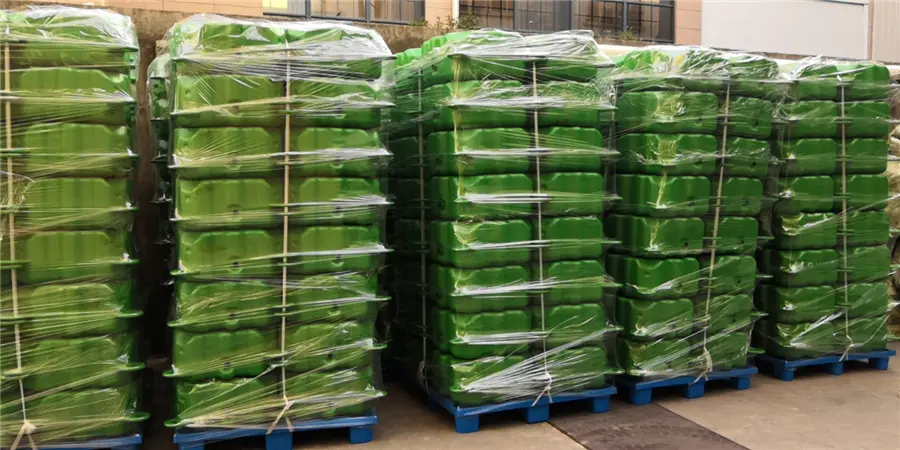
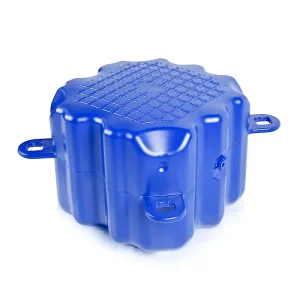
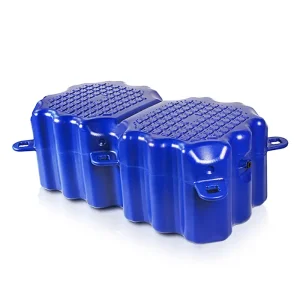
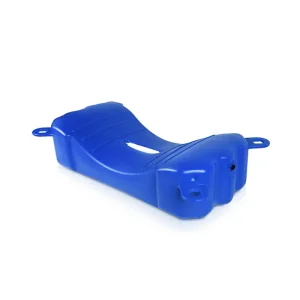
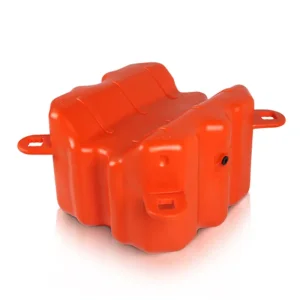
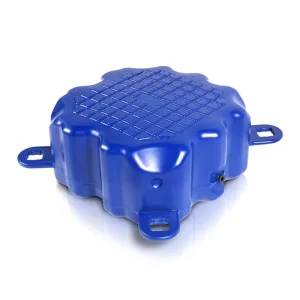
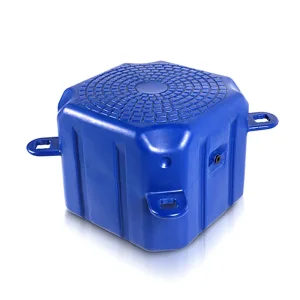
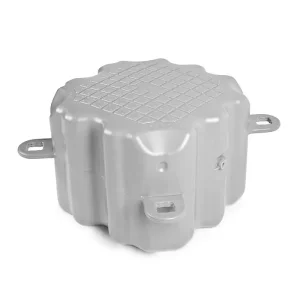
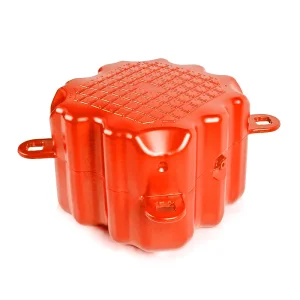
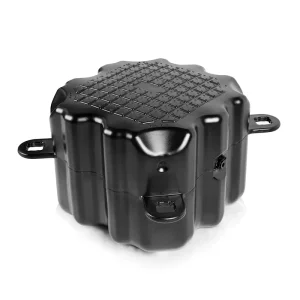
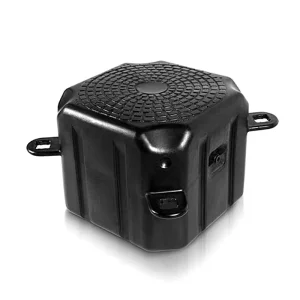
Introducing our premium floating dock modules, manufactured from High Density PolyEthylene (HDPE) in China. With dimensions of 500*500*250 mm and a weight of 5.5 kg, our floating dock solutions provide exceptional buoyancy of 250 kgs/m², making them ideal for various applications such as floating bridges, floating restaurants, and walkways, Available in vibrant colors including blue, orange, gray, and black, our floating dock modules are designed to meet the needs of diverse environments. We cater to bulk orders, with a minimum order quantity (MOQ) of 200 pieces, As a leading factory and supplier in the industry, we ensure the highest quality products complemented by essential parts and tools like Short Pins, Bolts, Washers, Spanners, and Mallets for easy assembly and maintenance, Choose our floating dock modules for a reliable and versatile solution to enhance your waterfront projects
“Floating dock” refers to a type of dock or dock that floats on the surface of the water, usually used to moor, repair, or build a boat. Unlike fixed docks, floating docks can float up and down with changes in water level, adapting to different tide and water level conditions.
Main Purpose
Boat mooring: Floating docks provide a stable docking point for boats, especially in waters with high tidal variations.
Boat Repair: Floating docks can be used for the repair and maintenance of boats, especially if the boat needs to be lifted out of the water.
Boat Construction: In some cases, floating docks are also used for the construction and assembly of boats.
Structure & Composition
Buoy: The main part of the pontoon dock, usually consisting of a pontoon or pontoon, capable of providing sufficient buoyancy.
Connecting Structure: A frame or platform that connects the floats together to ensure the stability of the entire structure.
Anchoring system: Anchor or cable used to hold the floating dock to the surface of the water, preventing it from drifting with the current.
Type
Fixed floating docks: fixed in one position by anchoring system, suitable for long-term berthing.
Mobile Floating Docks: Can be moved or repositioned, suitable for temporary berthing or specific activities.
Advantage
Adaptability: Able to adapt to changes in water level, suitable for waters with large tidal changes.
Flexibility: Easy to install and move, suitable for different water bodies and uses.
Economy: Floating terminals are less expensive to build and maintain than fixed terminals.
Application Scenario
Ports and terminals: used for the berthing and loading and unloading of commercial vessels.
Yacht Club: Mooring and maintenance services for private yachts.
Water Activities: Used for water sports, fishing, and other leisure activities.
Related Terms
Pontoon: pontoon, the main component of the floating dock.
Mooring: Mooring, the process of attaching a boat to a dock.
Dock: Dock, generally refers to the place where the ship docks.
Sample Sentence
The yacht was securely moored to the floating dock, ready for the next day's voyage.
The floating dock adjusted seamlessly to the rising tide, ensuring the boats remained stable.
Cultural Background
Floating docks are very common in many coastal cities and lake areas and are an important part of water transportation and activities. Not only do they have a practical function, but they also often become part of the landscape, attracting tourists and photography enthusiasts.
Technology Development
With advances in materials science and engineering, modern floating docks incorporate lighter, more durable materials such as high-density polyethylene (HDPE) and aluminum alloys, increasing their longevity and safety.
Detail Pictures
Frequently Asked Questions
What is the main difference between a floating dock and a fixed dock?
Unlike fixed docks that are permanently secured at a set height, floating docks can rise and fall naturally with water level fluctuations, making them ideal for areas experiencing tide variations.
What materials are commonly used in modern floating docks?
Modern floating docks frequently utilize highly durable and lightweight materials like High-Density Polyethylene (HDPE) and corrosion-resistant aluminum alloys to enhance structural lifespan and safety.
How are floating docks kept in a stable position?
They are secured using specialized anchoring systems, including anchors, heavy cables, or piling guides, which hold the dock securely in place while allowing vertical movement.
Are floating docks suitable for commercial vessels?
Yes, floating docks are widely utilized in commercial ports and terminals for berthing, loading, and unloading operations, as well as in private yacht clubs and recreational marinas.
What are the maintenance advantages of floating docks?
Floating docks are generally more cost-effective to construct and maintain compared to fixed concrete or wooden structures, as modular components can be easily replaced or repositioned.
 ShengHuang