 ShengHuang
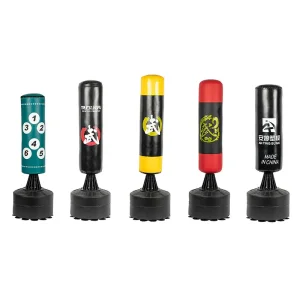
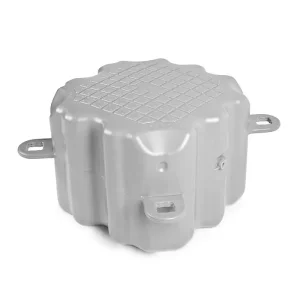
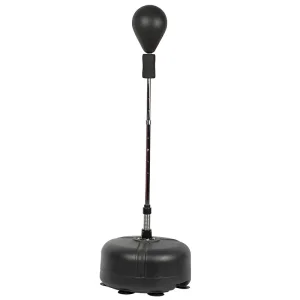
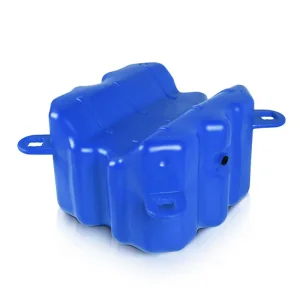
The Western Mediterranean basin, centered around the strategic shipping lanes of Catalonia, demands an advanced class of industrial components and specialized structures. The Port of Barcelona serves as one of Southern Europe's primary logistics corridors, necessitating highly resilient materials to withstand significant marine exposure, varying tidal currents, and intense solar radiation. In recent years, municipal infrastructure developers, private marina operators, and coastal athletic associations across Barcelona and the wider Costa Brava have systematically transitioned from traditional concrete-and-wood assemblies to advanced High-Density Polyethylene (HDPE) systems.
This transition is not merely driven by cost considerations; it is fundamentally rooted in material science and lifecycle longevity. Standard maritime installations are constantly subjected to electrochemical corrosion, mechanical stresses from wave actions, and biological biofouling. Modern HDPE components fabricated via precision extrusion blow molding provide an inert alternative that effectively eliminates these degradation vectors. As a result, global engineering networks are increasingly optimizing their supply configurations to connect Taizhou's manufacturing base directly with Catalan logistics hubs, facilitating high-speed delivery of modular platforms and safety accessory components.
At the forefront of this industrial shift is Shenghuang Industrial & Trade Blow Molding Factory. Established in 2019 and headquartered in Huangyan, Taizhou, Zhejiang province—the global epicentre of mold design and automated plastic processing technology—Shenghuang has systematically scaled its manufacturing infrastructure. By specializing in high-tonnage industrial blow molding, the enterprise serves critical sectors including maritime logistics, municipal environmental protection, heavy-duty automotive component styling, and elite athletic equipment systems.
Our manufacturing campus operates state-of-the-art automated blow molding lines characterized by closed-loop feedback systems and dynamic parison thickness programming. This level of technology is vital to ensure structural uniformity in heavy, high-volume parts, such as double-walled floating docks and impact-resistant boxing bases. By maintaining strict compliance with the ISO 9001:2015 Quality Management System, every run—from the raw polymer pellet stage to final testing for structural load capacity—is rigorously validated. This provides European procurers in the Barcelona market with certified structural reliability.
The primary material driving modern marine and athletic base solutions is High-Density Polyethylene (HDPE). The structural integrity of Shenghuang's floating docks depends on a specific molecular structure. We utilize raw material configurations that feature a high molecular weight distribution, yielding exceptional Environmental Stress Cracking Resistance (ESCR) and tensile strength.
Under the Mediterranean sun, typical plastics undergo photo-oxidative degradation. Ultraviolet (UV) radiation triggers chain scission within the polymer matrix, leading to embrittlement, micro-cracking, and mechanical failure. To counteract this, Shenghuang incorporates a proprietary masterbatch blend containing hindered amine light stabilizers (HALS) and high-dispersion carbon black or custom pigment stabilizers. This formulation ensures that all floating docks and base components maintain their impact resistance even when continuously exposed to high UV indexes.
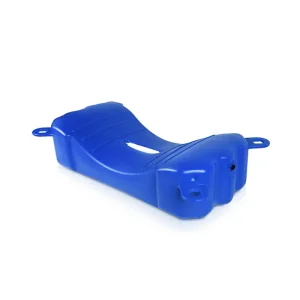
Utilizes custom parison programming controls to ensure optimal material distribution across corners and high-stress points, preventing structural thin spots common in basic molding methods.
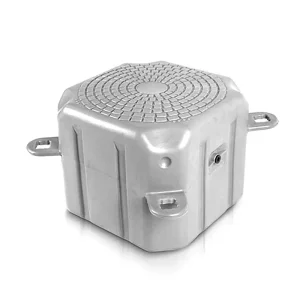
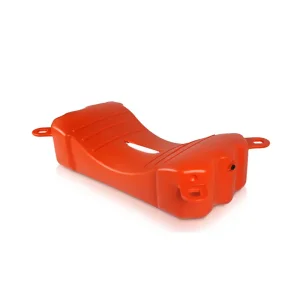
The concave-convex surface pattern provides high anti-slip protection (Class C rating) while distributing concentrated localized loads evenly across the modular grid structure.
In Barcelona's coastal zone, municipal and private operators require configurations optimized for specific application classes:

Compliance verification for industrial blow molding processing lines.
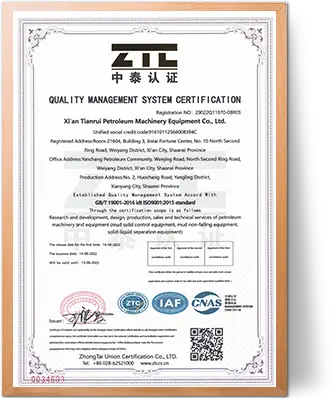
Ensuring all polymer products are fully recyclable and eco-friendly.

Validation documentation confirming structural safety for European logistics.
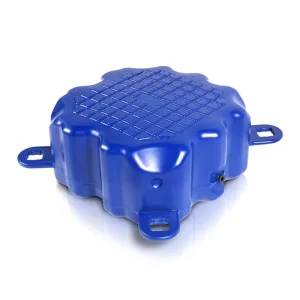
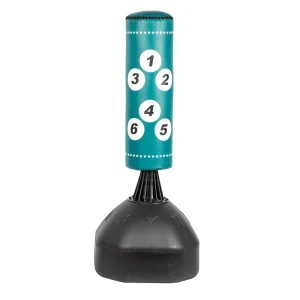
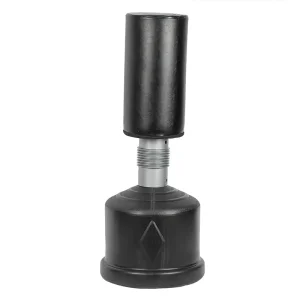
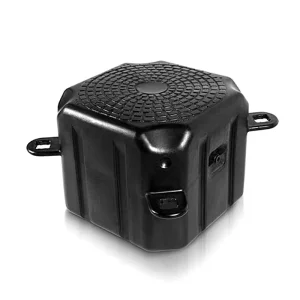
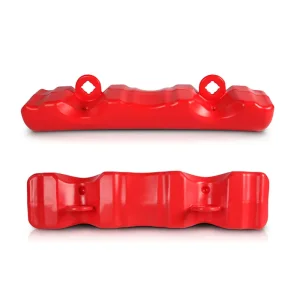
As structural standards for marine infrastructure become more stringent in the European Union, the engineering requirements for plastic components have risen accordingly. Traditional modular floating docks often suffer from localized thinning near the locking tabs, creating failure points under heavy wave loads. Shenghuang's R&D team addresses this by using advanced parison extrusion programming. During the blow molding process, the machine dynamically adjusts the thickness of the extruded parison, distributing extra material to corners and structural joints. This ensures uniform wall thickness and increases the overall drop-impact resistance of the docks.
Additionally, the transition from fossil-derived polymers to green, circular-economy resins is a core focus of our technological roadmap. Shenghuang actively supports sustainability by optimizing our manufacturing lines to process high-purity recycled HDPE without reducing the mechanical properties of the finished products. This closed-loop recycling strategy lowers the carbon footprint of production, helping European municipal buyers meet strict environmental regulations.
To guarantee reliable performance in demanding environments, Shenghuang utilizes a comprehensive quality verification protocol: