Established in 2019, Shenghuang Industrial & Trade Blow Molding Factory has quickly emerged as an industry-leading manufacturer of high-performance plastic blow-molded solutions. Strategically situated in Huangyan, Taizhou, Zhejiang Province—widely recognized as the Silicon Valley of mold design and precision manufacturing in China—Shenghuang leverages an unrivaled local ecosystem of advanced tooling, engineering expertise, and integrated supply chains.
Operating from a state-of-the-art facility, our company specializes in custom extrusion blow molding (EBM) processes, serving critical high-demand sectors such as marine logistics, renewable energy installation support, water treatment, automotive engineering, heavy-duty boxing training equipment, and specialized environmental packaging. By integrating digital design engineering, computer-controlled blow molding stations, and rigorous testing protocols, we transform raw polymeric resins into robust, high-buoyancy modular components designed to withstand the harshest field conditions.
Corporate Standard: Operating under an ISO 9001 certified Quality Management System, Shenghuang ensures absolute traceability from polymer feedstock receipt to final hydrostatic stress testing. Our raw materials are verified by third-party testing organizations to ensure strict compliance with international structural, food-contact, and eco-toxicological standards.
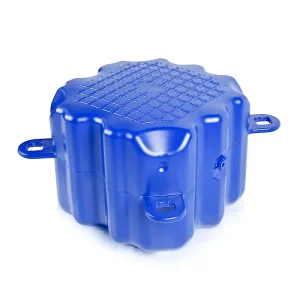
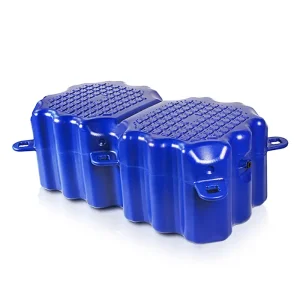
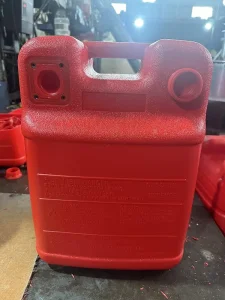
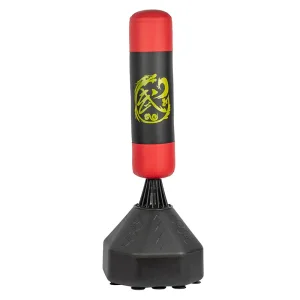
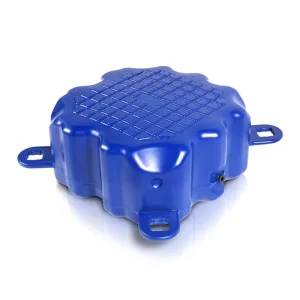
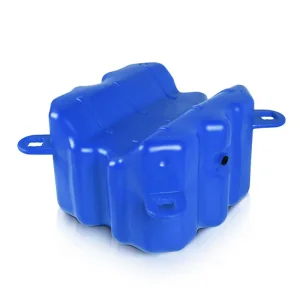
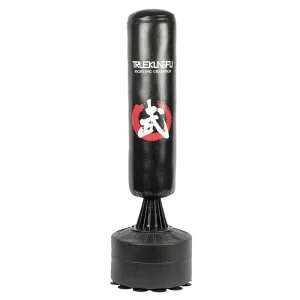
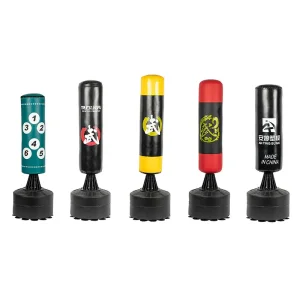
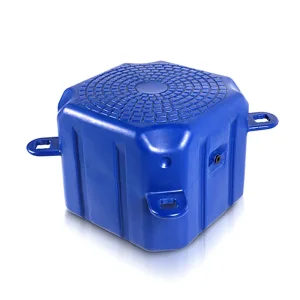
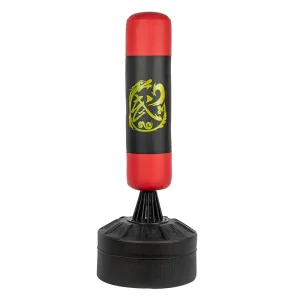
Our core product lines include high-density polyethylene (HDPE) modular pontoon systems, specialized sport-training bases (such as boxing sandbag structures), portable marine fuel storage components, and industrial-grade containment solutions. As an OEM and ODM specialist, we collaborate with engineering partners globally to design, prototype, and manufacture custom buoyancy platforms that meet precise dimensional and load-bearing requirements.
The structural integrity of temporary marine infrastructure hinges upon the mechanical properties of its constituent polymers. Shenghuang's modular pontoon systems are fabricated using premium-grade High-Density Polyethylene (HDPE), a thermoplastic polymer characterized by an exceptional strength-to-density ratio, low water absorption, and superior resistance to chemical deterioration.
To combat the destructive effects of solar radiation in marine environments, the polymer feedstock is blended with specialized UV-stabilizers and hindered amine light stabilizers (HALS). This chemical fortification prevents photo-oxidative degradation, preventing chalking, embrittlement, and loss of tensile strength over extended outdoor exposure. The material remains elastomeric yet highly rigid across a wide temperature spectrum, ranging from arctic conditions of -60°C to tropical heat up to +60°C.
| Physical Property | Standard Value / Limit | Test Protocol Reference |
|---|---|---|
| Density | 0.952 - 0.965 g/cm³ | ASTM D1505 |
| Tensile Yield Strength | > 22 MPa | ASTM D638 (Speed 50mm/min) |
| Flexural Modulus | > 1000 MPa | ASTM D790 |
| Environmental Stress Crack Resistance (ESCR) | F50 > 1000 hours | ASTM D1693 (Condition B, 10% Igepal) |
| Shore D Hardness | 63 - 68 | ASTM D2240 |
| Buoyancy Capacity (Single Block) | Up to 300 - 350 kg/m² | Hydrostatic Pressure Calibration |
Our blow molding process employs variable-die thickness control systems. By adjusting the parison thickness during the extrusion stage, we reinforce critical structural zones—such as the interlocking connection tabs and corners of the pontoon—while optimizing overall part weight. The result is a seamless, single-piece molded design that eliminates stress concentration points associated with welding or structural seams.
Modular floating systems are no longer relegated to simple recreational walkways. Shenghuang's temporary dock architectures serve as critical components for major engineering projects worldwide:
Providing heavy-duty floating platforms for aquatic drilling rigs, underwater pipeline maintenance, and bridge repair scaffolding. These platforms maintain stability under high point loads and machinery weight.
Designed to withstand organic waste exposure, chemical detergents, and constant marine bio-fouling. Our clean, non-toxic HDPE docks prevent chemical leaching into fragile aquatic ecosystems.
Rapid deployment of modular pontoon bridge networks, rescue platforms, and temporary landing piers during typhoons, floods, or tactical transport operations where infrastructure is damaged.
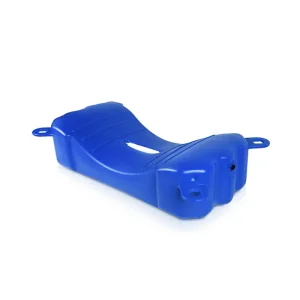
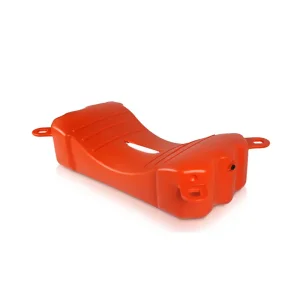
Furthermore, our specialized U-shaped and V-shaped floating systems are optimized for jet ski ports, dry docks, and small vessel mooring. These systems allow marine crafts to glide effortlessly onto the dry deck platform, protecting hulls from biofouling, corrosion, and wave-induced impact damage while moored.
Shenghuang's operations in Taizhou, Zhejiang, represent the peak of modern blow molding industrialization. By deploying Industry 4.0 paradigms, we ensure that our manufacturing lines minimize variance while optimizing energy efficiency and raw material utilization.
Our manufacturing floor features fully automated resin conveying systems that transport HDPE pellets directly from climate-controlled silos to the extruder hopper. Continuous gravity-fed dosing units guarantee precise blending of color masterbatches, UV inhibitors, and specialized elastomers. This automated controls system mitigates human error, ensuring uniform color distribution and mechanical properties across successive production batches.
Our thermal management systems utilize closed-loop water cooling circuits linked to high-capacity industrial chillers. By precisely controlling the temperature of our steel molds during the cooling phase, we eliminate internal thermal stress within the molded parts. This preventing shrinkage distortion and warp defects, ensuring that each modular block fits seamlessly with connecting components in the field.
Our logistical location near major deep-water ports, such as Ningbo-Zhoushan and Shanghai, offers strategic export efficiency. By leveraging consolidated local component supply chains—including specialized connection pins, galvanized steel mooring brackets, and modular accessories—we significantly reduce procurement lead times, allowing us to deliver containerized systems globally with minimal delay.
As a dedicated OEM/ODM manufacturer, Shenghuang simplifies the complexity of sourcing bespoke floating structures for international buyers. Our engineering department operates under a systematic development pipeline designed to bring concept designs to scale production efficiently:
Clients submit raw dimensions, buoyancy targets, and environmental specifications. Our engineering team utilizes finite element analysis (FEA) software to model load stresses and buoyancy distribution before cutting steel.
Utilizing high-grade aluminum and steel alloys, our local CNC milling centers construct precision mold cavities. Prototype blocks are run to verify part weight, wall thickness consistency, and assembly clearances.
Prototypes undergo drop testing, stress fracture assessments, and continuous hydrostatic immersion tests. Upon approval, automated production lines commence high-speed blow molding to meet delivery targets.
To address the needs of international engineering contractors, we supply comprehensive compliance portfolios. Our products undergo rigorous testing to ensure conformance with marine toxicity thresholds, ensuring no heavy metals or phthalates leach into aquatic systems. Furthermore, our engineering team assists in calculations for mooring configurations, anchoring weight, pile guides, and wave attenuation barriers, providing end-to-end technical support for complex projects.
The future of floating infrastructure lies in the intersection of material science and digital technology. Shenghuang is currently investing in the research and development of next-generation "smart" pontoons. These systems incorporate embedded sensor arrays designed to monitor structural integrity, internal pressure deviations, and local water quality parameters in real-time.
By integrating IoT telemetry units, large-scale floating platforms deployed for offshore PV solar arrays or industrial aquaculture can transmit structural telemetry directly to cloud dashboards. This enables predictive maintenance protocols, warning operators of anchor shifts or localized damage long before catastrophic failures occur.
Additionally, we are exploring bio-inspired micro-textured surfaces on our pontoon bases. These textures discourage the attachment of marine organisms (such as barnacles and algae) without relying on chemical anti-fouling coatings. This advancement prolongs the operational lifespan of the modular cubes while preserving local marine biodiversity.
 ShengHuang