 ShengHuang
The Science of Modular Waterways: Demanding Reliability in Floating Dock Bridge Systems
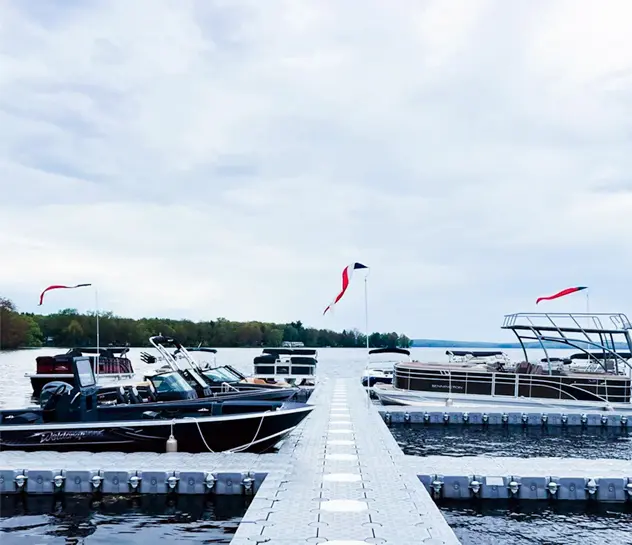
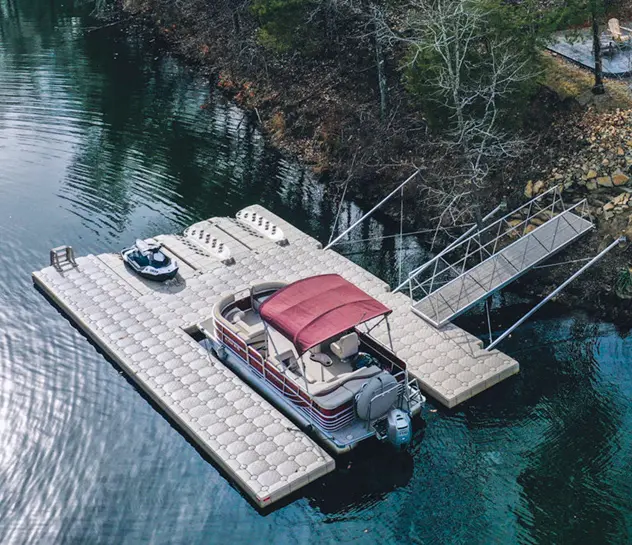
As coastal infrastructure requirements undergo unprecedented adaptations due to sea-level shifts, urban sprawl, and logistical bottlenecks, modular engineering has transitioned from a structural option to a marine necessity. Modern OEM Floating Dock Bridge Systems serve as the critical connectivity nodes for commercial transport, municipal waterfront developments, and industrial floating installations globally. Replacing traditional rigid timber or reinforced concrete docks with High-Density Polyethylene (HDPE) polymer matrices allows engineers to deliver flexible, high-buoyancy designs capable of defying extreme marine loads.
Technical Parameterization of HDPE Blow Molded Floating Pontoon Units
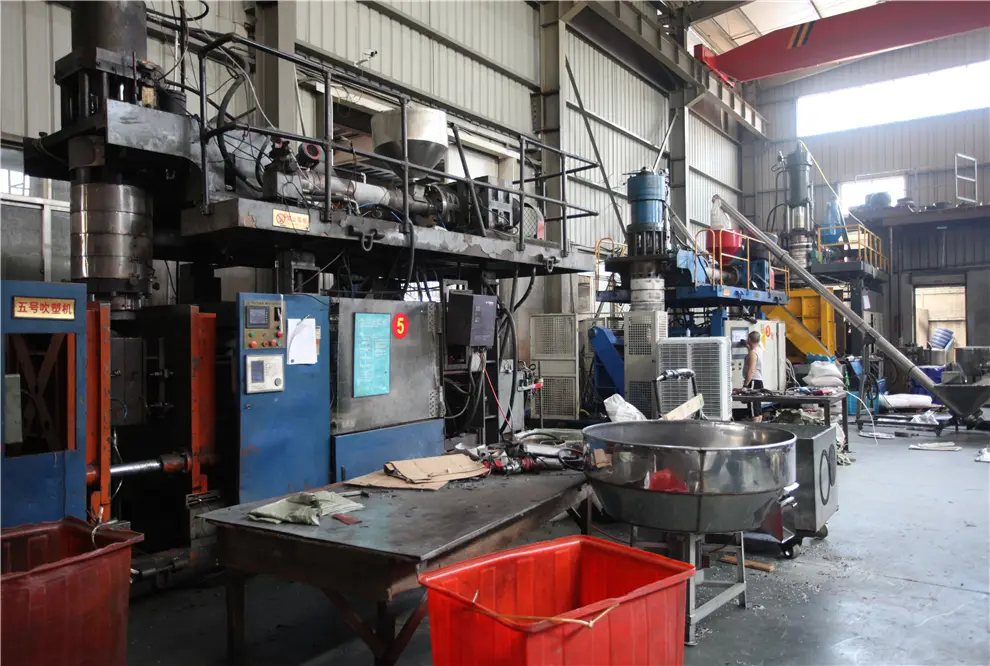
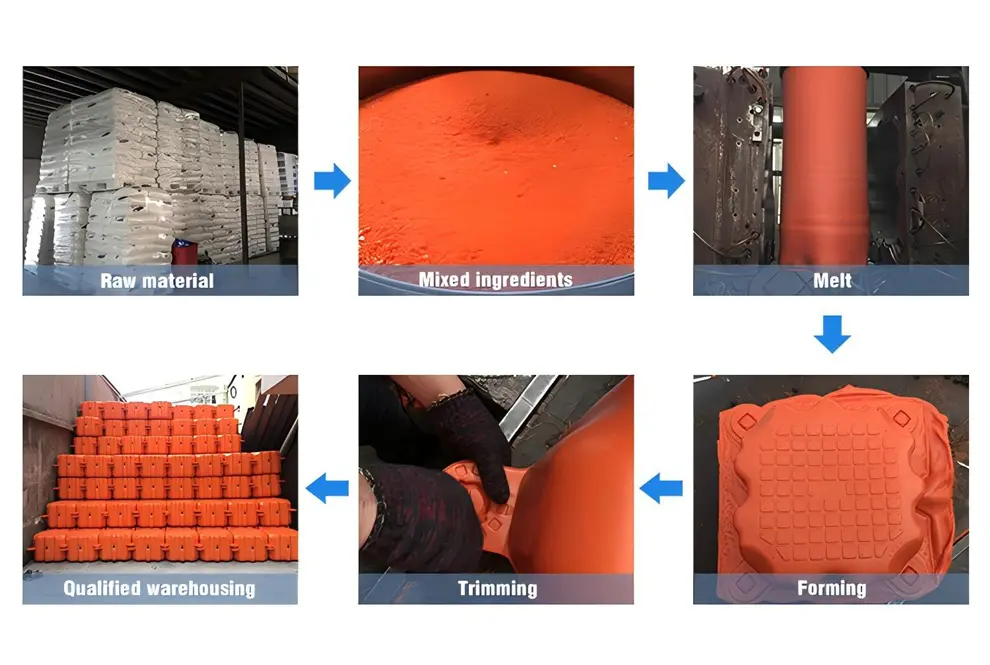
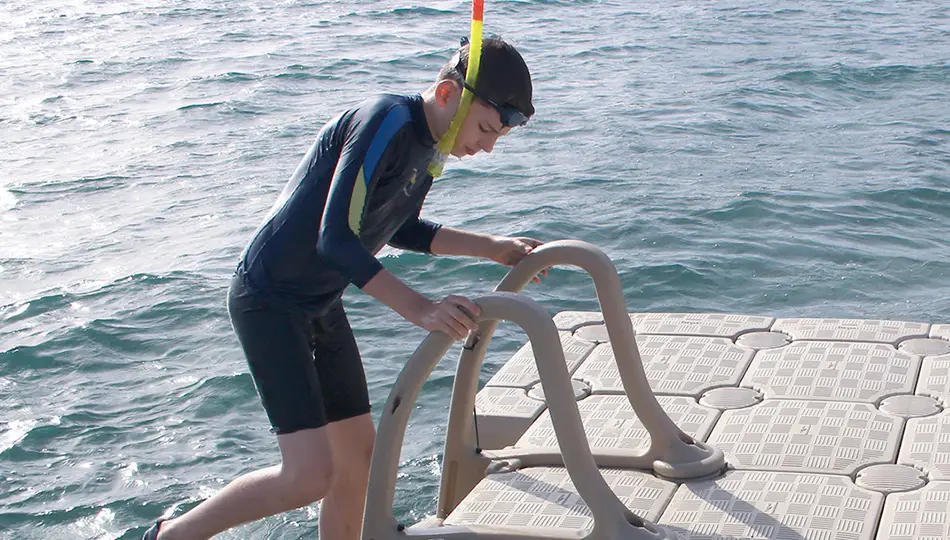
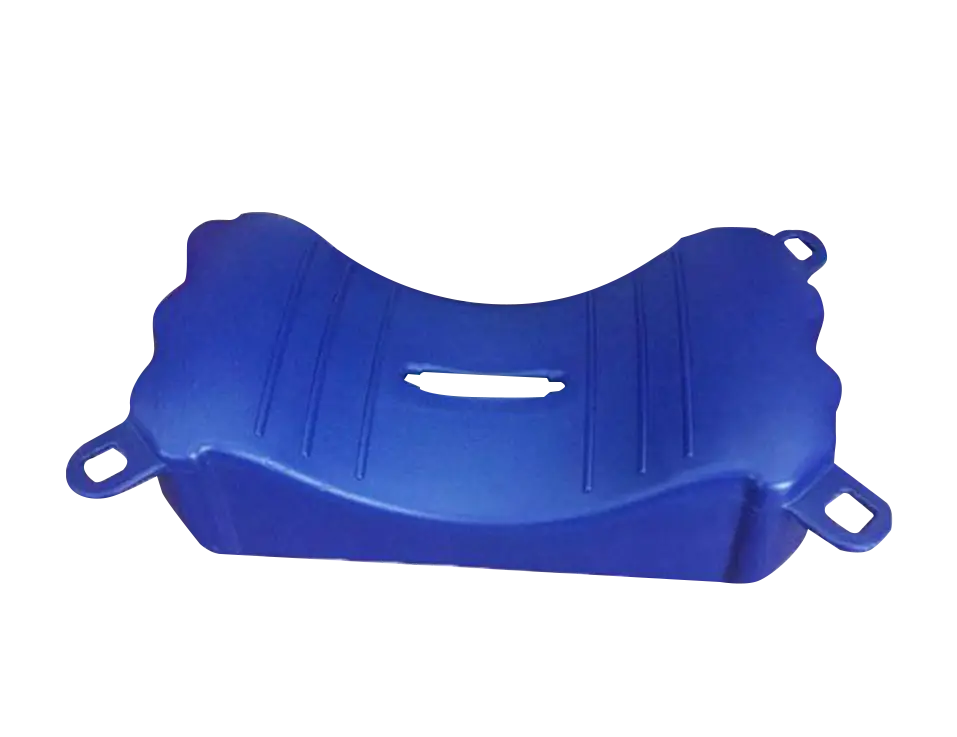
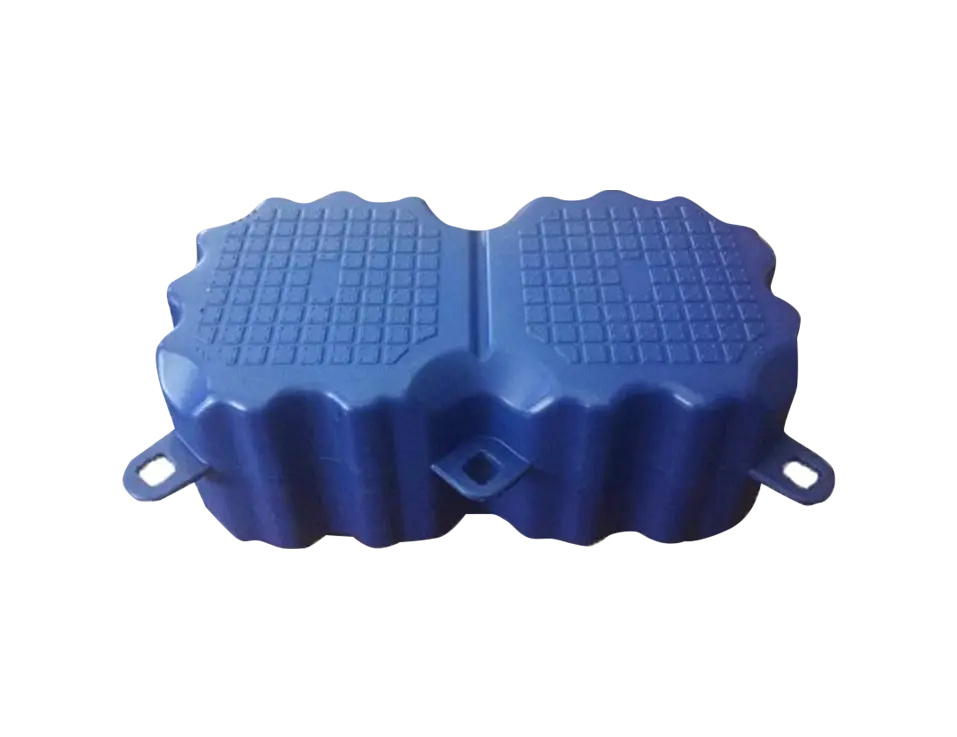
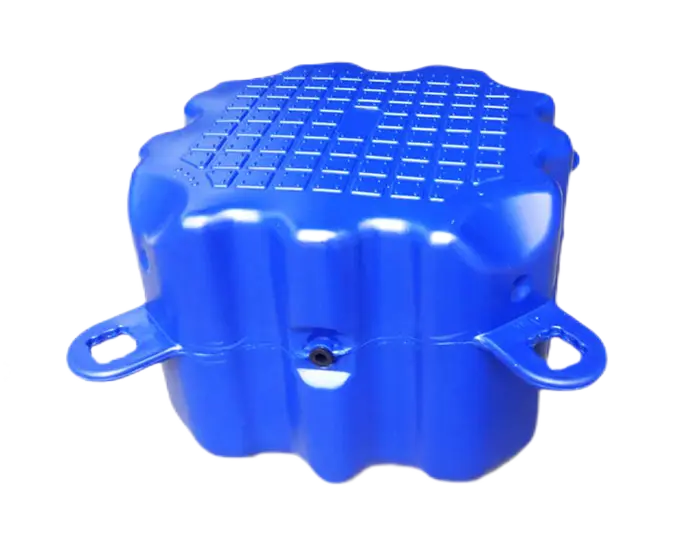
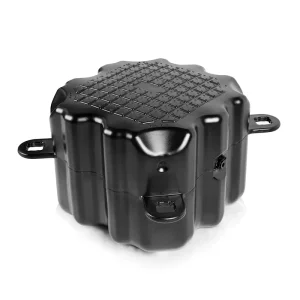
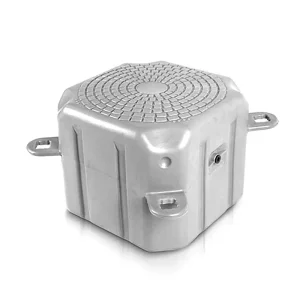
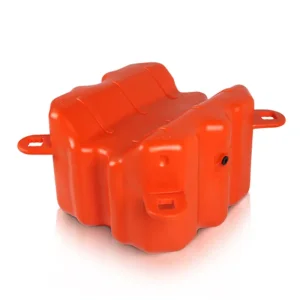
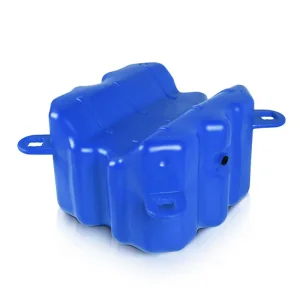
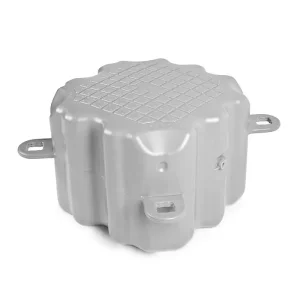
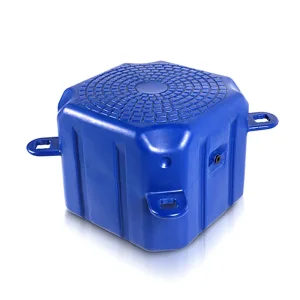
HDPE is synthesized under controlled thermal and pressure environments to optimize tensile strength, density, and chemical resistance. When utilized in our proprietary blow-molding processes, the material achieves high impact resistance, allowing it to withstand major impacts from watercraft and debris. The structural geometry of our floating dock cubes—such as the standard 50x50x40cm structure—is designed to distribute loads evenly. The concave-convex surface pattern provides anti-slip safety, meeting global wet-traction standards.
Extreme Weather Resiliency
Designed with a modular grid connection system that flexes under wave actions, dissipating kinetic energy rather than snapping under structural shear.
Chemical & UV Inertness
Our raw HDPE compound features premium UV-stabilizer packages, ensuring no degradation, yellowing, or structural embrittlement under prolonged UV exposure.
Balanced Buoyancy Performance
Standard modules guarantee up to 350 kg/m² of vertical load-bearing capability while preserving a shallow draft of 2 to 4 inches when unloaded.