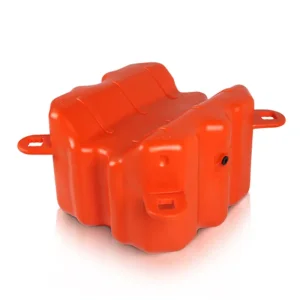
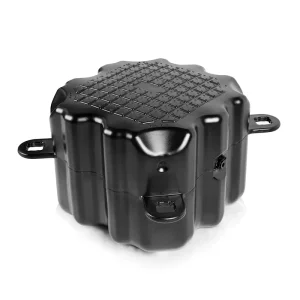
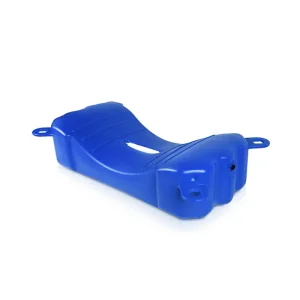
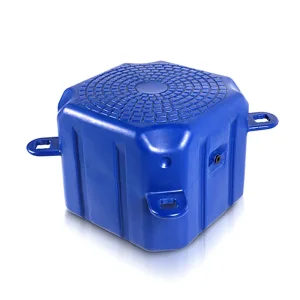
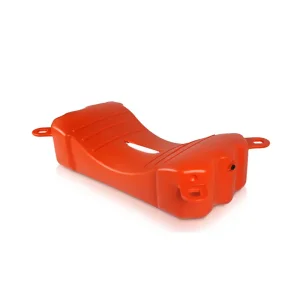
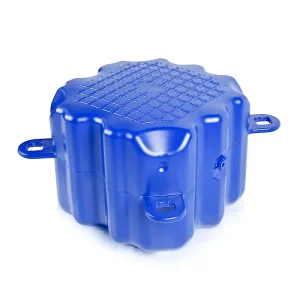
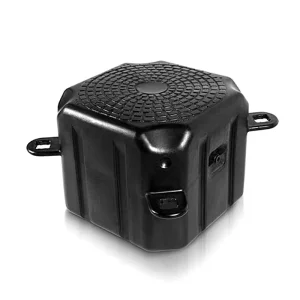
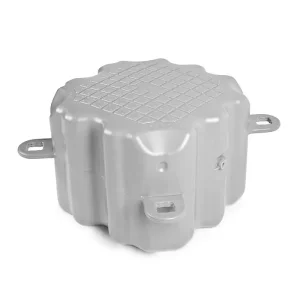
Heavy-duty HDPE floating components and modular dry dock segments designed to build custom shore launch configurations.
Marine environments impose harsh thermodynamic, mechanical, and chemical challenges. A high-performance ODM Shore Jet Ski Ramp acts as the crucial boundary system safeguarding personal watercrafts (PWCs). Designed to facilitate seamless transition from water to land, these ramps mitigate static friction and optimize kinetic recovery.
By shifting from conventional metallic frame slips to modern modular high-density polymers, shorelines preserve their natural topology while operations gain high wear-resistance, impact attenuation, and zero-corrosion properties.
Under intense solar exposure and tidal variations, mechanical degradation of shore ramps typically starts at localized stress concentrations. Utilizing specialized high-molecular-weight High-Density Polyethylene (HDPE) reinforced with comprehensive UV stabilization packages (UV8 ratings), our structural units survive continuous thermal stress.
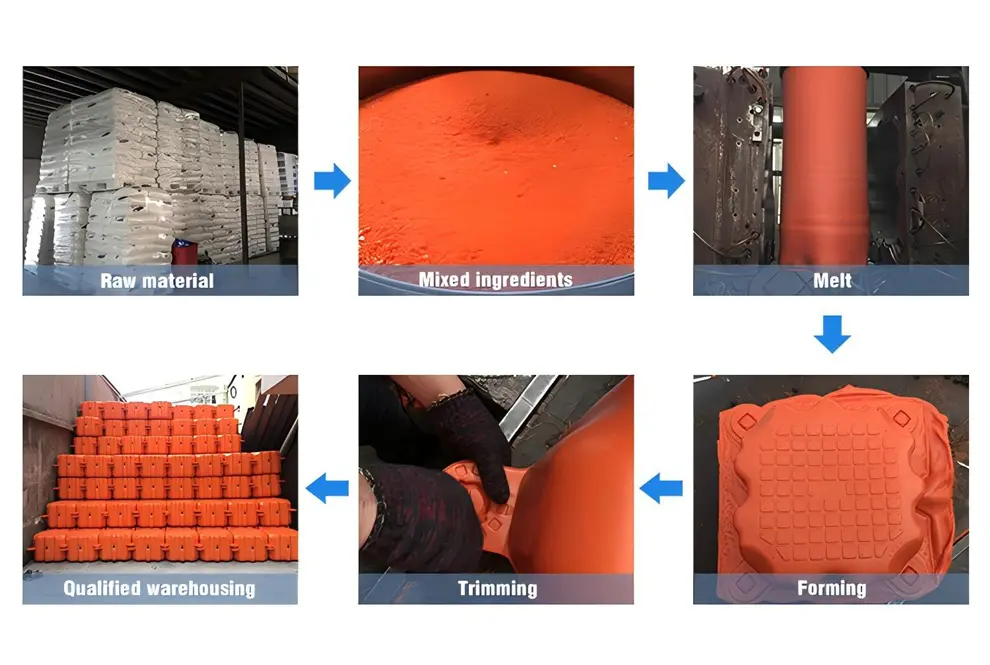
The manufacturing process applies precision blow molding to create unified double-walled structures with calculated internal rib distributions, providing structural compliance without compromising buoyancy margins.
Operational reliability remains the core metric of Google E-E-A-T standards for maritime manufacturing. Shore ramp assemblies must withstand rapid impact when a Jet Ski docks at speeds up to 10 knots. Design considerations focus on reducing kinetic load on the hull while preventing listing or capsizing.
By engineering gradual slip planes combined with modular guide rollers, our systems deliver predictable docking behaviors in variable tides, high-winds, and micro-typhoon scenarios.
Reflecting our deep manufacturing experience and scale of distribution across international commercial sectors.
Engineered to support varying geological profiles, marine regulations, and commercial application demands worldwide.
Coastal areas with high tidal ranges (up to 6 meters) present challenging muddy zones. Traditional trailers sink into the silt, while fixed wooden slips rot. Modular HDPE shore ramps adapt to fluctuating bottom terrain, flexing to lie flat on the mud during low tide while preserving hull clearance during high water levels.
Jet ski rental depots demand high launching cycles (over 50 operations per slip daily). Our heavy-duty ODM shore ramps utilize industrial-grade guide rollers and reinforced load margins, minimizing wear on the craft's keel while saving labor and accelerating fleet turnover.
Many nature reserves prohibit concrete slipways or heavy excavation. Our modular HDPE pontoon ramp setups can be anchored without destructive seafloor disruption. As they do not leach chemicals or heavy metals, they meet strict regulatory requirements for fresh and salt water conservation.
How we achieve superior mechanical durability and predictable buoyancy under extreme maritime conditions.
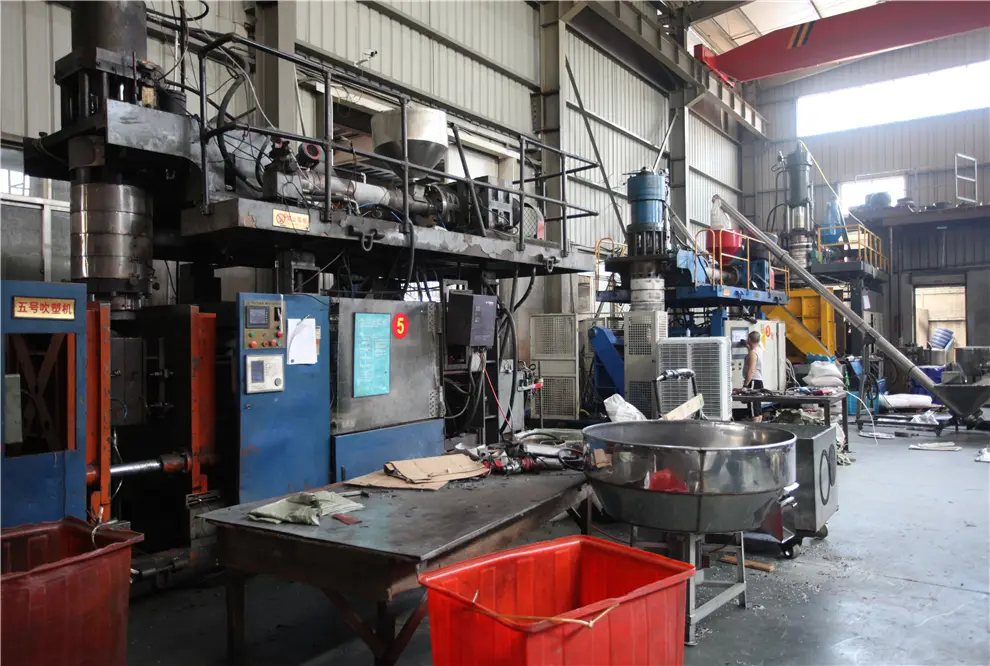
Shenghuang Industrial & Trade Blow Molding Factory, established in 2019, has developed advanced automated lines to produce industrial-grade marine pontoons and shore slip structures. The core of our product line lies in our choice of raw materials and control over the blow molding process.
Using premium high-molecular-weight HDPE resins, our blow molding process aligns polymer chains along structural directions. This molecular orientation minimizes environmental stress cracking, providing high impact resistance to withstand the pressure and impact of dynamic launching cycles.
Our manufacturing workflow features automated parison thickness control. This ensures precise wall distribution across deep-draw geometries, keeping the outer shell robust against wave action while retaining clean interior profiles that preserve structural buoyancy reserves.
Driving advancements in marine dry dock performance, automation, and eco-friendly manufacturing.
Applying FEA (Finite Element Analysis) models to simulate hydro-elastic interactions between high-speed hulls and the ramp. This helps optimize the density profile of the ramp's landing zone, reducing structural strain during docking.
Developing bioplastics derived from renewable sources to decrease reliance on fossil resources, while maintaining the high mechanical performance and tensile properties of industrial marine polymers.
Integrating low-power IoT stress sensors directly into the ramp structure. These sensors monitor structural integrity, wave force, and local temperature, reporting maintenance alerts before structural failures occur.
Founded in 2019, Shenghuang Industrial & Trade Blow Molding Factory is an innovator in the plastic blow molding industry. Located in Huangyan, Taizhou, Zhejiang—renowned for its advanced manufacturing infrastructure—the company has grown into a trusted supplier of high-quality blow-molded products across packaging, automotive parts, household appliances, and environmental applications.
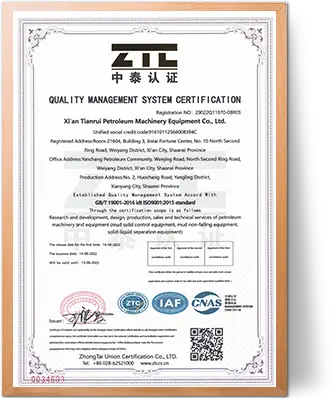
Equipped with state-of-the-art automated blow molding production lines, Shenghuang efficiently produces high-precision, durable, and cost-effective plastic solutions. We adhere strictly to the ISO 9001 quality management system, checking quality at every stage—from raw material sourcing to final product pressure testing.
Environmental sustainability is a core strength at Shenghuang. We promote green manufacturing practices by using recyclable and eco-friendly materials, and continuous R&D investments focus on reducing energy consumption and waste. Our dedicated R&D team develops high-performance materials and advanced molding techniques to deliver custom solutions for high-performance and industrial marine applications worldwide.







Technical answers regarding installation, modular floating docks, performance in ice, and winter management.
The floating dock's modular design and material strength hold up well in typhoons when properly installed. The modular layout allows the dock structure to flex and absorb kinetic wave energy rather than resisting it rigidly. Customers have reported excellent performance in coastal regions affected by strong typhoons.
Yes. If there is no local dealer presence in your area, we can ship your modular Floating Dock system directly to your local freight terminal for convenient pickup. Our technical support team will provide detailed blueprints and assembly instructions to guide your installation.
Absolutely. The dock is designed for year-round installation, even in saltwater environments. The shape and draft of our modular HDPE cubes are engineered so that expanding ice forces the dock to slide upward on top of the sheet rather than being crushed.
The primary concern with winter ice is water flow. If the ice thaws and melts gradually without heavy current, you can leave the dock in all year. However, if your location experiences heavy spring currents with large, moving ice blocks, the kinetic force can damage stationary docks and anchor lines. In these high-flow scenarios, we recommend seasonal removal.
The cubes can be configured for floating platforms, gangways, finger piers, or customized layouts. For a stable walking platform, we recommend a minimum width of three cubes. This provides steady support for foot traffic, backed by each cube's balanced buoyancy (approximately 200 lbs / 90 kg per single cube).
Yes. The modular cubes draw only 2 to 4 inches (5 to 10 cm) of water when unloaded. The critical measurement is the depth at the rear section of the dock where the jet ski drives on. The ramp needs enough water depth at its entry point so the craft's hull can clear the ramp tail and easily slide back off during launching.
Our production facilities began manufacturing modular floating docks in 2019. Over the years, we have scaled operations to become a leading floating dock supplier in China, delivering high-buoyancy modular systems globally.
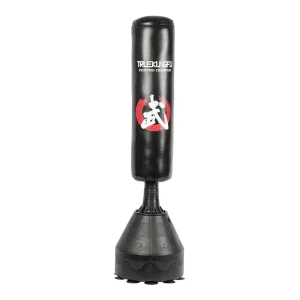
We apply the same advanced blow-molding technologies to produce highly durable training systems and impact-resistant gear.
 ShengHuang