Analyzing the evolution of modern marine construction from heavy fixed materials to dynamic, modular polymer systems.
In the contemporary marine and civil construction sectors, traditional stationary platforms made of timber, steel, and concrete are increasingly being replaced by engineered thermoplastic systems. Global climate variables—ranging from extreme tidal swings to aggressive water salinity and sudden storm surges—demand dynamic modular systems. Traditional infrastructure deteriorates rapidly when subjected to moisture, UV degradation, biological drilling, and mechanical stress, leading to high maintenance cycles and safety hazards.
Modular High-Density Polyethylene (HDPE) systems have emerged as the global standard for industrial, commercial, and residential projects. These structures adapt perfectly to fluctuations in water levels while absorbing environmental stress via modular shear dissipation. As a leading manufacturer specializing in ODM Blue Floating Docks, we understand that modern projects require custom designs, predictable performance, and eco-friendly footprints. Our products are engineered using advanced blow-molding technologies to offer unmatched structural strength, high load capacities, and reliable stability across diverse global environments.
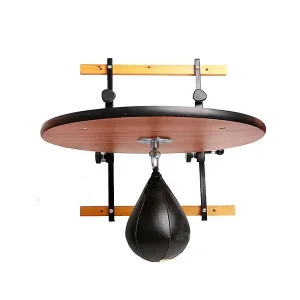
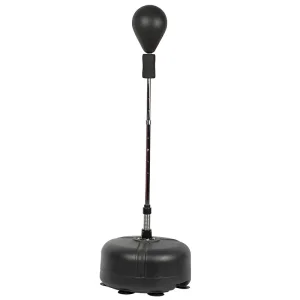
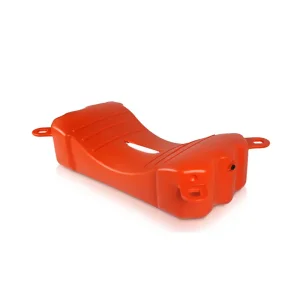
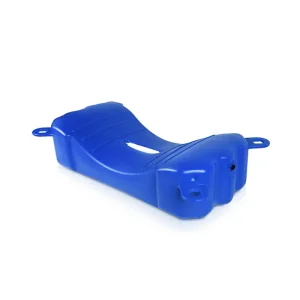
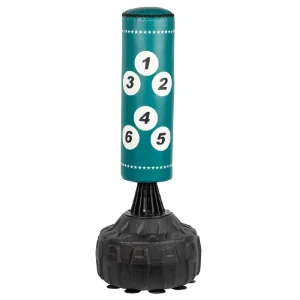
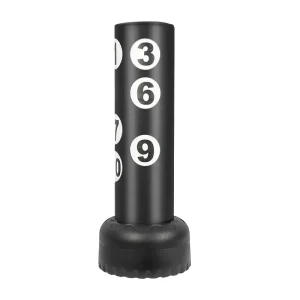
Explore our core engineering catalog, featuring specialized buoyancy platforms, training equipment, and environmental containment solutions.
A trusted pioneer in plastic extrusion blow molding, delivering high-precision solutions across global industries.
Founded in 2019, Shenghuang Industrial & Trade Blow Molding Factory is a leading innovator in the high-density plastic blow molding industry. Headquartered in Huangyan, Taizhou, Zhejiang—the world-renowned capital of mold engineering and plastic manufacturing—our company has quickly grown into a trusted supplier of high-quality blow-molded products. We serve diverse sectors including global logistics packaging, automotive components, outdoor sports equipment, and advanced marine floating structures.
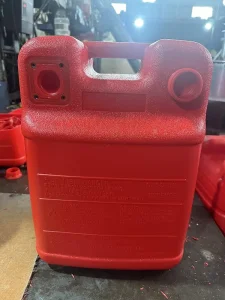
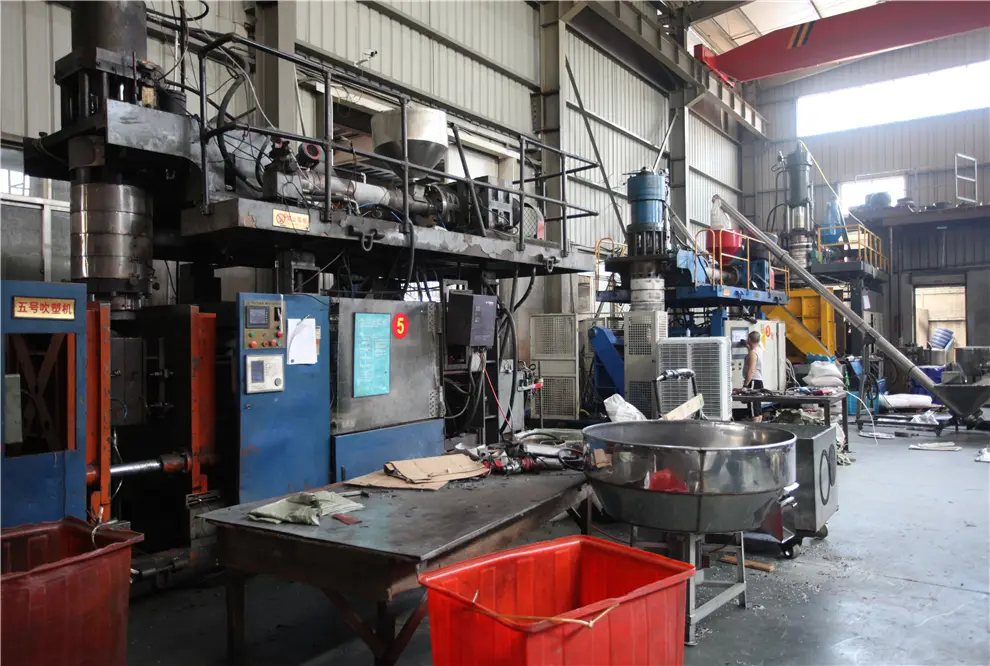
Our manufacturing facility is equipped with automated blow molding production lines. These state-of-the-art systems allow us to produce high-precision plastic products like floating pontoons, marine portable fuel tanks, and custom industrial solutions. Operating under a strict ISO 9001 quality management system, we monitor every step of production. From raw polymer sourcing to final stress tests, we guarantee every module meets international durability standards.
To serve international marine infrastructure markets, our factory strictly maintains quality systems that comply with global mechanical and environmental standards. We focus on structural integrity under high loads and UV resilience in marine environments.
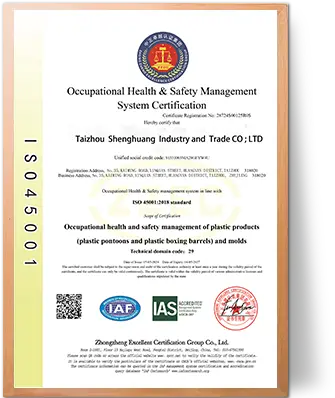
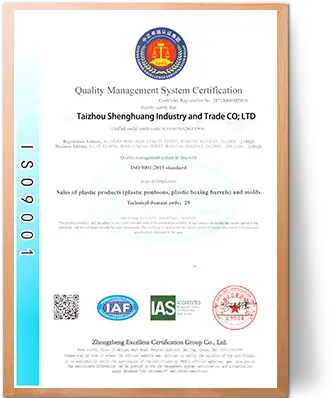
Operational metrics highlighting our manufacturing scale, production quality, and global reach.
How polymer chemistry and blow-molding design work together to create strong, modular marine platforms.
Our floating dock cubes are made from high-molecular-weight High-Density Polyethylene (HDPE). This material is chosen for its high tensile strength, resistance to chemical corrosion, and flexural fatigue properties. Unlike low-grade plastics, our raw HDPE is mixed with carbon black and hindered amine light stabilizers (HALS). This additive package protects against solar radiation (UV degradation), preventing polymer cross-linking and keeping the material flexible for over fifteen years in high-UV regions.
Our factory uses advanced, automated blow-molding equipment to shape the raw HDPE. Under high heat and pressure, a cylindrical parison of molten resin is extruded. Heavy steel molds then close around it, and compressed air is injected to blow the plastic to shape. This process produces a seamless, single-piece hollow unit with uniform wall thickness and no weak joints. The absence of welds prevents leaks, keeping each modular block completely watertight.
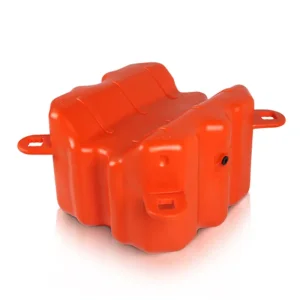
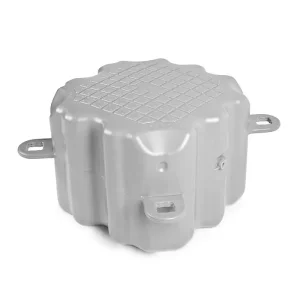
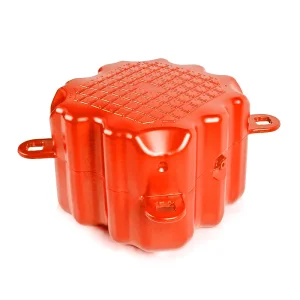
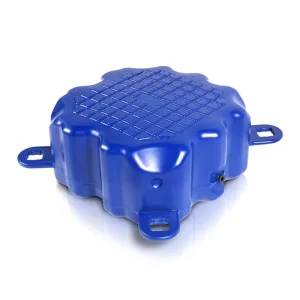
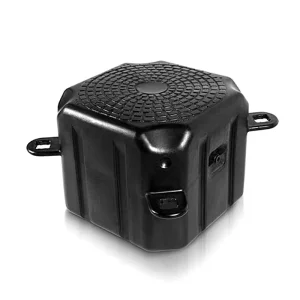
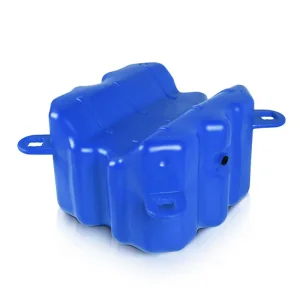
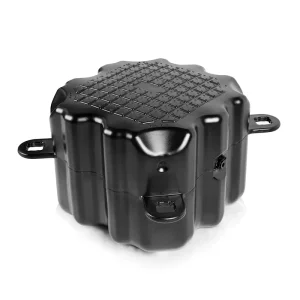
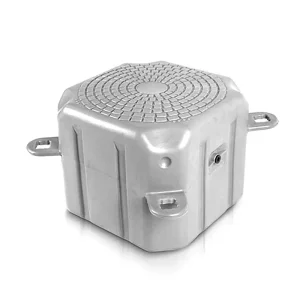
Our single pontoon modules (typically 50x50x40cm) provide a buoyant force of 300 to 350 kg/m². Their load distribution system features a concave-convex surface pattern. This anti-slip design prevents water accumulation, improving grip in wet conditions. The bottom of the modules features structural webbing that strengthens the base and acts as a minor keel, reducing drift and sway caused by lateral winds and currents.
Easily expand, adjust, or completely reconfigure floating platforms to meet evolving project requirements.
Designed to support heavy loads with stable buoyancy limits ranging from 200kg/m² to over 350kg/m².
Constructed from recyclable materials to prevent pollution in fragile freshwater and marine ecosystems.
Our commitment to green production, clean material recycling, and low-carbon manufacturing processes.
Shenghuang is committed to minimizing our environmental impact. Traditional marine materials like treated pine wood leach chemicals (like CCA) into aquatic systems, and concrete structures disrupt benthic habitats during installation. Our HDPE modules are chemically inert, preventing the release of heavy metals or microplastics into rivers, lakes, and oceans.
Our green manufacturing program includes:
Shedding light on how industrial, commercial, and recreational operators leverage our modular platforms.
Our floating systems serve as heavy-duty work platforms, walkway bridges, and equipment supports in mines, oil fields, and construction zones. They can support heavy pumps, generators, and work crews on the water.
Commercial marinas use our modular U-docks and dual pontoon systems to create stable slips for boats, jet skis, and yachts. The non-abrasive plastic surfaces protect hulls from scratches and impact damage.
Commercial fish farms use our HDPE walkways to build access pathways around open-ocean cages. These systems stand up to harsh saltwater environments, organic fouling, and regular cleaning.
City planners use gray and orange modular docks to create floating walkways, stage platforms, and viewing areas. These temporary structures are easy to install, expand, or dismantle after seasonal events.
Water sports clubs use our lightweight, stable platforms to launch kayaks, paddleboards, and rowing shells. The low-profile models are designed to sit close to the water for easy boarding.
Our HDPE pontoon cubes are used to construct floating solar platforms. By supporting photovoltaic arrays on reservoirs, lakes, and retention ponds, they save valuable land space and help reduce water evaporation.
Select specialized equipment designed for custom layouts, dock modifications, and marine installations.
Innovative developments in smart sensor integration, bio-based materials, and marine construction engineering.
Shenghuang aims to lead the industry in quality and sustainability. We are actively developing next-generation floating systems that will include:
We work with international logistics providers, industrial operations, and marine infrastructure developers.








Expert engineering answers regarding installation, load capacities, winterization, and long-term durability.
 ShengHuang