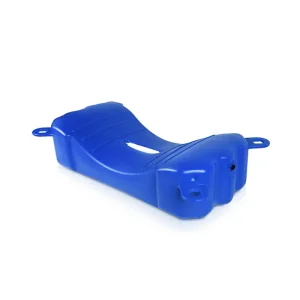
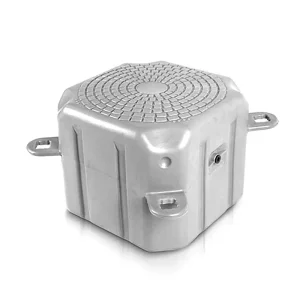
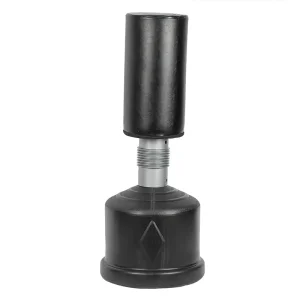
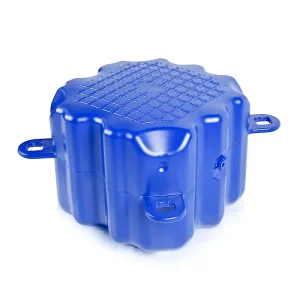
Examine our high-performance blow-molded products designed for supreme resilience in marine conditions and heavy industrial environments.
Founded in 2019, Shenghuang Industrial & Trade Blow Molding Factory has quickly risen as a premier leader and innovator in the plastic blow molding industry. Headquartered in Huangyan, Taizhou, Zhejiang—the globally recognized hub of plastic manufacturing and high-precision tooling infrastructure—the enterprise designs, engineers, and fabricates top-tier industrial floating systems and custom-engineered heavy-duty blow-molded plastics.
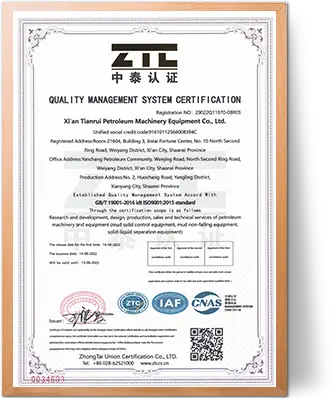
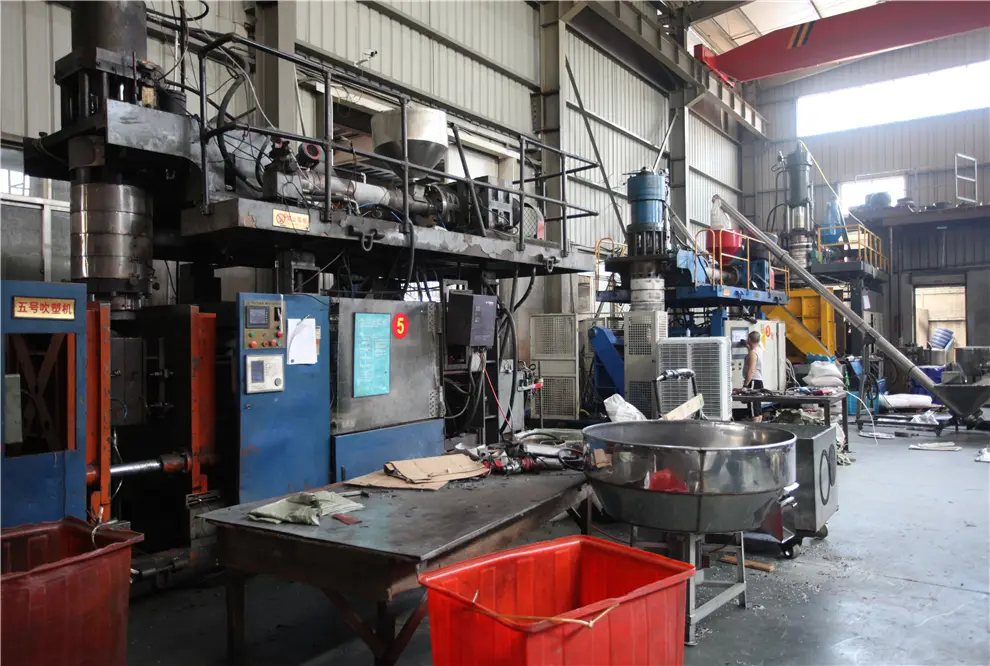
Our facility is equipped with automated blow molding production lines that allow us to manufacture high-precision, exceptionally durable, and cost-effective products. Adhering strictly to the ISO 9001 Quality Management System, every production phase—from structural simulation and raw material validation to high-pressure leak testing—meets global regulatory metrics, ensuring supreme product longevity.


Understanding the structural shifts and international dynamics driving maritime flotation technology.
The global marine infrastructure market has experienced a major shift from traditional wood, concrete, and heavy steel docks toward modular High-Density Polyethylene (HDPE) floating systems. This transition is fueled by the demand for low-maintenance, ecologically harmless, and highly adaptive marine structures. As maritime tourism, coastal industrial operations, commercial aquaculture, and floating photovoltaic (FPV) solar farms expand, traditional fixed dock structures are proving both economically and environmentally unsustainable.
In North America and Europe, stringent environmental protection acts limit the installation of chemically treated wood docks and heavy concrete pilings, which disturb benthic ecosystems. As a result, modular plastic float cubes, pioneered by factories like Shenghuang, have become the standard for public marinas, private residential docking, and governmental conservation zones. By utilizing virgin HDPE compounds mixed with specialized UV stabilizers, these modern modular docks present a zero-leaching profile, complying with strict maritime environmental codes globally.
In developing regions across Southeast Asia, South America, and Africa, the focus centers on rapid industrialization and agricultural growth. Coastal work platforms, transport ferries, and deep-water fish-farming enclosures require robust flotation solutions that are easy to deploy and adapt to changing conditions. In these markets, modular floating dock suppliers from China provide critical cost efficiencies, offering systems that are easy to transport in standard freight containers and simple to assemble without heavy machinery.
How material science and precision manufacturing are reshaping the durability thresholds of marine platforms.
The transition to High-Molecular-Weight High-Density Polyethylene (HMW-HDPE) combined with specialized anti-oxidants prevents photodegradation. The material maintains elasticity under temperature ranges from -60°C to +80°C, ensuring stability in extreme winter conditions and intense tropical UV exposure.
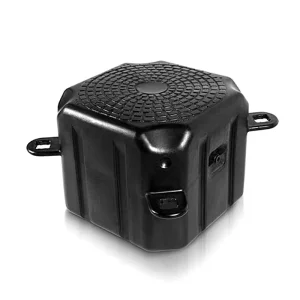
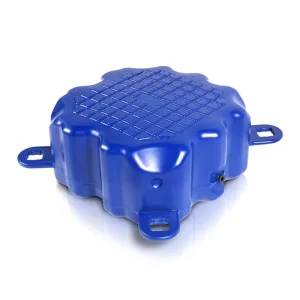
Modern platforms prioritize safety. By incorporating micro-embossed checkered patterns into the mold surface, our floating systems achieve class-leading skid resistance. The design provides traction for wet-foot pedestrian traffic while preventing biological growth and debris build-up.
Rigid docks break under heavy wave action. Modular systems rely on flexible, heavy-duty connecting pins that allow individual cubes to bend dynamically with water movement. This design absorbs wave energy, reducing structural stress on anchoring systems during high winds and typhoons.
Tailored marine flotation applications across diverse commercial sectors.
Industrial coastal operations require modular platforms that adapt to dynamic loads. Our modular cubes serve as heavy-duty work barges, floating salvage decks, dredging equipment anchors, and transport docks. Because HDPE resists oil, acids, saltwater, and organic compounds, these platforms require minimal maintenance, lowering lifetime operating costs compared to steel barges.
Modern aquaculture farms rely on modular floating walkways and cage supports to monitor and harvest offshore fish stocks. The non-toxic properties of virgin HDPE ensure zero chemical leaching, protecting sensitive aquatic life. Additionally, their high flexibility enables these platforms to withstand offshore swells, helping protect fish populations during storms.
As land availability decreases, solar installations are expanding onto reservoirs, mining pools, and lakes. Shenghuang's blow-molded floating systems provide stable structural foundations for solar modules. The high buoyancy-to-weight ratio keeps solar panels positioned correctly, while the water's natural cooling effect boosts PV conversion efficiency.
Wetlands, natural reserves, and municipal lakes require pedestrian walkways that do not disrupt local ecosystems. Our modular floating walkways float gently on the water's surface, requiring no excavation or concrete pilings. They adapt smoothly to seasonal water level fluctuations, providing safe, year-round access for visitors.
How advanced automation and material engineering deliver durability and structural strength.
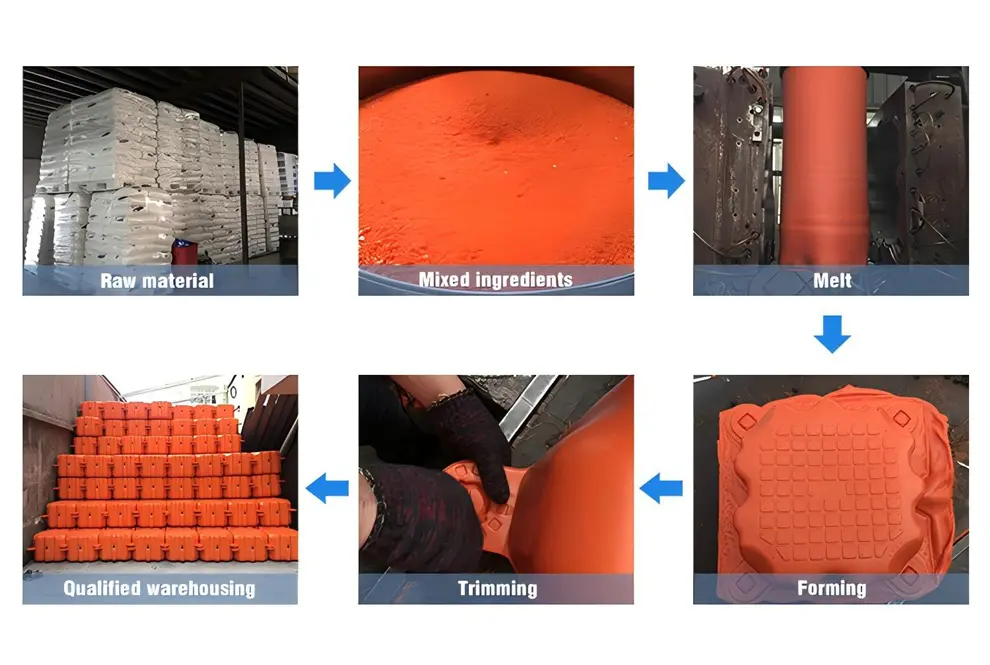
Shenghuang Industrial & Trade Blow Molding Factory leverages advanced plastics processing technology to produce modular floating cubes and heavy-duty blow-molded gear. Our automated production line ensures precise control over parameters like wall thickness, cooling rate, and structural density, producing consistent and reliable modular units.
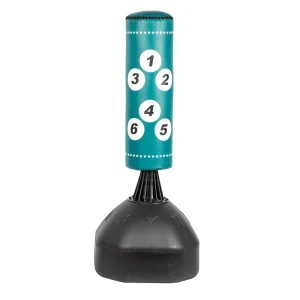
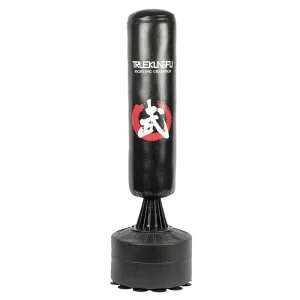
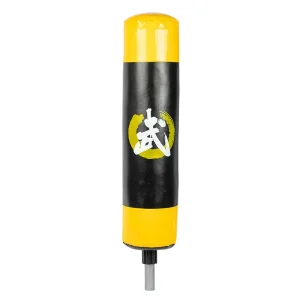
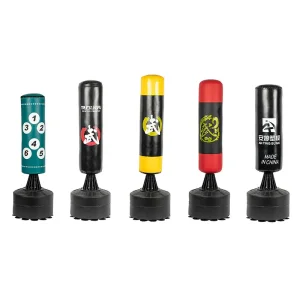
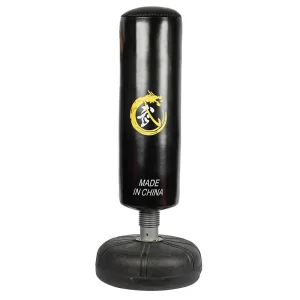
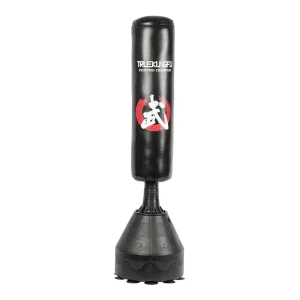
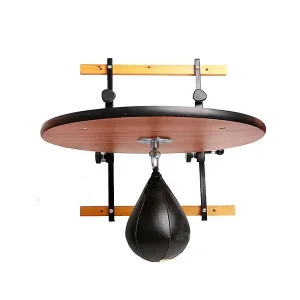
A key strength lies in our material formulating. We melt and shape high-impact, high-density polyethylene polymer chains to produce robust, hollow structures that absorb mechanical impacts and resist puncturing. Additionally, this high-pressure technology allows us to manufacture durable bases for athletic training equipment, including heavy-duty training base stations and boxing sandbag assemblies. Our capability to produce both buoyant marine cubes and heavy-duty sports training products highlights the versatility of our engineering processes.
We employ a dedicated engineering and quality assurance team focused on customer requirements.
Our adaptable R&D processes accommodate custom dimensions, color choices, and weight capacities.
Our production relies on recyclable plastics, reducing waste and energy consumption.
Our professional service teams provide assistance from design stages through layout planning and delivery.
Trusted by maritime contractors, industrial builders, and sports equipment brands worldwide.










Expert answers on design, installation, environmental impact, and maintenance.
Our modular HDPE floating docks are designed to handle rough weather conditions. Their modular structure allows the dock to flex and conform to wave shapes rather than resisting them rigidly, which dissipates wave energy. In storm-prone areas, proper anchoring is essential. Using heavy-duty anchoring accessories—such as steel guide piles with sliding collars, concrete sinkers, or elastic mooring systems—ensures the dock remains secure during high-wind events.
Yes. If there is no local distributor in your region, we can ship your modular floating dock system directly from our factory in Taizhou, Zhejiang. The system ships in standard sea freight containers, packed with all necessary connectors and anchoring hardware. We deliver directly to your nearest port or logistics terminal, and our team provides detailed installation layouts and video support.
No, the dock can remain in the water year-round. Our HDPE material retains its elasticity down to -60°C, resisting cracking and brittleness. The shape of our modular cubes is tapered, which helps the platform slide upward when surrounding water freezes, reducing lateral ice pressure.
Static ice does not damage the modular cubes. However, moving ice sheets or heavy ice flows in high-current waters can shear structures. If your installation location experiences moving ice flows during spring thaws, we recommend removing the modular dock for the winter or towing it to a protected cove to avoid damage from drifting ice.
For safe walking and stability, we recommend a minimum width of three modular cubes (approx. 1.5 meters). This width balances water displacement and weight distribution. Each single cube provides up to 350 kg/m² of buoyancy when fully assembled, keeping the platform level and stable for foot traffic.
Yes. Our modular cubes draw only 5 to 10 cm (2 to 4 inches) of water when unloaded. In shallow areas, the dock can rest flat on mud or sandy bottoms during low tide without damage. Ensure there are no sharp rocks or debris underneath, and make sure there is sufficient depth at the dock's edge for boat propulsion systems to clear.
Our blow-molding factory began operations in Taizhou in 2019. Over the years, we have expanded our capacity to become a prominent supplier of modular floating docks in China, manufacturing robust, UV-protected HDPE cubes and fitness training equipment for global commercial and industrial applications.
Browse our complete product range, featuring heavy-duty floating docks and blow-molded fitness training equipment.
 ShengHuang