Optimized OEM/ODM designs engineered for extreme durability, chemical resistance, and marine safety compliance, delivering precision and performance to Korean sourcing managers.
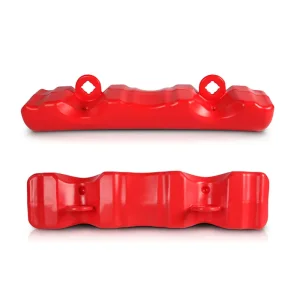
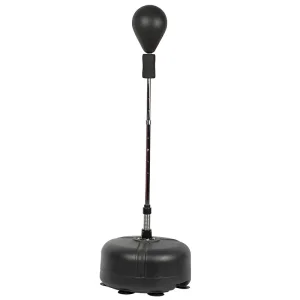
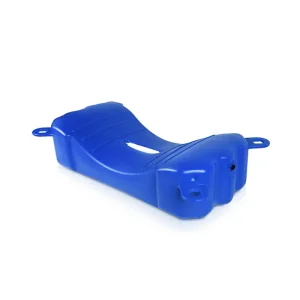
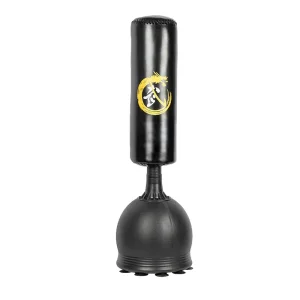
As one of the world's most dense and technologically advanced metropolitan areas, Seoul requires industrial components that meet strict performance criteria. From the Han River Renaissance infrastructure development projects to Gangnam’s premium fitness franchises, the demand for high-strength, weather-resistant plastic accessories has surged. Sourcing departments in South Korea are increasingly shifting toward manufacturers who can offer specialized, raw-material certification (such as food-grade, high-density polyethylene - HDPE) combined with competitive production cycles.
The city's maritime safety policies, coupled with rapid urbanization, have driven substantial public and private investments in floating modular docks, pontoons, and municipal water facilities. Crucially, engineering partners are seeking accessories that are tested to withstand the extreme seasonal temperature variations of the Korean peninsula—from freezing winters along the Han River to typhoons in late summer. This requires superior structural engineering, advanced UV stabilizers, and specialized blow-molding techniques.
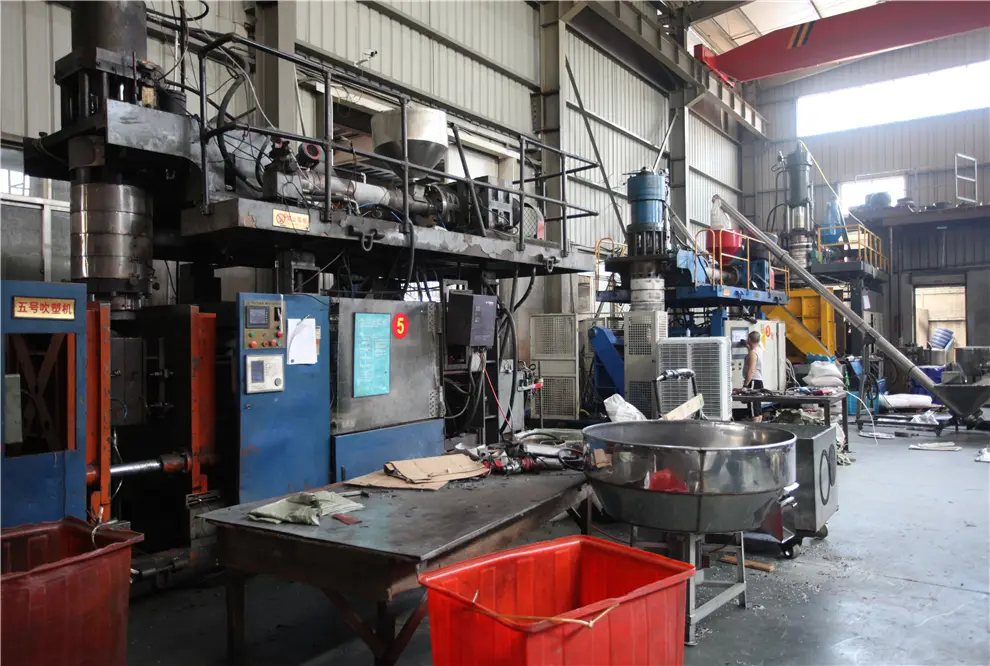
By partnering with Chinese manufacturing clusters in regions like Huangyan, Taizhou, Zhejiang (the world-famous mold capital of China), Seoul companies gain unprecedented economic and structural advantages. Zhejiang's integrated supply chain ecosystem allows for rapid prototyping, mold modification, and raw material sourcing at prices unmatched globally.
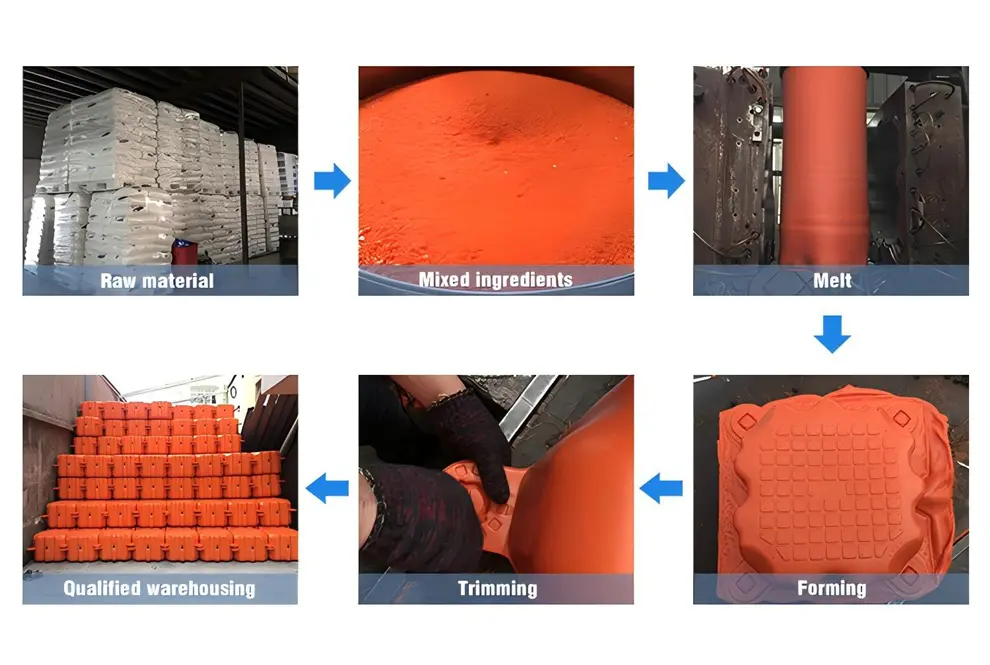
Shenghuang Industrial & Trade Blow Molding Factory leverages state-of-the-art automated production lines to achieve continuous, high-speed molding. This automation significantly reduces labor-cost overheads while preserving dimensional accuracy across high-volume orders. For Korean procurement specialists, this translates to faster turnaround times, consistent quality, and a highly streamlined supply chain that operates with direct logistics lanes from Ningbo/Shanghai ports straight to Incheon and Busan.
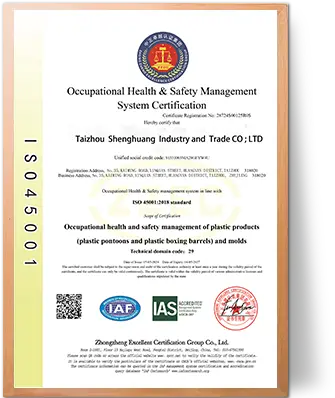
Furthermore, our rigorous compliance with ISO 9001 and environmental regulations guarantees that all products imported into South Korea meet local safety standards, including chemical safety certificates and material recyclability requirements.
At the center of our manufacturing philosophy is high-molecular-weight High-Density Polyethylene (HDPE). This advanced polymer provides the optimal balance of stiffness, impact strength, and environmental stress-crack resistance (ESCR). For floating structures, the material must resist biological growth, salt corrosion, UV radiation, and hydrocarbons.
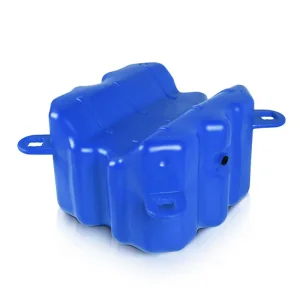
Our formulation incorporates proprietary UV stabilizers that prevent polymer degradation under prolonged solar exposure. This extends the service life of our marine pontoon systems to over 15 years under typical atmospheric conditions. The manufacturing process of blow molding ensures a seamless, hollow, single-piece structure that eliminates joints and weak points, rendering the dock virtually leakproof and capable of bearing substantial static and dynamic loads.
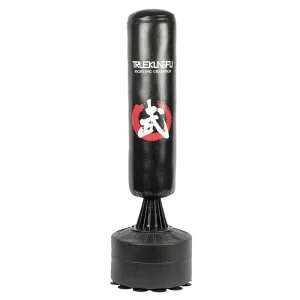
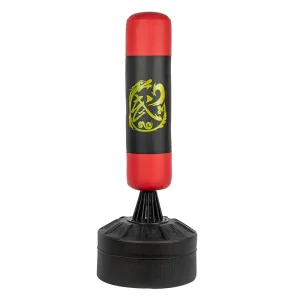
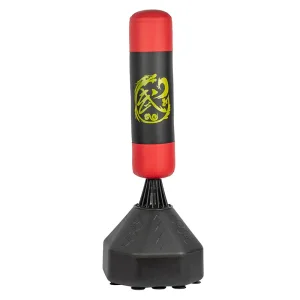
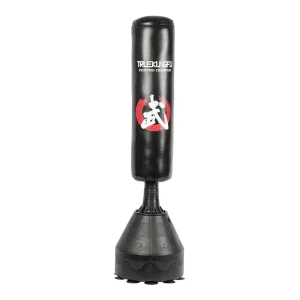
For sports fitness accessories like our boxing sandbags, we employ optimized elastomer compounds mixed with polyolefins to ensure superior flexibility, energy absorption, and long-term mechanical resilience under high-impact conditions.
Founded in 2019, a leading innovator in the plastic blow molding industry located in Huangyan, Taizhou, Zhejiang—the manufacturing heartland of precision plastics.
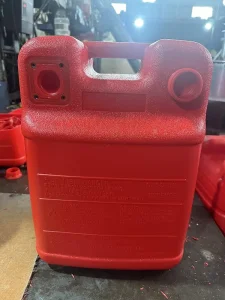
Shenghuang Industrial & Trade Blow Molding Factory is a trusted supplier of high-quality blow-molded products across multiple sectors, including packaging, automotive parts, household appliances, and environmental applications. Our facility is equipped with state-of-the-art automated blow molding production lines, allowing us to efficiently produce a wide range of plastic products, such as plastic containers, bottles, pontoons, automotive parts, and custom-designed solutions.
These advanced production lines ensure that Shenghuang can meet the growing demand for high-precision, durable, and cost-effective plastic products. The company adheres strictly to the ISO 9001 quality management system, ensuring that every stage of production—from raw material procurement to final product testing—meets stringent global standards.
One of Shenghuang's key strengths is our commitment to environmental sustainability. The company actively promotes green manufacturing practices by using recyclable and eco-friendly materials in its production processes. Shenghuang continuously invests in research and development to enhance its products' environmental footprint, reducing waste and energy consumption while ensuring that all products comply with global environmental regulations. As part of its sustainability strategy, the company has also focused on improving material efficiency and adopting energy-saving technologies throughout its production facilities.
In addition to our dedication to sustainability, Shenghuang places a strong emphasis on technological innovation. The company boasts a dedicated R&D team focused on developing new high-performance materials and advanced molding techniques to meet the evolving needs of our customers. This focus on innovation allows Shenghuang to offer a wide variety of customized solutions that are tailored to specific customer requirements, including specialized products for high-performance and industrial applications.






From municipal engineering projects to elite athletic training facilities, our customized product profiles serve high-demand environments in Seoul and globally.
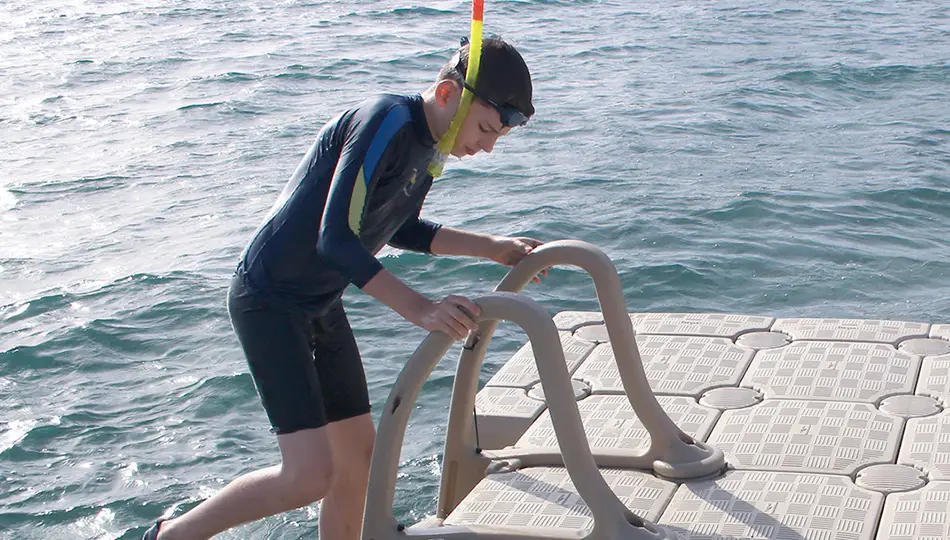
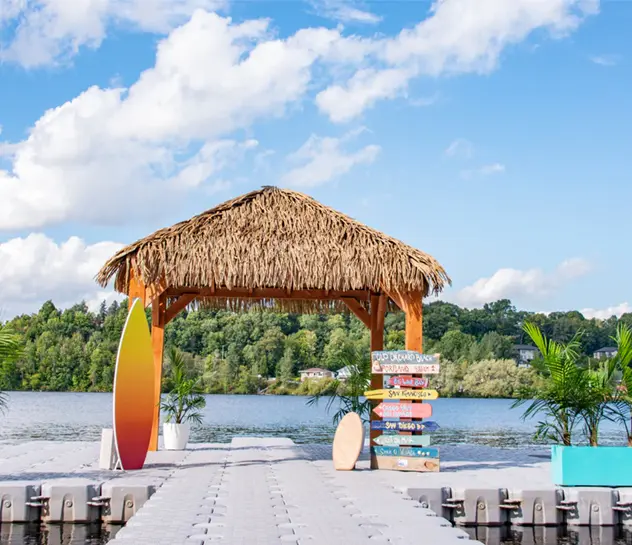
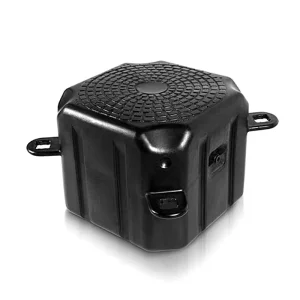
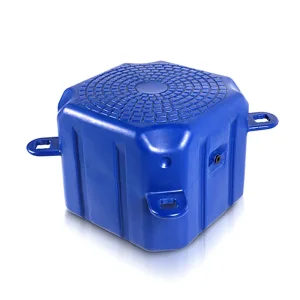
Modular floating systems configured for leisure marinas, tourist ferry terminals, and riverbank extensions along metropolitan waterfronts.

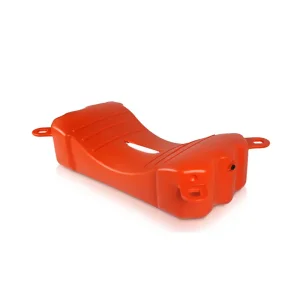
High-buoyancy HDPE platforms engineered to support aquaculture, heavy water monitoring systems, and utility walkways.
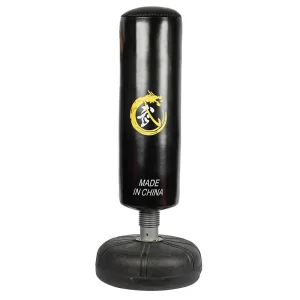
Sturdy boxing sandbags, training targets, and base mounts supplied to major commercial gym networks and professional training camps.
Expert insights addressing critical questions related to product durability, installation, shipping logistics, and compliance for Korean procurement sectors.
Our modular HDPE floating dock systems are highly resilient during severe typhoons, largely thanks to the elasticity of high-density polyethylene and our robust coupling system. Unlike rigid structures, the modular elements distribute tidal energy and waves across the entire installation. This flex-capability minimizes local shear stresses. Success depends heavily on proper anchoring design—specifically using flexible anchor lines, structural pylons, or concrete sinkers that match the maximum local tidal range.
Yes. In regions without a dedicated local distributor, we coordinate direct factory shipping (FOB/CIF) to the Port of Incheon or Port of Busan. We provide all the necessary export documentation, Certificates of Origin, and technical layout maps to facilitate custom clearance. Sourcing managers can easily manage local haulage from the maritime terminal directly to the project installation site.
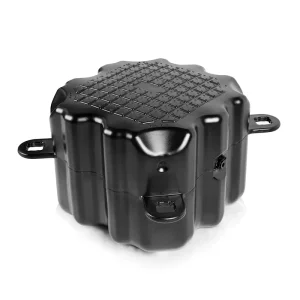
Absolutely. The dock system is formulated to withstand freezing and can remain in the water throughout winter, including in sub-zero and salt-water environments. The geometric design of each floating cube incorporates angled side profiles that allow the ice sheets to push the dock upwards rather than compressing it horizontally. This specialized design prevents structural crushing as the ice expands.
The primary concern during thaws is moving ice. In bodies of water where thick ice breaks up and flows rapidly with a heavy current, large, high-momentum ice blocks can severely damage any marine dock. If your installation location expects moving ice flows, we recommend temporarily dismantling the modular platform and storing it onshore during late winter, or installing robust ice deflector pylons upstream.
For safe public use and optimal stability, we recommend a minimum platform width of three modular cubes (approx. 1.5 meters). This width balances buoyancy and distributes body weight effectively across the cubes. Each cube provides up to 350 kg/m² of buoyancy, preventing tipping or excessive pitching when people walk near the edges.
Yes. The unladen draft of our cubes is only about 5 to 10 cm (2 to 4 inches). This allows them to float in extremely shallow water. In tidal areas where the dock rests on the seabed during low tide, the HDPE structure is strong enough to bear the weight. Ensure that the seabed is free of sharp rocks or debris that could damage the underside of the cubes, and that there is sufficient water depth at the launch point to prevent grounding.
We began our dedicated blow-molding operations in 2019, growing rapidly into a key exporter of marine platforms and fitness accessories in China. Through technological development and continuous expansion, we supply clients across Europe, North America, and key Asian hubs—including South Korea's growing marine and sports markets.
Explore our expanded list of high-grade blow-molded docks, heavy training bags, and specialized accessories engineered for harsh commercial environments.
 ShengHuang