Premium OEM solutions engineered for extreme durability, buoyancy, and heavy-duty industrial performance.
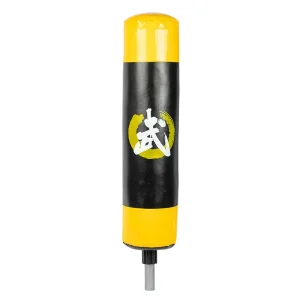
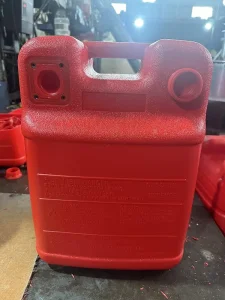
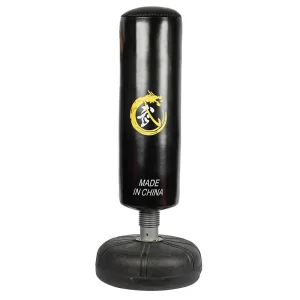
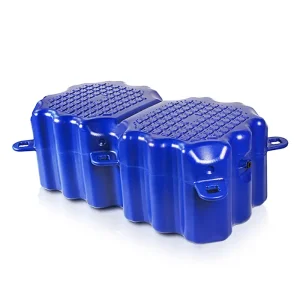
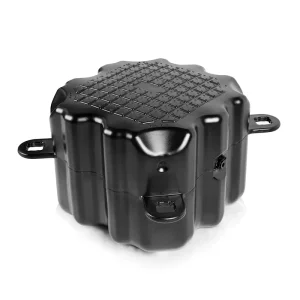
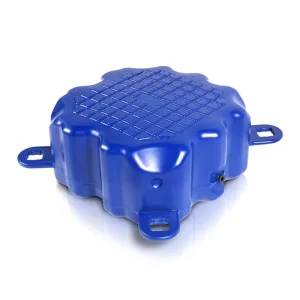
A trusted global pioneer in advanced blow molding technology and marine pontoon infrastructure
Founded in 2019, Shenghuang Industrial & Trade Blow Molding Factory has quickly risen to become a premier innovator in the high-molecular-weight plastic blow molding industry. Our global headquarters is strategically situated in Huangyan, Taizhou, Zhejiang Province—the globally renowned hub of plastic and mold manufacturing in China. Benefiting from this robust regional manufacturing infrastructure and a highly integrated supply chain, we deliver state-of-the-art blow-molded engineering solutions to clients worldwide.
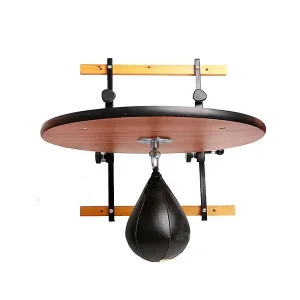
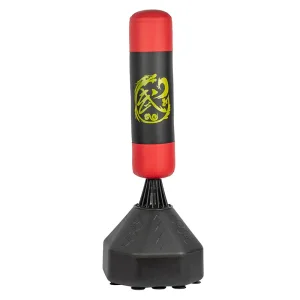
We specialize in the high-precision processing of High-Density Polyethylene (HDPE) for diverse applications, ranging from environmental engineering and aquaculture pontoon components to heavy-duty industrial packaging, automotive parts, and customized outdoor sporting equipment. By combining advanced polymer materials with state-of-the-art automated manufacturing, we set new industry benchmarks for performance and reliability.
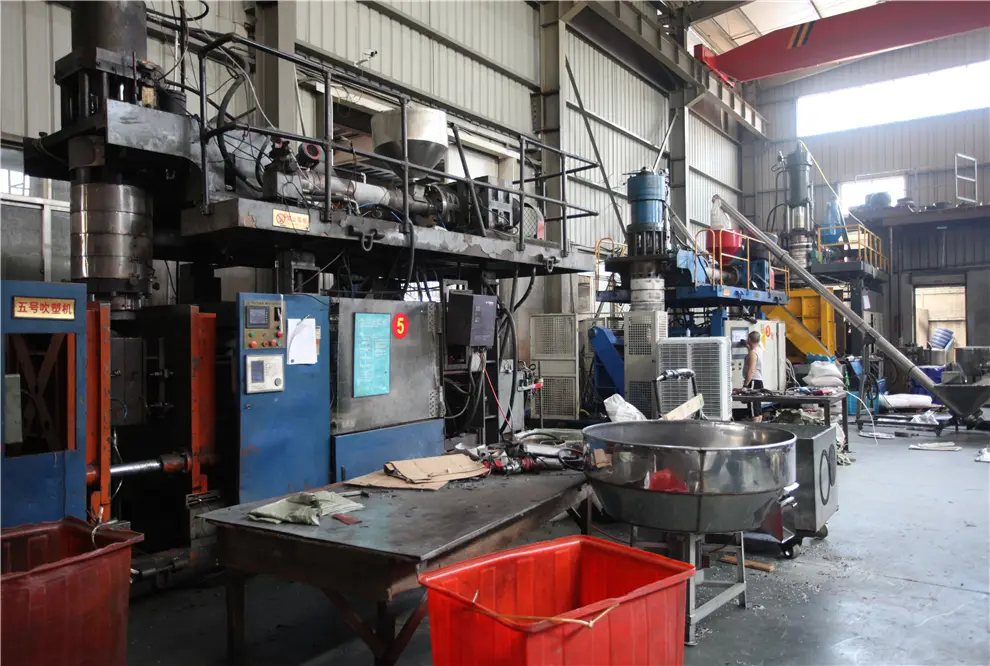
Our manufacturing facility features fully automated, multi-layer extrusion blow molding lines. This high-efficiency setup ensures consistent wall thickness, high impact strength, and rapid production cycles for our signature floating docks, portable fuel tanks, and structural components.


Analyzing the global transition toward modular polymer floating structures in maritime infrastructure
The global marine infrastructure market is undergoing a significant transition. Traditional fixed wooden docks, concrete piers, and heavy steel structures are increasingly being replaced by advanced modular floating platforms. Among these, High-Density Polyethylene (HDPE) modular pontoon systems, commonly recognized globally as Xinyi-style floating docks, have emerged as the industry standard. This change is driven by their cost-effectiveness, quick deployment, zero-maintenance design, and outstanding resistance to environmental stress.
Combining technological innovation, environmental sustainability, and custom engineering capabilities
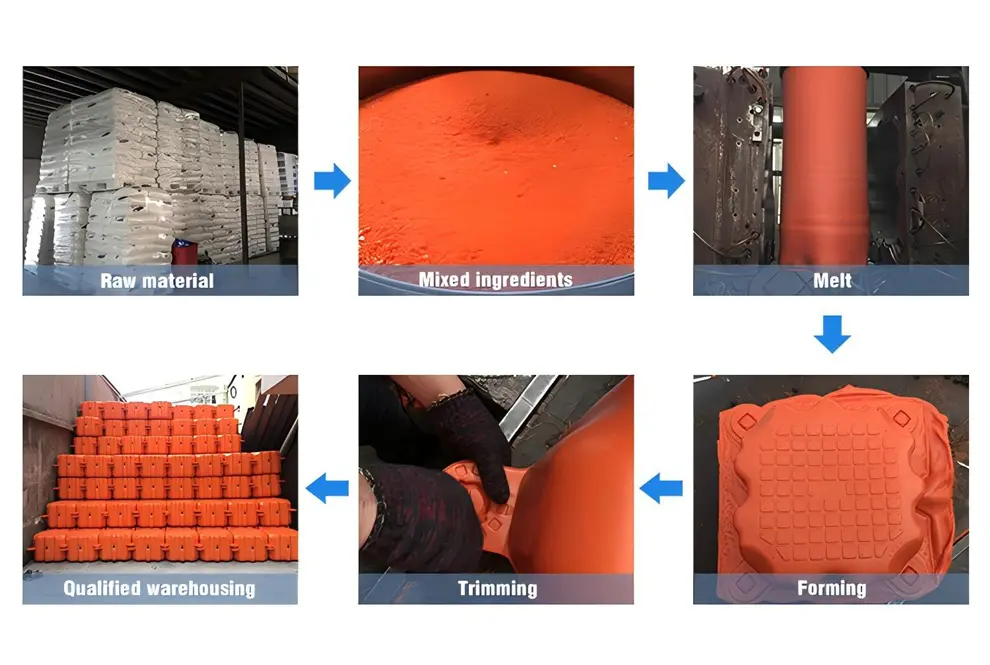
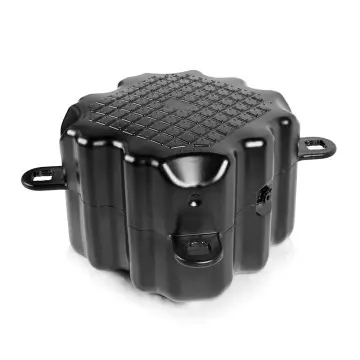
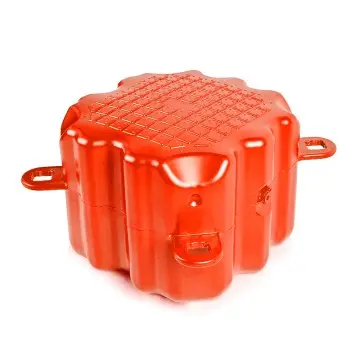
Equipped with state-of-the-art automated blow molding production lines, ensuring consistent wall thickness and exceptional structural integrity across all pontoon cubes.
We actively promote green manufacturing by using 100% recyclable, non-toxic polymers that prevent chemical contamination of marine and freshwater ecosystems.
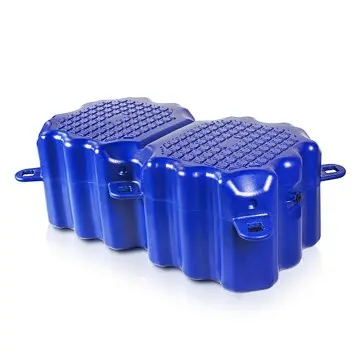
Our modular interlocking pins allow the platform to flex with wave movements, dissipating kinetic energy and maintaining stability in harsh weather conditions.
How modular floating dock engineering is evolving to support smart and sustainable coastal developments
Our research and development program focuses on enhancing the chemical properties of High-Density Polyethylene. By incorporating nano-clay and graphene additives, we aim to increase structural load capacity and puncture resistance while reducing thermal expansion. This ensures that the pontoon grid remains aligned even during extreme summer temperature swings.
The future of floating structures is smart and connected. Shenghuang is currently developing modular cubes equipped with internal sensor cavities. These built-in chambers allow operators to install real-time water quality monitoring devices, water temperature sensors, and load strain gauges. This data is transmitted back to central management systems via LoRaWAN, enabling predictive maintenance for public marinas and marine research installations.
A major advantage of modular systems is their adaptability to varied local conditions:
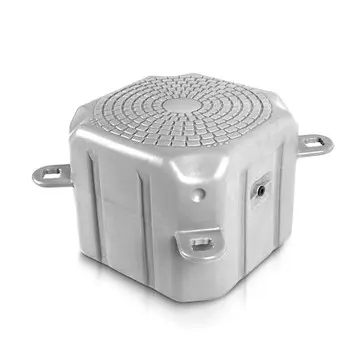
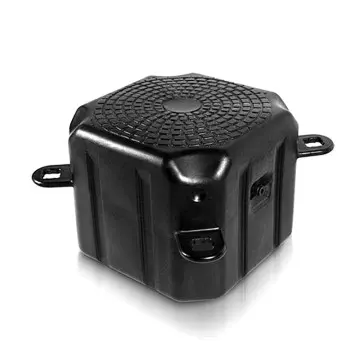
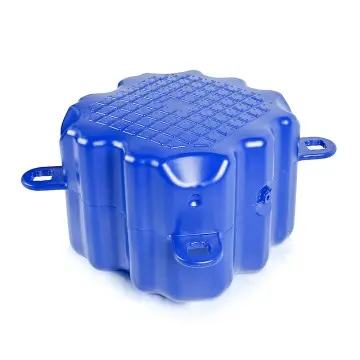
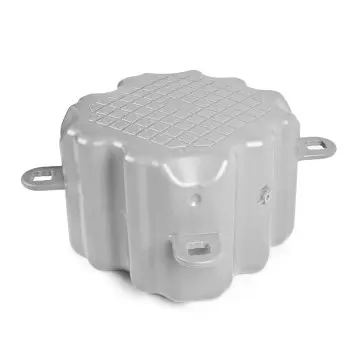
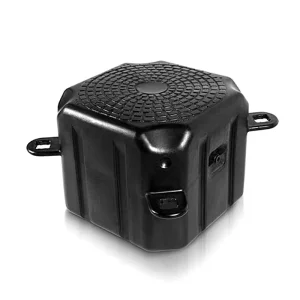
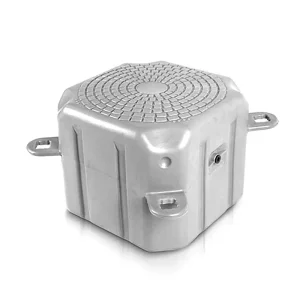
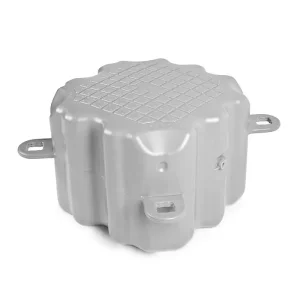
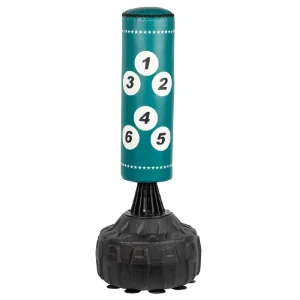
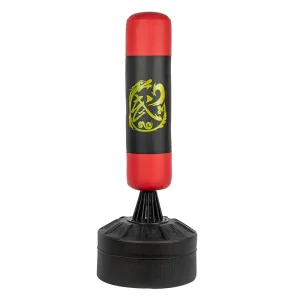
Explore our specialization in blow-molded industrial pontoons and heavy-duty training gear
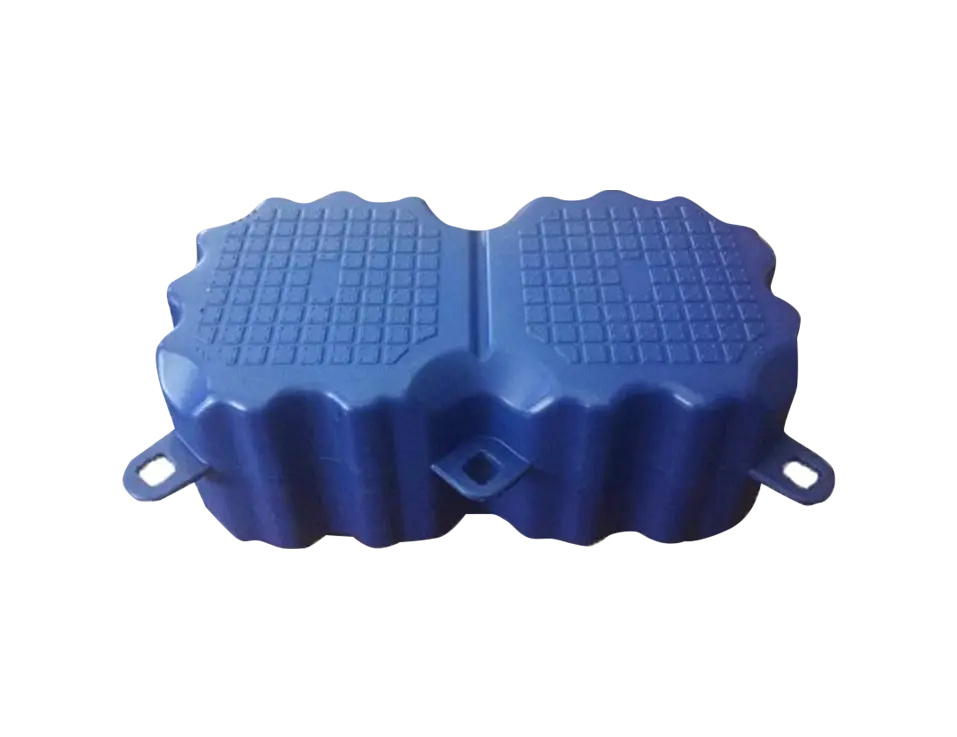
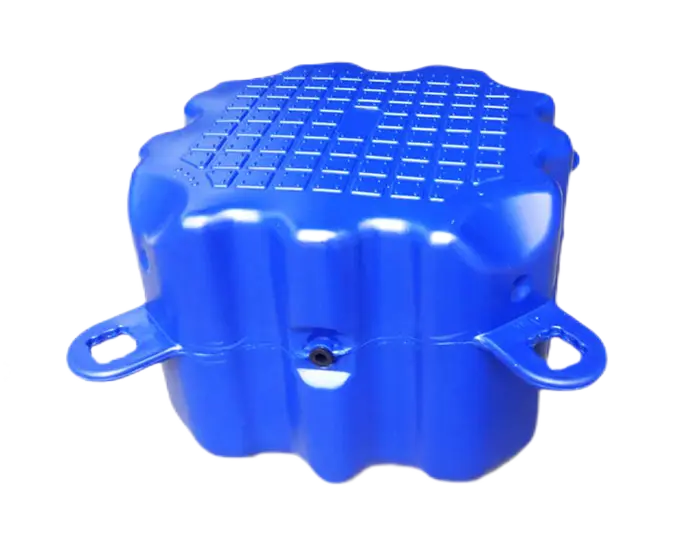
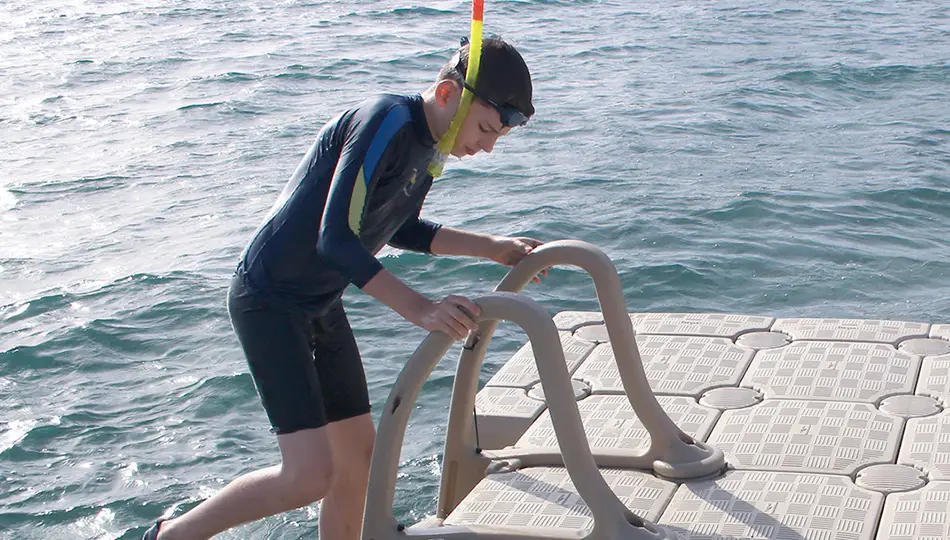
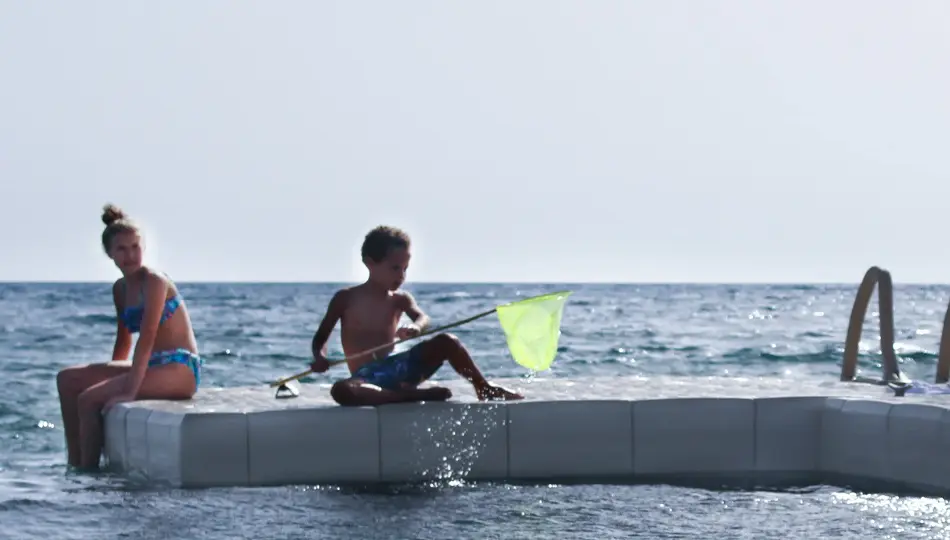
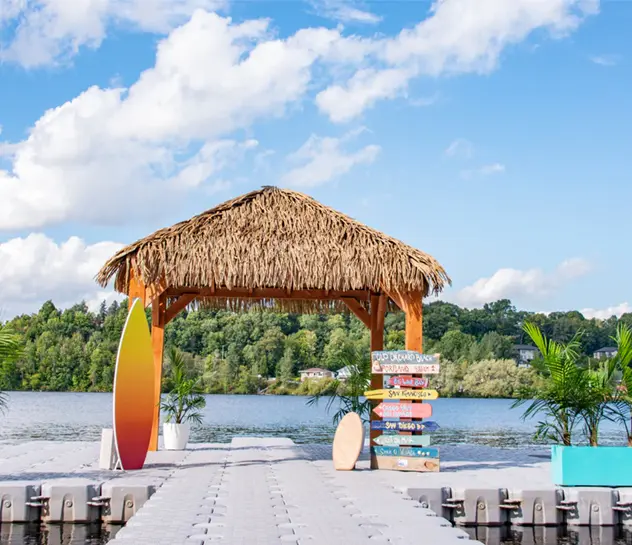
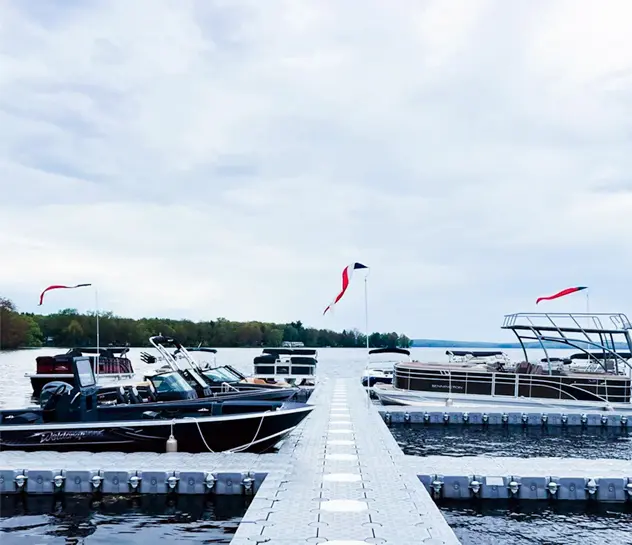
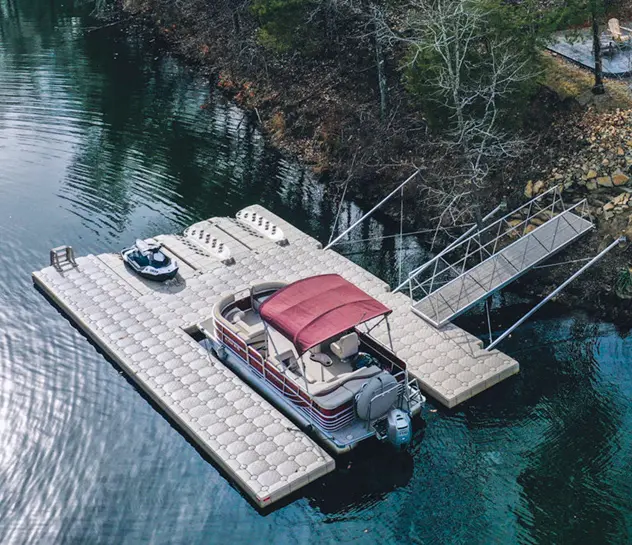
Integrated solutions engineered for enterprise clients, municipal projects, and marine operators
Modern offshore fish farms require walkways that can support personnel, feed systems, and maintenance gear. Our modular layouts are built to adapt to active coastal currents, offering a stable and secure work platform. They help minimize the operational downtime that often affects traditional fixed wood or metal structures.
For municipal projects, environmental studies, and emergency bridge needs, our modular docks can be quickly configured into pedestrian walkways and access roads. The non-slip surface design helps prevent accidents, and the high-load capacity ensures safety for public access.
Developing floating solar PV arrays requires durable support structures. Our UV-stabilized, high-density polyethylene (HDPE) platforms are designed to hold up solar panels and electrical cable trays. They remain stable and reliable through decades of constant exposure to water and sun.
We work closely with distributors and brand owners to offer custom blow molding. This service includes tailored dimensions, specific buoyancy levels, custom corporate colors, and built-in brand logos, ensuring the final product matches your exact business and design requirements.
We collaborate with major marine engineering firms, sporting equipment distributors, and municipal buyers worldwide.










Expert engineering answers to critical purchasing, installation, and deployment questions
Our modular HDPE design behaves dynamically under wave motion. Unlike rigid docks that can break against high waves, the interlocking pin design allows the platform to flex and bend, dissipating wave energy. Docks constructed from our premium HDPE modules have shown excellent survival rates in tropical storm conditions when properly anchored with tensioned cables or dynamic guide piles.
Yes. The dock can remain in the water year-round, including in freezing conditions and saltwater environments. The outer edge of each modular cube is designed with a slight taper. When ice forms and expands, it exerts upward pressure on the tapered sides, lifting the dock to rest safely on top of the ice sheet rather than allowing it to be crushed.
The primary concern with ice is dynamic movement. If local winter conditions involve heavy water currents and large, moving ice floes, these can exert sheer forces that may damage any stationary structure. In environments with moving ice floes, we recommend detaching the modular assembly in late autumn and towing it to a sheltered area or storing it on land.
The modular cubes draw only 2 to 4 inches (5 to 10 cm) of water when unloaded. The critical factor is having sufficient depth at the transition point where boats or personal watercraft mount the dock. The system can rest directly on soft mud or sandy bottoms during low tide, provided there are no sharp rocks or debris that could puncture the hulls when weighted.
For safe public use and stable walking, we recommend a minimum platform width of three modular cubes (approximately 1.5 meters). This width balances buoyancy and offsets lateral movement, providing a solid platform that easily supports multiple users walking side-by-side.
For regions without an active local distributor, we handle export and shipping logistics directly from our Taizhou factory. We arrange LCL (Less than Container Load) or FCL (Full Container Load) ocean freight directly to your nearest commercial sea port or freight terminal for convenient pickup.
Our production facility in Huangyan, Taizhou, began manufacturing blow-molded floating dock modules in 2019. Over the years, we have grown to become a leading supplier in China, delivering high-performance marine platforms, structural pontoons, and sports training equipment globally.
Premium blow-molded equipment designed for marine applications and professional sports training facilities
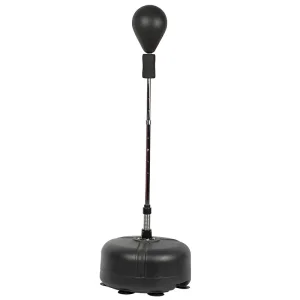
 ShengHuang