Premium OEM/ODM modular float structures, custom brackets, and integrated multi-purpose blow-molded industrial solutions.
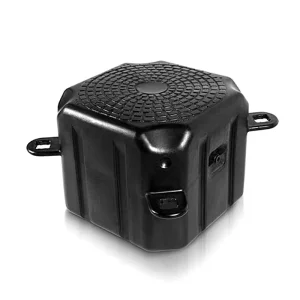
Navigating the transition from fixed wooden and heavy concrete docks to modular HDPE marine engineering systems.
The global marine sector is experiencing a monumental transformation in floating dock technology. Traditionally, ports, resorts, fish farms, and industrial waterfronts relied on fixed wood structures, steel frames, or heavy concrete pontoons. However, these systems present significant vulnerabilities: high carbon footprint, rapid degradation from saline and biological exposure, high installation overheads, and failure during extreme weather events. Today, modern maritime planning heavily favors High-Density Polyethylene (HDPE) modular pontoon docks. Driven by the demands of coastal tourism development, inland waterway expansions, and robust commercial aquaculture, the global floating dock market is scaling rapidly.
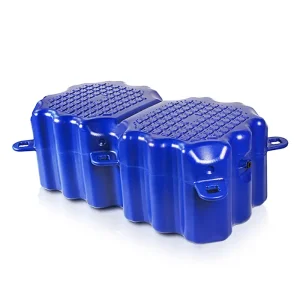
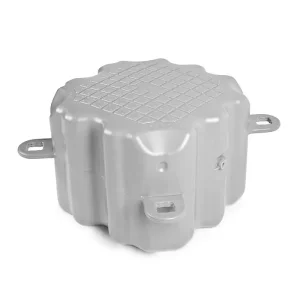
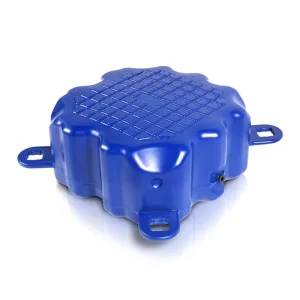
From an engineering standpoint, modular HDPE pontoon systems offer a superior strength-to-weight ratio. Engineered cubes operate as individual cellular units, dispersing hydrodynamic loads and structural weight evenly. Under tidal surges, hurricanes, and severe wind loading, these systems flex and absorb kinetic energy rather than snapping or collapsing like rigid structures. This adaptability makes modular HDPE systems the premium choice for climate-resilient coastal infrastructure.
"The shift toward modular synthetic marine architecture represents more than just material substitution—it is a total operational redesign. Today’s industrial operations require fast installation, zero ongoing maintenance, and an architectural platform that can adapt dynamically to fluctuating water levels."
HDPE is a thermoplastic polymer produced from ethylene monomer. Its structural stability stems from its high molecular weight and linear polymer structure, resulting in minimal branching and high density. In marine applications, high density equates to low water absorption, exceptional chemical resistance, and high tensile strength. When manufactured using precise blow molding processes under strict thermal conditions, the resulting pontoon cubes are structurally isotropic and hermetically sealed. They resist cracking, biological fouling, marine boring worms, acids, and diesel fuel spills, maintaining structural integrity for decades without chemical treatments.
Commercial B2B buyers—from government port authorities to private marina operators and industrial developers—require suppliers with robust customized OEM capabilities. Procurement processes in the marine infrastructure sector demand strict documentation, regulatory compliance, and a resilient supply chain that guarantees consistent thickness, standardized dimensions, and verified load capacities.
Key global procurement considerations focus heavily on:
Shenghuang Industrial & Trade Blow Molding Factory ensures all components meet these international standards, providing commercial buyers with reliable technical documentation and testing protocols.
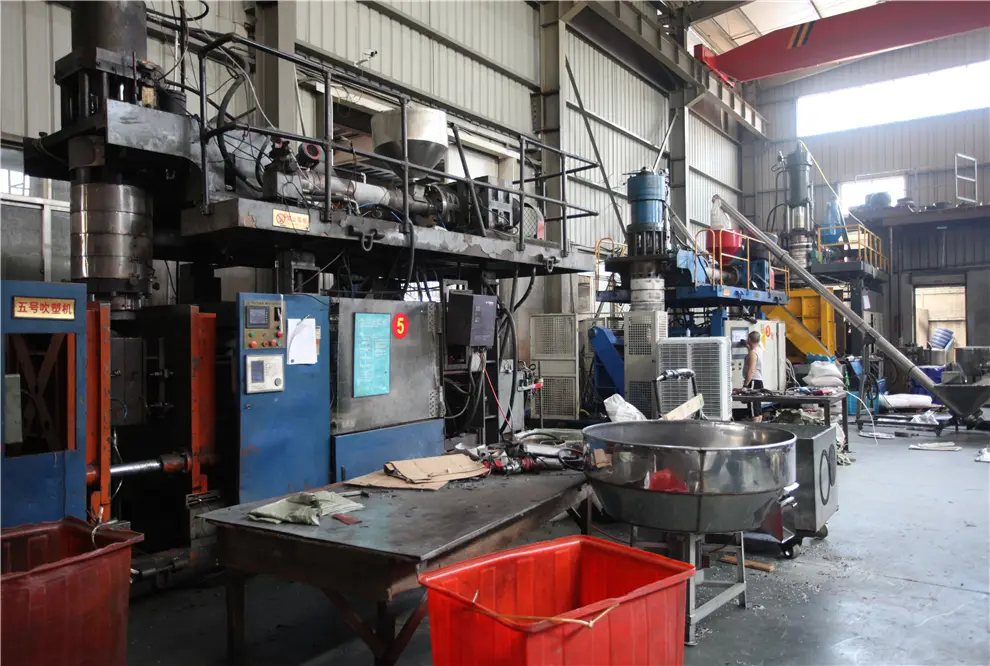
Inside the advanced blow molding operations of Shenghuang in Huangyan, Taizhou, Zhejiang.
Located in Huangyan, Taizhou, Zhejiang Province, Shenghuang Industrial & Trade Blow Molding Factory operates at the center of the world's premier plastic molding and tooling industrial cluster. Since its foundation in 2019, Shenghuang has leveraged this advanced manufacturing infrastructure to integrate mold-making, raw material sourcing, production, and quality control into a single, cohesive vertical supply chain. Under Industry 4.0 principles, we combine state-of-the-art automated blow molding machinery with continuous parametric monitoring to produce high-precision floating pontoons and complex high-density industrial shapes.
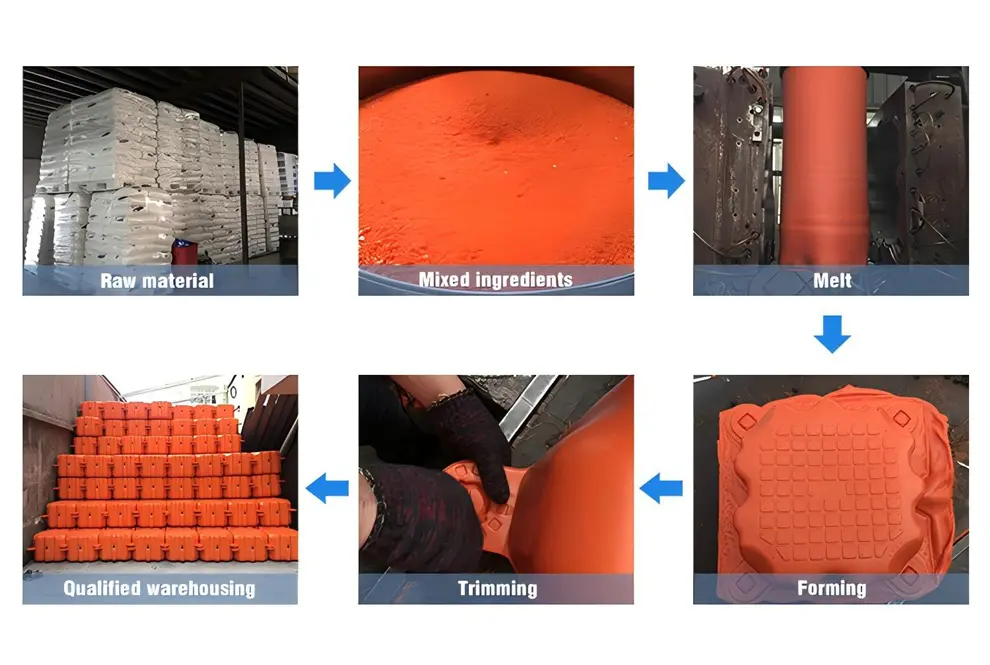
Our factory's machinery utilizes automated raw material dosing and gravimetric mixing systems, ensuring that premium HDPE resins are blended with exactly specified percentages of anti-UV additives, color pigments, and anti-oxidants. Through deep blow molding technology, we maintain uniform wall thickness across all corners and complex contours of our floats—a critical factor in preventing stress fractures at structural corners where forces concentrate under waves.
Zhejiang Supply Chain Advantage: Thanks to Huangyan's designation as the "Mold Town of China," Shenghuang develops, tests, and refines new tooling shapes within weeks, compared to months elsewhere. This agility directly benefits OEM and ODM clients requiring bespoke dimensions, surface patterns, or connection mechanisms.
Our commitment to environmental sustainability goes hand in hand with our operational efficiency. We operate closed-loop material recovery systems, where any plastic flash or scrap is immediately granulated and reprocessed for non-critical components. Energy-saving heating zones on our extrusion barrels reduce overall power consumption, aligning our operations with global corporate environmental standards without compromising product quality or production speed.
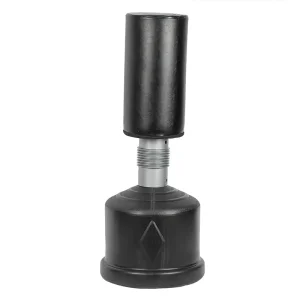
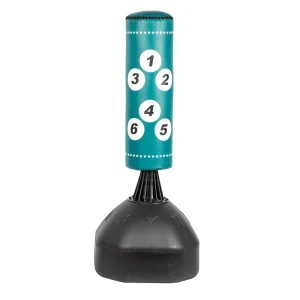
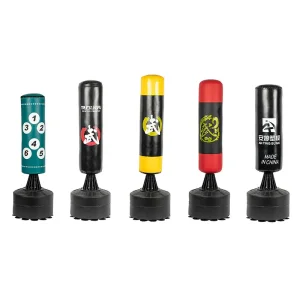
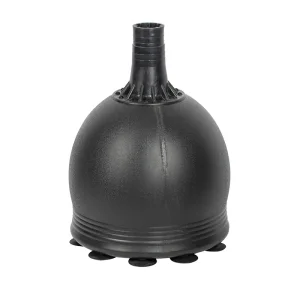
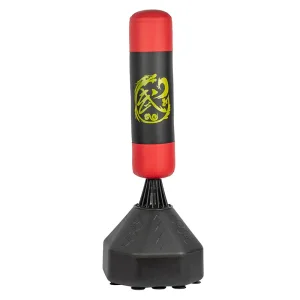
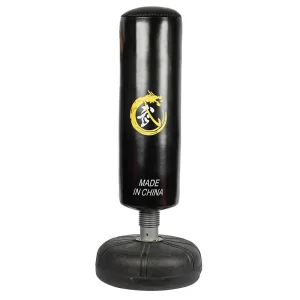
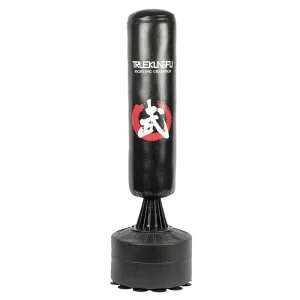
Shenghuang’s industrial mastery extends beyond marine platforms to heavy-duty sporting goods. Utilizing the same high-tonnage blow molding machinery and high-density polymers, we manufacture industrial-grade fitness gear, such as Boxing Sandbags and heavy base systems. This dual specialization demonstrates our expertise in managing high-stress polymer products. The thick-walled bases designed for athletic training equipment are engineered to withstand repeated mechanical impacts, utilizing the same molecular bonding principles that protect our marine pontoons from vessel impacts and shifting tides.
Adapting modular plastic platforms to diverse commercial and extreme environmental conditions globally.
Providing high-buoyancy, slip-resistant walkways around open-sea net cages. Resists highly saline environments and chemical biological treatments while remaining stable for heavy equipment transportation.
Rapidly deployable floating platforms for seasonal festivals, exhibitions, or temporary workspaces. Interlocking pin systems ensure fast, tool-free installation and removal by minimal personnel.
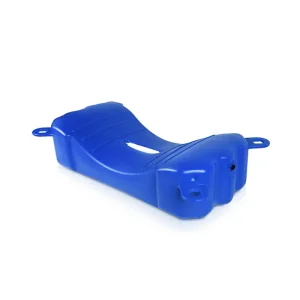
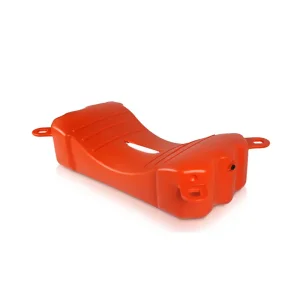
Integrated U-shaped craft ramps and low-profile docks for pristine ecological zones. HDPE’s inert characteristics prevent the leaching of microplastics or toxic preservatives into local water systems.
Detailed analysis of modular floating docks regarding environmental forces, logistics, and material performance.
Our HDPE cubes are modular and interconnected via heavy-duty elastic connecting pins. This design distributes structural strain across the entire system rather than focusing it at key points, allowing the dock to flex along with tidal changes and waves. In the event of a typhoon or hurricane, the platform behaves as a fluid structure that adapts to wave movements. For proper performance in storm zones, the anchoring system must be specified with dynamic slide piles, self-adjusting anchors, or elastic mooring lines.
Yes. The modular dock system can remain in freezing water throughout the winter. The outer shell of each cube is designed with a slight outward taper and smooth, high-density polyethylene surface. As water freezes and expands, the ice squeezes the docks, causing the cubes to pop upward onto the surface of the ice sheet rather than becoming crushed. However, if the site experiences heavy moving ice flows or thick ice sheets, the dock should be uninstalled or moved to a protected cove to prevent physical damage.
High-Density Polyethylene is highly resistant to saltwater degradation, marine organisms, and common fuel spills. It does not rust, rot, or warp like wood or steel. The compound includes UV stabilizers that slow degradation from solar radiation. Under normal marine conditions, these systems have a projected service life exceeding 15 years with minimal maintenance.
The system can operate in shallow water. Empty, the cubes float with a draft of only 5 to 10 cm (2 to 4 inches). As a result, they can sit directly on mud, sand, or gravel bottoms during low tide, provided there are no sharp rocks or debris that could puncture the plastic. For applications involving boats or jet skis, the critical factor is ensuring enough water depth at the launch point to clear the vessel's hull and motor.
For standard pedestrian walkways and gangways, we recommend a minimum width of three cubes (~1.5 meters). This width provides a stable walking platform that distributes weight evenly, reducing tipping or pivoting as people walk. Industrial and heavy-duty load platforms can be expanded as needed using additional interlinked columns to meet safety regulations.
Explore our complete manufacturing catalog, featuring specialized marine configurations and heavy-duty blow-molded industrial equipment.
 ShengHuang