Explore our leading selection of modular dock platforms, pontoons, and specialty manufacturing goods, produced directly to global distribution specifications.
Analysis of modular float solutions for PWC launches, luxury marinas, environmental monitoring, and marine logistics.
As global coastal recreation and nearshore aquaculture operations multiply, the demand for adaptable marine docking solutions has surged. Commercial marine structures face constant challenges: varying water levels, strict environmental mandates, fluctuating chemical exposures, and wave shear. Traditional treated wood and concrete berths degrade quickly under severe marine conditions and leach toxins into water ecosystems.
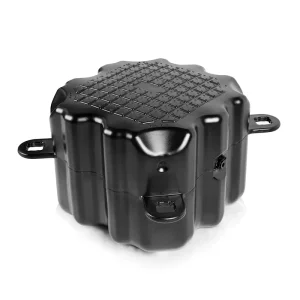
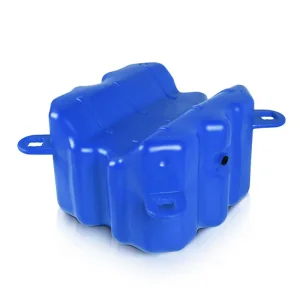
Modern modular OEM Floating Jet Docks have emerged as the standard. Fabricated from blow-molded High-Density Polyethylene (HDPE), these platforms adjust to tide changes, remaining level with vessel decks during operations. This capability is crucial for public marinas, search-and-rescue teams, and aquaculture farms, where stable platforms are essential for safety and efficiency.
The rise of Personal Watercraft (PWC) and Jet Skis has reshaped commercial waterfront spaces. Standard flat pontoons can damage fiberglass hulls and struggle with dry launch requirements. Drive-on jet ski docks use concave-convex and U-shaped configurations to solve these issues, enabling operators to drive vessels directly onto the dock using the craft's thrust.
The modular layout lets operators configure layouts on the fly. Modules connect via industrial pins, allowing extensions from narrow gangways to expansive event spaces or floating helipads. Industrial buyers benefit from standardized modular pieces, simplifying replacement, relocation, and expansion without structural reconstruction.
Nearshore environments range from warm tropical regions to icy sub-arctic zones, each presenting distinct challenges. Tropical docks require high UV stabilization to prevent polymer degradation. Sub-arctic regions require docks that can withstand water freezing and ice pressure. In these cold climates, HDPE's flexibility allows docks to rise above shifting ice sheets rather than getting crushed.
For shallow waters, such as tidal marshes and riverbanks, floating docks only draft 2 to 4 inches when unloaded. This minimal draft protects shallow ecosystems by preventing bottom dragging, ensuring safe operation during low tide while supporting shoreline conservation.
Advancing plastic blow molding technologies from Huangyan, Taizhou since 2019.
Founded in 2019, Shenghuang Industrial & Trade Blow Molding Factory is a leading innovator in the plastic blow molding industry. Headquartered in Huangyan, Taizhou, Zhejiang—an area known for its robust manufacturing infrastructure—the company has quickly grown into a trusted supplier of high-quality blow-molded products across multiple sectors, including packaging, automotive parts, household appliances, and marine applications.
Our facility is equipped with automated blow molding production lines. These lines allow us to efficiently produce a wide range of plastic products, including plastic containers, bottles, pontoons, automotive parts, and custom-designed solutions. These advanced production lines ensure that Shenghuang can meet the growing demand for high-precision, durable, and cost-effective plastic products. The company strictly adheres to the ISO 9001 quality management system, ensuring that every stage of production—from raw material procurement to final product testing—meets international standards.
One of Shenghuang's core strengths is its commitment to environmental sustainability. The company actively promotes green manufacturing practices by using recyclable and eco-friendly materials in its production processes. We continuously invest in research and development to improve our products' environmental footprint, reducing waste and energy consumption while ensuring all products comply with global environmental regulations. As part of our sustainability strategy, we focus on material efficiency and adopt energy-saving technologies throughout our production facilities.
Every pontoon and dock module is built in compliance with international quality frameworks to ensure long-term marine reliability.

ISO 9001 Quality Audit
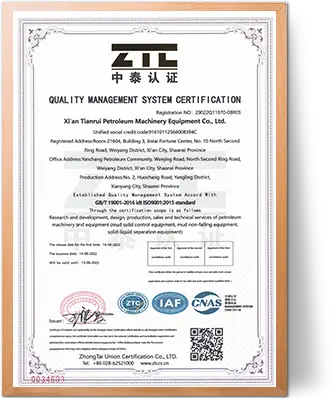
Environmental Conformity

Safety Standard Certificate
Technical breakdown of HDPE modular components, structural integrity, and environmental resistance profiles.
The structural integrity of a modular floating dock depends on its raw materials. Shenghuang utilizes high-density polyethylene (HDPE) with a molecular density of ≥0.954 g/cm³. This provides high tensile strength alongside dynamic flexibility, allowing the modules to absorb wave impact energy without fracturing.
We blend in premium anti-UV stabilizers and antioxidants during compounding. This ensures the polymer chain remains stable under prolonged UV exposure, preventing dry-rot, discoloration, and structural degradation in tropical settings. The anti-slip surface pattern is engineered to provide traction even when wet, preventing slips and falls during operations.
| Component Specification | Metric Values | Imperial Equivalent | Performance Benchmark / Standards |
|---|---|---|---|
| Buoyancy Capacity (Single Cube) | 300 - 350 kg/m² | 61.4 - 71.7 lbs/sq.ft | Tested under full vertical loads |
| Operating Temperature Window | -60°C to +80°C | -76°F to +176°F | Resists cold brittleness and thermal softing |
| Material Base Polymer | High-Density Polyethylene | HDPE (High Molecular) | ISO 1133 Melt Flow Rate Compliant |
| UV Protection Lifetime Index | UV-8 Rating | ASTM G154 (8000h Xenon Arc) | No structural cracking or embrittlement |
| Chemical / Oil Resistance | Class-A Hydrocarbon Inert | Salt-water & Fuel Resistant | Zero degradation under surface fuels |
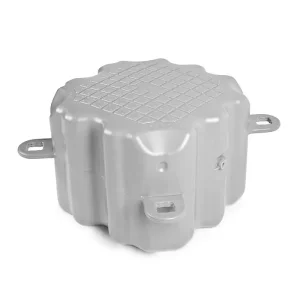
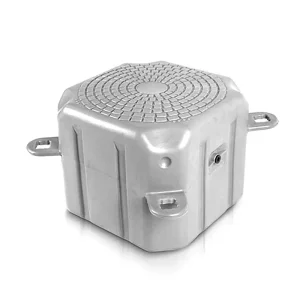
| Pontoon Dimensions (Standard) | 50cm x 50cm x 40cm | 19.6" x 19.6" x 15.7" | Modular interlocking layout dimensions |
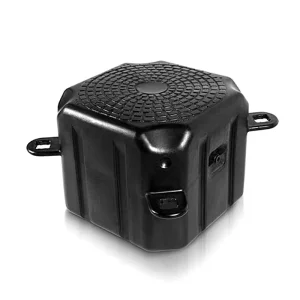
Our interlocking design uses lugs at each corner of the cube. When four cubes meet, their lugs align and are locked together using a central pin. This system distributes tension across the array, preventing localized stress concentrations and allowing the dock to flex over wave crests.
Technical innovations and structural support built to serve marine distributors and global contractors.
We employ experienced specialists across our sales, engineering, and logistics teams, ensuring seamless communication and reliable support for international trade partners.
Our R&D team designs custom molds for specialized marine applications, tailoring buoyancy limits, dimensions, and fittings to client specifications.
We invest in high-capacity blow molding machinery and eco-friendly raw materials, minimizing emissions and energy use during fabrication.
Our support team assists with configuration planning, freight logistics, customs documentation, and provides remote installation guidance.








How local infrastructure, material access, and logistics hubs optimize output and ensure delivery reliability.
Huangyan in Taizhou, Zhejiang, is a major global hub for plastic mold design and manufacturing. Our facility utilizes this local network to source raw materials, tooling, and specialized components quickly. This local supply chain reduces development cycles and allows us to scale production to meet large volume requests.
Proximity to Ningbo and Shanghai ports also helps lower shipping costs and transit times. Automated warehousing and optimized shipping arrangements enable us to coordinate ocean freight efficiently, supporting distributors and project managers worldwide.
We focus on resource efficiency and environmental protection throughout our production processes. All flash and excess HDPE from molding are captured, re-granulated, and processed for non-structural applications, minimizing raw material waste.
Our heating systems run on clean electricity and utilize heat-exchange systems to lower overall power consumption. By optimizing mold cooling pathways, we shorten cycle times and reduce the energy needed per unit. This focus on sustainability helps us deliver durable, cost-effective products that align with global environmental standards.
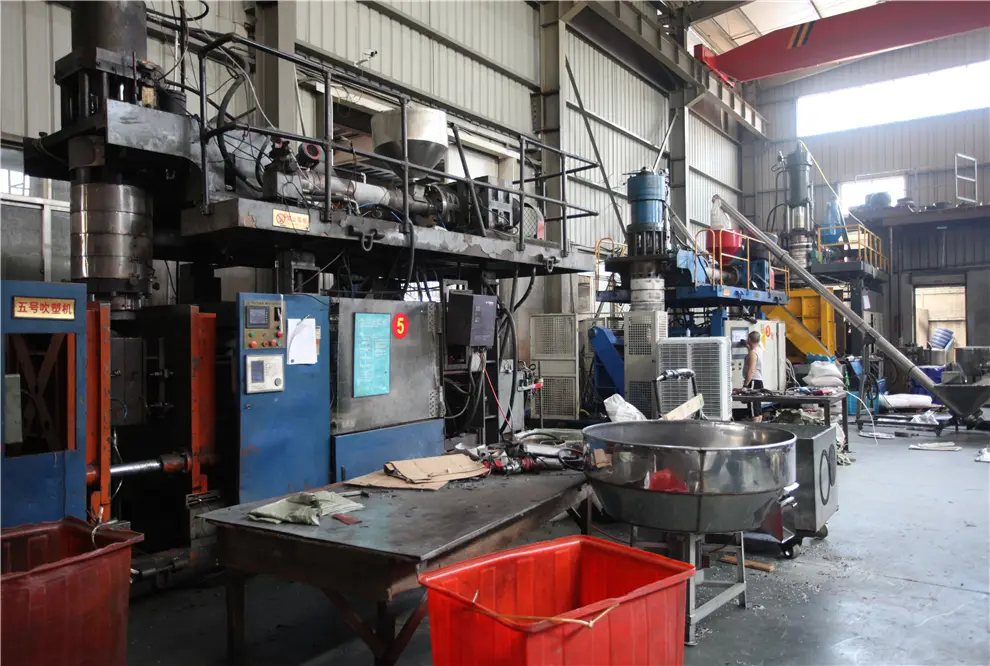
Heavy Blow-Molding Tooling Station
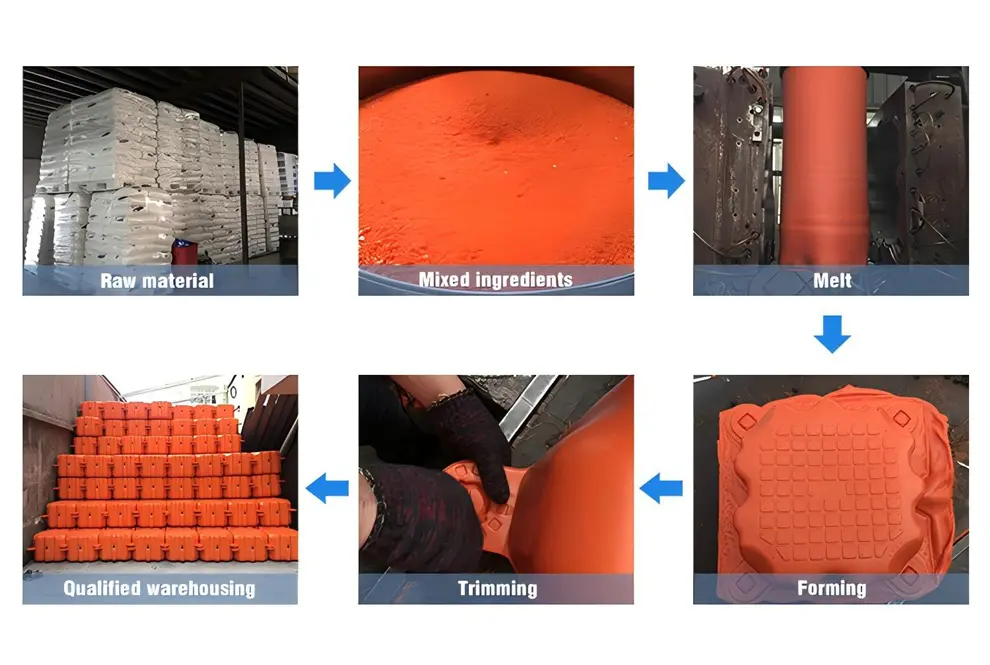
High-Volume Finished Goods Storage
From leisure PWC berths to large-scale aquaculture and industrial floating platforms.
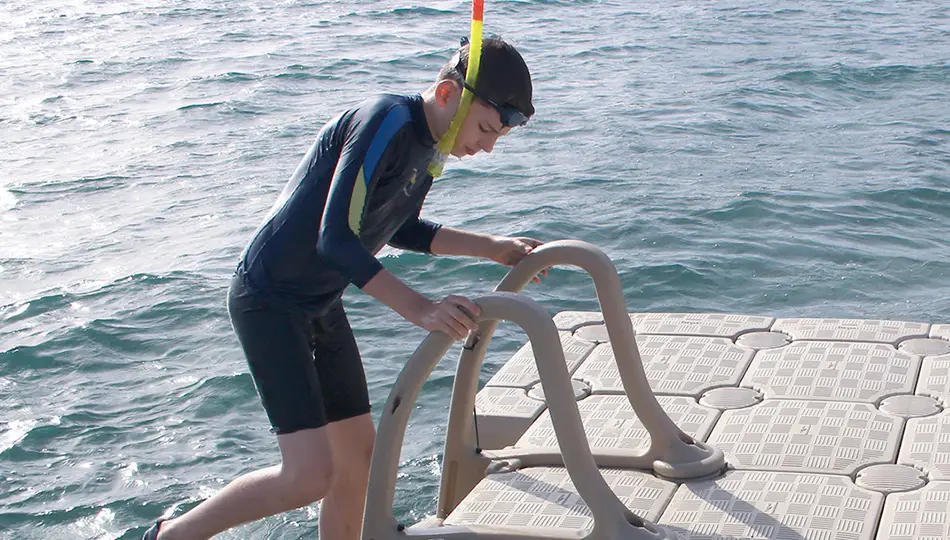

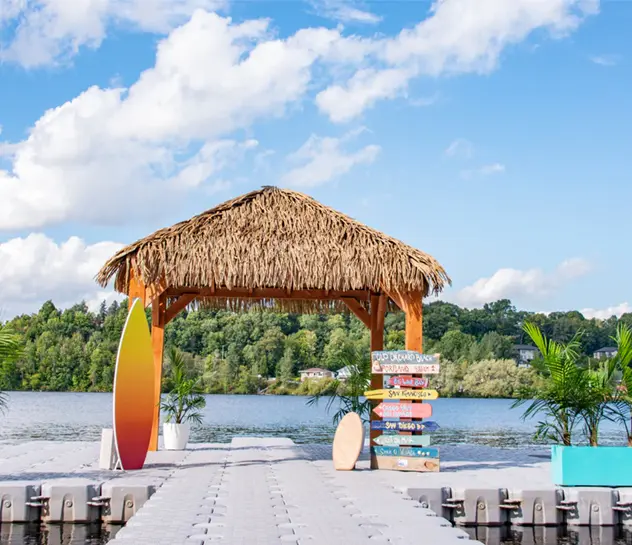
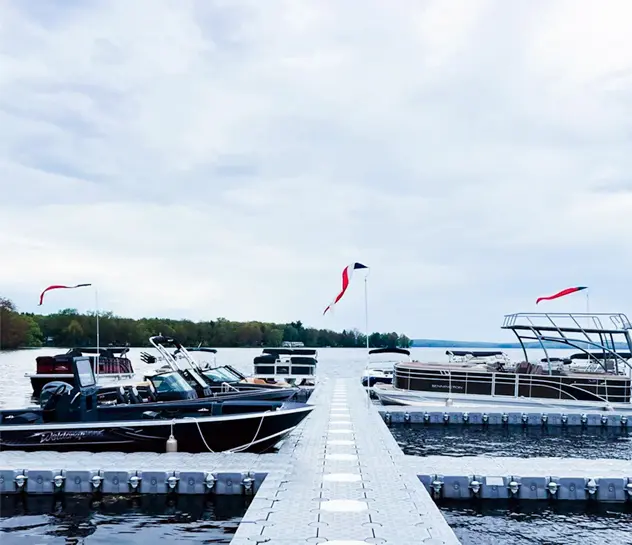
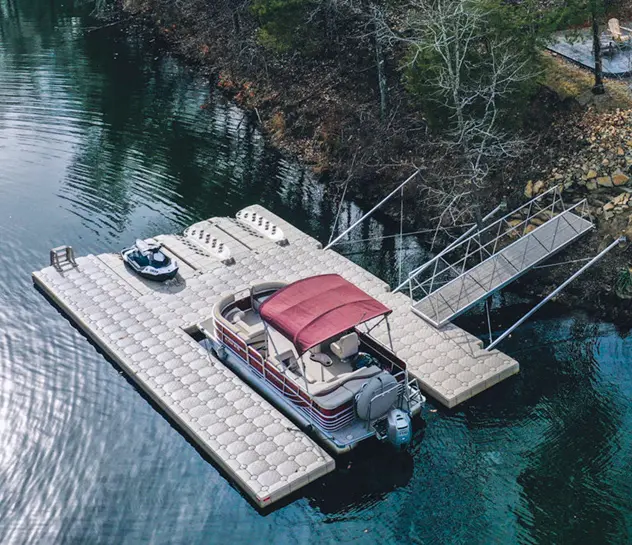
Modular floating systems are deployed across various coastal and inland waterways. Commercial operators use them to build walkways, working platforms, and event spaces. Because the modules can support heavy loads and resist chemicals, they are also suited for nearshore work sites, providing access for maintenance teams and tools.
For leisure and PWC installations, these systems simplify launching and docking. In aquaculture operations, the inert HDPE material ensures no chemicals leach into the water, helping maintain clean environments for fish farms while resisting marine growth and cleaning agents.
Answers to common engineering and operational questions regarding modular HDPE systems.
Our modular HDPE docks feature a flexible interlocking design that allows the structure to flex over waves, distributing mechanical stresses across the entire array. During high winds and storms, properly anchored systems shift with the surge rather than resisting force directly like rigid wood or concrete docks. In storm-prone regions, we recommend using heavy-duty pile guides and dynamic elastic mooring tethers to allow the dock to adjust safely to changing water levels.
Yes. If you do not have a local dealer, we ship systems directly from our factory to your nearest freight terminal or designated port. The modular components stack easily on standard pallets, optimizing cargo volume to keep shipping costs manageable.
Yes, our modular systems are rated for temperatures down to -60°C. They can remain in the water when it freezes, as the sloped profile of the cubes allows the rising ice sheet to slide beneath them, lifting the dock rather than crushing it. This feature prevents damage during winter in colder regions.
The primary concern during winter is water flow. In calm waters where ice freezes in place, the dock can remain in the water safely. However, if your location experiences moving ice floes during spring thaws, these heavy blocks can shear anchoring systems and damage the dock. In areas with active ice movements, we recommend pulling the dock from the water before the winter freeze.
For stable walking access, walkways and fingers should be at least three cubes wide (1.5 meters or 59 inches). This width provides stability and offsets tipping forces when loads shift to one side, ensuring safety for users carrying gear.
Yes. The modular docks only draw 2 to 4 inches of water when unloaded. If the tide goes out completely, the dock can rest flat on mud, sand, or gravel bottoms. However, ensure there are no sharp rocks or debris beneath the dock that could puncture the hulls under weight, and verify that the water at the ramp is deep enough to float your vessel during launching.
We began blow-molding floating dock components in 2019. Over the years, we have optimized our processes to become a leading manufacturer in China, supplying high-performance modular docks and fitness gear to clients around the world.
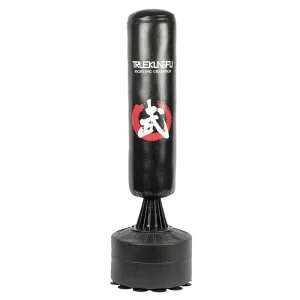
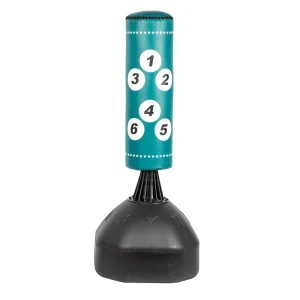
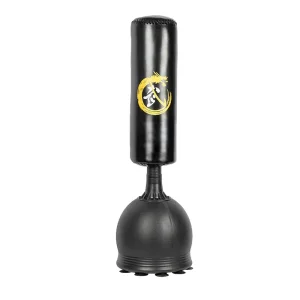
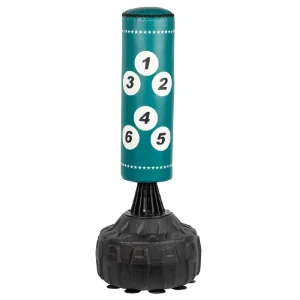
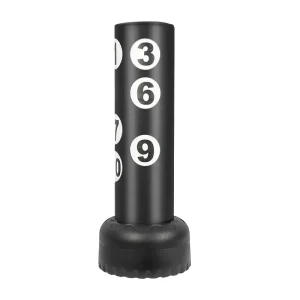
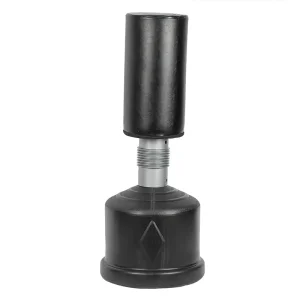
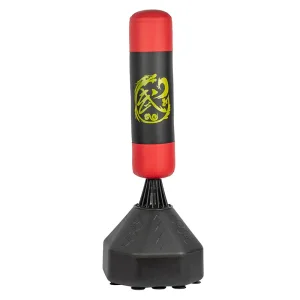
Full technical directory of OEM boxing sandbags, heavy bases, and modular HDPE pontoons.
 ShengHuang