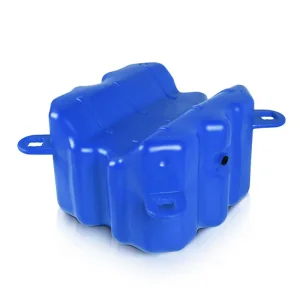
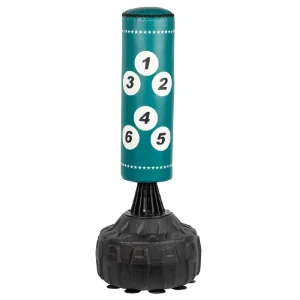
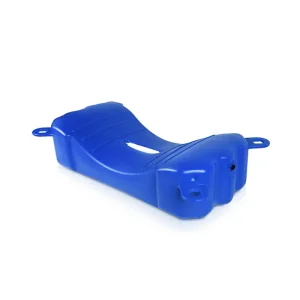
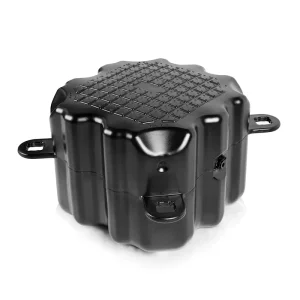
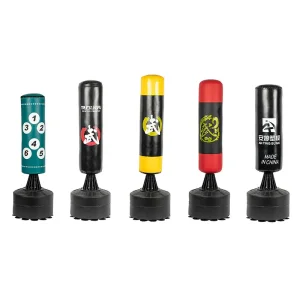
Explore our high-performance OEM pontoons, heavy-duty training equipment, and custom HDPE floating platforms designed for marine resilience.
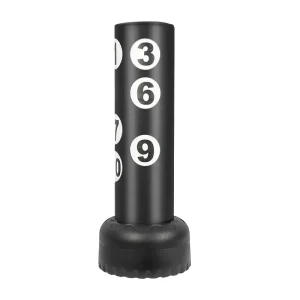
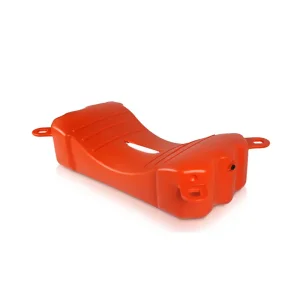
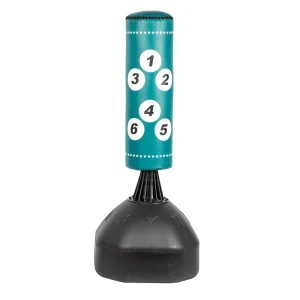
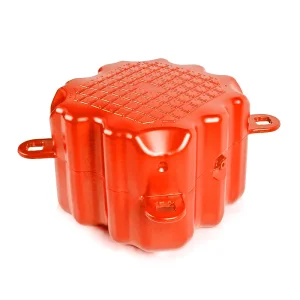
Industrial Leader in Custom Blow-Molded Polyethylene Products & Marine Platforms Since 2019
Founded in 2019, Shenghuang Industrial & Trade Blow Molding Factory has rapidly transitioned into a global pioneer of advanced polymer engineering. Headquartered in Huangyan, Taizhou, Zhejiang province—the definitive molding capital of China—our facility leverages an unparalleled regional supply chain and engineering cluster. Over the past several years, we have scaled our operations to serve key commercial sectors including global marine infrastructure development, heavy sports equipment supply, safety transport container systems, and specialized automotive components.
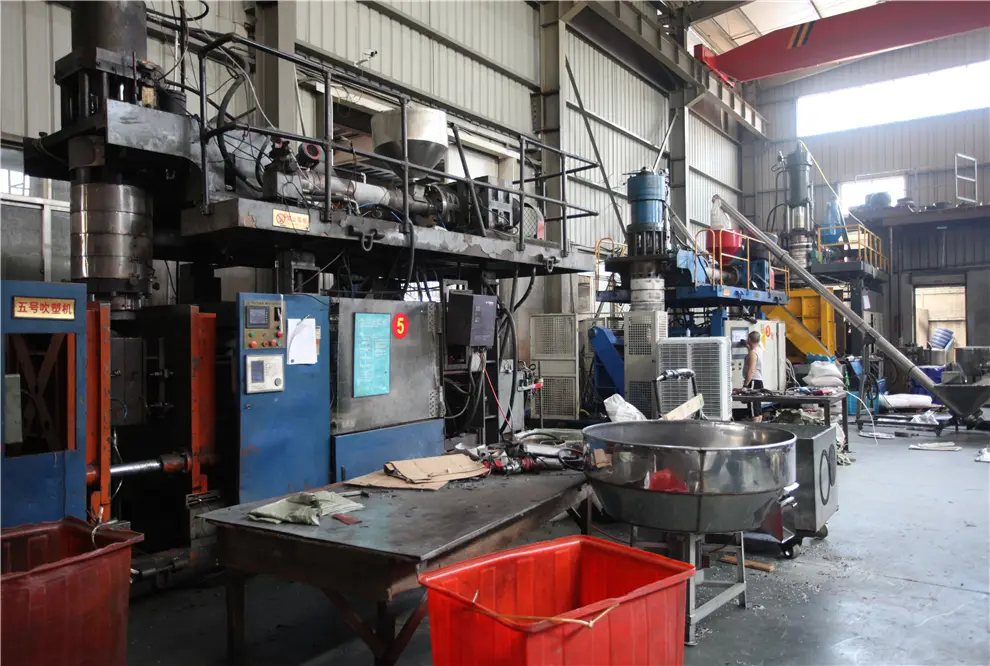
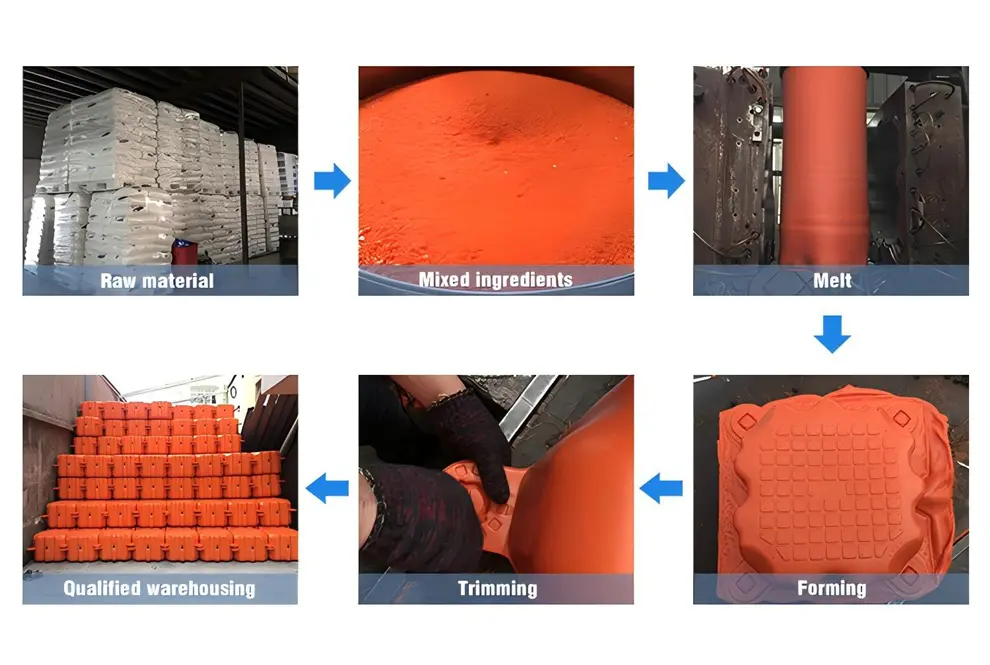
By investing heavily in automated, computerized blow molding systems, we deliver high-precision products with strict wall-thickness control. These advanced production configurations ensure we continuously manufacture robust, double-walled HDPE modular blocks, pontoons, and sports units. All operations adhere strictly to the ISO 9001 quality management standards, maintaining product compliance and repeatability from incoming raw material inspection to high-pressure load and puncture testing.
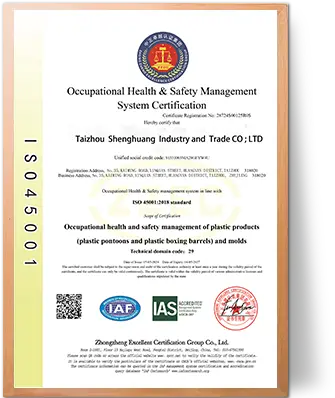
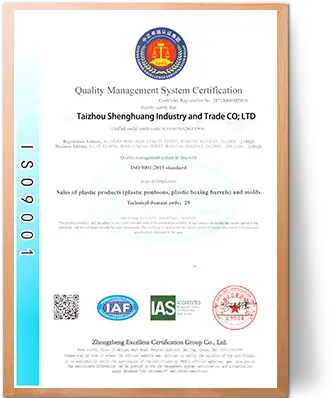
Our engineering advantages translate into exceptional performance in the world's most demanding marine environments.
We actively utilize 100% recyclable, premium food-grade HDPE. By optimizing cycle times and reducing resin waste during blow extrusion, we minimize carbon footprint while ensuring heavy-metal-free construction.
Our dedicated R&D engineers continuously test UV stabilizers (UV15+ ratings) and anti-oxidant additives. This ensures our floating pontoon modules maintain mechanical flexibility without cracking under extreme sunlight.
With an in-house tooling division, we adjust product molds rapidly to accommodate custom buoyancy, thickness profiles, surface anti-slip textures, and integrated locking configurations for specific client projects.
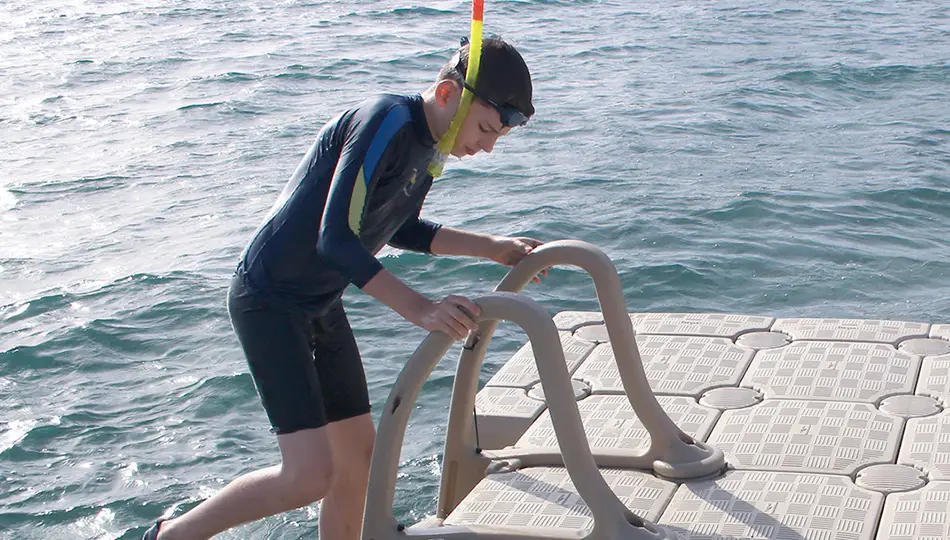
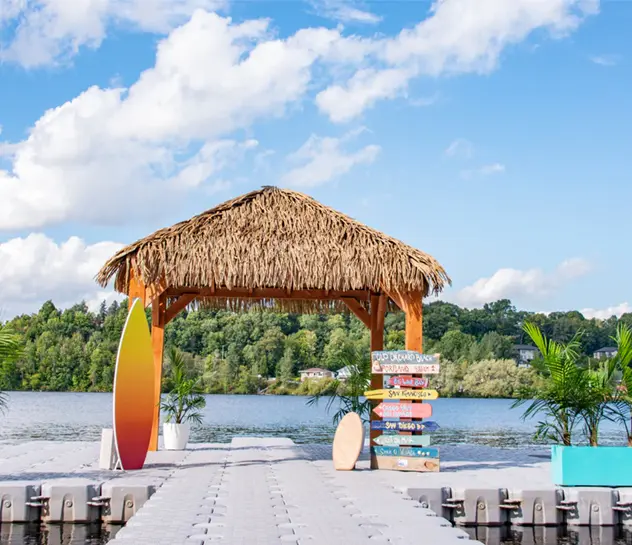
Industrial waterfronts, maritime transport, aquaculture, and resort developments are transitioning away from heavy concrete and deteriorating pressure-treated wood systems. Modern marine planners choose modular High-Density Polyethylene (HDPE) structures due to their zero-maintenance properties, rapid deployment capacity, and dynamic wave-absorption mechanics.
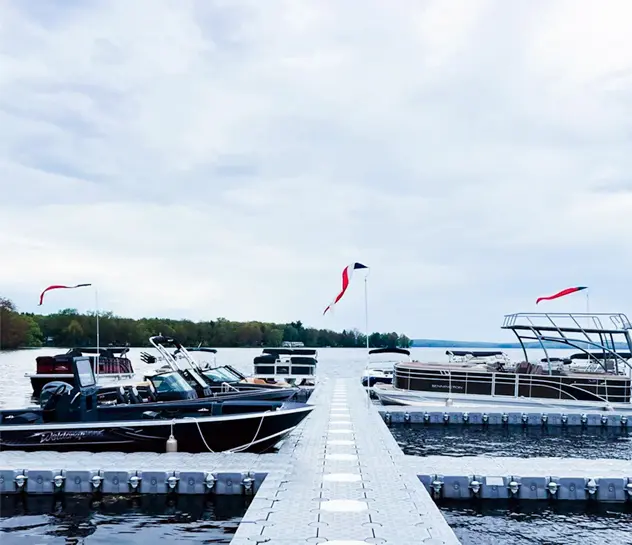
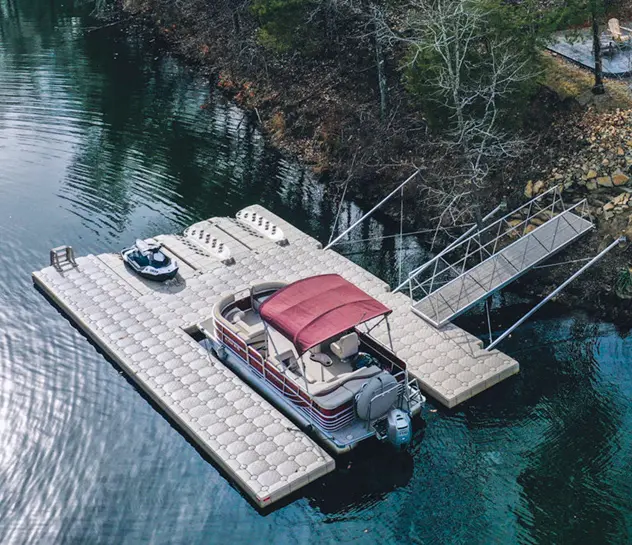
Commercial docks must handle continuous load distribution, dynamic vertical shear forces, and routine impact from vessels. Our OEM pontoon systems offer a consistent loading capacity of up to 350kg/m² (for 50x50x40cm modules). This stability allows them to function as floating work tables, heavy-duty industrial staging docks, bridge maintenance platforms, and pump mounting structures. Our modules can sustain heavy operations while protecting water systems from paint flakes, chemical degradation, or rust leakage.
“By utilizing hollow, pressure-equalized compartments, blow-molded HDPE floating units absorb hydro-acoustic waves and structural impacts, preventing joint degradation in multi-cube configurations.”
As offshore farming and renewable solar farms expand globally, floating structures face severe environmental challenges. Traditional metal systems quickly rust in saline environments, while wood rots and harbors destructive organisms. Our UV-stabilized, high-density polyethylene docks resist salt, acid rain, oil deposits, and typical aquatic micro-organisms. Floating solar (FPV) arrays integrated with our pontoon layouts improve cell efficiency through natural evaporative cooling, while ensuring long-term structural flotation for heavy panel arrays.
Operating out of Zhejiang's manufacturing corridors, Shenghuang manages complex international supply lines. We maintain strong logistics partnerships to ship modular dock components globally. In regions without dedicated local distributors, we coordinate bulk container freight directly to local commercial terminals, reducing overhead and transit risks for marine contractors and developers.
Commercial marine projects require strict compliance with environmental regulations. Many regulatory bodies restrict structural elements that leach chemicals. Our chemical-free, food-grade HDPE products prevent contamination in sensitive marine sanctuaries, reservoirs, and public swimming zones.
Our OEM pontoon systems are tested to withstand extreme environmental forces. The flexible joint and pin locking assembly allows the modular structure to roll with heavy waves instead of resisting them rigidly. This reduces localized pressure points on mooring piles and anchor chains, ensuring reliable dock performance even during sudden coastal surges and high winds.

Shenghuang continues to invest in advanced polymer technologies. Our engineering division is currently developing the next generation of modular marine structures, focusing on two main areas:
Get professional answers regarding dynamic load stability, seasonal icing, high-impact storm conditions, and modular installation guidelines.
We work closely with marine contractors, recreation parks, and logistics organizations worldwide.








Complete your custom marine setup with our verified floating modules, anchors, and specialized sport accessories.
 ShengHuang