Established Authority
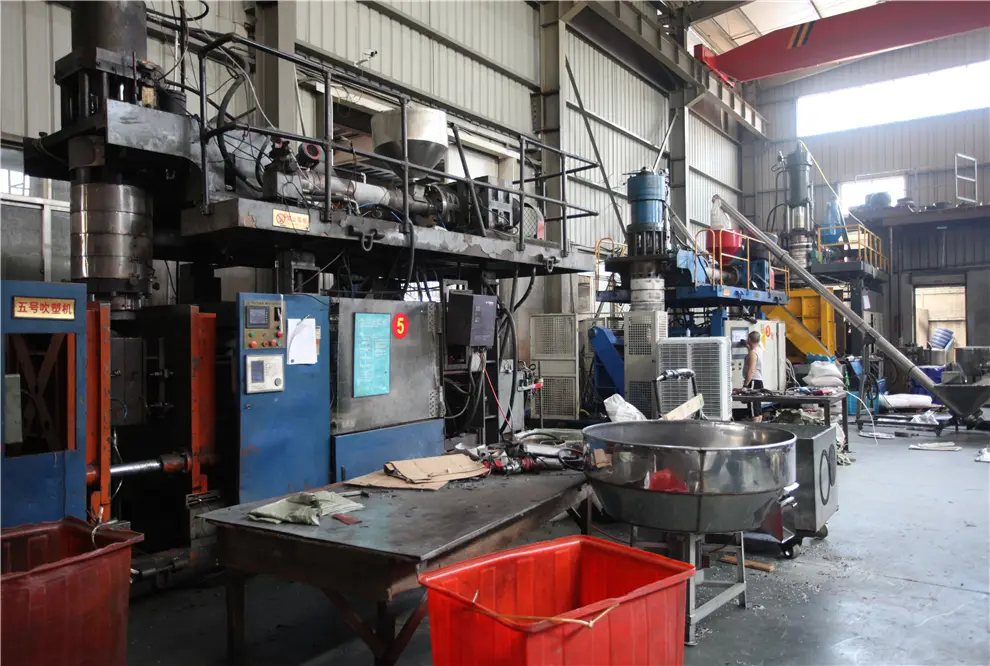
Taizhou Huangyan manufacturing facility headquarter.
Strictest Quality Control
End-to-end trace inspections from HDPE to distribution.
Superior Buoyancy Limit
Outstanding weight distribution under tidal shifts.
Recyclable Material
Eco-friendly high-density polyethylene construction.
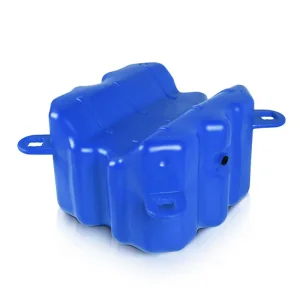
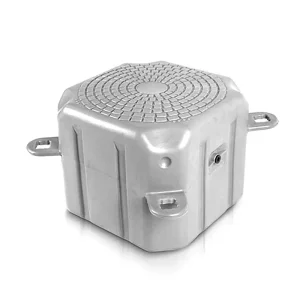
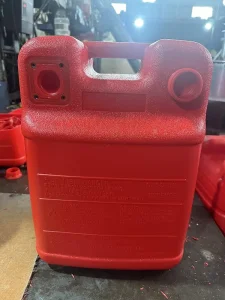
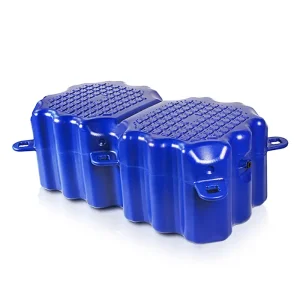
Explore our range of heavy-duty floating docks, high-buoyancy modular pontoons, and essential industrial molded components optimized for waterfront facilities.
Founded in 2019, Shenghuang Industrial & Trade Blow Molding Factory has established itself as an industry leader in the plastic blow molding sector. Headquartered in Huangyan, Taizhou, Zhejiang—the renowned center of China’s advanced mold and plastics manufacturing ecosystem—the company is strategically positioned to utilize robust infrastructure, expert talent pools, and cutting-edge logistical channels.
We are a high-tech ODM/OEM specialist developing high-grade blow-molded infrastructure, with special focus on durable industrial packaging, automotive elements, household systems, and high-performance environmental applications. Our factory is equipped with automated blow molding lines designed to deliver precision, speed, and cost efficiency to maritime developers and B2B clients worldwide.
Strategic Advantages of Our Huangyan Headquarters:
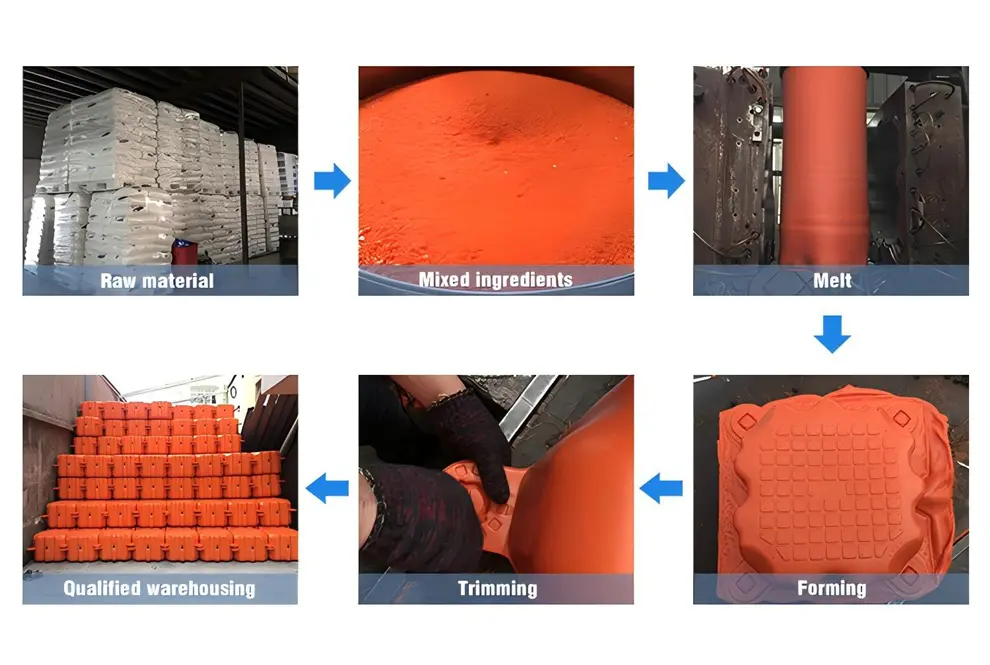
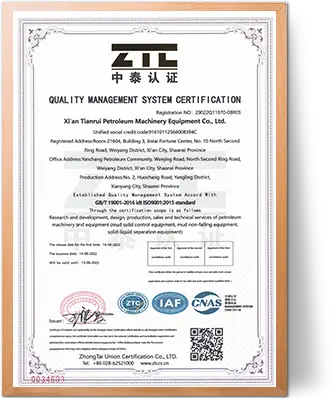
Every production stage—from raw polymer testing to post-cooling load tolerance trials—complies with the ISO 9001 quality management framework.

ISO 9001
SGS Compliant

CE Approved
An in-depth review of materials, buoyancy distribution, and modular docking solutions for high-displacement personal watercrafts.
Our pontoons are constructed using High-Density Polyethylene (HDPE) reinforced with UV stabilizers (specifically UV-15 class). This prevents molecular degradation, discoloration, and brittleness caused by long-term solar radiation in tropical and salt-water applications.
Unlike injection molding, which can create weak weld lines under dynamic wave pressure, our blow-molding technology guarantees a seamless, monolithic structure. The hollow interior provides maximum air containment for superior buoyancy metrics (up to 350kg/m²).
Dual jet ski docks feature dual-channel V or U configurations. These integrated channels guide watercraft on and off the dock smoothly. Thickened entry ramps minimize hull friction and distribute impact energy during high-speed dock entries.
| Performance Indicator | Technical Metric / Material Properties | Operational Advantage for Importers |
|---|---|---|
| Raw Polymer | High-Density Polyethylene (HDPE) Virgin Grade | Resists impact, marine acids, diesel spills, and microbial growth. |
| Load Buoyancy | 200 kg/m² (Standard) up to 350 kg/m² (High-Duty) | Supports heavy dual-seating and three-seater PWCs safely. |
| UV Degradation Resistance | Standard UV-8 to Advanced UV-15 Additives | Up to 10-15 years of continuous marine use without material failure. |
| Tensile Strength | > 22 MPa (ASTM D638 standard) | Maintains connection stability in high currents and wave swells. |
| Temperature Limits | -60°C to +80°C functional range | Can remain in frozen lakes during winter months without cracking. |
As personal watercrafts (PWCs) grow in size and incorporate advanced electronics, traditional single-slip dock solutions are no longer sufficient. Resort developers, marina operators, and private waterfront owners are pivoting toward Dual Jet Ski Dock systems to optimize valuable shoreline real estate.
For international buyers, marine distributors, and project managers, choosing the right OEM factory requires verifying quality and supply-chain efficiency:
How Shenghuang Industrial is shaping the future of marine infrastructure through sustainable materials and innovative design.
We invest heavily in developing high-performance recycled polymer mixes. By using post-industrial recyclable plastics, we reduce greenhouse emissions and minimize plastic waste, without sacrificing mechanical load capacities or lifespan.
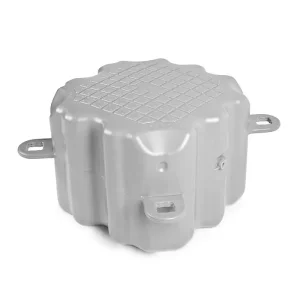
Our engineering team works continuously on improving the wall-thickness consistency of our blow-molded cubes. Using 3D mold stress simulations, we optimize rib structures and connection lugs to prevent shear failure under high wave-torsion stress.
Looking ahead, our technology roadmap includes smart sensor docks. These systems track watercraft weights, monitor localized wave conditions, and display dynamic dock statuses, providing automated insights for modern marina managers.










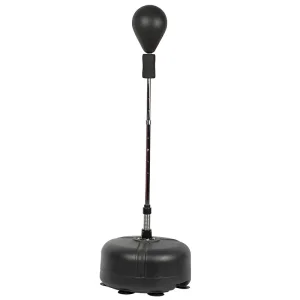
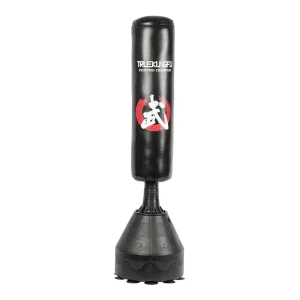
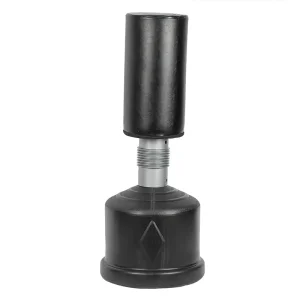
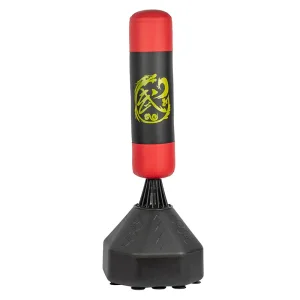
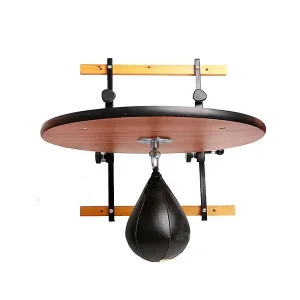
Select heavy-duty HDPE floating components, twin dock assemblies, and related premium fitness training bags from our Taizhou manufacturing line.
Detailed technical answers about installing, operating, and maintaining HDPE modular floating docks.
Our modular floating docks are built to survive severe weather. Because the dock is split into interconnected blow-molded cubes, the structure flexes with wave energy rather than resisting it. This dynamic layout prevents structural stress. Depending on the anchoring setup (such as heavy-duty steel piles, tension cables, or elastic mooring lines), our docks have recorded excellent durability during ocean typhoons and storm surges.
Yes. In markets where we do not have a dedicated local dealer, we ship modular dock systems directly from our factory in China to your closest cargo terminal. The modular cubes are packaged for easy container shipping. Each order includes a step-by-step installation manual and a video guide, allowing two adults to easily assemble the dock using standard tools.
Absolutely. Our docks can remain in fresh or saltwater year-round. The modular HDPE cubes are designed to handle freezing water. The sides of each block are angled, allowing the dock to pop up on top of the ice when water freezes, rather than getting crushed by expanding ice sheets.
The main risk with ice is water flow. If the ice thaws and melts quietly, the dock will float on top of the water safely. However, if your location experiences heavy spring currents with large, moving ice blocks, these can crush stationary docks. In areas with moving ice, we recommend disconnecting the modular cubes and pulling them out of the water for the winter.
For safe and stable walking, the platform should be at least three cubes wide. This provides enough surface area to distribute a person's weight evenly, preventing tipping. Each individual cube has a buoyancy limit of approximately 90 kg (200 lbs), meaning a three-cube-wide walkway remains flat and stable under load.
Yes. The empty cubes only draw about 5 to 10 cm (2 to 4 inches) of water. The critical depth is at the entry ramp of the dock where the jet ski is loaded. The dock must have enough depth to flex when a PWC drives onto it. While the dock can rest on soft mud or sand during low tides, there must be enough water at high tide for watercraft to back off.
Our specialized blow molding facility in Huangyan, Taizhou, began manufacturing floating docks in 2019. Over the years, we have grown into one of the leading manufacturers in China, offering durable, high-buoyancy modular products to commercial and residential clients globally.
 ShengHuang