OEM Dock Jet s Suppliers & Manufacturers

High-Density Polyethylene (HDPE) Modular Floating Systems & Technical Solutions for Global Industrial Maritime Demands

Strategic Evolution of the Dock Jet & Modular Float Industry

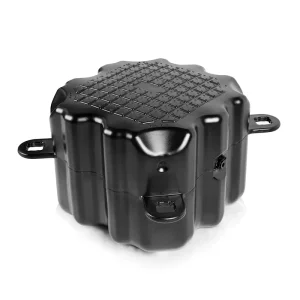
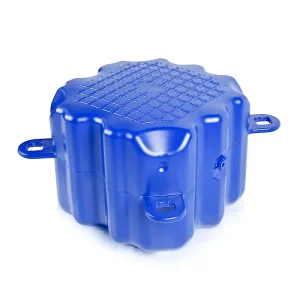
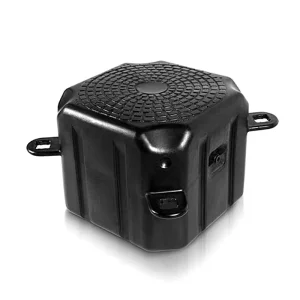
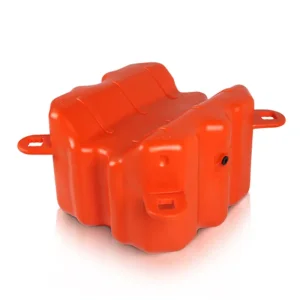
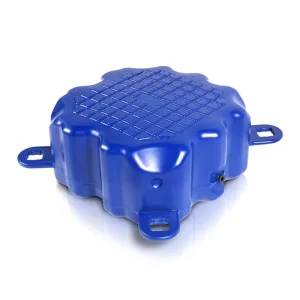
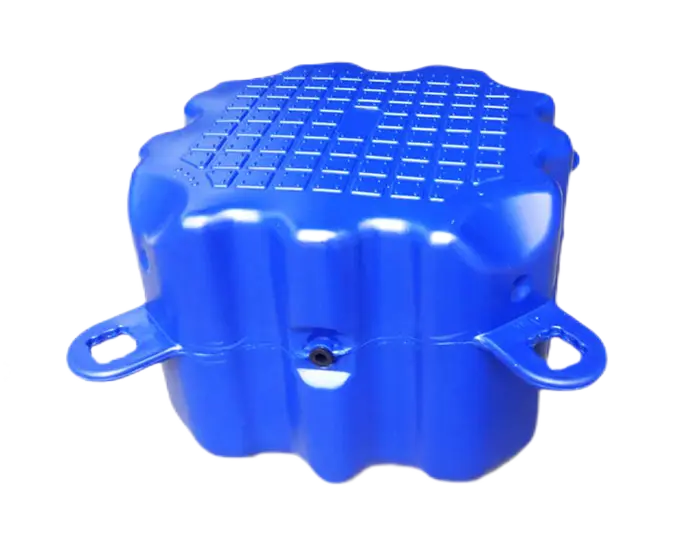
The global waterfront development sector is undergoing a rapid transition toward modular infrastructure. Historically, fixed wood and concrete docks dominated the coastlines. However, their high maintenance costs, environmental impacts, and lack of versatility have driven municipal planning departments, high-end resorts, and commercial port authorities to seek sustainable alternatives. Modern OEM Dock Jet solutions represent the peak of maritime structural engineering, utilizing advanced blow molding techniques to create buoyant modular units.

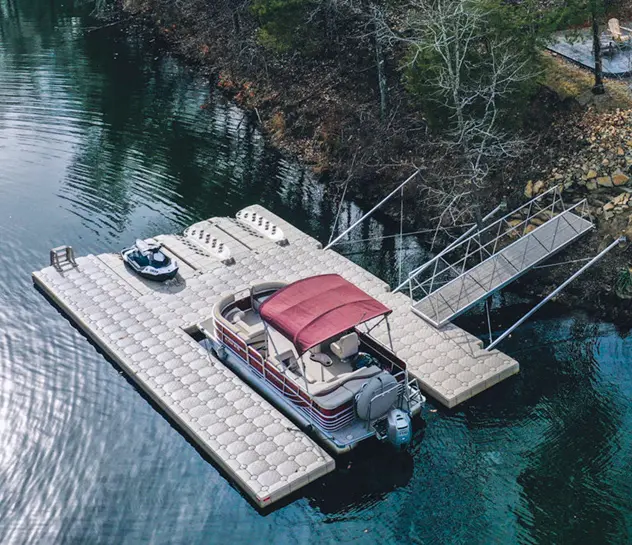
Designed specifically to handle personal watercraft (PWCs) like Jet Skis, speedboats, and utility marine crafts, these systems employ self-lubricating, wear-resistant High-Density Polyethylene (HDPE). This material absorbs kinetic energy during docking maneuvers, ensuring vessels are safely launched and stored without hull abrasion. By opting for modular dock configurations, global buyers gain the freedom to expand, configure, or relocate their installations according to changing tidal conditions and traffic demands.
Shenghuang Industrial & Trade Blow Molding Factory

Founded in 2019, Shenghuang Industrial & Trade Blow Molding Factory is a leading innovator in the plastic blow molding industry. With its headquarters located in Huangyan, Taizhou, Zhejiang—an area globally recognized for its robust manufacturing infrastructure—the company has quickly grown into a trusted supplier of high-quality blow-molded products across multiple sectors, including packaging, automotive parts, household appliances, and environmental applications.

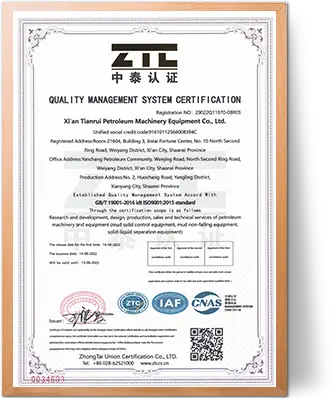
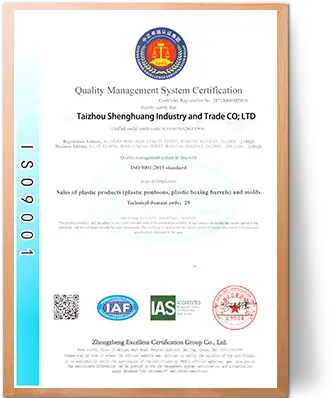
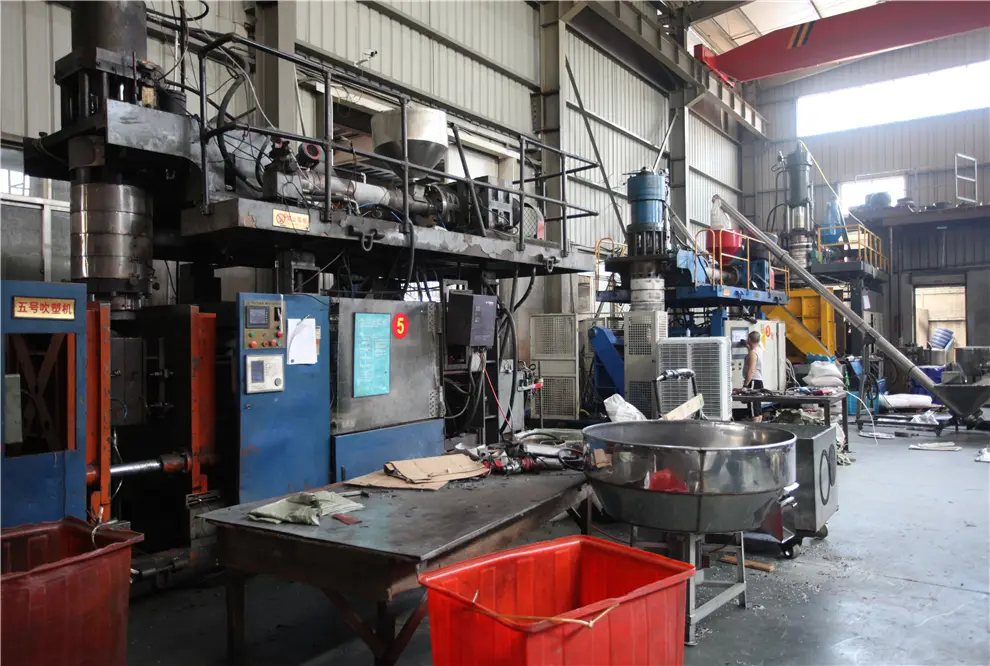
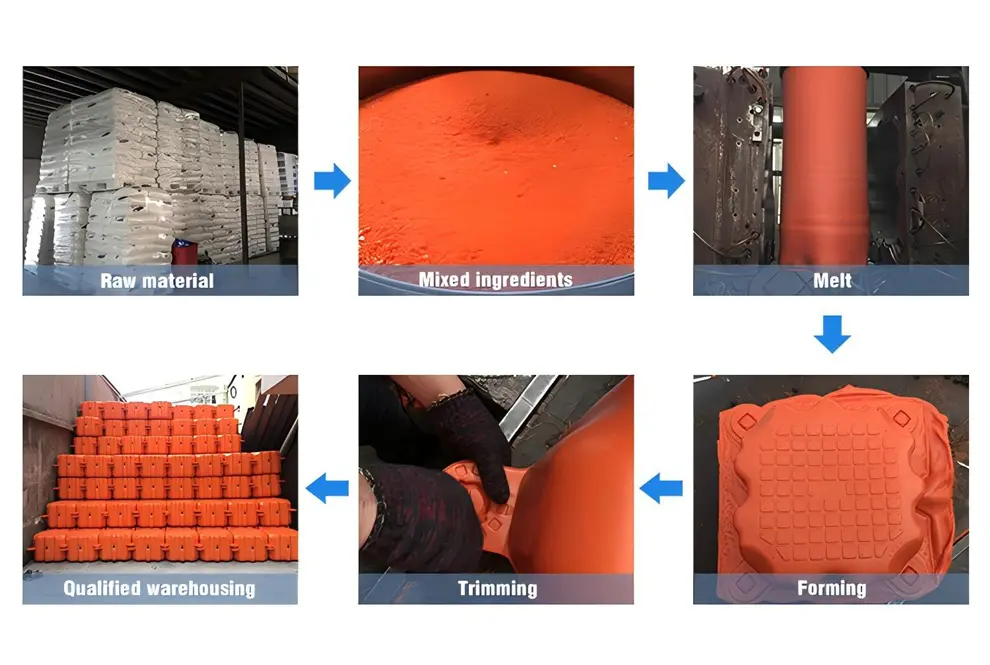
The factory is equipped with state-of-the-art automated blow molding production lines, which allow Shenghuang to efficiently produce a wide range of plastic products, such as plastic containers, bottles, pontoons, automotive parts, and custom-designed solutions. These advanced production lines ensure that Shenghuang can meet the growing demand for high-precision, durable, and cost-effective plastic products. The company adheres strictly to the ISO 9001 quality management system, ensuring that every stage of production—from raw material procurement to final product testing—meets stringent quality standards.

2019
Established
ISO 9001
Quality Certified
100%
Eco-Friendly HDPE
50+
Global Partners

Our Quality Standards & Certificates

Rigorous quality checking systems and international compliance standards
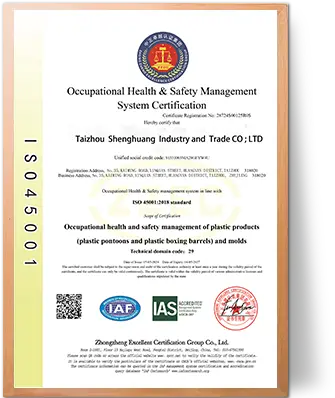
Shenghuang's commitment to industrial reliability is verified by international standard organizations. Every batch of polymer raw material undergoes melting index analysis, stress cracking assessment, and tensile testing. This ensures that the final floating systems survive UV-heavy tropical zones and ice-bound arctic waters alike.

Technology Roadmap & Sustainability

Pioneering clean production, eco-efficiency, and custom blow-molded design

Eco-friendly Materials

We actively promote green manufacturing by using recyclable and non-toxic HDPE. This limits toxic leaching into delicate marine biomes and freshwater reservoirs.

Dedicated R&D Team

A skilled team focuses on high-performance polymer compounds, modifying structures to withstand extreme dynamic forces from typhoons and shifting currents.

Tailored Customization

We offer fully customized sizing, mold shapes, and load tolerances to align perfectly with our clients' complex industrial requirements.

As the global market for blow-molded plastic products continues to expand, Shenghuang is strategically positioning itself for growth in international markets. With a commitment to expanding its product offerings and customer base, the company is poised to become a leading global supplier of blow-molded products. Looking forward, Shenghuang will continue to focus on enhancing its technological capabilities, driving product innovation, and expanding its market presence worldwide.

Industry Applications

Discover how our high-durability modular pontoons serve diverse sectors
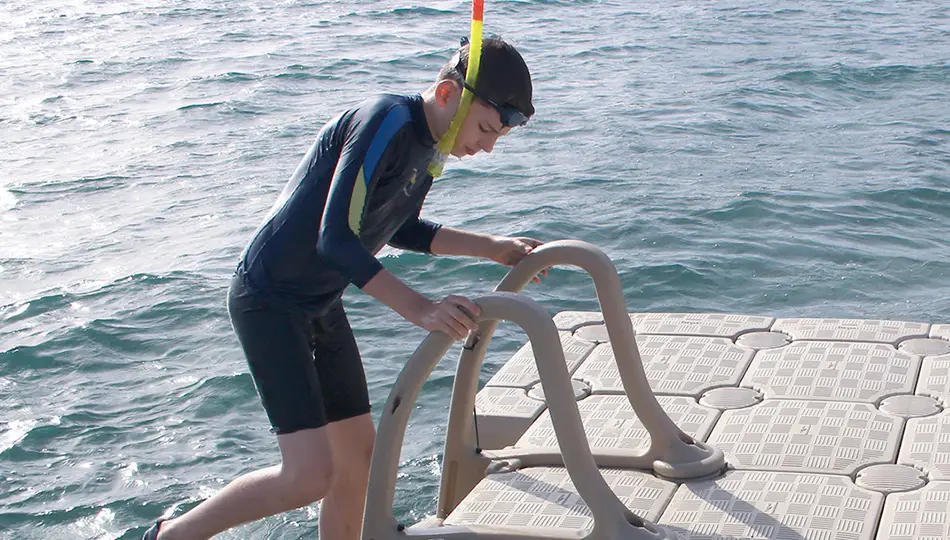
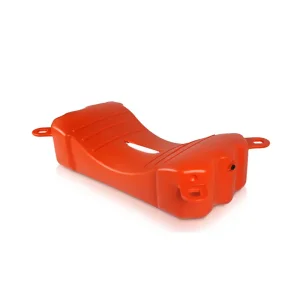
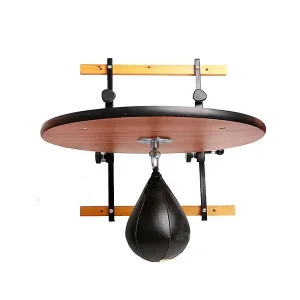
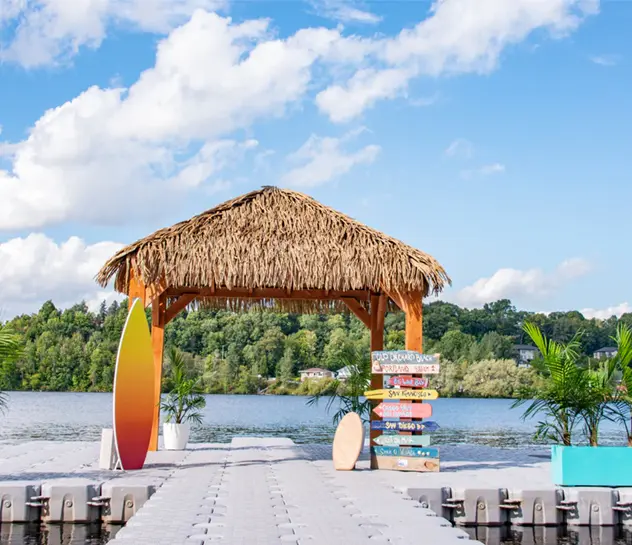
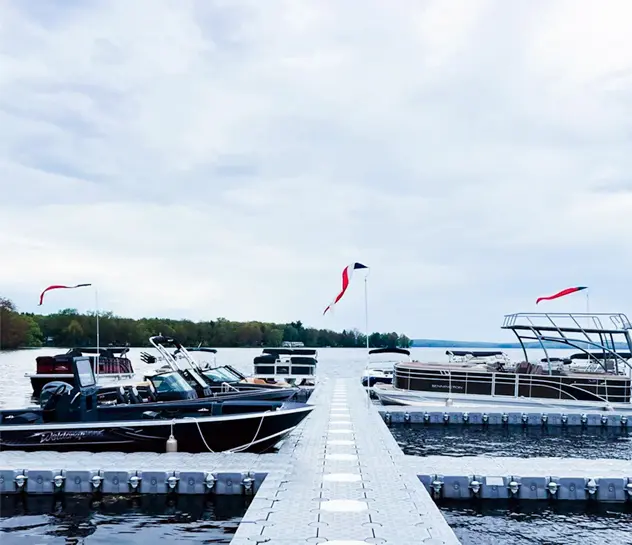
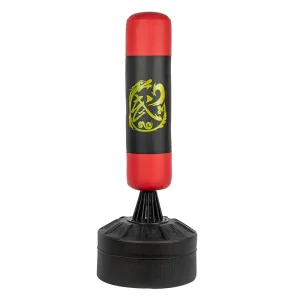
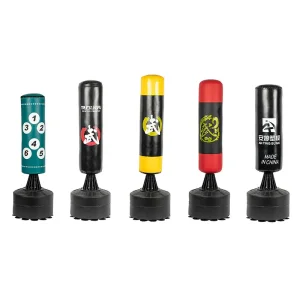
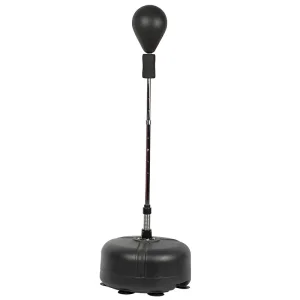
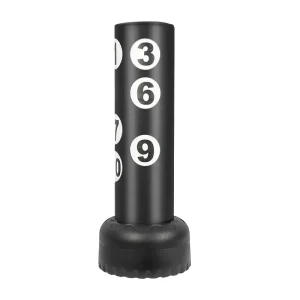
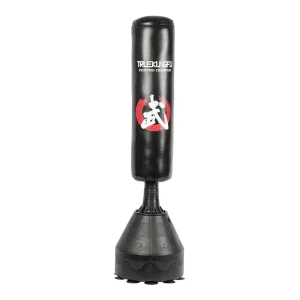
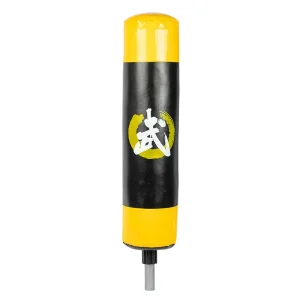
Our blow-molded pontoons function as the structural base for floating marinas, commercial gangways, finger piers, aquaculture floating zones, and outdoor water-sports centers. Additionally, we merge our blow-molding expertise with sports equipment manufacturing to engineer heavy-duty bases for standing sandbags, illustrating the diverse industrial capabilities of our Zhejiang-based manufacturing plant.

Global Clients & Partners

We work alongside industry-leading distributors and marine designers worldwide

Global Partner Brand Logo 1
Global Partner Brand Logo 2
Global Partner Brand Logo 3
Global Partner Brand Logo 4
Global Partner Brand Logo 5
Global Partner Brand Logo 6
Global Partner Brand Logo 7
Global Partner Brand Logo 8
Global Partner Brand Logo 9
Global Partner Brand Logo 10

Comprehensive Macro-Industrial Waterfront Solutions

Developing a waterfront project demands careful balancing of engineering standards, ecological impacts, and financial forecasts. Shenghuang's engineering department supports clients throughout the design and integration cycles, providing specialized answers to mechanical challenges:
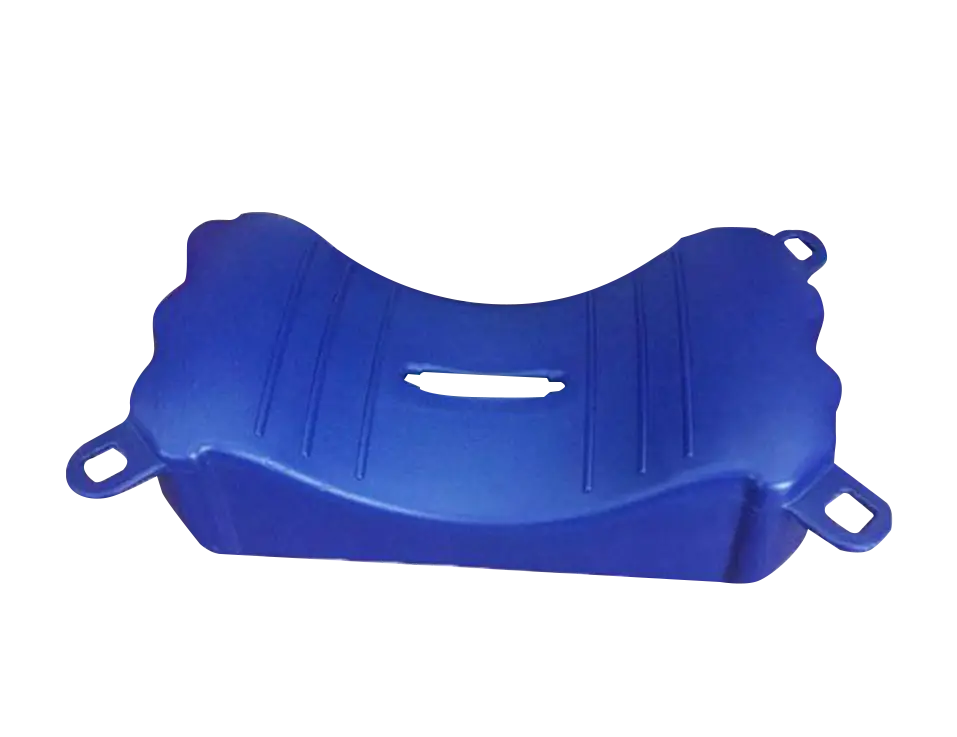
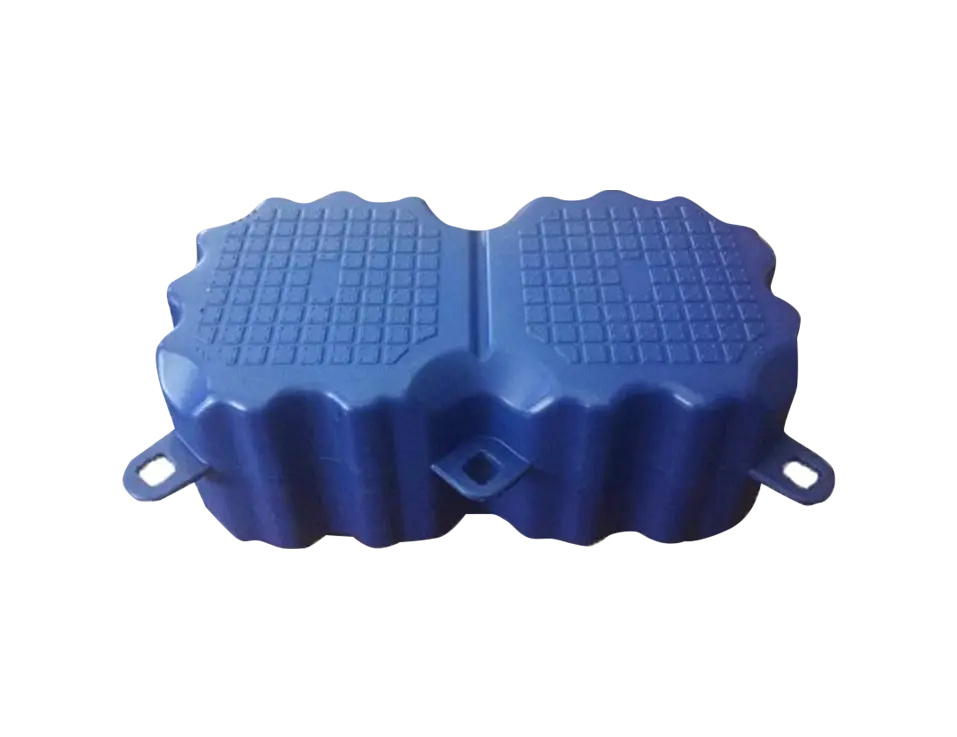
  • Dynamic Wave Mitigation: The modular configuration yields slightly at connection points, dissipating the energy of passing waves rather than opposing it rigidly. This structural flexibility reduces load stress on anchoring chains, helical piles, and surrounding sea walls.
  • Hydrodynamic Under-Profile: The bottom architecture of our pontoon sections features custom concave-convex paths. This specialized shape minimizes surface drag, ensuring the floating structure remains stable and steady during fast-moving tidal shifts.
  • Thermal-Expansion Resistance: Advanced polymer compounding protects our systems against material warping under hot summer sunshine and cracking when cold winter ice begins to expand.

Technical Q&A & Engineering Specifications

Answers to common structural and environmental queries from marine engineers and global procurement directors

How does the Floating Dock system hold up to typhoons?
The Floating Dock system features a modular design that flexes with wave motions, reducing localized shear stress. When installed with proper anchoring—such as heavy-duty self-adjusting piles or elastic marine-grade moorings—these systems adapt to the dynamic heave and surge of typhoons. Our global customers report excellent performance with structures surviving direct storm impacts without structural failures.
Can I get a Floating Dock system if there is no dealer in my area?
Yes. In territories without an authorized local dealer, we ship modular dock systems directly from our factory in China to your closest regional freight terminal. The modular design packages efficiently into standard sea containers, making long-distance freight affordable. We also provide step-by-step engineering documentation and layouts for straightforward local assembly.
Can I leave my dock in the water during freezing winter conditions?
Yes. The floating dock is designed to stay in the water year-round, including saltwater and freshwater zones that freeze over winter. Our specialized HDPE compound preserves its mechanical properties in extreme cold. Additionally, the sloped profile of the modular cubes allows the expanding ice sheet to push the dock upward rather than crushing it laterally.
How does moving ice affect the floating dock system?
The main risk associated with winter ice is dynamic water movement and drifting ice sheets. If water freezes in a static, current-free basin, the dock can safely stay in the ice. However, if your location experiences moving ice floes during the spring thaw, the kinetic energy of shifting ice can damage any dock structure. In such conditions, we recommend disconnecting and removing the modular sections before the seasonal thaw.
How many cubes wide must a floating platform be to ensure safe walking?
For safe pedestrian access, we recommend a minimum walking platform width of three (3) cubes. This configuration provides a stable walkpath, preventing lateral tipping. Each modular cube provides a balanced buoyancy profile of approximately 200 lbs (90 kg), ensuring excellent stability and loading capacity.
Will the system function effectively in shallow water?
Yes. These floating docks work well in shallow environments, drawing only 2 to 4 inches (5 to 10 cm) of water when unloaded. The critical factor is having enough depth at the rear of the dock where boats or Jet Skis drive onto the platform, allowing the vessel to slide off cleanly into deeper water. The dock can safely settle on mud or sand during low tides without structural damage.
How long has the factory been manufacturing modular floating docks?
Our specialized production lines began manufacturing modular floating docks in 2019. Over the years, we have grown into a leading industrial supplier in China, delivering high-performance blow-molded products across five continents.
What specific UV protection class does the factory apply to the HDPE?
We compound our primary High-Density Polyethylene with UV-stabilizing additives classified under UV8 level protection. This chemistry inhibits photodegradation from solar radiation, keeping the polymer chain strong and flexible even after years of continuous exposure to harsh equatorial sunlight.
What are the shipping, loading, and lead time policies for international buyers?
Standard OEM production lead times average 15 to 25 days depending on total order volume. Standard modular cubes are packed efficiently into 40HQ shipping containers to minimize transport costs. Our dedicated logistics team handles full customs clearance support, providing all necessary documents to major ports globally.