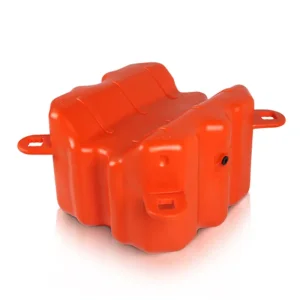
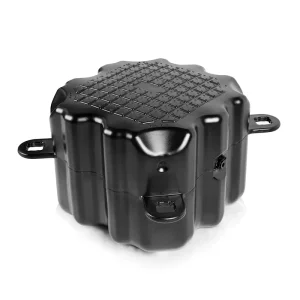
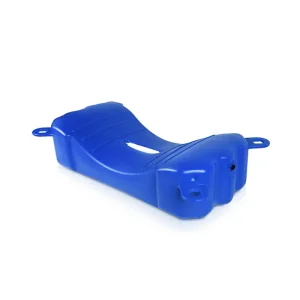
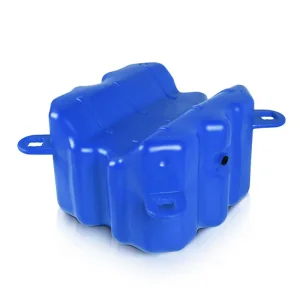
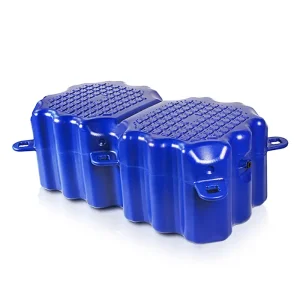
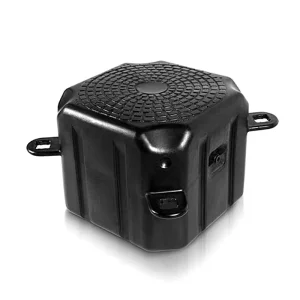
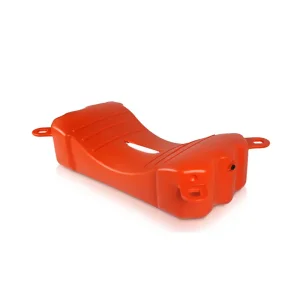
Direct factory supply of high-buoyancy HDPE cubes, walkways, and heavy-duty structural platforms engineered for harsh marine environments.
In the contemporary marine engineering landscape, the deployment of modular marine systems has shifted from simple utility docks to complex, highly integrated civil infrastructures. The demand for flexible, high-performance, and temporary aquatic pathways has escalated exponentially due to fluctuations in global water levels, climate-adaptive architecture requirements, and expanding offshore operations.
Historically, heavy marine infrastructure relied on cast-in-place concrete or chemically treated timber piles. However, environmental regulations like the EU's Water Framework Directive and EPA marine guidelines have severely restricted permanent aquatic construction in ecologically sensitive zones. Industrial developers, tourism projects, and utility operators now select modular High-Density Polyethylene (HDPE) pontoons due to their zero-environmental leaching properties, instant dynamic buoyancy, and absolute end-of-life recyclability.
The primary growth engine for the temporary floating dock market remains modern infrastructure upgrades. Urban redevelopment along waterways, rapid pontoon solutions for military and civil protection mobilization, and temporary aquatic walkways for sports mega-events require systems that assemble in hours, adjust seamlessly to tidal variations, and survive hydrodynamic loads during extreme weather cycles.
Established in 2019 in Huangyan, Taizhou, Zhejiang province—the definitive molding capital of China—Shenghuang Industrial & Trade Blow Molding Factory is an industry leader in engineering high-durability thermoplastic solutions. Operating inside an expansive logistics and component ecosystem, our facilities leverage advanced manufacturing and automated extrusion blow molding technologies.
“By utilizing advanced automated parison control and proprietary polymer stabilization agents, Shenghuang ensures that every square centimeter of our modular floating system retains structural parity, resisting micro-cracking and UV degradation for up to 15 years in high-salinity marine environments.”
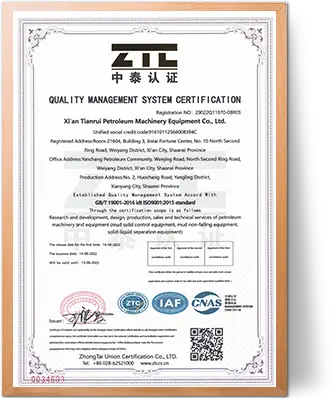
Our comprehensive production facility features advanced automated extrusion blow molding machinery. This hardware enables computer-monitored material distribution, ensuring uniform wall thickness across each interlocking pontoon wall. This uniform thickness is essential for resisting structural deformation caused by sub-zero ice pressure or dynamic wave stresses. Adhering to the ISO 9001 quality management framework, the factory subjects every batch of HDPE to stringent quality control, including high-impact drop tests, hydrostatic sealing audits, and structural shear-load challenges for interlocking connection lugs.

ISO 9001 Compliance
Environmental Standards

Dynamic Load Testing
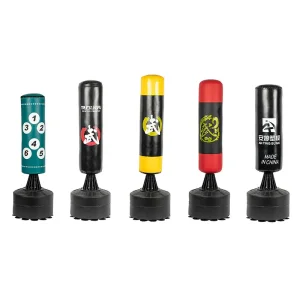
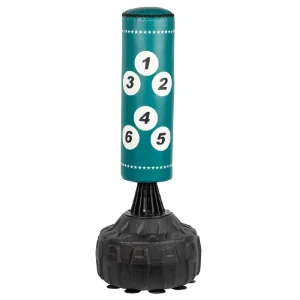
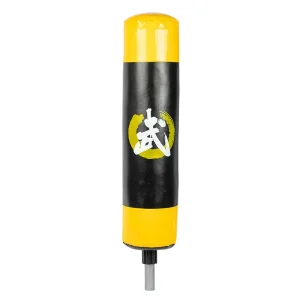
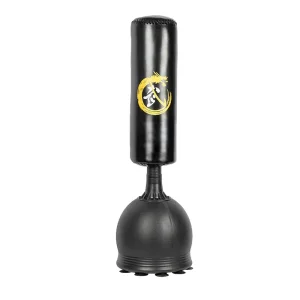
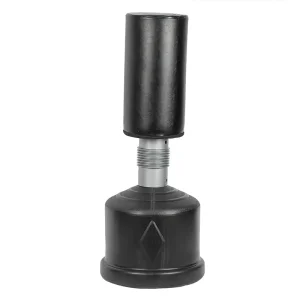
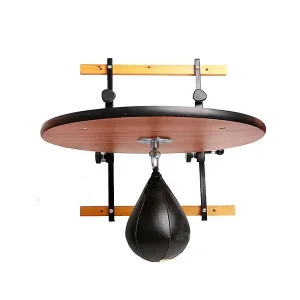
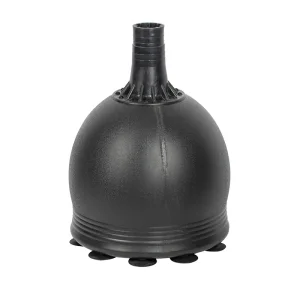
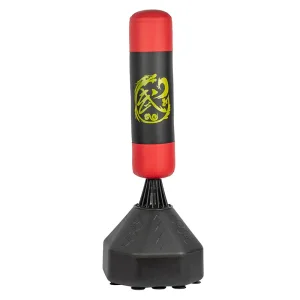
Beyond our primary marine products, our technological platforms support custom OEM/ODM solutions. We manufacture versatile industrial blow-molded containment products, heavy-duty sport accessories like premium sandbag units (including boxing sandbags QJ001 to QJ0014 configurations), and specialized structural bases. By operating in multiple blow molding product categories, our material scientists can apply advancements from automotive polymers to marine pontoon formulations, resulting in superior stress-crack resistance (ESCR) and UV protection.
Modern coastal and inland project development demands adaptable solutions. Temporary floating structures from Shenghuang support key civil and industrial applications worldwide:
Providing safe, heavy-duty floating platforms and detour footbridges during major rehabilitation work on permanent bridges and dams. Our systems handle pedestrian flows and light vehicle utility traffic with ease.
Serving as stable floating platforms for water treatment systems, high-volume dredging pumps, and industrial piping. This configuration ensures consistent performance even during significant tide and current swings.
Supporting clean energy deployments over reservoirs and cooling ponds. Our custom-molded panels integrate easily with photovoltaic racking hardware to optimize solar capture efficiency.
Our temporary floating docks feature an engineered interlocking lug layout that allows multi-axis movement. This allows our structures to distribute structural forces across a wide grid of interlocking components. In high-flow and tidal zones, this flexibility helps protect the structural integrity of the anchoring points, keeping the installation safe and functional in challenging marine conditions.
Shenghuang modular floating docks use premium Lupolen molecular structure HDPE. We add specialized UV stabilizers, thermal inhibitors, and anti-static compounds during processing. This provides superior mechanical performance across all physical parameters:
| Physical Parameter | Testing Standard | Typical Values |
|---|---|---|
| Density | ASTM D1505 | > 0.955 g/cm³ |
| Ultimate Tensile Strength | ASTM D638 | > 22 MPa |
| Environmental Stress Crack Resistance | ASTM D1693 (Condition B) | F50 > 1000 Hours |
| Standard Buoyancy (Single Layer) | Hydrostatic Test | 200 kg/m² to 300 kg/m² |
| Operational Temperature Limits | Thermal Cycling | -60°C to +80°C |
Our raw material formulation helps prevent chemical degradation from exposure to organic compounds, acid rain, fuel oils, and high-salinity seawater. The material resists micro-surface oxidation under solar radiation, retaining its structural strength and impact resistance over long-term outdoor exposure.
Shenghuang coordinates global logistics and local support from Taizhou, Zhejiang. We offer regional supply channels and on-site guidance to simplify modular dock installation and regulatory approval processes:
Shenghuang is continually modernizing our manufacturing capabilities. We focus on enhancing structural performance, improving material efficiency, and incorporating smart technologies to meet changing marine construction requirements:
Developing bio-sourced and post-consumer recycled HDPE matrices that match the tensile strength of virgin polymers. This helps reduce carbon footprints while keeping product performance high.
Integrating compact load-monitoring sensors into connecting pins. These sensors send real-time alerts about localized shear loads and mooring line stress to operators via cloud dashboards.
Using computational fluid dynamics (CFD) modeling to design pontoon shapes with lower drag and better wave dissipation. This helps increase platform stability in high-current and tidal areas.
Common engineering, installation, and performance questions regarding modular HDPE floating platform systems.
Our modular HDPE floating dock systems withstand high-wind and wave events because of their flexible design. Unlike rigid wood or metal structures, our interlocking modular configuration flexes with wave motions, reducing structural loads. For installations in active typhoon zones, we recommend heavy-duty mooring setups using steel pipe guides, concrete anchors, or high-elongation elastic lines to keep the dock secure.
Yes. If you are located outside our dealer network, we ship your floating dock components directly to your nearest freight terminal or ocean port. Our systems pack flat into containers, and we supply comprehensive visual installation manuals, loading charts, and support documentation for straightforward regional receiving and setup.
Yes, the modular systems are designed to remain in the water over winter, in both fresh and saltwater environments. The bottom face of our modular cubes has a slightly drafted, wedge-profile design. As ice expands and forms around the dock, this shape allows the system to ride up and sit safely on top of the ice layer rather than being crushed.
The main factor for winter deployments is water flow. In calm waters, the system accommodates freezing and thawing. However, in locations with fast river currents or moving ice sheet runoffs, heavy ice blocks can damage structural elements or tear out anchors. In these high-risk conditions, we recommend removing and storing the dock before seasonal freezes occur.
For safe public and utility access, we recommend a minimum walk path width of three cubes (1.5 meters). This width provides a stable walking platform and helps distribute weight load across the modules. Each individual cube provides approximately 200 lbs of buoyant support, creating a solid walkway when pinned together.
Yes. The modular cubes draw only 2 to 4 inches (50 to 100 mm) of water when unloaded. This low draft allows them to sit or float in very shallow areas. If the tide drops completely, the dock can rest flat on a soft mud or sand seabed without damage, rising naturally with the next tide cycle.
Our factory began blow molding production in 2019 in Taizhou, Zhejiang. We have expanded our operations to become a major supplier of modular HDPE structures in the region, serving industrial, commercial, and OEM projects worldwide.
Browse our complete list of marine-grade HDPE platform shapes, accessory bases, and industrial blow-molded products.










 ShengHuang