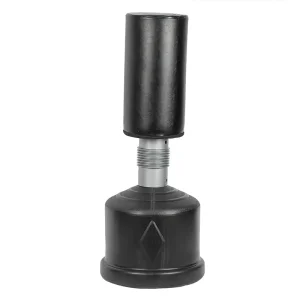
Engineered high-buoyancy structures and performance training equipment manufactured to precise industrial standards.
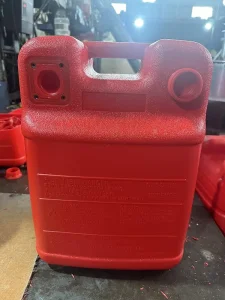
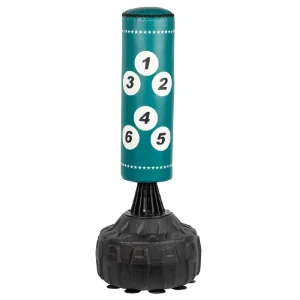
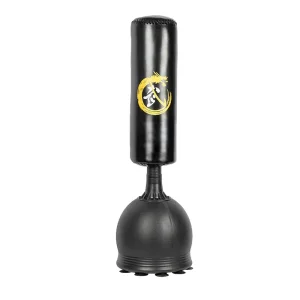
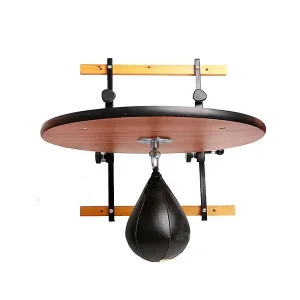
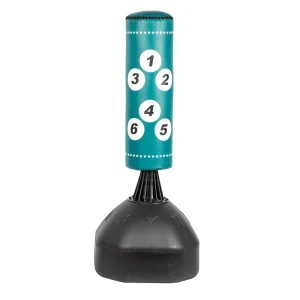
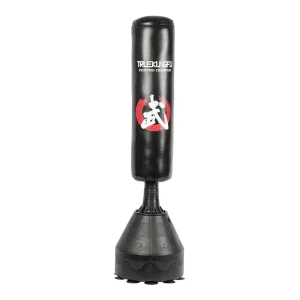
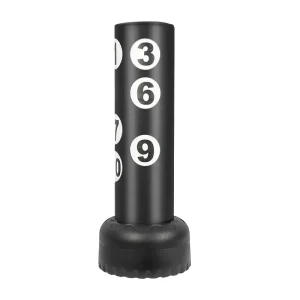
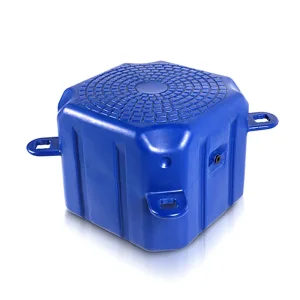
Founded in 2019, Shenghuang Industrial & Trade Blow Molding Factory has established itself as a leading innovator in the plastic blow molding industry. Headquartered in Huangyan, Taizhou, Zhejiang province—a global manufacturing cluster famous for precision mold design and plastics manufacturing—the company is a premier partner for high-buoyancy marine structures, protective packaging solutions, and custom industrial designs.
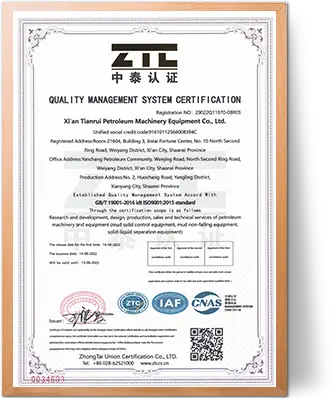
By integrating advanced automation and eco-friendly polymer processing, we supply markets globally with products engineered to survive marine, industrial, and consumer environments. We operate strictly under the ISO 9001 quality management framework to guarantee dimensional stability and structural density across all our modular dock products.


Understanding material optimization, hydrodynamic designs, and modular architectures for modern personal watercraft (PWC) docking.
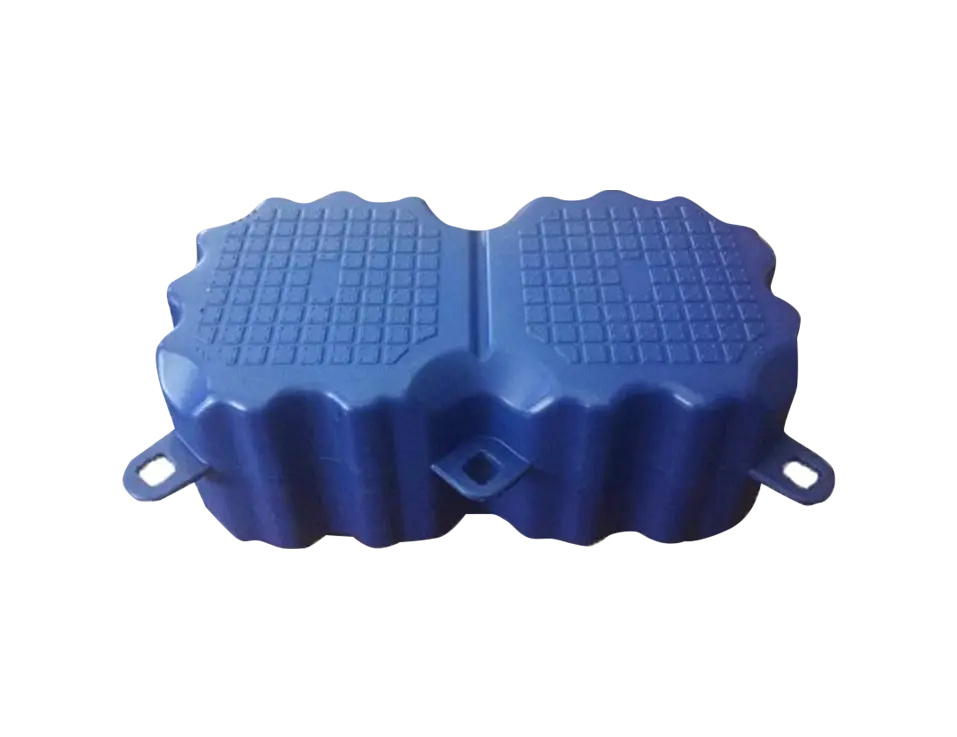
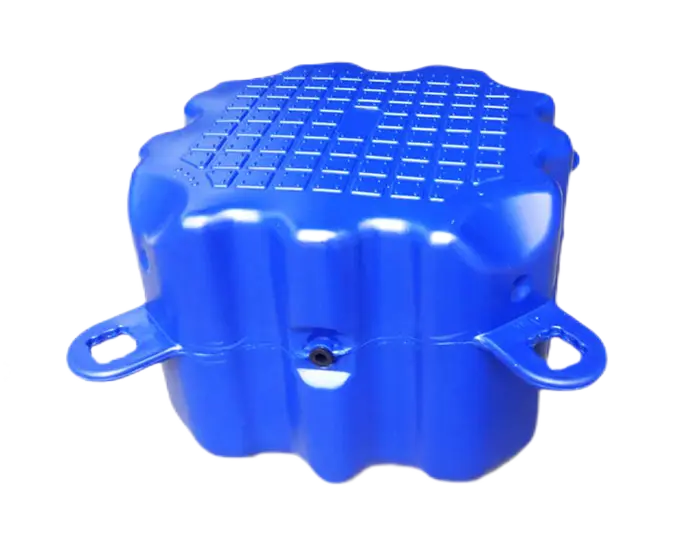
Modular PWC dry docks utilize premium Virgin High-Density Polyethylene (HDPE) combined with high-grade PVC outer shells. This compound delivers UV-stability, chemical resistance, and protection against marine flora degradation, outlasting traditional wood or metal structures.
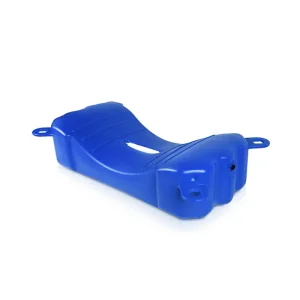
Ramps feature custom concave-convex structural designs, which provide high friction for foot traffic while safely guiding the PWC hull. V-shaped entry rollers and guides reduce surface contact drag, protecting your watercraft gel coat from abrasions.
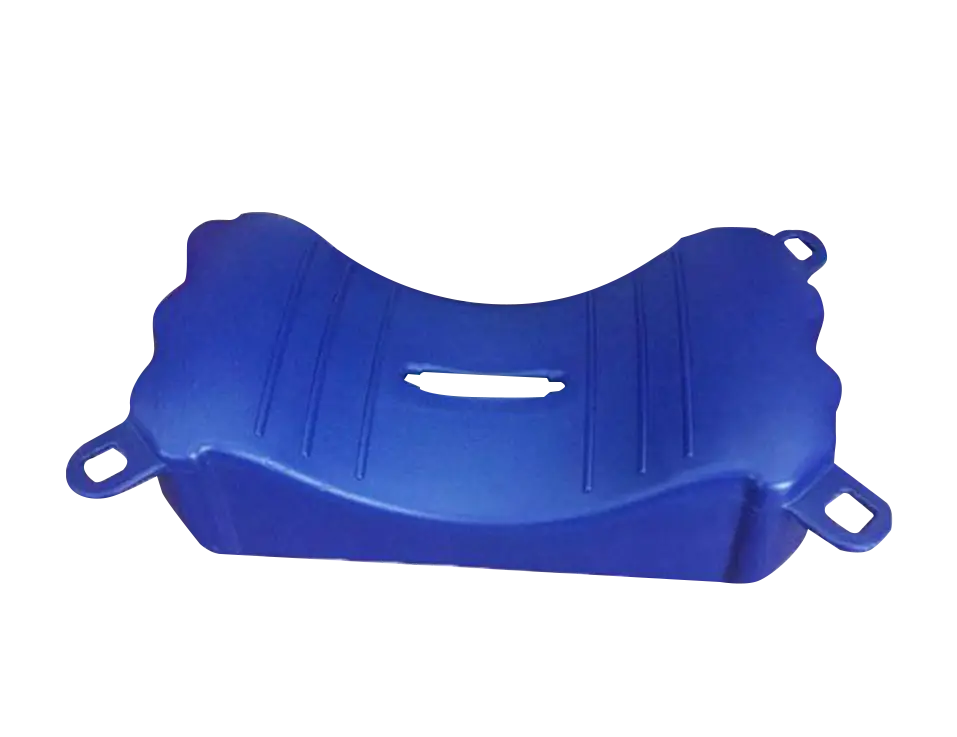
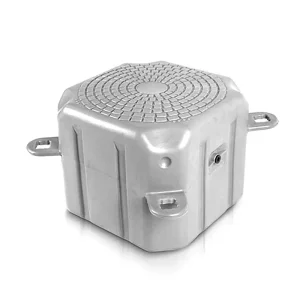
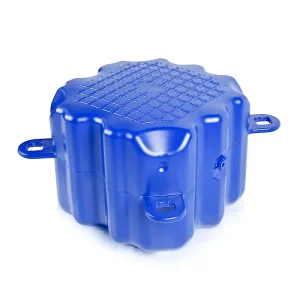
The interlocking block layout allows you to scale up platforms seamlessly. Connect multiple units for private docks, commercial rental centers, or coast guard response slipways using high-tensile connection pins.
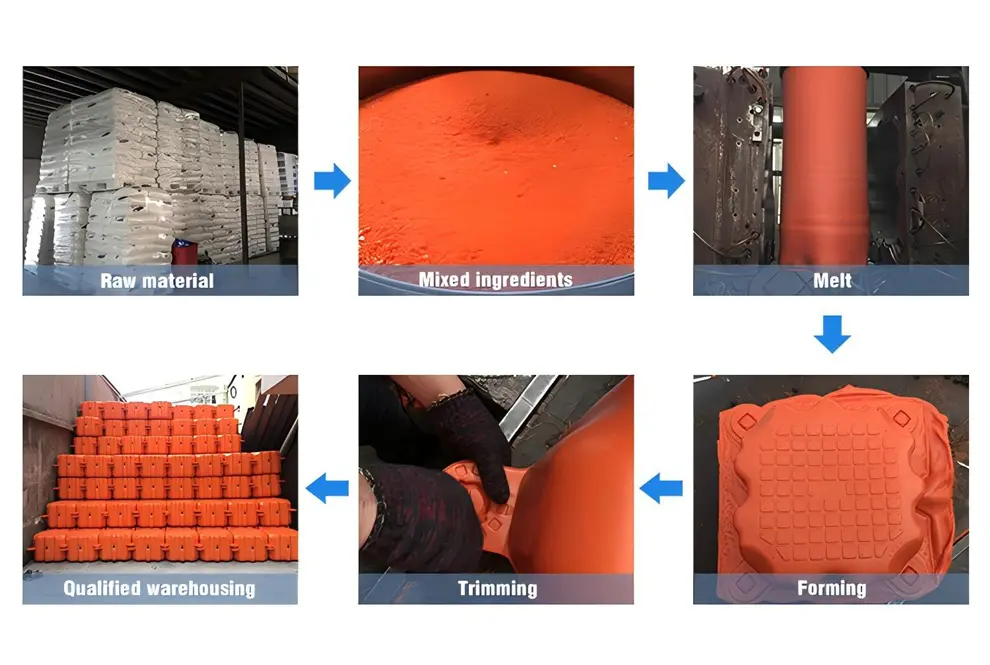
Unlike stationary wooden structures, our blow-molded HDPE and PVC modular pontoons adjust to water movements. When a personal watercraft approaches the ramp, the system flexes to absorb the kinetic impact, distributing the load across the multi-chambered dock body.
The air pocket inside each modular block delivers balanced buoyancy of up to 350 kgs per square meter. The standard design drafts just 2 to 4 inches when unladen, enabling launch capabilities in shallow tidal zones. Built-in UV-inhibitors block solar degradation, preserving physical properties under continuous exposure.
How our geographic position and advanced industrial automation improve efficiency for global procurement teams.
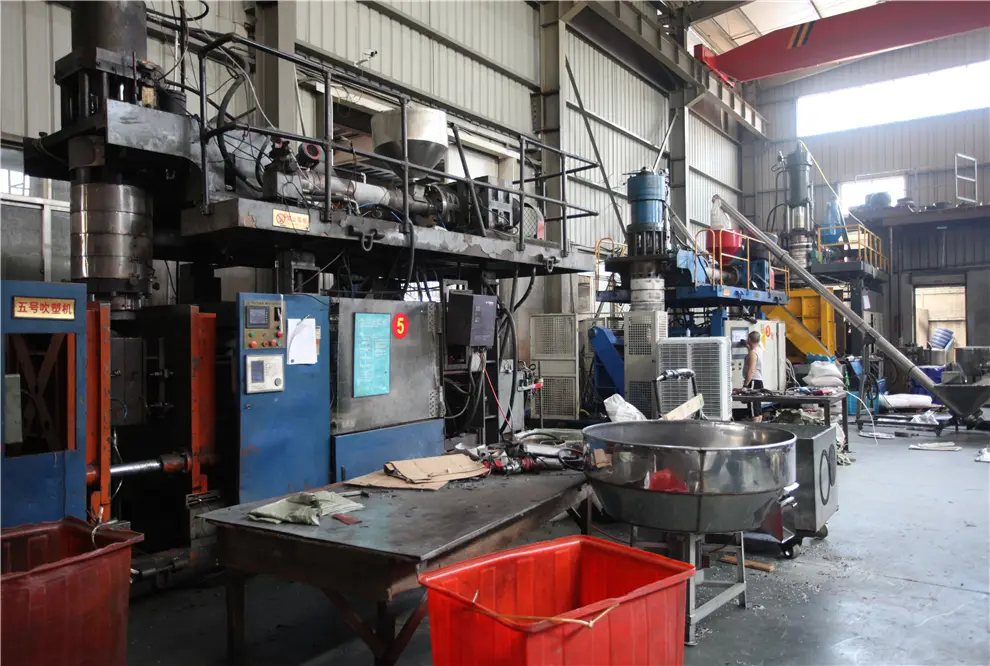
Our facility houses high-speed blow molding lines designed for thick-walled hollow components, delivering wall thickness uniformity, high structural integrity, and fast order turnaround.
Located in Huangyan, Taizhou, we access premium raw materials, tooling manufacturers, and maritime shipping hubs (Ningbo/Shanghai), reducing lead times and manufacturing costs.
Our engineering team handles full OEM and ODM services. From custom buoyancy requirements to branded color palettes, we design custom molds and build complete marine docking systems.
Modern marinas are shifting away from heavy concrete and pressure-treated wood systems. Environmental regulations globally ban wood treated with creosote or heavy chemicals due to toxin leaching. As a result, modular, recyclable HDPE and PVC systems have become the industry standard.
Additionally, watercraft design trends show increased weight and size for multi-passenger PWCs and high-power Jet Skis. Modern ramp manufacturers must adjust load capacities and construct reinforced profiles that safely accommodate larger hulls.
Shenghuang supports this transition by manufacturing products that comply with REACH and RoHS standards, using recyclable plastics, and lowering energy consumption across our blow-molding lines.
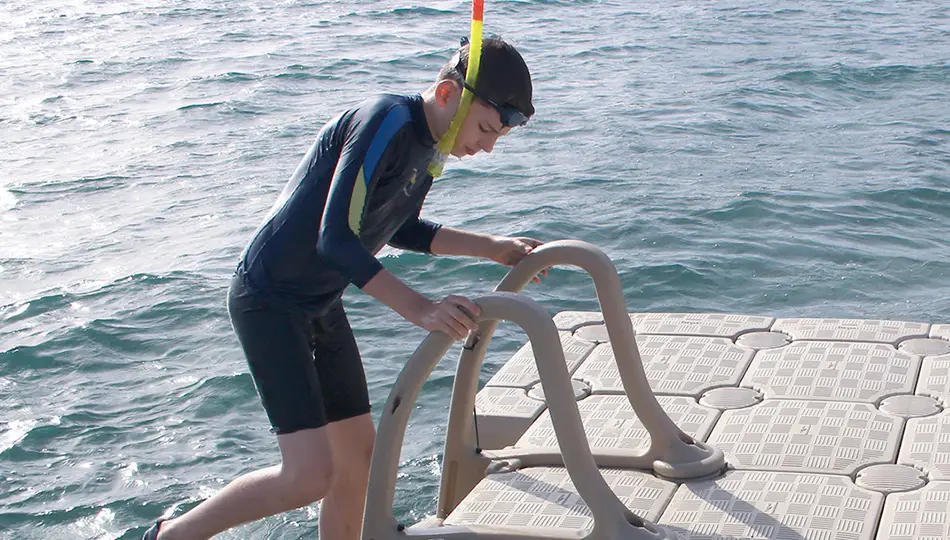

Engineered to deliver high performance in tidal areas, extreme cold, and high-wave zones.
Flexible interlocks let the system ride changing tides, avoiding structural tension. High UV resistance prevents chalking and color fading in high-saline coastal settings.
Designed to withstand seasonal freezing, these docks flex and pop up on top of ice sheets, protecting them from structural damage during winter freeze-thaw cycles.
Double as working platforms and access paths for aquaculture farms, logistics centers, and environmental testing crews needing stable water platforms.
Real-world installations of modular pontoon and dock assemblies.
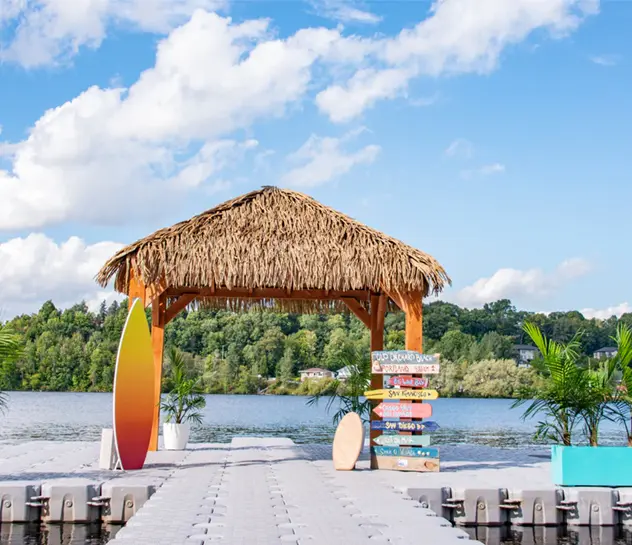
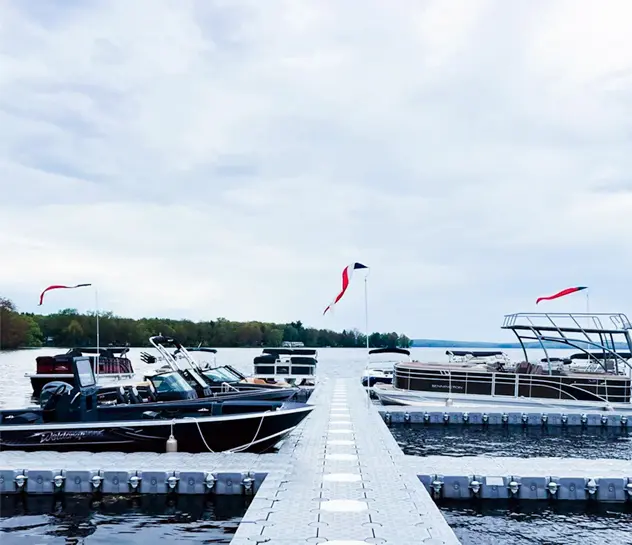
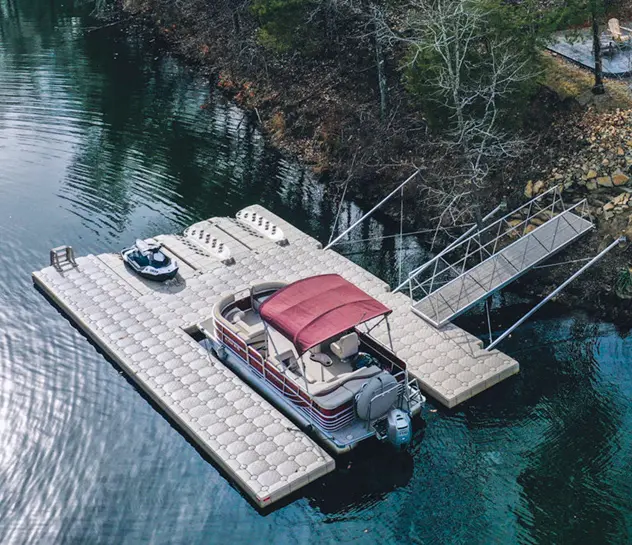
Shenghuang provides full engineering support for custom product development. Our flexible R&D framework accommodates custom colors, custom sizing, and specialty attachment designs for various marine projects.
From drafting CAD layouts to testing wall thickness and load limits, we ensure all components meet the durability requirements of commercial watercraft clubs and naval support fleets.
Fast digital prototyping
High precision tooling
Essential technical advice on modular dock design, winter maintenance, installation layout, and system durability.










Explore our line of heavy-duty, high-buoyancy modular dry docks and pontoons for commercial and residential installations.
 ShengHuang