Across the globe, rapid urbanization of coastlines, expansion of sustainable aquaculture, and the development of renewable energy such as floating solar photovoltaic (FPV) arrays have escalated the demand for resilient, high-density modular marine structures. Traditionally, marine projects utilized wood, concrete, and heavy steel structures to build docks, walk-ways, and platform supports. However, these legacy materials have repeatedly demonstrated critical vulnerabilities, including fast structural corrosion under saline marine conditions, high installation complexity, and severe environmental leaching.
The shift toward high-performance polymers has established High-Density Polyethylene (HDPE) pontoons as the modern standard for offshore and freshwater applications. Engineered with advanced blow molding technology, polyethylene pontoons offer unparalleled advantages. They are chemically inert, highly UV-stabilized, and possess exceptional structural memory, allowing modules to flex and dissipate intense wave forces without cracking. As a leading manufacturer in China, Shenghuang Industrial & Trade Blow Molding Factory provides comprehensive ODM and OEM services, addressing key challenges in structural load-bearing capacity, extreme thermal performance, and long-term marine deployment.
Not all polyethylene pontoon components are created equal. The foundational integrity of a high-load marine modular float relies heavily on the quality and density distribution of the raw plastic resins used. Shenghuang exclusively utilizes premium, virgin molecular-weight HDPE mixed with high-performance UV stabilizers (specifically UV8 and UV12 configurations) to guarantee resistance to long-term photo-degradation under constant tropical sunlight.
| Performance Criterion | Standard Metric / Value | Test Standard Compliance |
|---|---|---|
| Density Classification | 0.952 - 0.965 g/cm³ | ISO 1183 / ASTM D1505 |
| Environmental Stress Crack Resistance (ESCR) | F50 > 1000 hours | ASTM D1693 (Condition B) |
| Buoyancy Capacity (Single Module) | 350 kg / m² | GB/T 13508-2015 |
| UV Stabilization Index | Class UV8 / UV12 Standard | ASTM G154 (UV Degradation Test) |
| Deformation / Swelling Margin | < 0.5% under extreme hot climates | ISO 294 Thermal Cycle Assessment |
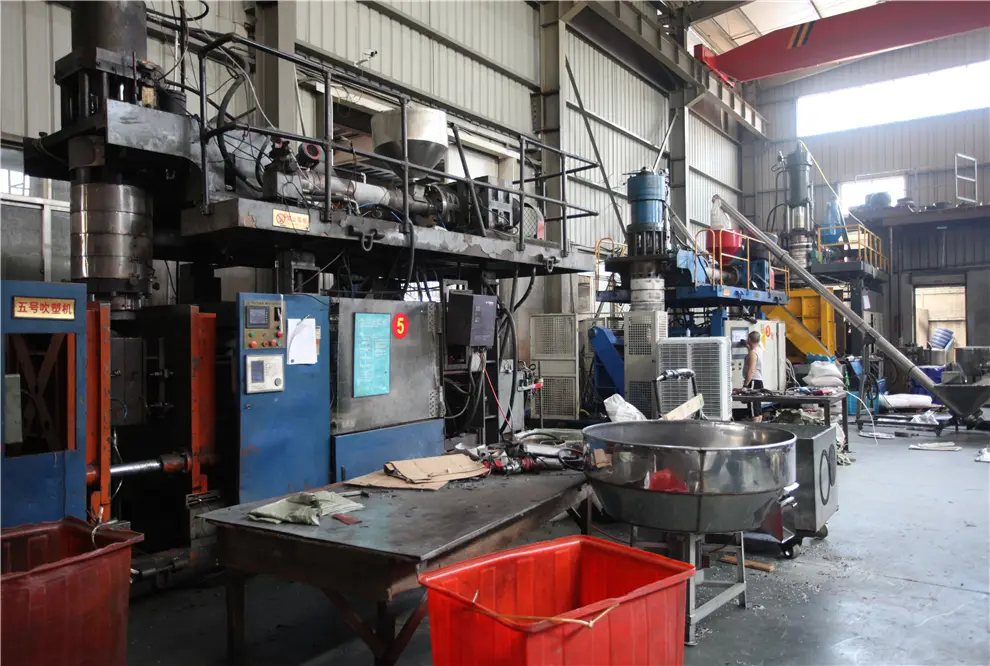
The manufacturing excellence of Shenghuang Industrial & Trade Blow Molding Factory, established in 2019, lies in its advanced extrusion blow molding lines. Located in the plastic manufacturing hub of Taizhou, Huangyan, Zhejiang, our factory uses continuous parison programming to control the wall thickness of the pontoons at crucial corner areas and around the connection lugs. Unlike rotational molding, which can result in inconsistent wall distributions, our computer-controlled blow molding yields high precision and repeatability, delivering consistent thickness, structural weight, and uniform load capacities across entire production runs.
As a premier ODM Polyethylene Pontoons Supplier, we recognize that different marine infrastructures require custom designs. Commercial dock builders, offshore aquaculture operations, and industrial wastewater treatment plants have highly specific requirements. Our engineering team assists developers in transitioning from standard CAD drafts to high-volume production molds.
We model wind, wave, and tide currents to design custom pile guides, modular anchor chains, and sliding bracket connections. This prevents point-load stress and ensures the dock survives during storm surges.
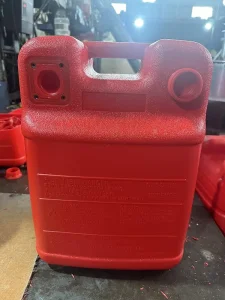
Our ODM designs can include dedicated internal utility channels. This allows for safe layout of water pipes, power cables, and communications without exposing them to environmental damage.
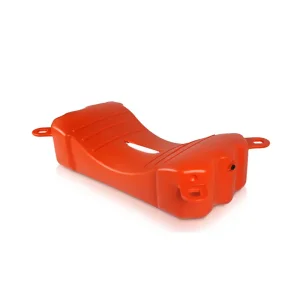
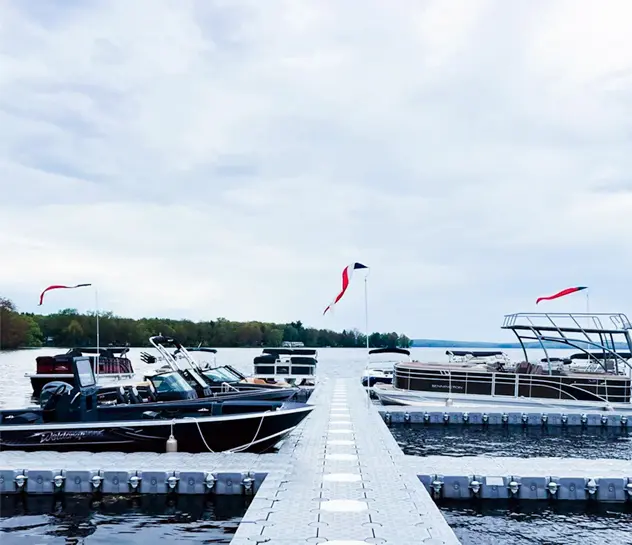
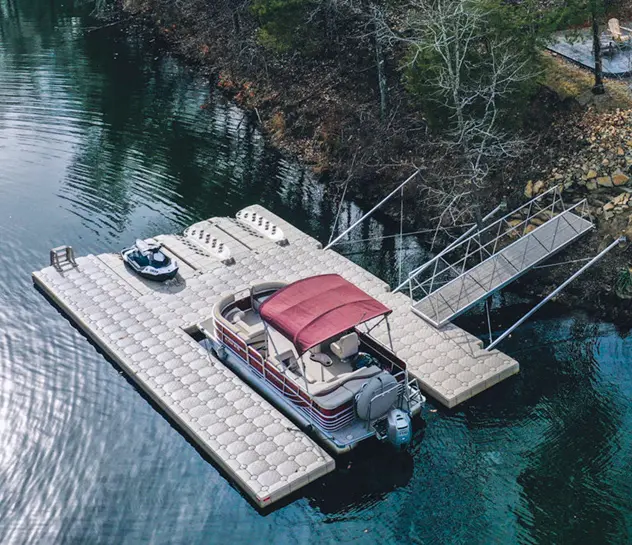
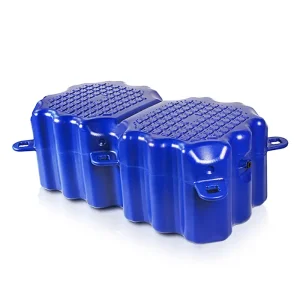
From single walk-way floats to heavy U-shaped docks for personal watercraft and large twin-docks, we customize module shapes to ensure stability and precise fitment.
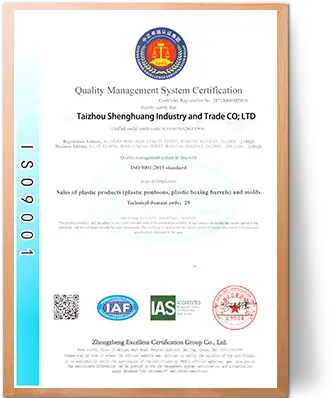
Our factory operates strict, fully certified manufacturing practices. Our operations are fully certified under ISO 9001 quality management systems, ensuring that from raw material purchasing to final stress testing, every pontoon produced is highly reliable.
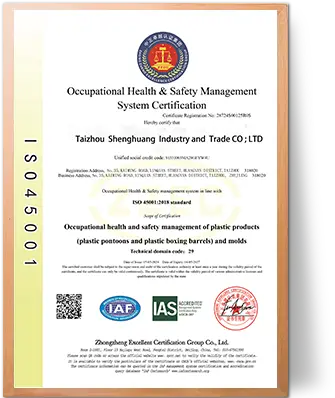
ISO 9001 Quality System
Environmental Safety Audit
CE Compliance & Standards
Environmental sustainability is central to the long-term design of marine infrastructure. Traditional treated timber releases toxic copper, chromium, and arsenic (CCA) compounds directly into the water. Steel structures require anti-fouling paints that flake off and harm local marine life. Our HDPE pontoons offer an eco-friendly alternative. They are completely inert, meaning they do not leach chemicals, degrade, or dissolve into microplastics in sensitive marine ecosystems.
Looking ahead, Shenghuang's technological roadmap focus includes:
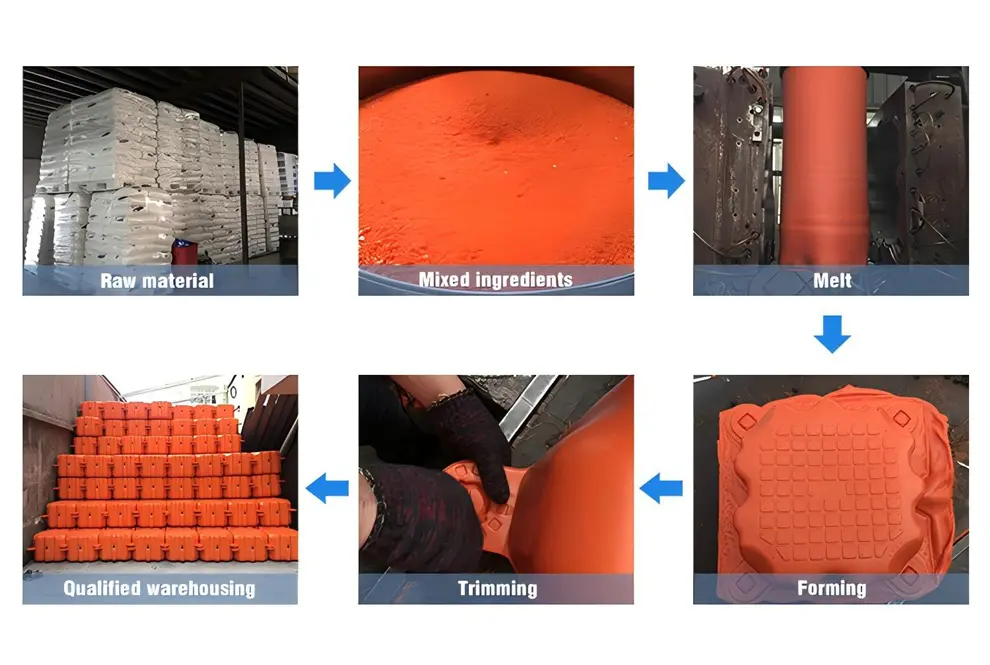
Building a global marine infrastructure project requires a reliable supply chain. As an established exporter, Shenghuang manages complex international logistics, packing, and customs processes. Because our modular pontoons are designed for optimal nesting, they pack efficiently into shipping containers. This minimizes empty volume and reduces overseas transport costs.
Our international support network provides engineering assessments, load-bearing calculations, and anchorage designs tailored to regional weather conditions and standards. We work closely with port authorities, municipal engineering firms, and industrial marine contractors to ensure local regulations are met.








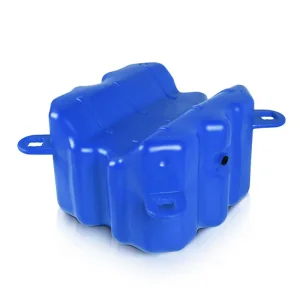
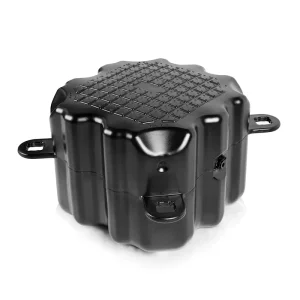
Different projects require specific float shapes and buoyancy distributions. We offer three primary modular configuration styles to meet these varied application demands:
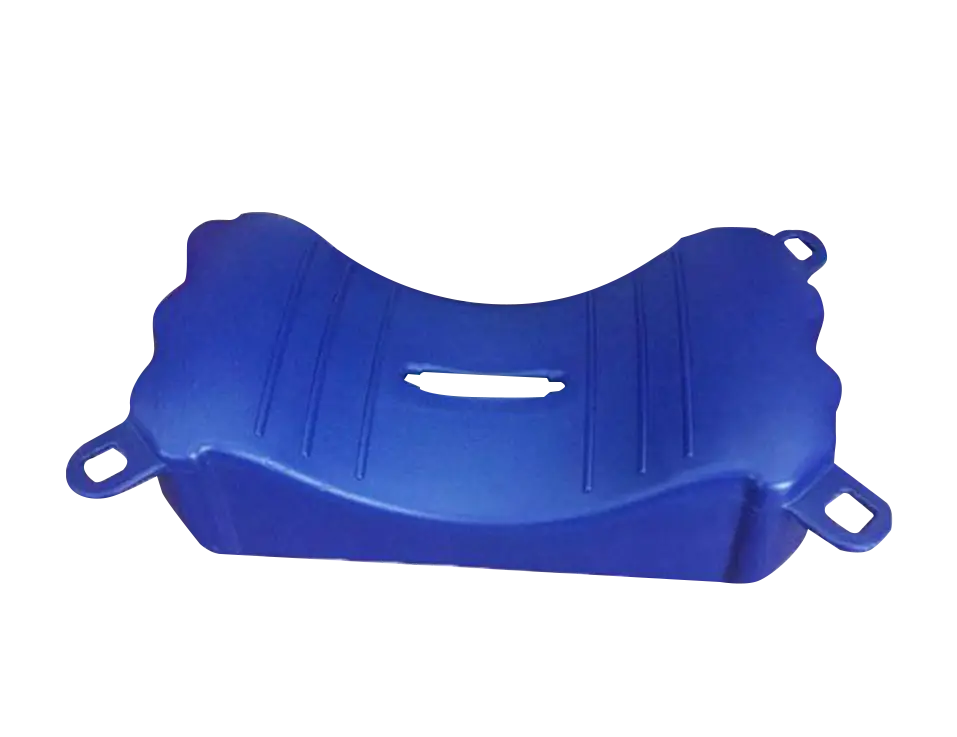
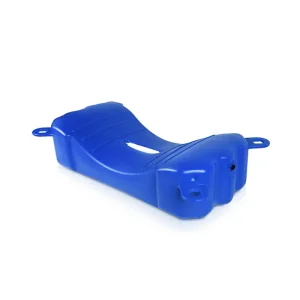
Specifically engineered to secure personal watercraft (PWCs) and jet-skis. Offers a drive-on ramp configuration for seamless dry parking.
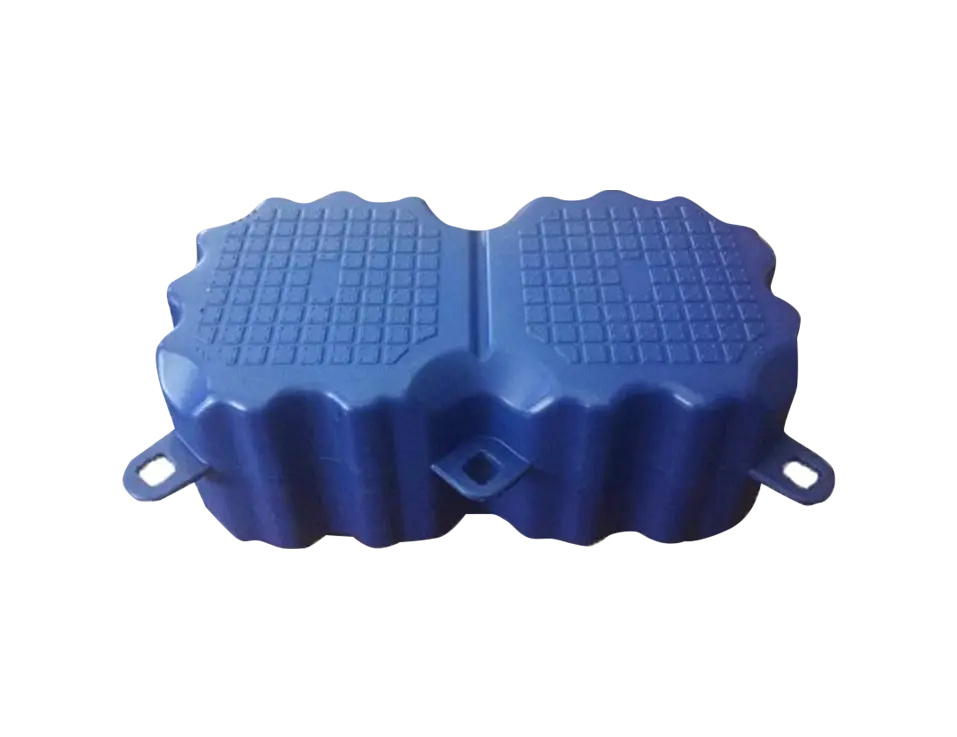
Features heavy-duty double modules for high buoyancy limits, suitable for heavier walkways and support platforms for industrial equipment.
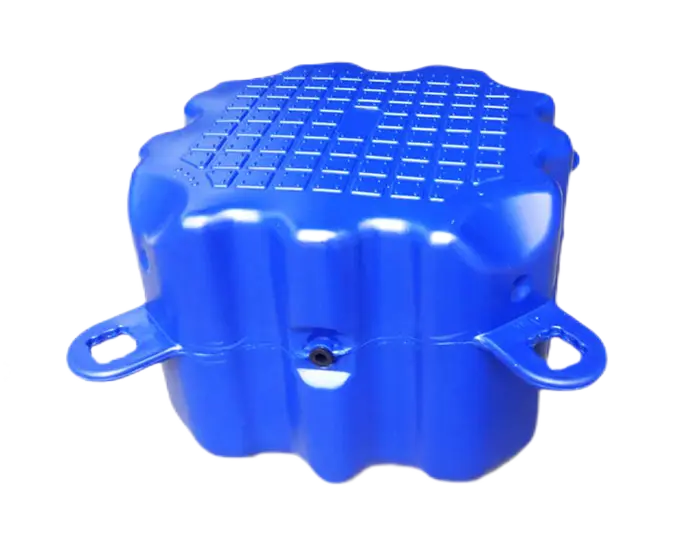
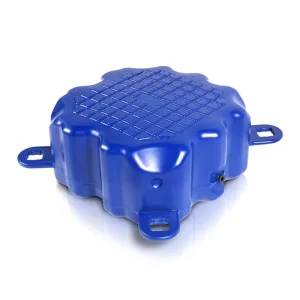
A highly versatile and configurable square unit designed to build structures ranging from simple gangways to complex working platforms.

Below are answers to frequently asked engineering and logistics questions from procurement managers and engineers designing modular HDPE systems:
 ShengHuang