Industrial grade High-Density Polyethylene modular blocks customized for extreme marine loads and versatile installations.
Global coastal, urban, and industrial landscapes are demanding structural alternatives that resist aggressive water chemistry, biological degradation, and fluctuating tidal pressures. High-Density Polyethylene (HDPE) has emerged as the global material standard for modern floating systems.
Historically, marine developers relied on concrete blocks, timber decking, or steel-supported structures. Although structurally stable under static loads, these materials exhibit high vulnerability to salinity corrosion, wood rot, marine borers, and mechanical stress caused by tidal action. Research and development teams have proven that HMW-HDPE (High Molecular Weight High-Density Polyethylene) provides the optimal balance of flexural strength, environmental longevity, and chemical resistance.
Engineered Plastic Solutions from China's Premium Blow Molding Manufacturing Hub
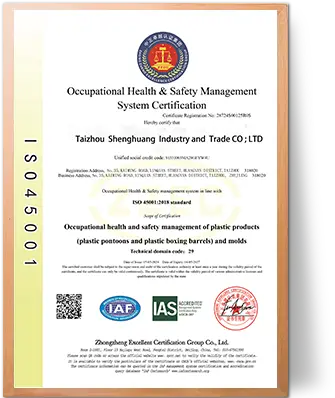
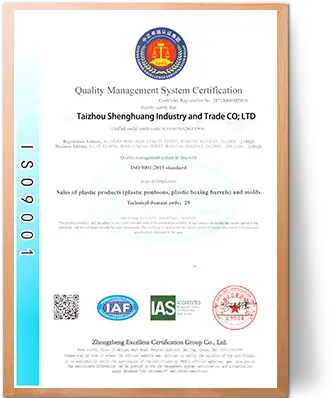
Founded in 2019, Shenghuang Industrial & Trade Blow Molding Factory is a leading innovator in the plastic blow molding industry. With its headquarters located in Huangyan, Taizhou, Zhejiang—an area internationally recognized for its robust plastic molding infrastructure—the company has quickly grown into a trusted supplier of high-quality blow-molded products across multiple sectors, including packaging, automotive parts, household appliances, environmental applications, and high-strength marine pontoon infrastructure.
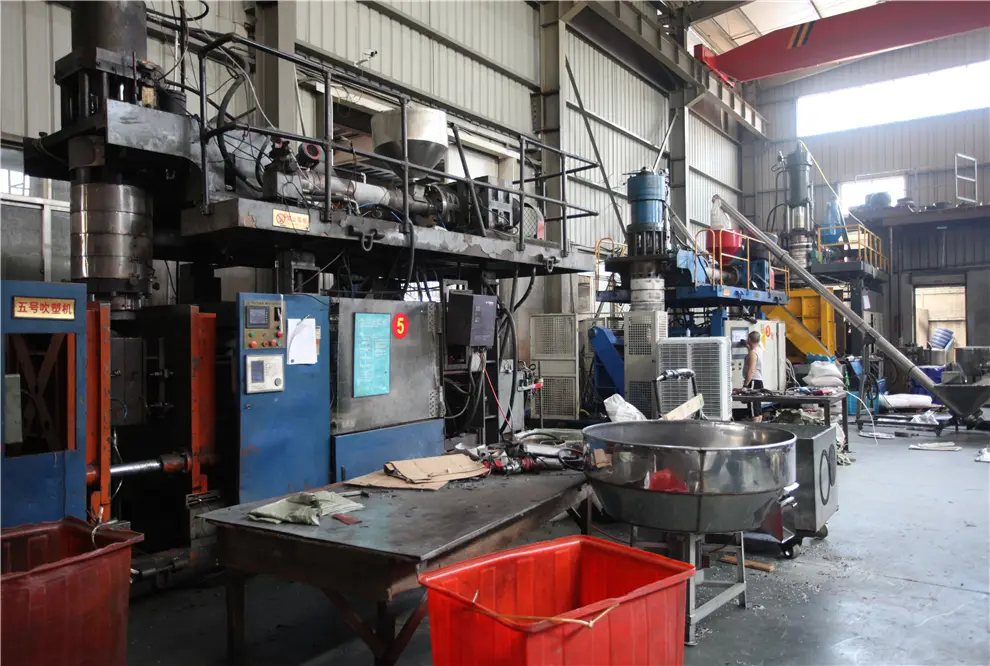
The factory is equipped with state-of-the-art automated blow molding production lines, which allow Shenghuang to efficiently produce a wide range of plastic products, such as plastic containers, bottles, structural marine pontoons, automotive components, and custom-designed industrial solutions. These advanced production lines ensure that Shenghuang can meet the growing global demand for high-precision, durable, and cost-effective plastic products.
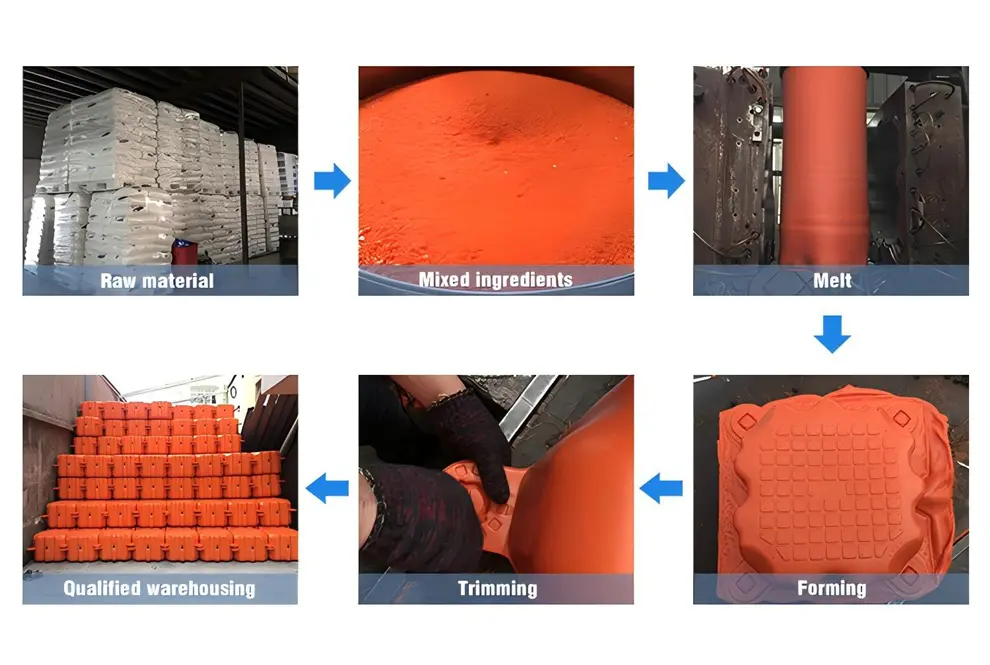
The company adheres strictly to the ISO 9001 quality management system, ensuring that every stage of production—from raw material procurement to final product stress-testing—meets stringent quality standards.
Commercial growth vectors and macro-economic demand shifting towards floating infrastructure
With rising sea levels and intense typhoons, global municipalities are shifting coastal infrastructure planning toward modular HDPE floating jetties and pontoons which rise and fall dynamically with tide fluctuations, eliminating structural overload stresses.
The boom in floating photovoltaic (FPV) arrays across lakes, reservoirs, and coastal waters relies on modular, chemical-resistant HDPE platforms. Industry trends show a 22% CAGR in offshore floating clean energy farms through 2030.
Unlike treated wood (which leaches heavy chemicals like CCA into aquatic environments) or steel (requiring toxic anti-corrosion paints), HDPE is food-grade, chemically inert, and releases zero trace microplastics or toxic components.
Integrating Advanced R&D with Environmental Sustainability
One of Shenghuang's key strengths is its commitment to environmental sustainability. The company actively promotes green manufacturing practices by using recyclable and eco-friendly materials in its production processes. Shenghuang continuously invests in research and development to enhance its products' environmental footprint, reducing waste and energy consumption while ensuring all products comply with global environmental regulations.
In addition to its dedication to sustainability, Shenghuang places a strong emphasis on technological innovation. The company boasts a dedicated R&D team focused on developing new high-performance materials and advanced molding techniques to meet the evolving needs of its customers. This focus on innovation allows Shenghuang to offer a wide variety of customized solutions that are tailored to specific customer requirements, including specialized products for high-performance and industrial applications.
Looking forward, Shenghuang will continue to focus on enhancing its technological capabilities, driving product innovation, and expanding its market presence worldwide. As the global market for blow-molded plastic products continues to expand, Shenghuang is strategically positioning itself for growth in international markets. With a commitment to expanding its product offerings and customer base, the company is poised to become a leading global supplier of blow-molded products.
Our featured hot products highlight structural design engineered to handle physical shear stresses and provide consistent static buoyancy.
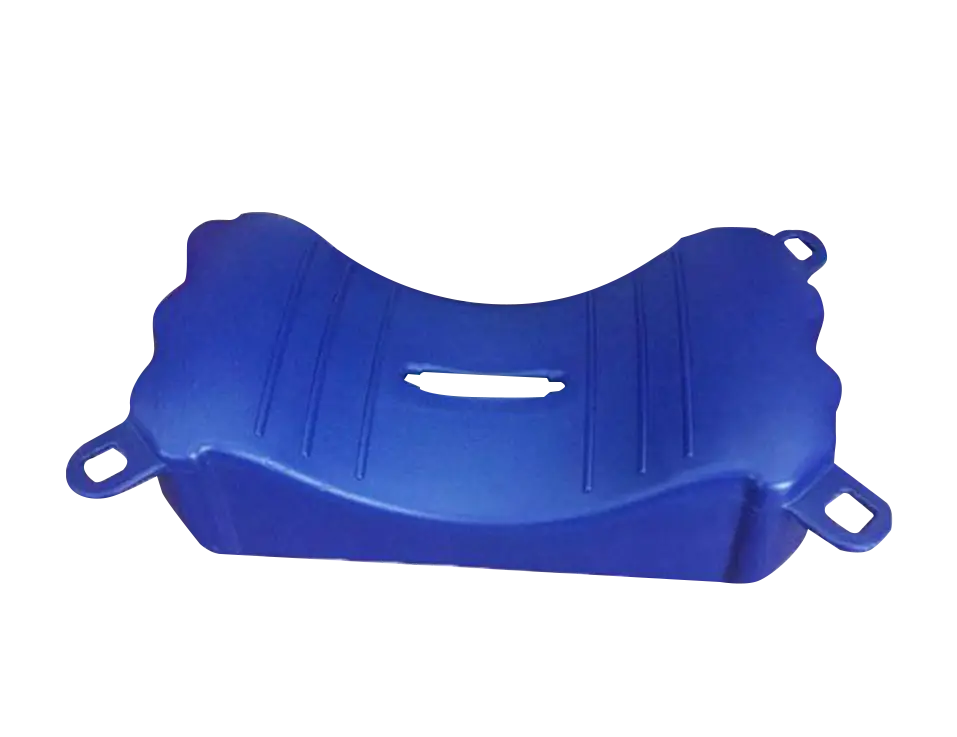
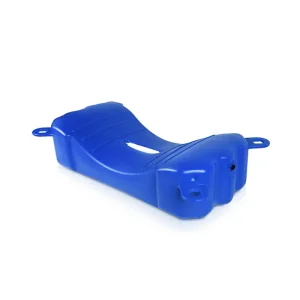
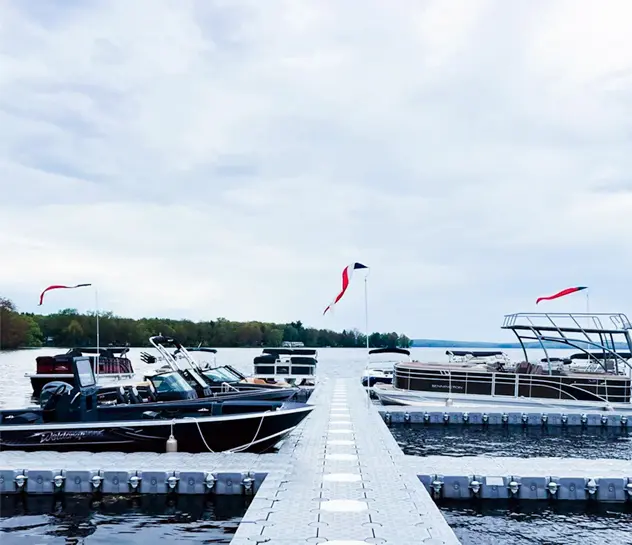
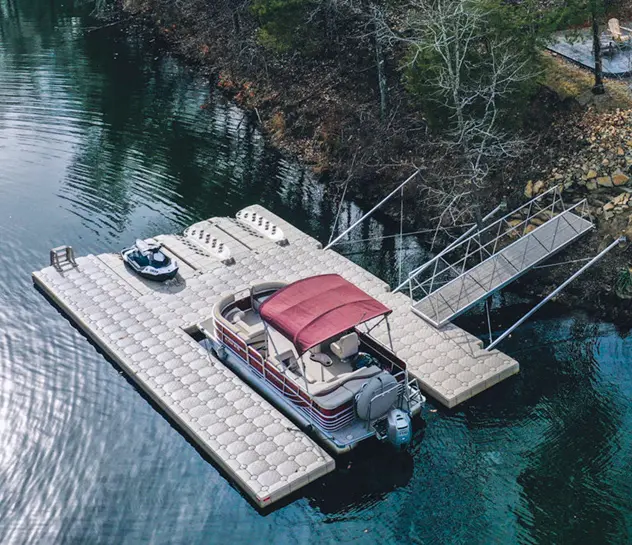
Specifically contoured for jet skis and motor boats, allowing easy drive-on docking sequences.
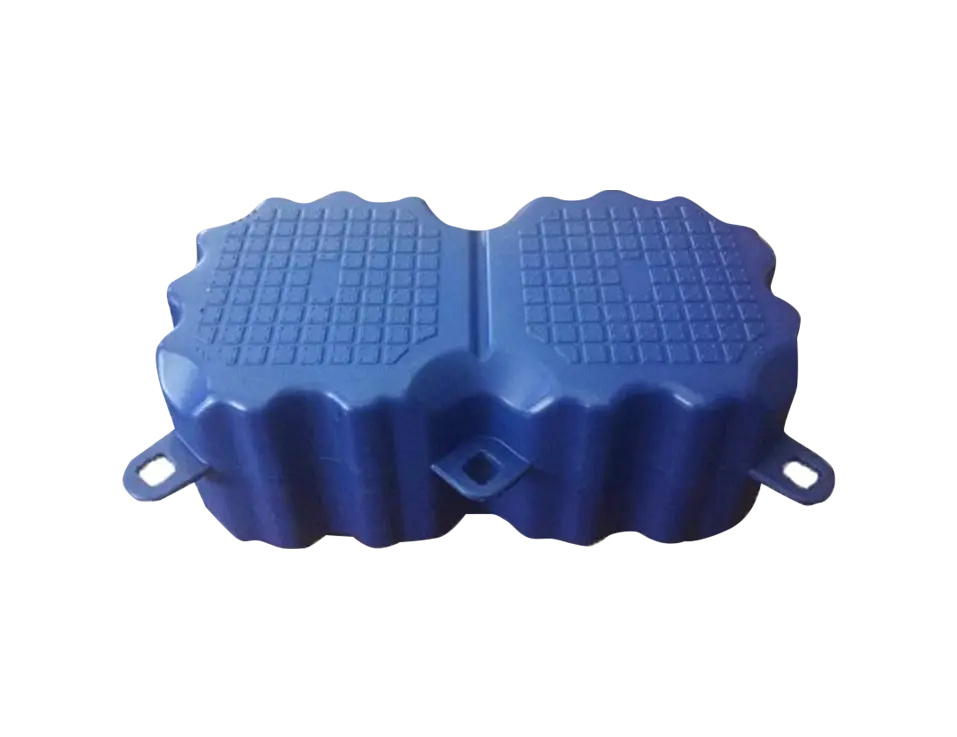
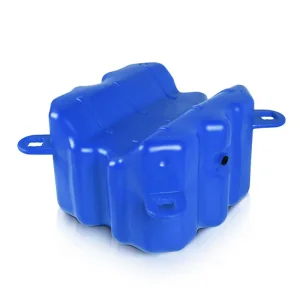
Dual connected modular sections providing enhanced longitudinal stiffness and faster installation.
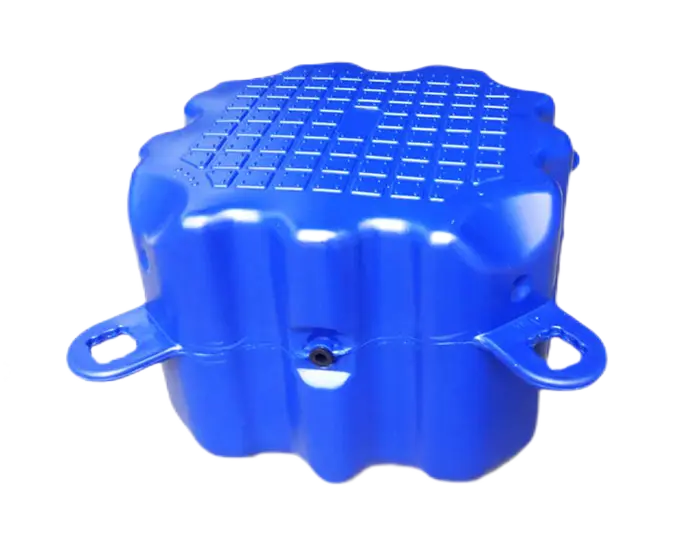
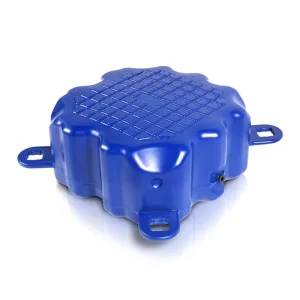
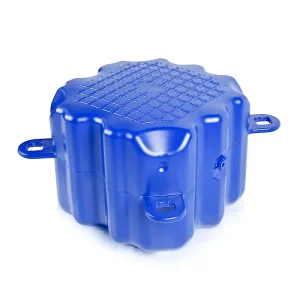
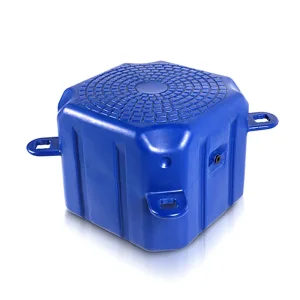
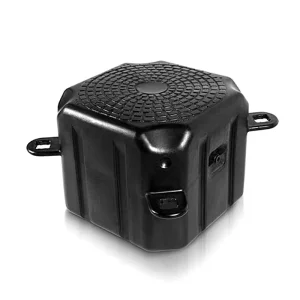
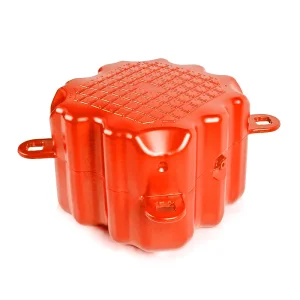
Standard 500x500mm module with exceptional point buoyancy parameters, serving as the core build block.
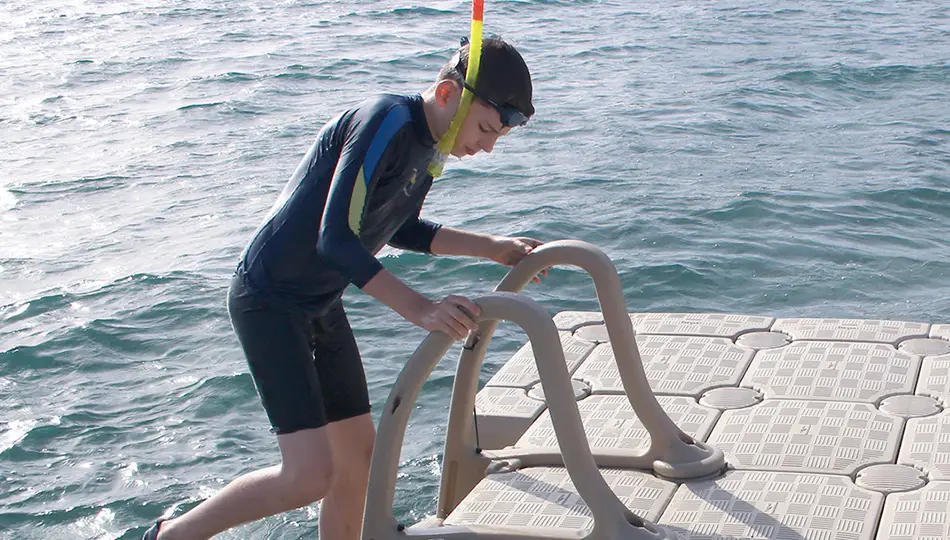
The surface design of our modular units incorporates a specialized concave-convex pattern. This serves a double-engineering purpose: it increases the anti-slip friction coefficient in wet conditions and provides structural rib-stiffening to the upper surface.
Each cube block is linked using a high-shear-resistant connecting pin. When multiple cubes are combined, these pins allow the platform to flex up to 15 degrees in any direction, effectively dispersing wave impact energy without stress cracking.
| Buoyancy Class | 200 to 350 kg/m² |
| Raw Material | HMW-HDPE with UV12 Stabilizer |
| Standard Size | 500mm x 500mm x 400mm (Single Cube) |
| Temperature Range | -60°C to +80°C |
| Life Expectancy | Up to 15 years (subject to UV index) |
Our floating platforms are applied across multiple marine, industrial, and commercial scenarios worldwide.
Modular paths configured in double or triple-cube widths provide stable, high-buoyancy corridors for public recreation, ecotourism, and nature reserves. They handle high foot-traffic loads easily without tipping hazards.
HDPE platforms support high weight loads, including solar panels, heavy inverters, and aquaculture machinery. The non-toxic polymer structure maintains water quality, making it ideal for reservoirs and marine breeding farms.
For dredging operations, piling machinery, or temporary work bridges, reinforced HDPE matrices are deployed with customized spud-legs and perimeter anchor systems, offering highly stable and modular floating work zones.
Our manufacturing team's vision for smart, self-healing, and low-carbon modular aquatic structures.
Integrating low-power telemetry sensors within the hollow chambers of the HDPE float cubes. This enables real-time monitoring of internal pressure, draft lines, wave impacts, and anchoring stress indicators.
Transitioning towards plant-derived ethylene raw materials to reduce fossil fuel dependency, resulting in high-density polyethylene floats with a net-zero carbon manufacturing profile.
Developing advanced co-extrusion blow molding technologies to incorporate localized UV blocking compounds (UV15+) directly into the outer surface layer, extending structural life in high UV index zones.
Engineering blends that combine post-consumer recycled marine plastics with virgin resins. This ensures the structural integrity of the floating cubes while removing waste plastics from the oceans.
Our manufacturing structure is designed to support custom OEM/ODM projects from initial design to final delivery.
The company introduces a large number of staff, sales, talents, and is responsible for customers.
The flexible R & D mechanism can satisfy the highest and specific requirements of customers.
The most updated technology with the philosophy of environmentally-friendly.
We have professional pre-sale, sale and after-sale team to provide you with high quality service.
Trusted by engineering firms, marine developers, and industrial partners globally.








Expert engineering insight regarding the deployment, environmental resistance, and structure stability of HDPE modular docks.
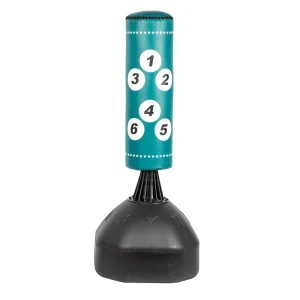
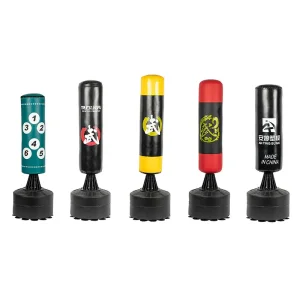
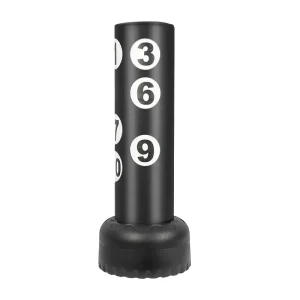
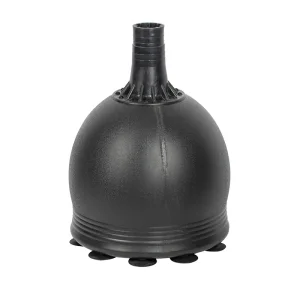
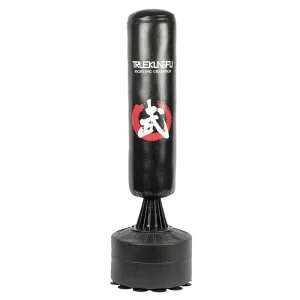
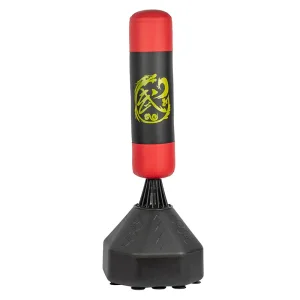
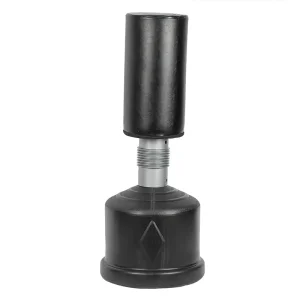
Our extended product line includes specialized docks, heavy training bags, and stabilizing base products.
 ShengHuang