Factory Direct Engineered Modular Products
Pioneering High-Precision Blow Molding Excellence Since 2019
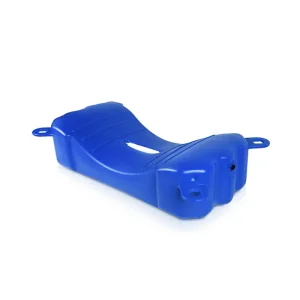
Founded in 2019, Shenghuang Industrial & Trade Blow Molding Factory is a leading innovator in the plastic blow molding industry. Our global headquarters is strategically located in Huangyan, Taizhou, Zhejiang province—a geographical hub renowned internationally as the core infrastructure center for plastic tooling and mold manufacturing. Over the years, our company has scaled dynamically to become a highly trusted global supplier of durable, high-density polyethylene (HDPE) products, catering to environmental marine platforms, commercial aquaculture, water treatment facilities, home appliances, automotive engineering components, and sports/fitness base molding products.
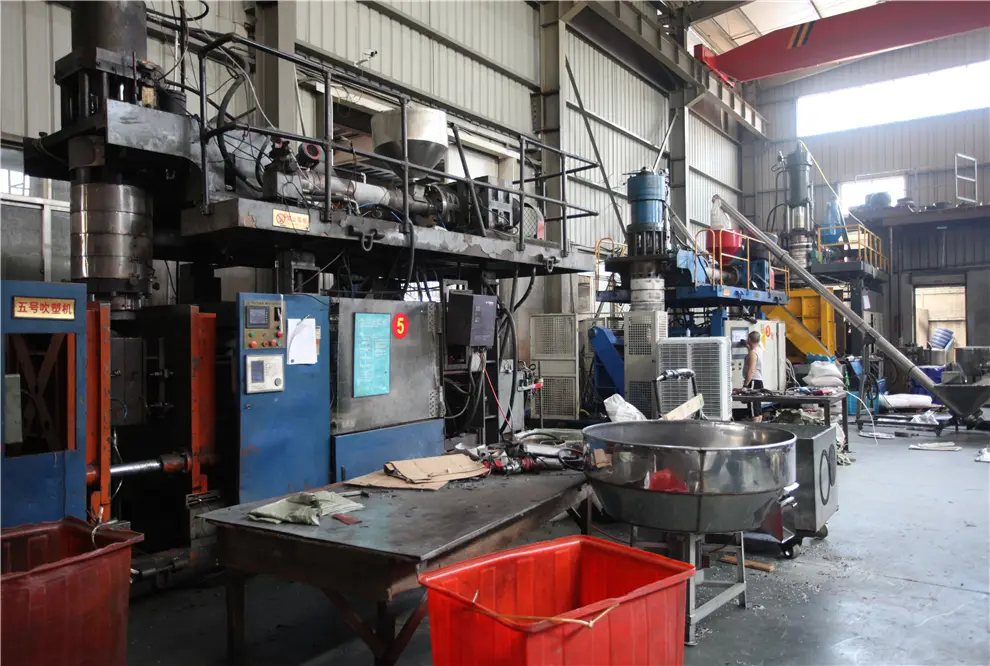
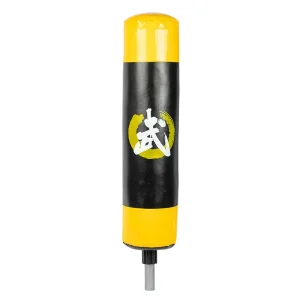
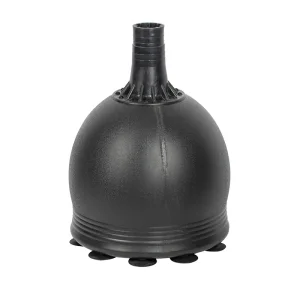
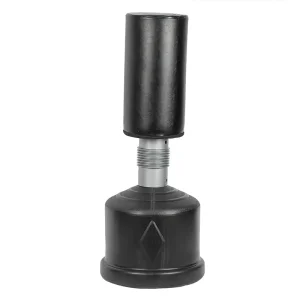
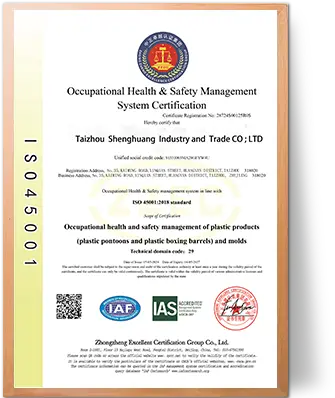
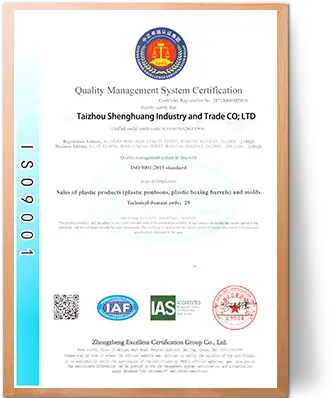
Our production facilities host the latest generations of fully automated blow molding lines. This machinery allows us to maintain strict dimensional tolerance, excellent wall-thickness uniformity, and rapid output scaling. From heavy-duty modular floating pontoon blocks to specialized hollow-core bases for heavy boxing sandbags, we bridge high-end engineering requirements with cost-efficient industrial production. All raw material procurement, parison extrusion, molding, and finishing processes strictly adhere to the ISO 9001 Quality Management System, guaranteeing that our products meet demanding maritime and industrial usage conditions.
Advanced Material Science and Manufacturing Methodologies
Modern coastal, marine, and inland water infrastructure requires modular platforms that can resist persistent physical and chemical stressors. Traditional wood or metal structures suffer from accelerated degradation due to marine boring organisms, galvanic corrosion, and moisture rot. Prefabricated modular floating docks made from high-density polymers have emerged as the gold standard for global marine engineering.
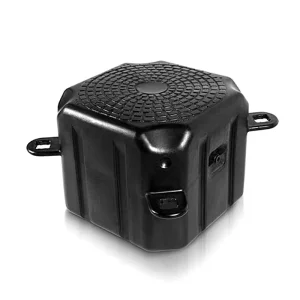
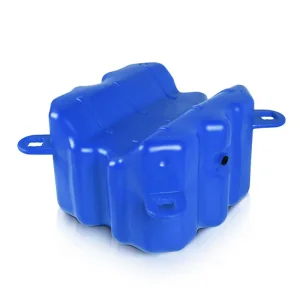
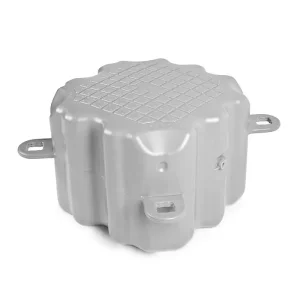
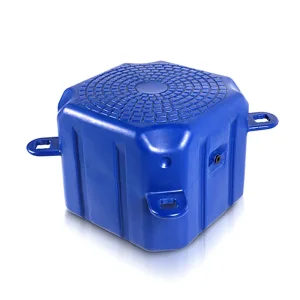
At Shenghuang, our modular floating pontoon cubes are manufactured using 100% virgin High-Density Polyethylene (HDPE) with a molecular structure specifically chosen for environmental stress crack resistance (ESCR). HDPE is highly chemically inert and resists degradation from saltwater, petroleum exposure, and acidic or alkaline water conditions.
To address the intense solar radiation encountered in tropical and coastal zones, we integrate custom UV-stabilizer masterbatches (rated UV8 to UV20). These ultraviolet light stabilizers work by scavenging free radicals generated by UV photons, preventing the polymer chains from cross-linking or degrading, which would otherwise lead to surface chalking, brittleness, and micro-cracking over time.
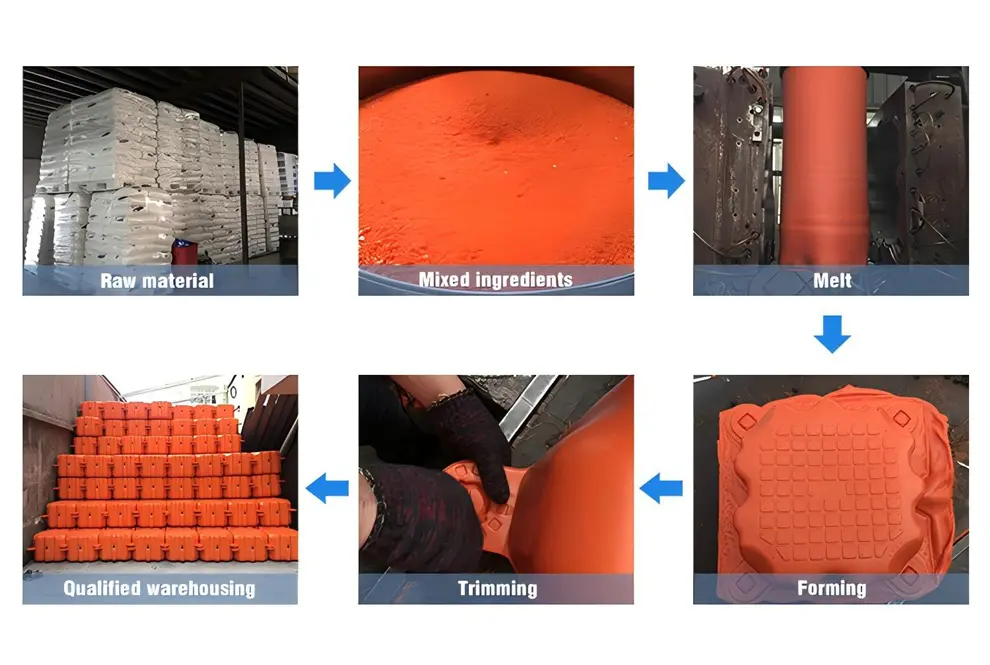
Our factory utilizes high-volume, automated extrusion blow molding processes. In blow molding, a molten hollow tube of polymer (a parison) is extruded into a mold cavity and expanded using high-pressure air. This creates a monolithic, seamless hollow structure. The lack of joints or seams makes the pontoon cubes highly resistant to hydrostatic pressure and water ingress.
Furthermore, our automated systems feature parison programming, allowing us to dynamically adjust the thickness of the polymer during extrusion. This ensures that the corners and edges of the floating dock cubes—which experience the highest mechanical stress during impacts from vessels or debris—receive up to 30% more material thickness than the flat walls, enhancing their durability.
Designed to absorb localized wave energy, allowing the entire floating platform to articulate and ride out surge, heavy wake, and tidal swings without structural fatigue.
Infused with specialized UV20 compounds, resisting degradation under relentless direct sunlight and chemical contaminants like oils, acids, and salt spray.
Delivers a buoyant force of up to 350 kilograms per square meter for our standard double-layer systems, remaining highly stable under localized static loads.
Shared Blow Molding Technology for Extreme Durability
A key structural advantage of Shenghuang Industrial & Trade Blow Molding Factory is our cross-disciplinary application of manufacturing technology. The engineering requirements for marine floating pontoons and high-impact boxing sandbag base plates are fundamentally similar: both demand a sealed polymer shell, structural stability under impact, and resistance to environmental stress.
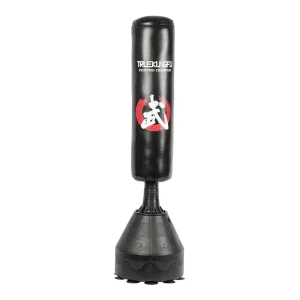
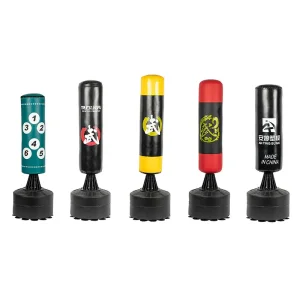
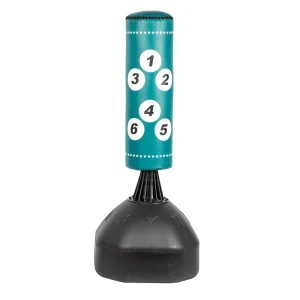
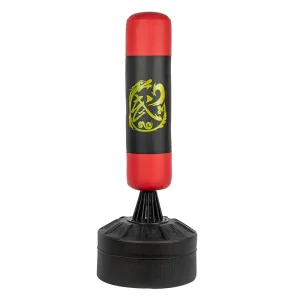
By using the same high-tonnage blow molding machinery and engineering grade HDPE, we manufacture boxing sandbag bases that are impact-resistant and leak-proof. Whether filled with water or sand, these fitness bases undergo the same hydrostatic and drop-testing procedures as our maritime pontoons, ensuring long-term durability across all product lines.
Adapting Modular Floating Platforms to Diverse Sectors
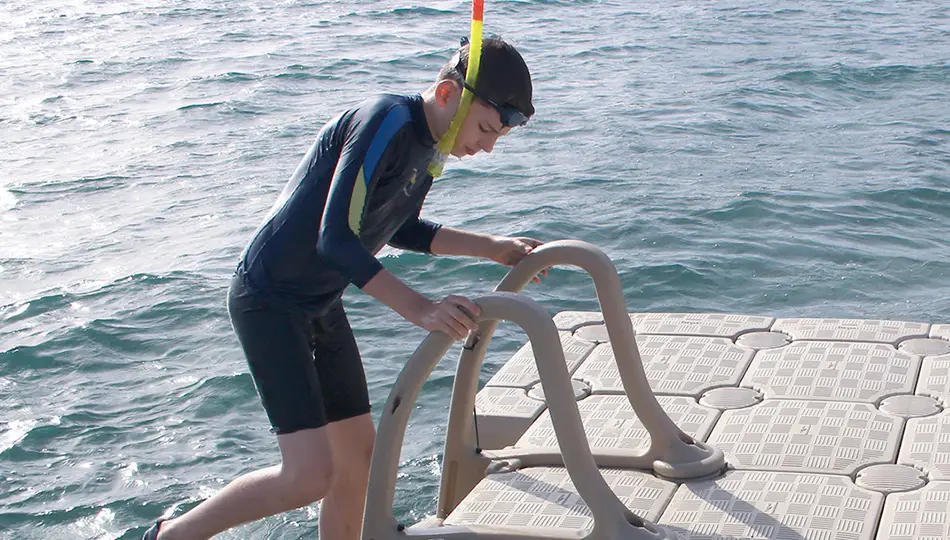
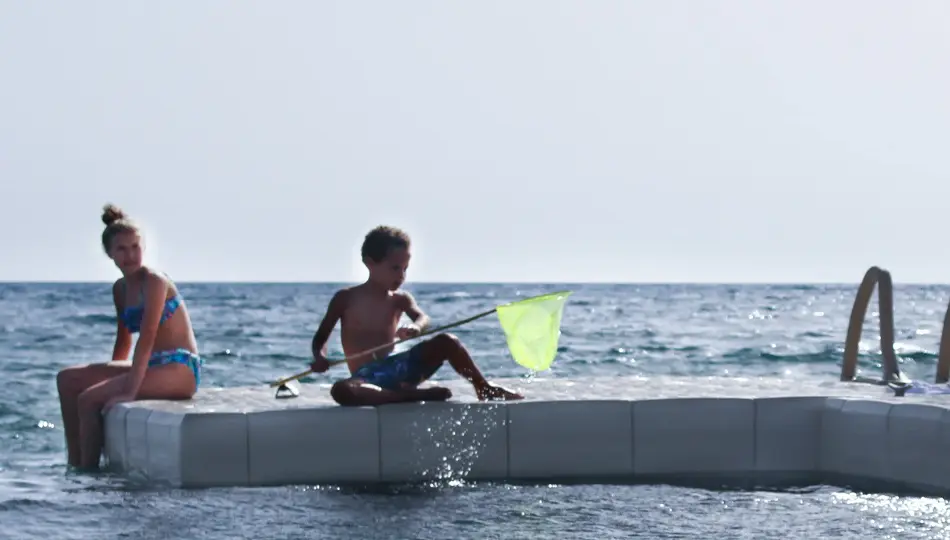
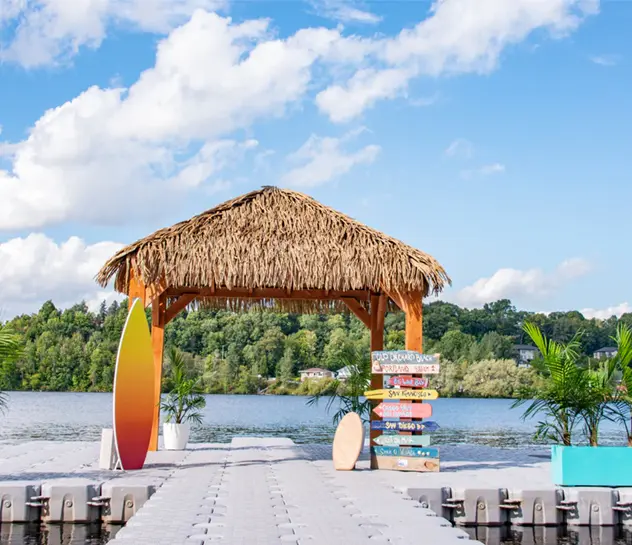
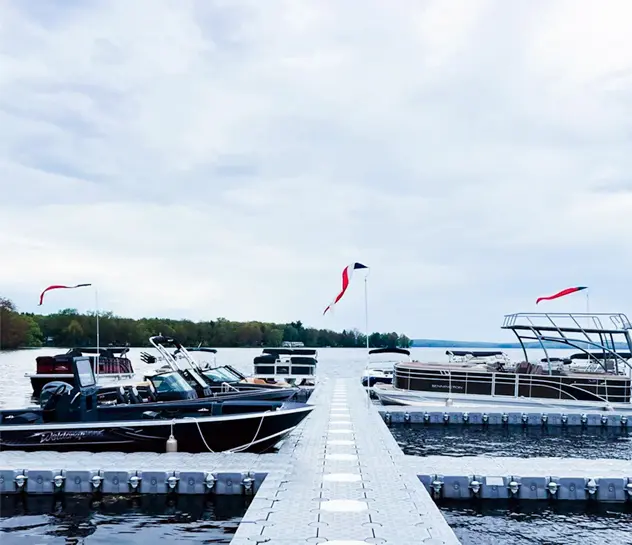
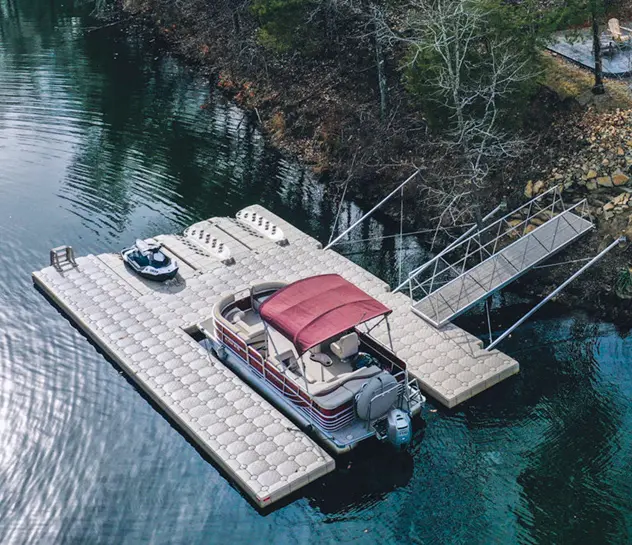
Shenghuang's modular pontoon systems can be configured to support various industrial, commercial, and municipal waterfront layouts:
Leveraging Taizhou's Manufacturing Ecosystem for Global Scale
Our facility is located in Huangyan, Taizhou, Zhejiang—the manufacturing heart of China’s blow molding and plastic injection industry. This location offers key advantages for global procurement managers:
Meeting International Standards for Quality and Safety
Shenghuang serves clients in Europe, North America, Oceania, and Southeast Asia. We ensure compliance with local regulations and requirements through the following measures:





The Evolution of Clean Marine Construction
The maritime industry is transitioning toward more sustainable practices. At Shenghuang, our research and development focuses on the following key areas:
1. Recyclability and Materials Research: We are testing PCR (Post-Consumer Recycled) polymer blends to reduce carbon footprint while maintaining the tensile strength and UV stability required for marine environments.
2. Smart Pontoon Technology: We are exploring the integration of IoT telemetry nodes inside standard pontoon cubes. These sensors would collect real-time data on hydrostatic load, temperature, wave action, and water parameters, allowing operators to monitor structural integrity and local environmental conditions remotely.
Expert Answers to Common Sourcing Questions
Our modular HDPE floating dock system is designed to flex with wave motion, dispersing wave energy throughout the interlocking knuckle connectors. In high-wind areas, proper anchoring—such as heavy pile guides, elastic moorings, or seafloor anchoring—allows the system to ride out storms and typhoons effectively.
Yes, we ship our modular systems worldwide. If there is no local dealer in your region, we can coordinate shipment directly to your nearest commercial freight terminal or container port, providing all the documentation required for local clearance and pickup.
Yes, the dock can remain in the water year-round, including in ice. The tapered design of the modular cube corners allows the dock to pop up on top of ice as it expands, preventing crushing or puncture. However, if moving ice flow or river runoffs present a risk of mechanical impact, we recommend pulling the system before freeze-up.
Static ice does not harm the HDPE material. However, moving ice flows can cause severe abrasive damage. If your location experiences moving ice blocks during the spring thaw, the modular dock should be temporarily unpinned and stored on land to avoid damage from ice shear forces.
We recommend a minimum width of three cubes (approx. 1.5 meters) for primary walking platforms, fingers, or gangways. This configuration provides the lateral stability needed to prevent rolling and comfortably support walking traffic, leveraging the buoyancy of each cube.
Yes, our modular pontoons draw only 5 to 10 cm (2 to 4 inches) of water when unloaded. During low tides, the flat bottom of the HDPE cubes can rest directly on soft mud or sand without damage, rising naturally with the incoming tide.
Our factory began operations in Taizhou in 2019, specializing in advanced blow molding for industrial parts, fitness bases, and marine pontoons. We are now a key manufacturer in the region, exporting products to multiple international markets.
Yes, we use food-grade, high-density polyethylene (HDPE) with zero toxins, heavy metals, or chlorine. The material does not leach chemicals into freshwater or marine environments, making it suitable for municipal water reservoirs, marine reserves, and commercial aquaculture sites.
Modular Docks & Dynamic High-Impact Fitness Products
 ShengHuang