A curated selection of high-performance HDPE modular docks, custom accessories, and professional marine containment solutions from Taizhou's leading blow-molding factories.
Marine civil engineering has witnessed a major technological transition. Traditional systems made of pressure-treated wood, reinforced concrete, and heavy steel structures are being systematically replaced by High-Density Polyethylene (HDPE) modular pontoon systems. Wood rots and leaches chemicals, steel corrodes under marine salinity, and concrete degrades from water absorption and freeze-thaw cycles. HDPE offers absolute corrosion resistance, zero chemical leaching, and superior impact absorption.
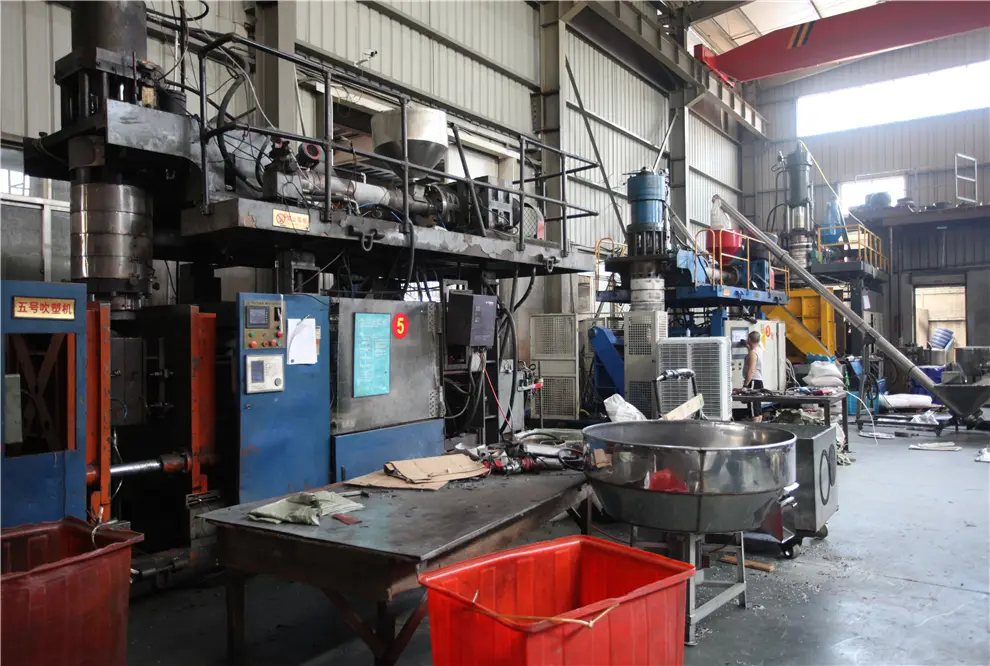
Global procurement teams prioritize HDPE systems because they require near-zero maintenance and survive in extreme environments, from sub-zero Arctic exploration fields to high-UV equatorial resort zones. Shenghuang Industrial & Trade Blow Molding Factory, established in Taizhou, Zhejiang, utilizes computerized parison blow molding to achieve uniform wall thicknesses, eliminating structural failure points along corners and stress lines.
A technical analysis detailing why virgin HDPE is the premium material for maritime containment and infrastructure floatation.
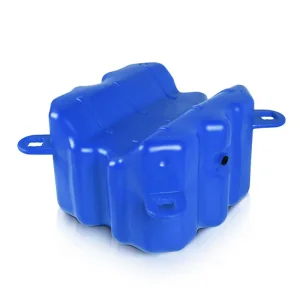
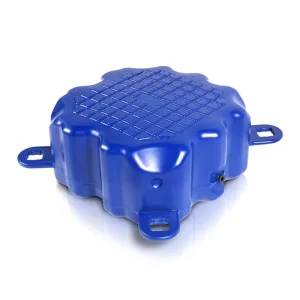
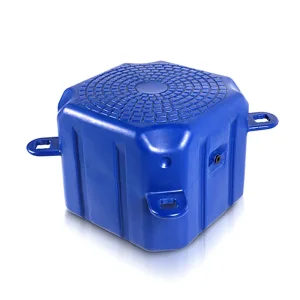
Each standard HDPE pontoon cube (500mm x 500mm x 400mm) weighs approximately 7.0kg yet supports a displacement buoyancy rating of up to 350kg/m² (single layer). Double layers easily double this displacement, accommodating heavy equipment, floating solar racking, or light vehicles.
Integrated stabilizers shield the polymer chains from ultraviolet solar degradation. Tested under ASTM D1693 standards, our raw materials display an ESCR rating exceeding 1,000 hours, keeping our structures resilient under direct exposure to high UV radiation and seawater.
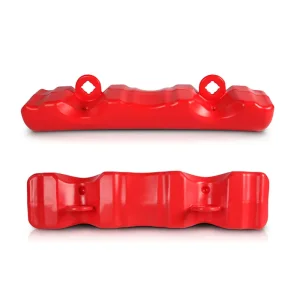
Connecting pins secure the four-lug structural loops together. This distributes torsional stress across the entire matrix rather than concentrating it at a single point, allowing the modular dock system to bend, roll, and flex with wave motions during severe coastal storms.
Established
Max Buoyancy Capacity
Expected Lifespan in Saltwater
Quality System Audited
Pioneering automated blow molding production with a commitment to sustainable marine civil infrastructure.
Founded in 2019, Shenghuang Industrial & Trade Blow Molding Factory is a leading innovator in the plastic blow molding industry. With its headquarters located in Huangyan, Taizhou, Zhejiang—an area known for its robust manufacturing infrastructure—the company has quickly grown into a trusted supplier of high-quality blow-molded products across multiple sectors, including packaging, automotive parts, household appliances, and environmental applications.
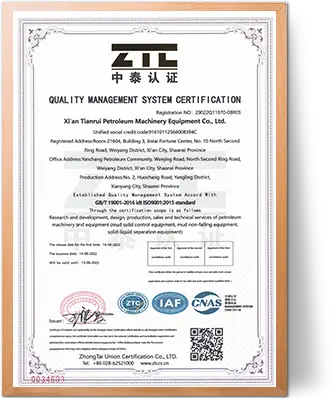
Our facility is equipped with automated blow molding lines, allowing us to produce high-precision, durable, and cost-effective plastic products. We adhere strictly to the ISO 9001 quality management system, ensuring that every stage of production—from raw material procurement to final product testing—meets international quality standards.
One of Shenghuang's key strengths is its commitment to environmental sustainability. The company actively promotes green manufacturing practices by using recyclable and eco-friendly materials in its production processes. Shenghuang continuously invests in research and development to enhance its products' environmental footprint, reducing waste and energy consumption while ensuring all products comply with global environmental regulations.
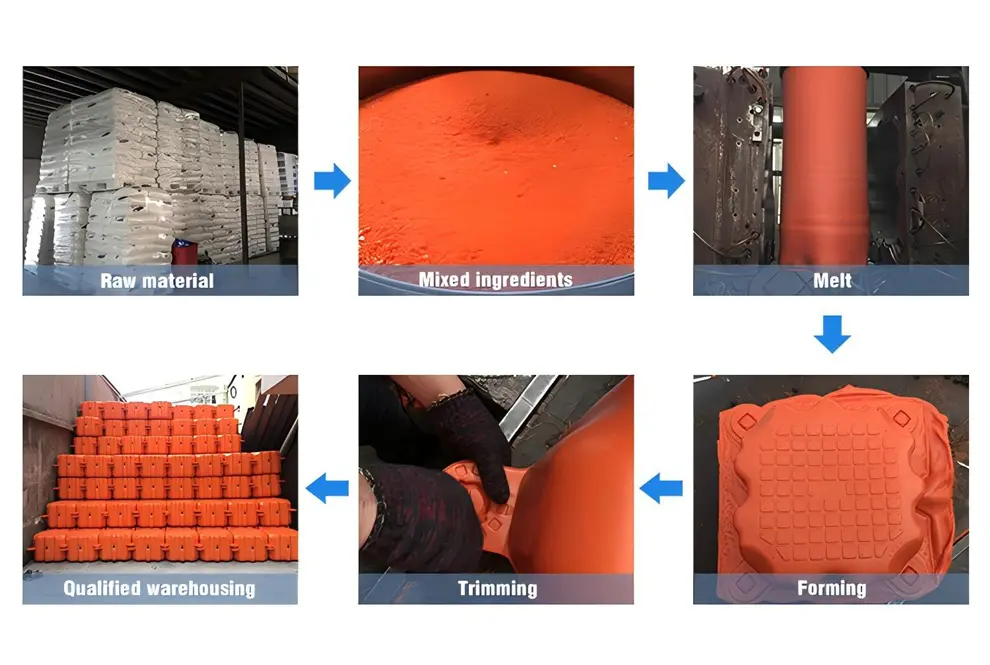
We work to meet rigorous international standards for safety and raw material consistency.


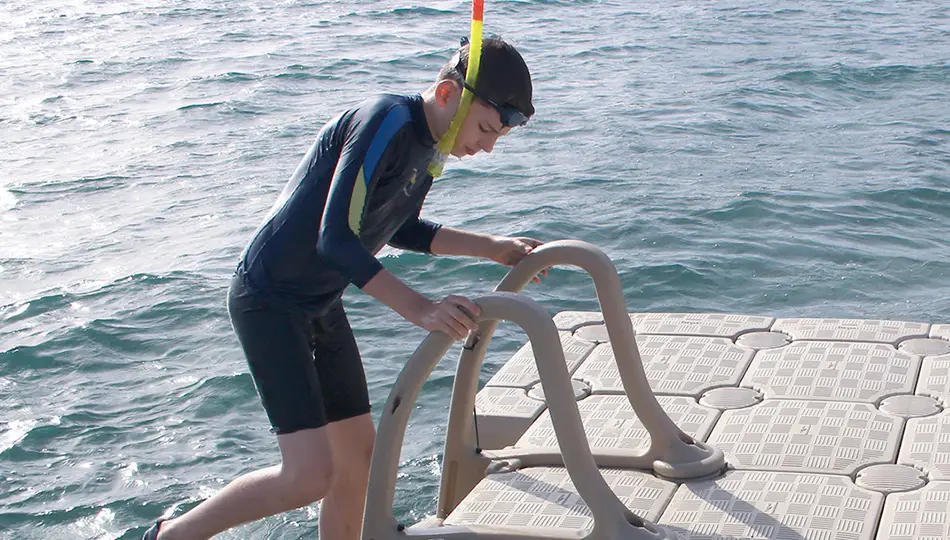
How modern marine and industrial engineering uses modular polyethylene pontoons to address complex challenges on water.


A breakdown of our manufacturing, technological, and after-sales support networks.
We build a dedicated team across production, quality control, and export sales, ensuring clear communication and accurate specifications for custom engineering projects.
Our R&D mechanisms adapt to your needs, whether you require custom parison wall thicknesses, specialty non-slip textures, or unique modular configurations.
We leverage automated blow-molding lines that optimize material flow, reducing unit weight while preserving high structural load-bearing performance.
We assist with shipping container optimization, import custom documentation, and remote engineering consultations during installation.
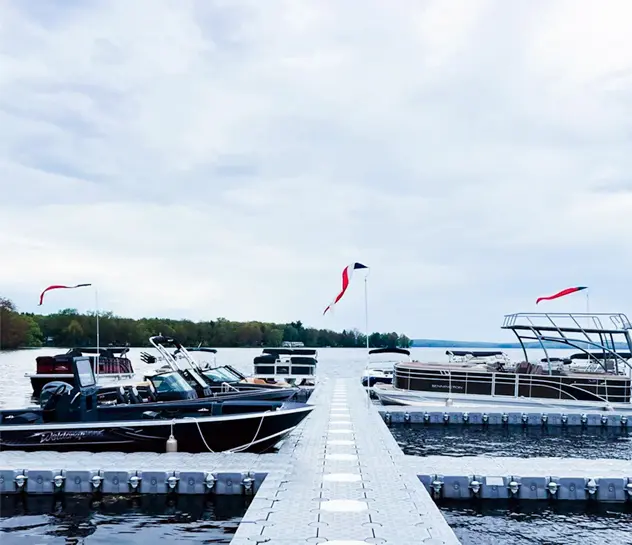
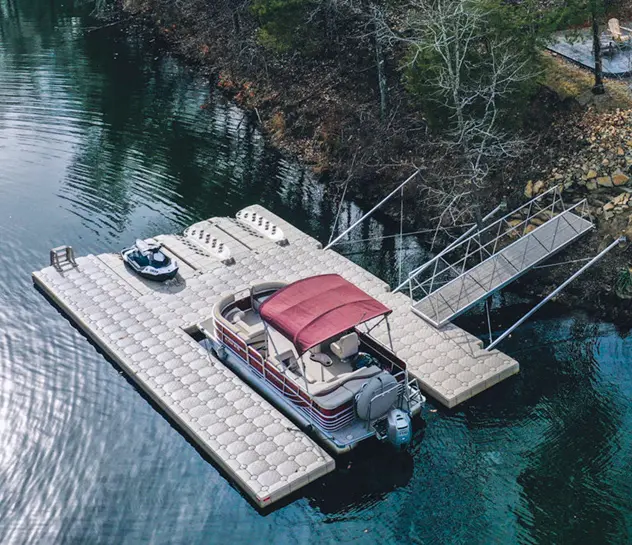
These modular floatation units are widely selected for marina platforms, industrial walkways, and custom marine configurations.
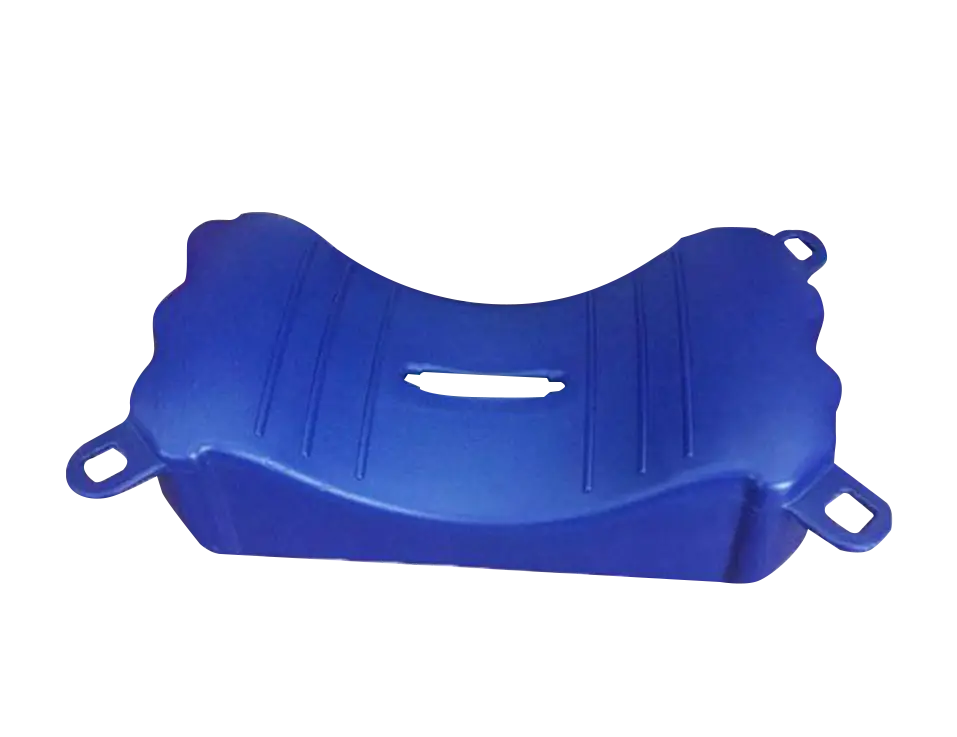
Designed for Jet Skis and small boat drive-on applications, providing stable mooring and dry ramp functionality.
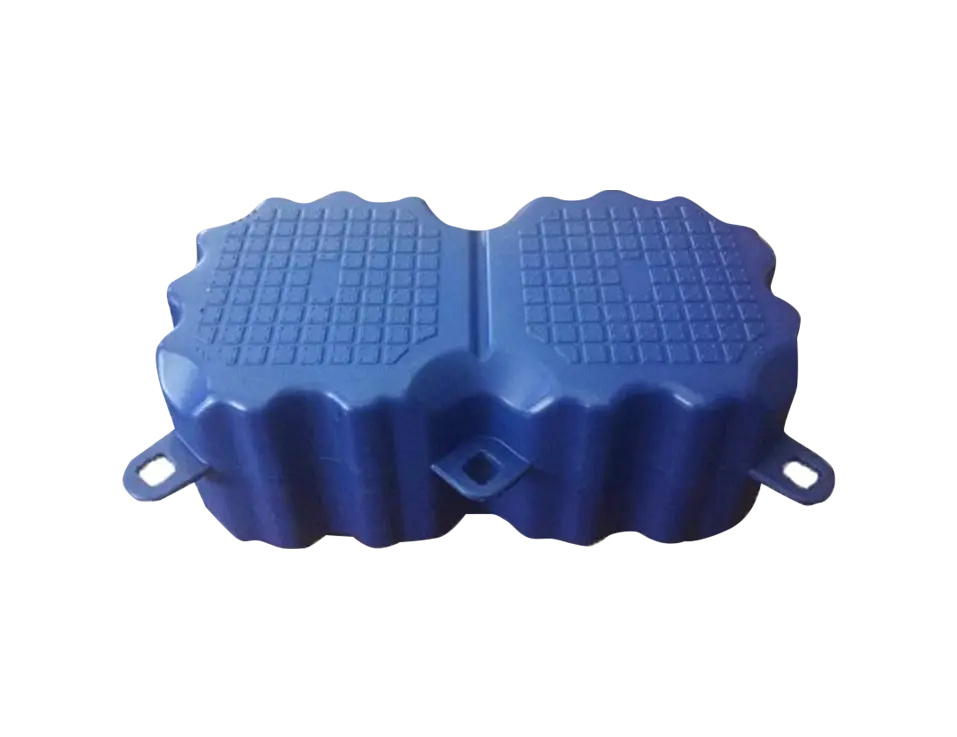
Double-sized interlocking blocks that increase layout options and cut installation times in half.
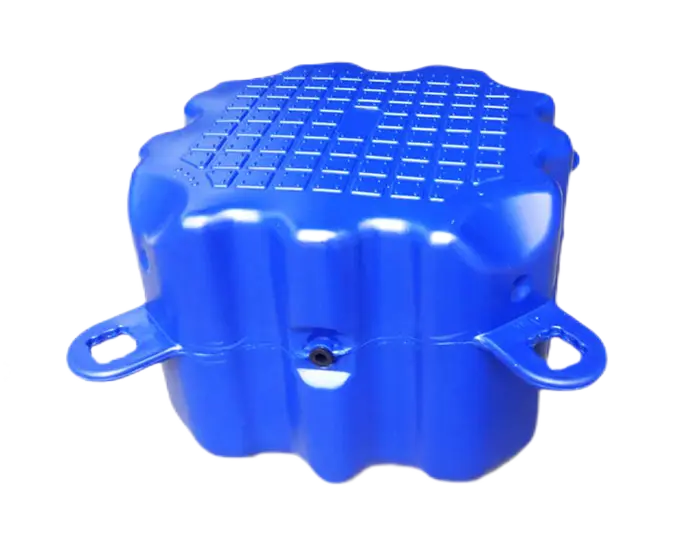
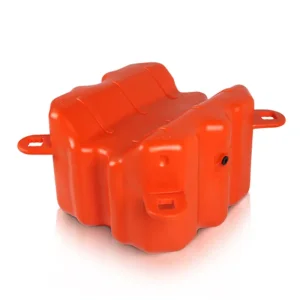
The standard building block of modular floating projects. Easy assembly, high flexibility, and steady load capacity.
Detailed information on modular durability, material performance, and how these systems withstand marine environments.
The modular design of our floating docks helps them withstand heavy typhoons when installed correctly. By letting wave energy pass through the structure instead of fighting against a rigid wall, the pontoons move with the waves. Our customers have reported that docks hit by strong tropical storms stayed intact, thanks to their impact-resistant HDPE build and heavy-duty steel mooring links.
Yes, we serve customers worldwide. If there is no local distributor in your area, we ship the modular components directly from our factory in China to your nearest sea port or freight terminal. We provide loading plans, container optimization, and all required customs documents to ensure a smooth delivery process.
Yes, the docks can stay in the water year-round, including in freezing climates and saltwater environments. The shape of the modular cubes is tapered on the bottom, which allows the rising ice sheet to slide under the platform and push the dock upward, preventing it from getting crushed by expanding ice.
Moving ice can damage any dock structure. If your water body freezes in place with minimal movement, the modular platform will safely rise above it. However, if you experience heavy spring runoffs with large, moving blocks of ice, we recommend removing the dock for the season. This is simple to do by pulling the connecting pins and storing the modules on land.
For safety and stability, a walking platform should be at least three cubes (1.5 meters) wide. This width helps balance buoyancy across the modular structure, allowing it to handle weight shifts smoothly and support multiple pedestrians or light equipment without tipping.
Yes, these modular cubes require only 5 to 10 cm of draft when unloaded. Even if the tide drops and the dock rests on the sand or mud, the robust HDPE material is designed to handle the contact. Just ensure there is enough water depth at the launch point to let your boats float off safely.
We started our specialized blow-molding factory in 2019 in Taizhou, Zhejiang. By focusing on automated manufacturing and strict ISO 9001 standards, we have become a reliable supplier of high-quality modular floating systems, sports training equipment, and marine storage tanks for customers worldwide.
Learn how our logistics team manages shipping, volume configurations, and custom requirements to ensure a smooth delivery process.
Because floating cubes are bulky, shipping costs are calculated based on volume. We design loading plans to fit as many interlocking parts, connector pins, and anchors into 40HC containers as possible, helping to lower your shipping costs per unit.
We supply all required export documentation, including detailed material breakdowns, HS code certifications, and origin declarations. Our team helps you navigate local import tariffs, environmental standards, and compliance regulations.
Every shipment includes step-by-step layout guides and modular configuration instructions. For larger projects, our engineering team is available online to review mooring plans and anchor layouts.










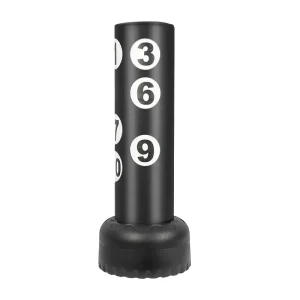
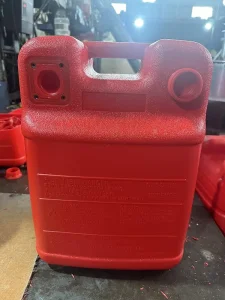
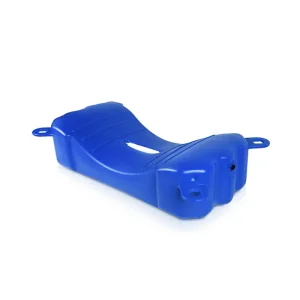
Explore our selection of transportable fuel units, concave-convex floating decks, and sports base configurations.
 ShengHuang