Premium blow-molded industrial pontoons, customizable dock platforms, and marine equipment directly from China's leading ISO 9001 certified manufacturing plant.
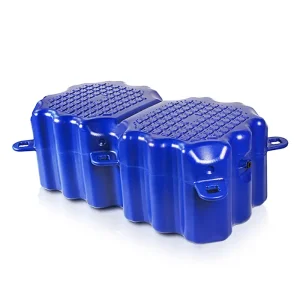
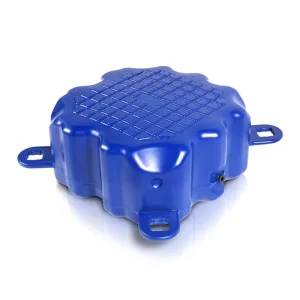
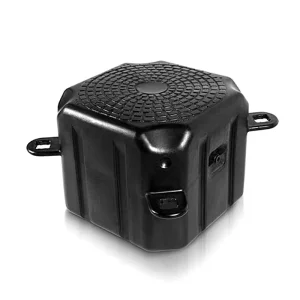
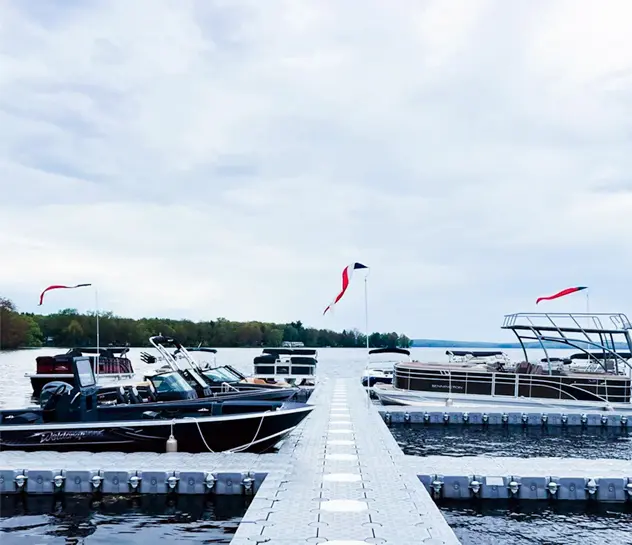
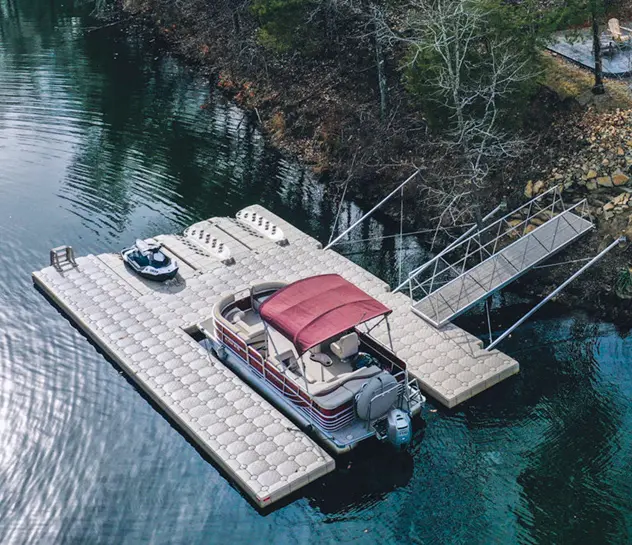
Marine engineering infrastructure is undergoing a massive transformation worldwide. Traditional waterfront installations—often built from preservative-treated wood, reinforced concrete, or steel structures—are rapidly showing their limitations. Under the strain of severe coastal corrosion, changing tides, and fluctuating climate variables, asset owners are shifting toward modular High-Density Polyethylene (HDPE) platforms.
Unlike concrete, which is prone to cracking and marine boring organisms, or treated wood, which releases toxic chemicals into delicate aquatic ecosystems, modern polyethylene systems present a zero-maintenance, chemically inert solution. Regionally, the expansion of commercial aquaculture, offshore solar PV arrays (FPV), marine logistics, and industrial tourism has escalated the global demand for reliable, high-buoyancy pontoons. Engineers prefer modular units for their superior ability to disperse shear stress across interconnected dynamic elements, rendering them exceptionally stable under wave action and extreme weather currents.
The structural integrity of a floating dock depends on the mechanical specifications of its base material and the manufacturing precision of the mold profile.
Manufactured from premium-grade High-Density Polyethylene with UV-15 class inhibitors, preventing photodegradation from intense sun exposure. This maintains molecular flexibility and prevents chalking, cracking, or brittleness over a 15-year operational lifecycle.
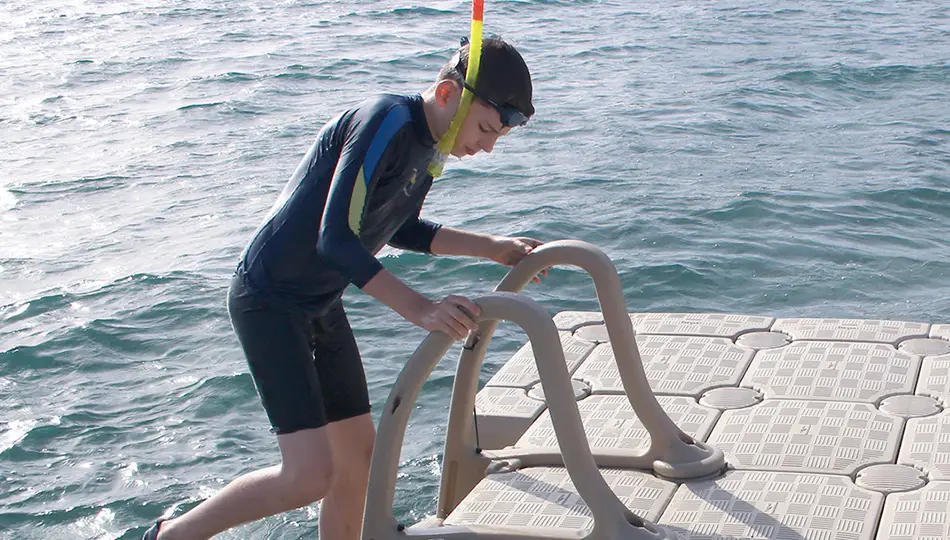
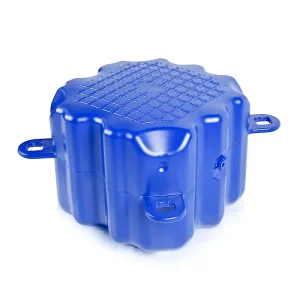
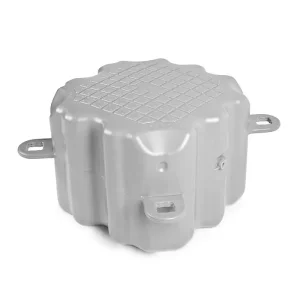
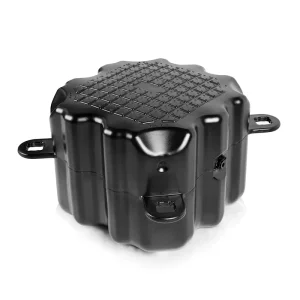
Each individual dock module features a concave-convex slip-resistant surface designed to displace water effectively. Standard blocks boast a buoyancy capacity of 250 kg/m² to 350 kg/m², guaranteeing high load stability even under heavy municipal traffic or utility equipment.
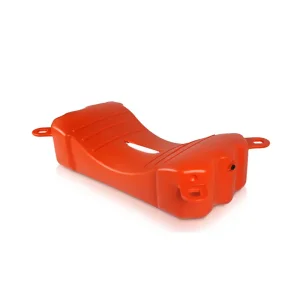
The corners of each module feature robust lugs secured by heavy-duty interlocking pins. This layout allows for controlled torsional flex under wave impact, dispersing hydrodynamic forces and preventing localized structural failures.
Founded in 2019, Shenghuang Industrial & Trade Blow Molding Factory is a leading innovator in the plastic blow molding industry. Our global headquarters is located in Huangyan, Taizhou, Zhejiang—an internationally recognized industrial manufacturing cluster renowned for its tooling precision and robust raw material logistics.
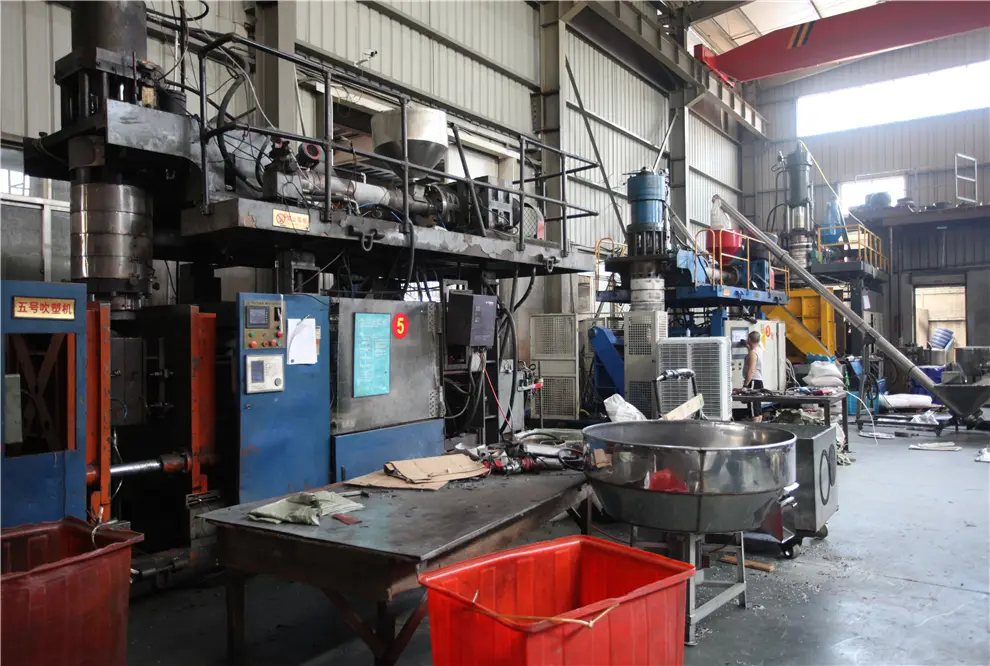
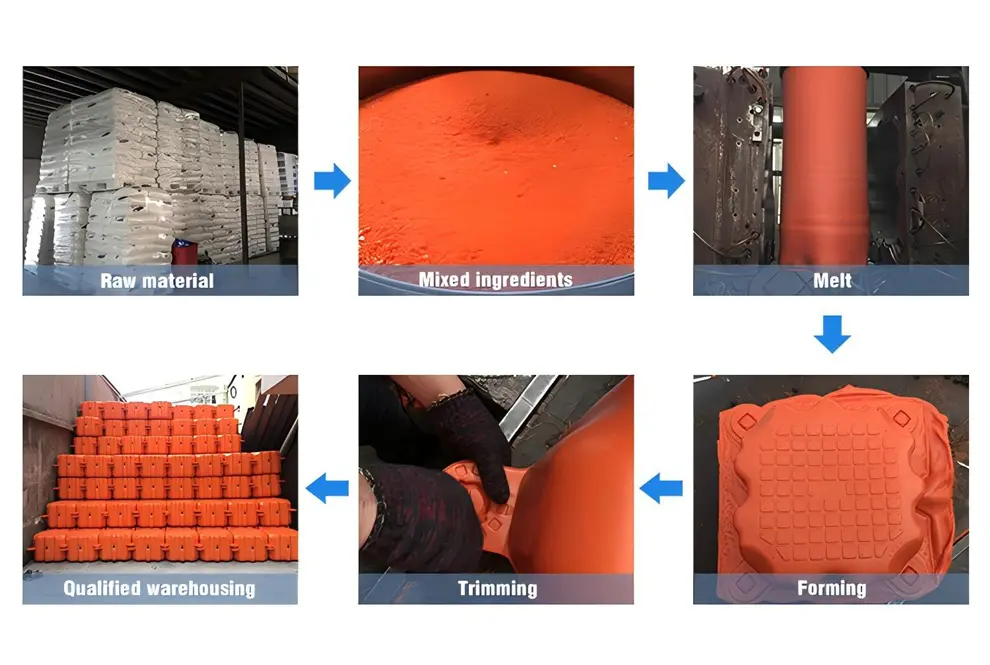
Our manufacturing complex is equipped with state-of-the-art automated blow molding production lines. This allows Shenghuang to efficiently engineer and produce high-precision, high-durability plastic products, including specialized marine pontoons, safety sandbag bases, automotive components, and custom-molded fluid containment tanks. By managing the manufacturing process from precision mold design to parison wall-thickness programming, we guarantee consistent thickness and durability across every product corner.
Adhering strictly to the ISO 9001 Quality Management System, every batch undergoes strict hydrostatic testing, environmental stress cracking verification, and structural load analysis. This commitment ensures our clients receive reliable marine infrastructure that complies with strict global performance standards.
Shenghuang utilizes industry-proven automated controls to produce high-durability, eco-friendly systems according to international standards.

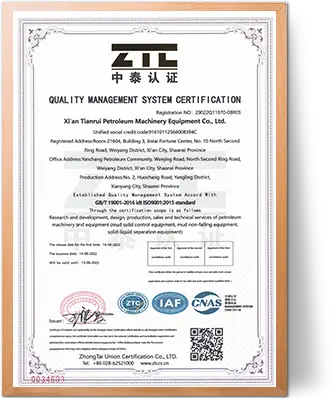

Delivering marine-grade modular pontoons with advanced environmental practices and reliable R&D systems.
Shenghuang actively promotes green manufacturing by utilizing recyclable materials. We continuously invest in research and development to optimize our environmental footprint, reducing waste and energy consumption during continuous blow-molding processes. Our products comply with strict international environmental regulations, ensuring zero harmful runoff into marine habitats.
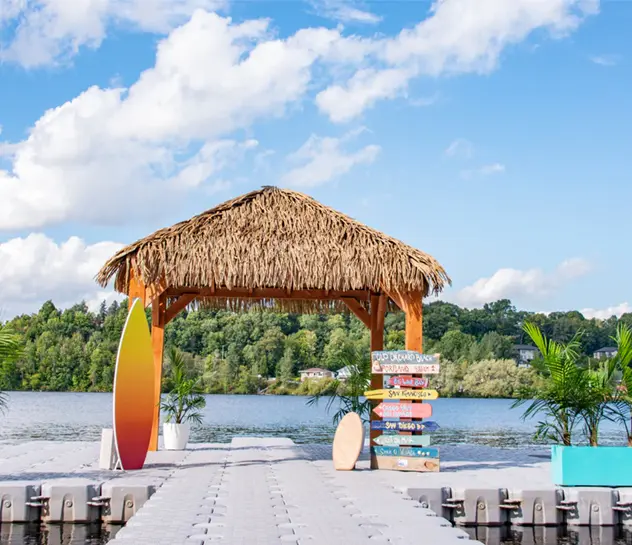
From industrial projects to municipal waterways, modular polyethylene floating docks offer structural versatility across multiple sectors.
Procurement teams sourcing marine infrastructure from China prioritize supply chain reliability, packaging optimization, and total cost of ownership (TCO). High-volume modular floating cubes present specific shipping logistics challenges. Because they contain hollow space, shipping costs can escalate if containers are not loaded efficiently.
At Shenghuang, our engineering team optimizes shipping logistics by packaging components to maximize container space. We configure accessory bundles inside nested profiles, reducing total container requirements. By shipping direct to local ports or freight terminals, we lower transit costs and simplify delivery for overseas clients without local distributors.
Furthermore, our flexible R&D system allows for tailored color matches, customized load profiles, and custom molding parameters. This provides commercial developers and marine authorities with floating systems built to their exact technical requirements.










Comprehensive guide to the operational capacity, installation requirements, and resilience of our modular polyethylene systems.
Our modular HDPE floating dock systems are designed to withstand significant storm and wave action. The interlocking pin design allows the platform to flex and bend across the surface of the wave, preventing localized shear fatigue. The quality of anchoring and installation is crucial during typhoons. Our global clients report excellent performance in high-wind and wave conditions, provided the dynamic anchoring lines are calculated correctly.
Yes. In areas where we do not have a localized dealer or distributor network, we ship your custom floating dock system directly to your nearest regional freight terminal. Our engineering team assists with container optimization, layout design, and instructions, ensuring the cargo arrives complete and ready for assembly.
Yes. Our floating dock systems can remain in the water year-round, including in freezing conditions. The material maintains flexibility in cold temperatures, and the sloped, modular design of the cubes allows the platform to slide upwards and pop on top of the expanding ice sheet instead of being crushed.
The primary consideration during winter ice thaw is moving ice blocks and high currents. If the ice thaws in place and dissipates, the dock can remain in the water. However, if your location experiences heavy spring currents with large, moving ice sheets, these forces can shear away anchoring systems and damage any structure. In such scenarios, we recommend dismantling and storing the modular system before the spring thaw.
For safe walking and structural stability, we recommend a minimum platform width of three (3) cubes. This configuration provides a stable surface that supports adult body weight (each cube supports approximately 200 lbs or 90 kg of load capacity, totaling up to 350 kg/m² for the combined platform footprint).
Yes. The modular docks draw only 2 to 4 inches (5 to 10 cm) of water when unloaded. The system can rest safely on mud or soft bottoms during low tides. It is important to ensure there is enough water depth at the ramp or entry point to allow boats or watercraft to float free when launching.
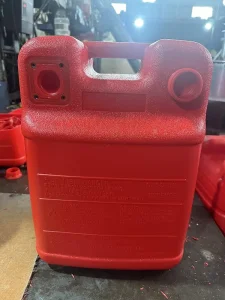
Established in 2019, our factory in Huangyan, Taizhou, has grown into a leading supplier of blow-molded industrial plastic platforms in China. We supply modular docks, environmental containment solutions, sandbag bases, and marine fuel tanks, serving developers, commercial marinas, and municipal authorities worldwide.
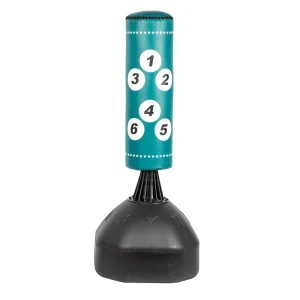
Explore our complete range of dock models, heavy-duty training equipment, and specialized accessories engineered for durability.
 ShengHuang