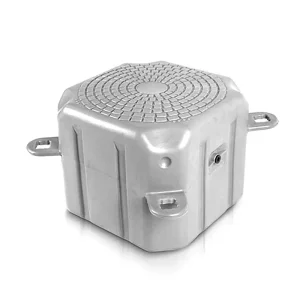
Explore our engineering-grade floating docks and robust hollow-core structural components manufactured to ISO 9001 certification standards.
A comprehensive analysis of high-density materials, marine performance specs, and global procurement trends.
In contemporary waterfront development, marine engineering projects demand infrastructure that is adaptable, highly durable, and environmentally neutral. Traditional wood, steel, and heavy concrete structures are increasingly replaced by modern modular plastic floating docks. These systems are synthesized using high-density polymers, offering superior structural longevity under volatile climate conditions.
The global shift toward high-performance modular platforms is driven by intense urbanization of coastal zones, rapid development of commercial aquaculture, and massive expansion of recreational marinas. B2B buyers now prioritize lightweight, modular designs that minimize maintenance overhead while maximizing resistance to physical and chemical stress factors.
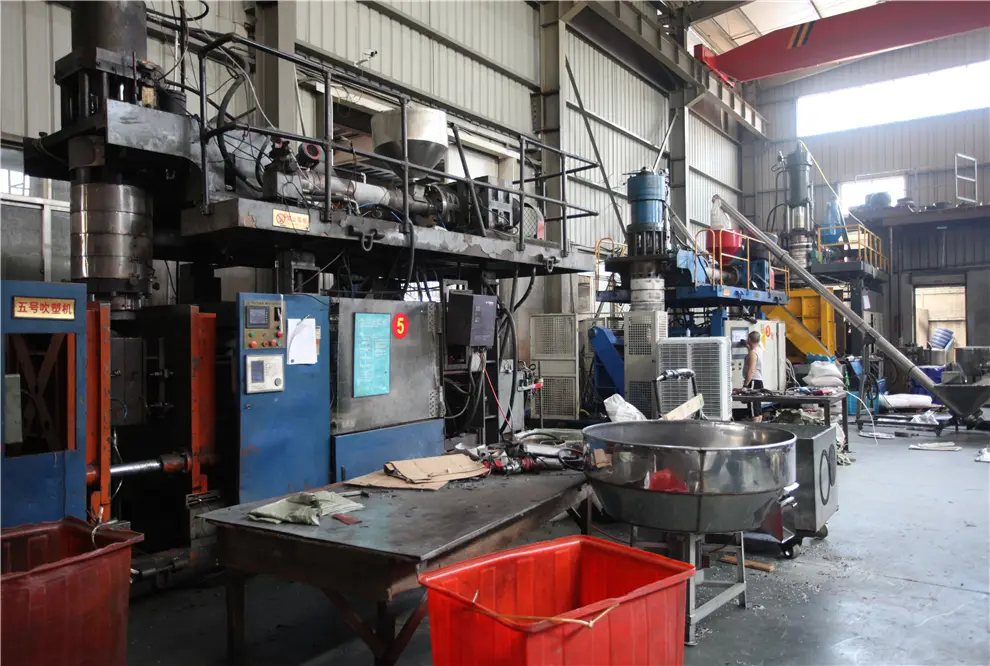
Located in Taizhou, Zhejiang, China—a global hub for plastic mold engineering and industrial blow-molding technology—the Shenghuang Industrial & Trade Blow Molding Factory leverages unmatched local infrastructure to streamline the manufacturing process. By consolidating high-tonnage automated blow-molding equipment, raw material supply lines, and precise tooling workshops under one roof, we optimize production efficiency for domestic and international B2B clients.
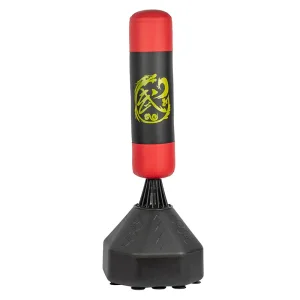
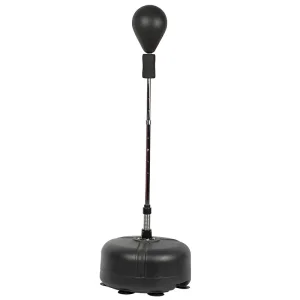
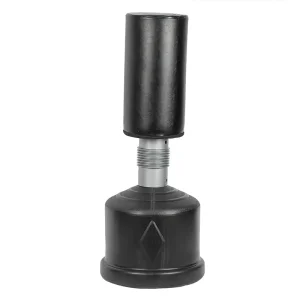
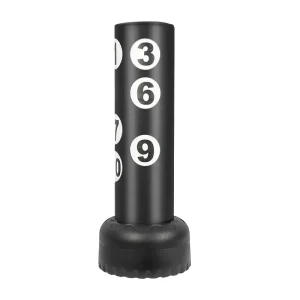
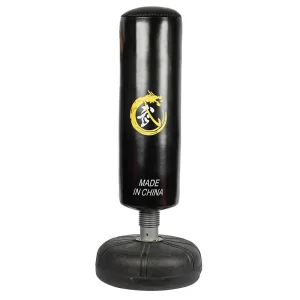
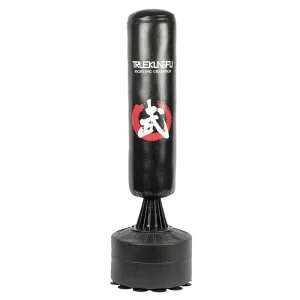
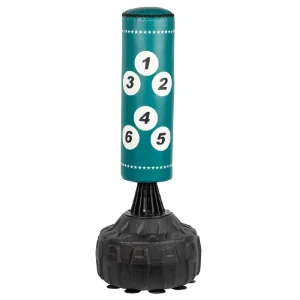
This geographical and logistical advantage enables rapid design prototyping (CAD to mold layout), high production output, and strict tolerance control. In addition to heavy-duty marine pontoons, our advanced blow-molding infrastructure allows us to manufacture other high-durability blow-molded products, such as professional-grade training equipment (boxing sandbags, bases, and structural components).
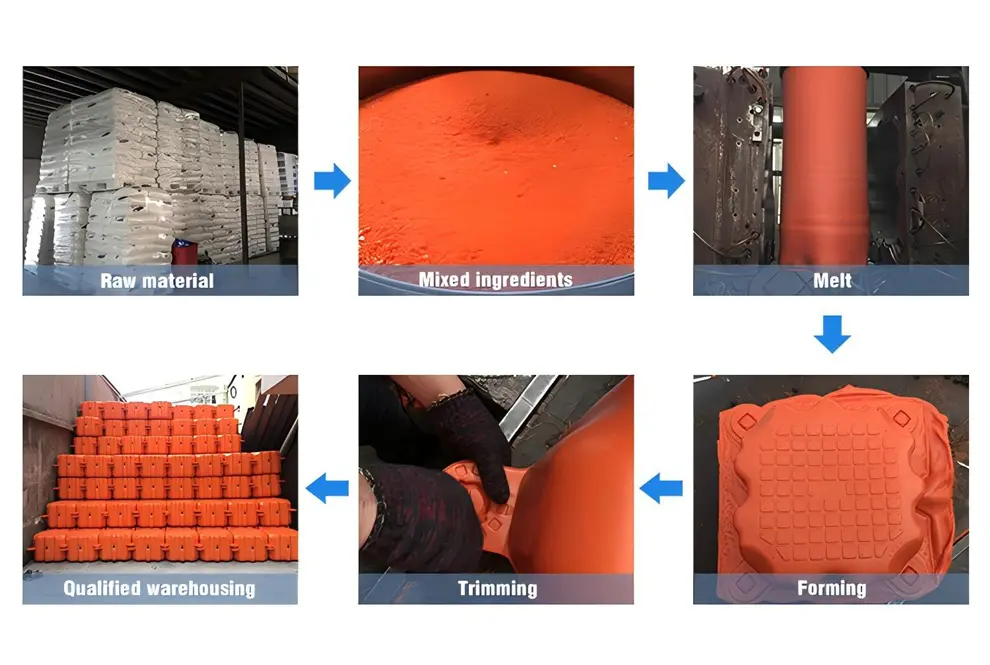
The integrity of a modular dock relies on its core material composition. The Shenghuang factory utilizes premium High-Density Polyethylene (HDPE) combined with specialized UV-inhibiting and anti-aging agents. This chemical layout prevents cracking, chalking, and structural degradation when exposed to intense UV rays.
| Performance Indicator | HDPE Modular Docks | Traditional Timber Docks | Concrete/Steel Docks |
|---|---|---|---|
| Operational Lifespan | 15+ Years (Maintenance-Free) | 5 - 8 Years (Requires staining/repair) | 10 - 15 Years (Susceptible to corrosion) |
| Chemical / Salinity Resistance | Excellent (Unaffected by acid/marine salt) | Poor (Prone to rot and marine borers) | Moderate (Prone to rebar corrosion) |
| Installation Complexity | Ultra-Low (Pin-connection modular setup) | High (Heavy carpentry and piling required) | Extreme (Heavy machinery & specialized labor) |
| Environmental Footprint | 100% Recyclable (Zero leaching toxins) | Low-Medium (Chemical treatments leach) | High (Carbon-intensive production) |
Engineered performance certified by ISO 9001 and designed to withstand demanding environments.
Equipped with state-of-the-art automated blow molding production lines. This hardware setup ensures uniform wall thickness, high-strength structural ribs, and precise dimensional tolerances across large-volume manufacturing runs.
We actively utilize eco-friendly, recyclable polymers in our blow molding configurations, minimizing scrap rate and energy consumption in compliance with global environmental regulations.
Our dedicated R&D department provides prototype design, rapid tooling, and custom load testing for specialized projects, including municipal boardwalks, industrial piping platforms, and heavy aquaculture configurations.
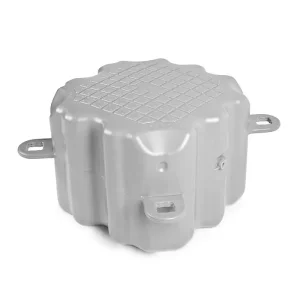
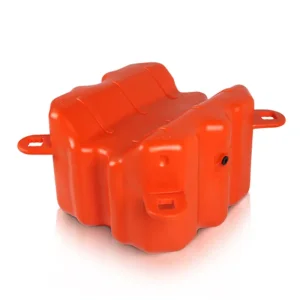
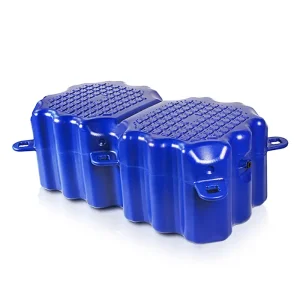
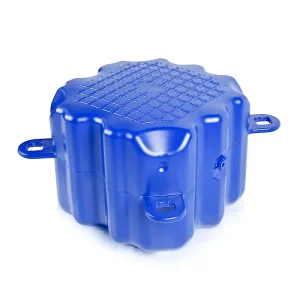
From simple residential ponds to multi-million dollar event stages and industrial work bridges, our modular HDPE pontoon cubes adapt to diverse layouts. The flexible grid layout of the modular cubes absorbs wave energy, reducing structural stress on anchoring systems during storm surges and high-tide cycles.
Additionally, our modular systems feature a skid-resistant surface texture, ensuring safety in public areas and commercial applications. The raw material selection excludes heavy metal stabilizers, keeping the local water quality unaffected by toxic runoff or chemical leaching.
A trusted manufacturing partner in Taizhou, Zhejiang, China.

Consistent manufacturing quality standards
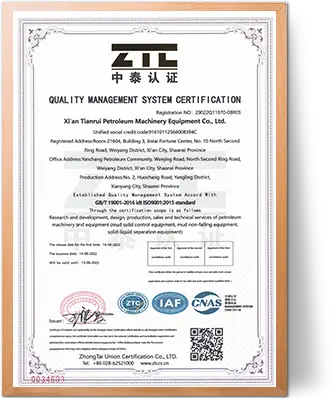
Meets health, safety, and environmental protection standards

Verified raw material purity and strength
B2B direct ordering and customization solutions. Explore our core range of floating components and high-durability training bases.
How modular floating systems adapt to varied climates, marine applications, and industrial demands.
Our modular HDPE pontoons simplify boat launching and docking. The design protects watercraft hulls while adapting to changing water levels.
Our high-density modular structures serve as durable bases for solar arrays in reservoirs and treatment ponds, providing cooling effects and UV resistance.
We provide stable platforms for temporary event stages, walkways, and light exhibition spaces in parks, ponds, and coastal resorts.
When evaluating suppliers for modular plastic docks, procurement managers should prioritize structural consistency and raw material quality over unit cost alone. Here are the key indicators for evaluating factory output:
Expert insights on the durability, installation, and performance of our modular plastic floating dock systems.
Our modular dock system performs well in typhoons due to its flexible, grid-based assembly. Unlike rigid wood or concrete structures that break under heavy wave impact, the pin-connected HDPE cubes flex with wave motion, absorbing and dissipating energy. Proper anchoring (such as pile guides, elastic moorings, or heavy deadweight anchors) is essential for maintaining stability in high-wind conditions.
Yes, the modular dock can remain in the water year-round, including in freezing conditions. The angled, convex design of each cube allows the structure to slide upward when ice expands, rather than being crushed by lateral forces.
While the dock stands up well to static ice, moving ice sheets present a risk. If your location experiences heavy spring ice flows or fast currents carrying large ice blocks, the moving ice can shear anchoring lines or damage the dock structure. In these situations, we recommend removing and storing the dock before winter.
Yes, we ship directly from our factory in China to international ports or local freight terminals. Our logistics network handles customs documentation and delivery coordination for global shipments.
For standard walkways, we recommend a minimum width of three cubes (approx. 1.5 meters). This width provides a stable walking platform and helps distribute weight safely across the floating system.
Yes, the system is suitable for shallow water. Unloaded, the cubes draw only 5 to 10 cm of water. The system can rest safely on the seabed or pond bottom during low tide, provided the surface is free of sharp rocks or debris. The minimum water depth is determined by the draft of your watercraft when launching or boarding.
Our factory was established in 2019 in Huangyan, Taizhou, a region known for its plastic blow-molding and tooling industries. We have grown to become a leading supplier of modular plastic docks and custom blow-molded industrial products, serving both domestic and international markets.
Connecting with maritime construction agencies, resort developers, and logistics partners worldwide.








 ShengHuang