China Jetty Costs: Global Factory & Supplier Procurement Guide

Deep Market Insights, High-Density Polyethylene (HDPE) Structural Metrics, and Strategic Sourcing Cost Drivers for Maritime Projects

1. The Macro-Economic Landscape of Maritime Infrastructure

In the current global economic framework, developing maritime interfaces and nearshore facilities requires intense optimization of capital allocation. Traditional maritime civil engineering projects—relying primarily on treated timber piles, cast-in-place concrete structures, and heavy structural steel—have seen massive cost increases due to structural supply chain bottlenecks, strict environmental permitting, and specialized labor shortages. Consequently, global buyers are pivoting toward modular, polymer-based engineering designs that reduce localized environment footprint and improve lifecycle economics.

Key Structural Insight for Procurement Officers

Over 62% of maritime cost overruns stem from site preparation, environmental mitigation, and marine pile installation. Deploying blow-molded High-Density Polyethylene (HDPE) modular pontoon systems shifts the engineering complexity back to dry land, converting unpredictably expensive offshore field work into streamlined, highly repeatable factory production.

China's maritime manufacturing sector, centered in advanced manufacturing hubs like Huangyan, Zhejiang, utilizes advanced polymer chemistry and industrial blow molding technologies. This infrastructure allows factories to output modular floating docks that withstand heavy marine challenges while reducing total cost of ownership (TCO) by up to 55% compared to conventional fixed structures.

2. Cost Breakdown & Global Sourcing Demands

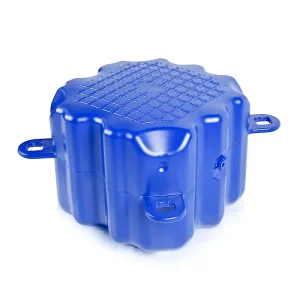
When analyzing China jetty costs, procurement executives must look beyond ex-works (EXW) unit prices to understand the total installed cost. The economics of modular HDPE systems are driven by raw material fluctuations (high-molecular-weight polymer matrices), energy inputs, tooling scale, logistics containerization, and site anchoring demands.

$45-$85
Est. Cost Per m² (EXW)
15+ Years
Useful Engineering Life
Zero
Required Regular Painting
< 3 Days
Typical Installation Time

Global demand patterns reveal clear regional needs:

  • North America (US & Canada): Sourcing is focused on compliance with EPA standards and resistance to ice formation. The key value proposition is modular winter resistance, preventing ice damage during freeze-thaw cycles.
  • European Union (Nordics, Mediterranean): Focus is on CE certification, REACH compliance for polymer additives, and aesthetic integration in marinas and tourist zones.
  • Middle East & North Africa (MENA): Demands extreme UV-stability index values (UV20+) to withstand direct sunlight without structural degradation or discoloration.
  • Latin America & Southeast Asia: Focuses on cost-effective port infrastructure, rapid setup times, and resistance to high-salinity maritime zones.

Shenghuang Industrial & Trade Blow Molding Factory

Shenghuang Industrial & Trade Blow Molding Factory, founded in 2019, is an innovator in the plastic blow molding industry. With its headquarters located in Huangyan, Taizhou, Zhejiang—an area known for its robust manufacturing infrastructure—the company has grown into a trusted supplier of high-quality blow-molded products across multiple sectors, including packaging, automotive parts, household appliances, and environmental applications.

The factory is equipped with state-of-the-art automated blow molding production lines, which allow Shenghuang to efficiently produce a wide range of plastic products, such as plastic containers, bottles, pontoons, automotive parts, and custom-designed solutions. These advanced production lines ensure that Shenghuang can meet the growing demand for high-precision, durable, and cost-effective plastic products. The company adheres strictly to the ISO 9001 quality management system, ensuring that every stage of production—from raw material procurement to final product testing—meets stringent quality standards.

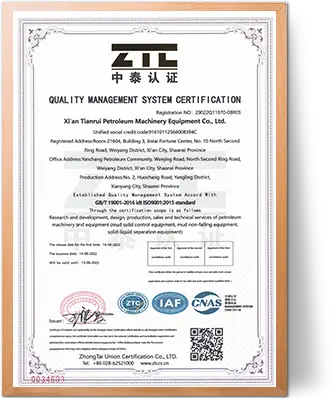
Shenghuang Quality Certification Document Shenghuang Factory Operations Shenghuang Product Verification

Why Choose Us & Our Green Practices

One of Shenghuang's key strengths is its commitment to environmental sustainability. The company actively promotes green manufacturing practices by using recyclable and eco-friendly materials in its production processes. Shenghuang continuously invests in research and development to enhance its products' environmental footprint, reducing waste and energy consumption while ensuring that all products comply with global environmental regulations. As part of its sustainability strategy, the company has also focused on improving material efficiency and adopting energy-saving technologies throughout its production facilities.

In addition to its dedication to sustainability, Shenghuang places a strong emphasis on technological innovation. The company boasts a dedicated R&D team focused on developing new high-performance materials and advanced molding techniques to meet the evolving needs of its customers. This focus on innovation allows Shenghuang to offer a wide variety of customized solutions that are tailored to specific customer requirements, including specialized products for high-performance and industrial applications.
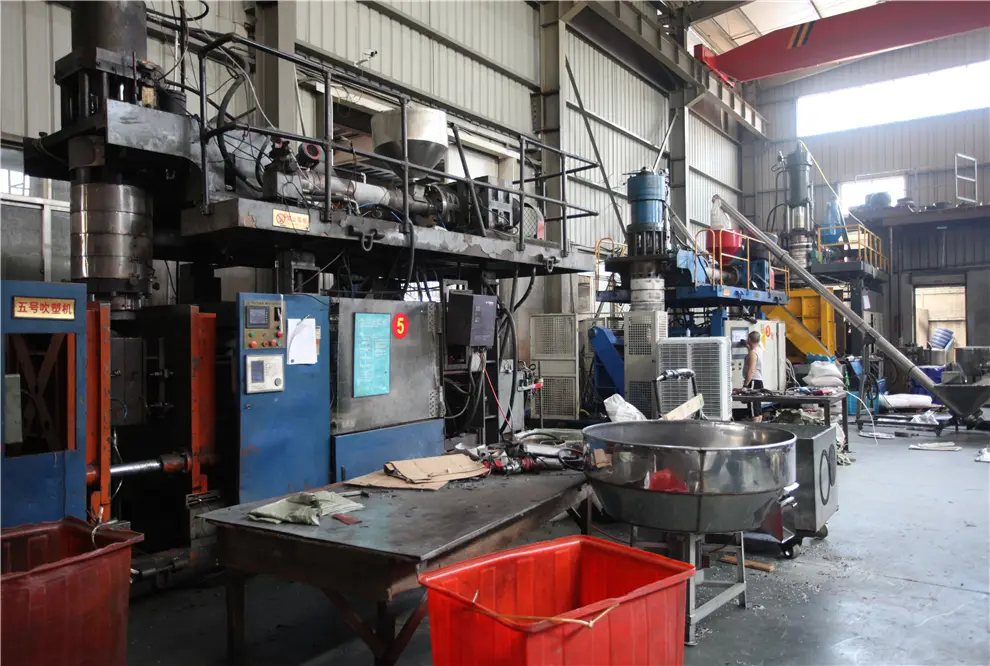
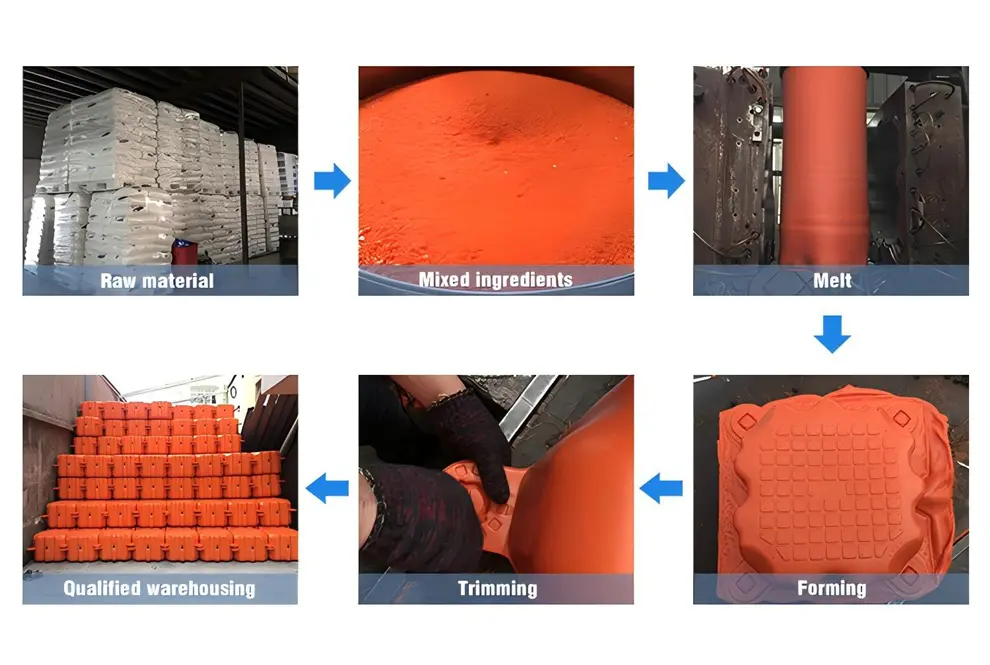
Factory Molding Line Quality Inspection Yard

4. Technical Roadmap & Future Outlook of Modular Floating Systems

The engineering roadmap for HDPE floating systems is centered on improving material strength, chemical resistance, and ease of assembly. Modern systems utilize High-Molecular-Weight HDPE (HMWHDPE) combined with specialized UV-stabilizer packages. This combination prevents photodegradation in marine environments with high solar radiation.

Future Technological Advancements:

Looking forward, Shenghuang will continue to focus on enhancing its technological capabilities, driving product innovation, and expanding its market presence worldwide. The company aims to lead the industry in both product quality and sustainability, positioning itself as a trusted partner for clients in various industries globally.

Key R&D priorities include:

  • Eco-Friendly Formulations: Utilizing clean, recyclable post-consumer polymers modified with custom performance enhancers to reduce virgin plastic usage while maintaining mechanical properties.
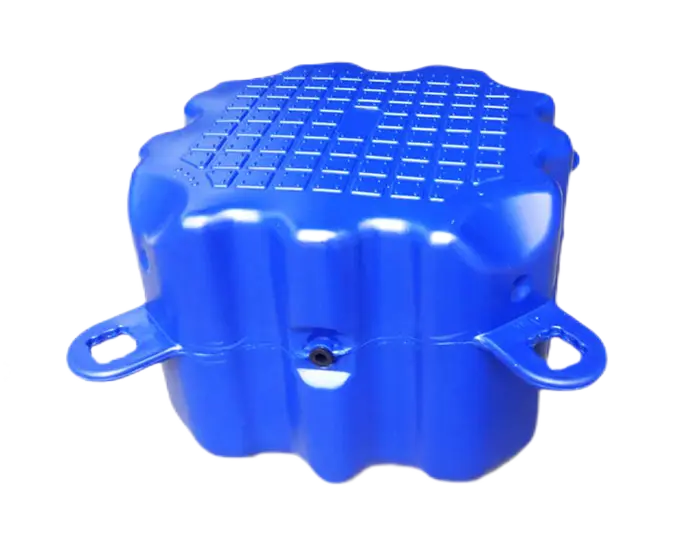
  • Optimized Structural Ribs: Internal geometry adjustments inside the blow mold to increase load-bearing capability and prevent flexing under dynamic water loads.
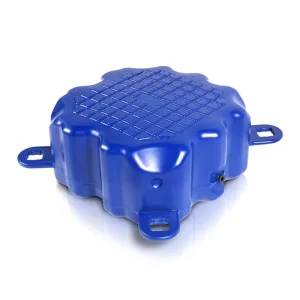
  • Optimized Anti-Skid Textures: Top-surface profiles designed for safety, reducing slipping in wet conditions while preventing marine growth accumulation.

Our Valued Global Customers & Partners

Positioned as a leading global supplier, Shenghuang serves marine engineering contractors and athletic equipment distributors across the globe.


Industry Applications

Our versatile products are designed for diverse environments, ranging from coastal marine facilities to high-intensity training centers.

Pontoon Aquaculture Project

Aquaculture & Marine Operations

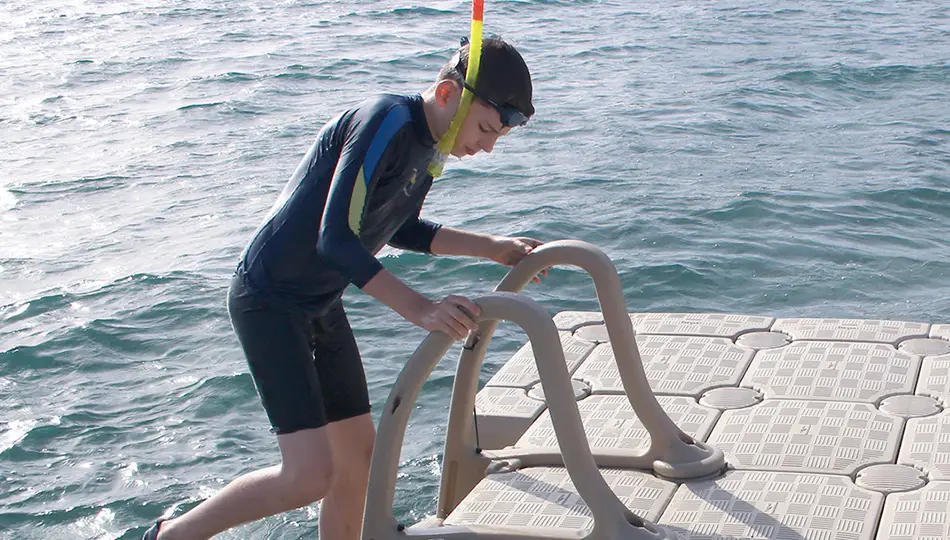
Our HDPE pontoon structures offer safe work platforms for industrial fish farms, coastal harvesting facilities, and nearshore resource management operations.

Marine Yacht Docking

Commercial & Leisure Marinas

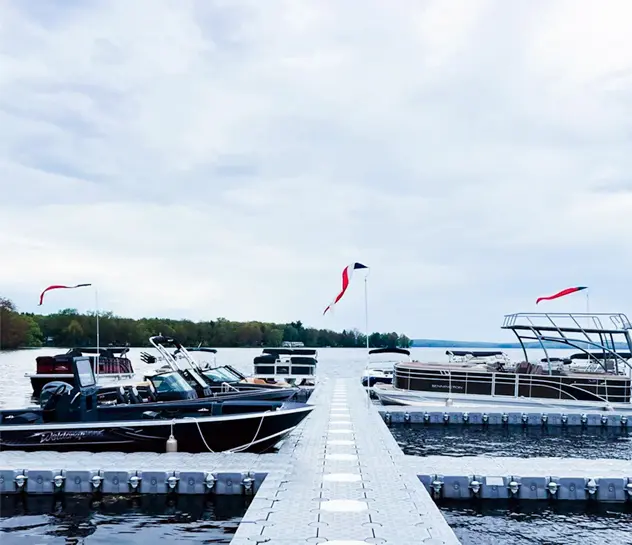
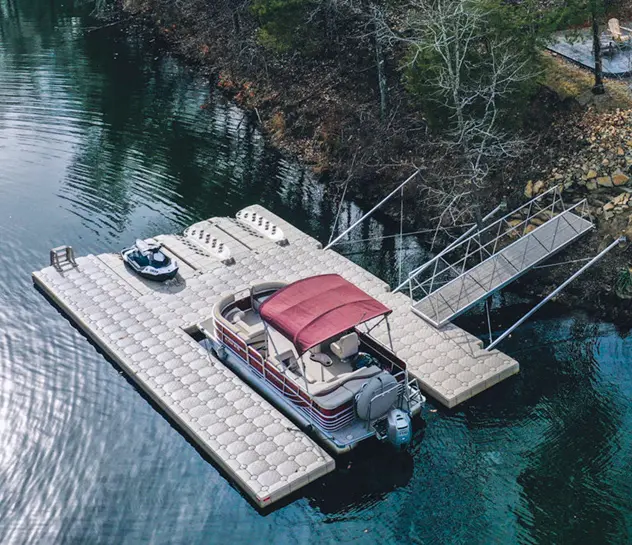
High-buoyancy modular blocks easily adapt to fluctuating water levels, offering premium docking solutions for commercial vessels, jetskis, and leisure watercraft.

Municipal Event Overwater Platforms

Overwater Events & Public Spaces

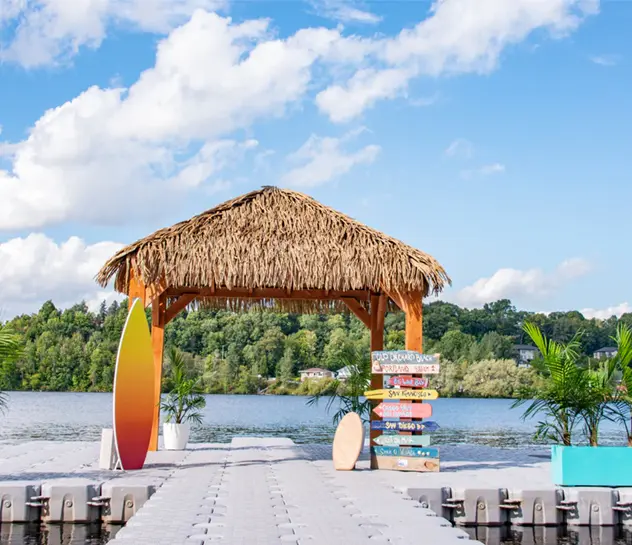
Designed to support public gatherings, these platforms meet safety regulations for load distribution and high-traffic public access.

Floating Walkways and Bridges

Floating Walkways & Bridges

Highly configurable floating links connect eco-resorts, municipal parks, and wetlands with minimal environmental footprint on nearshore ecosystems.

Industrial Pump Stations

Industrial Pump Stations & Docks

Heavy-duty floating foundations house water intake pumps, industrial machinery, and pipe arrays for mineral operations and utility sites.

Hot Products

Our most frequently requested floating platforms utilized globally for their performance under pressure.
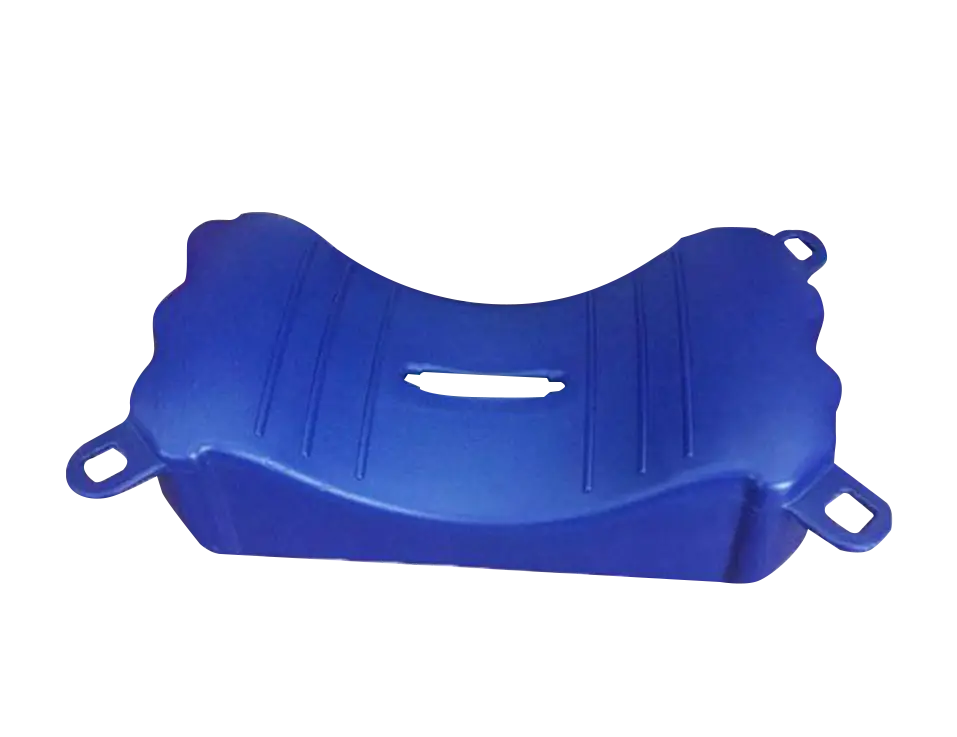
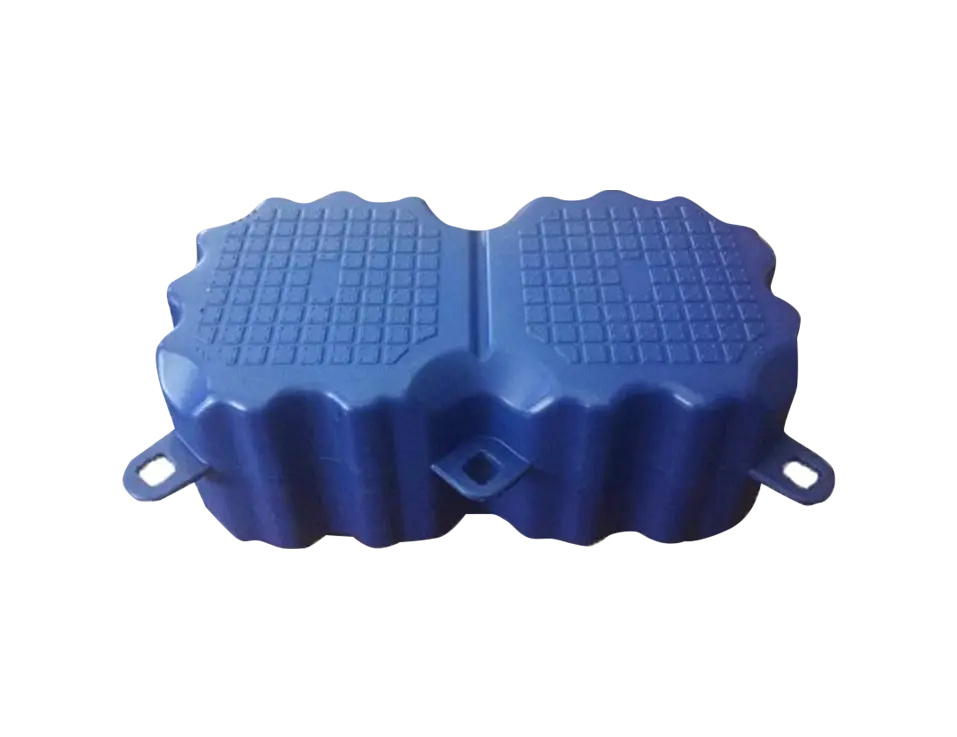
U Floating Dock

U Floating Dock

Twins Floating Dock

Twins Floating Dock

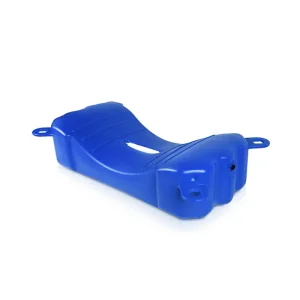
Single Floating Dock

Single Floating Dock

Service & Engineering R&D Advantages

How we deliver value at every stage of the design, production, and supply chain lifecycle.

Personnel

We employ experienced technicians, international sales staff, and quality controllers to manage customer orders and logistics.

R & D

Our R&D design mechanism supports custom tooling, bespoke structural properties, and specific configurations for unique project needs.

Technology

We utilize modern automated blow-molding equipment and materials designed to reduce the environmental footprint of maritime projects.

After-Sales

Our support team offers installation guidance, anchorage calculations, and warranties to secure your investment over its lifecycle.

Frequently Asked Questions

Get authoritative answers regarding engineering capabilities, extreme weather performance, winter maintenance, and product customization.

How does the Floating Dock system hold up to typhoons?
Floating Dock's modular design and material strength hold up well in a typhoon, depending on the installation setup. Our customers report excellent results for docks hit directly by severe storms. The flexible modular grid allows the system to disperse kinetic wave energy, reducing structural stress compared to rigid docks.
Can I get a Floating Dock system if there is no dealer in my area?
Yes, in regions without a local dealer, we can ship your modular Floating Dock system directly to your nearest freight terminal or seaport for convenient customer pickup. We assist with all export documentation to ensure a smooth delivery process.
Can I leave my dock in the water during winter?
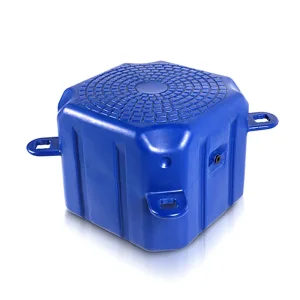
Absolutely. The dock can remain in the water year-round, including in saltwater environments. The Floating Dock system is designed to withstand ice conditions. The unique shape of the cubes allows the structure to slide upward and rest safely on top of expanding ice sheets rather than getting crushed.
How does shifting ice affect the system?
The main concern with ice is water flow and ice movement. If there is moving flow ice or high currents, large shifting ice blocks can damage stationary structures, including floating docks. If the ice thaws in place without heavy moving flows, the dock can safely remain in the water all winter. In zones with heavy moving ice flows, we recommend storing the modular system on land during the off-season.
How many cubes wide is needed for a stable walking platform?
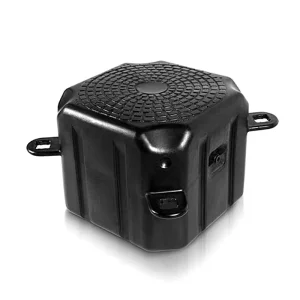
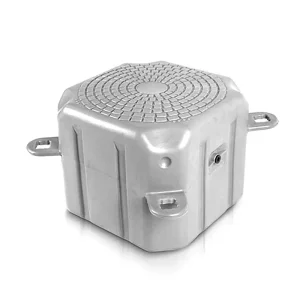
Our modular cubes can be assembled into platforms, gangways, finger piers, or custom layouts. For a safe, stable walking platform, we recommend a minimum width of three cubes. This width provides excellent stability and easily supports pedestrian traffic, with each single cube offering a buoyancy capacity of approximately 350 kg/m² (or about 200 lbs per single modular element).
Will the system work in shallow water?
Yes, you can deploy the dock in shallow water where boats can navigate. The empty cubes draw only 2 to 4 inches (5 to 10 cm) of draft. The system is designed to rest safely on the seabed during low tides. The primary requirement is that the water depth at the dock's edge remains sufficient for watercraft to back off safely.
How long have you been in the floating dock manufacturing business?
Our factory started floating dock production in 2019, making us one of the early developers of advanced modular blow-molded docks in Taizhou, Zhejiang. Today, we are a major supplier of floating dock solutions, offering high-buoyancy modules to industrial customers worldwide.
What variables affect China jetty costs?
The total cost is determined by raw HDPE material prices, the required wall thickness (determined by application loading), UV protection additives, order volume, shipping container configuration, and the necessary anchoring accessories (such as connection pins, pile guides, and steel piles). Buying factory-direct from Taizhou helps bypass middleman markups, lowering the total unit cost.