Explore our high-density polyethylene (HDPE) pontoon designs and custom marine accessories engineered for maximum durability and load capacity.
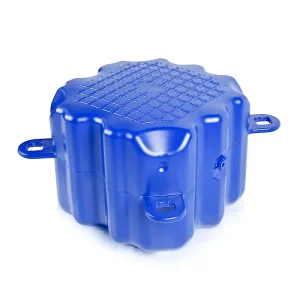
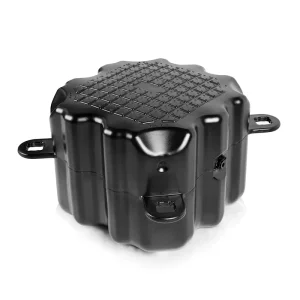
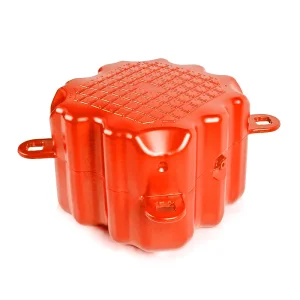
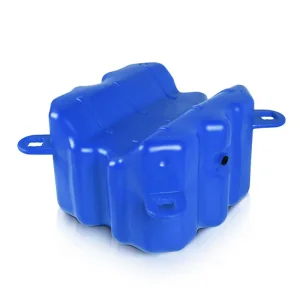
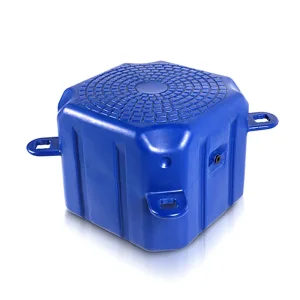
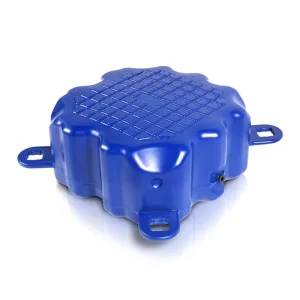
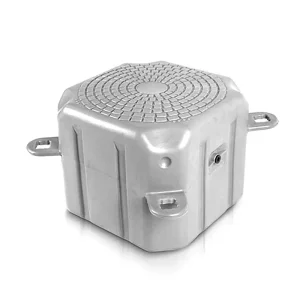
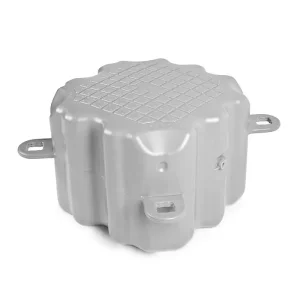
The global marine engineering sector is undergoing a massive paradigm shift. Traditional rigid waterfront structures—such as concrete piers, treated timber docks, and heavy steel structures—are rapidly being replaced by advanced modular floating platforms. Driving this evolution is the global demand for sustainable, resilient, and highly adaptable marine systems. High-Density Polyethylene (HDPE) has emerged as the premier polymer for these applications due to its chemical inertness, UV resistance, and flexibility under mechanical stress.
In an era defined by unpredictable climate events, rising sea levels, and severe typhoons, fixed structures face rapid degradation and high failure rates. Modular floating pontoons, conversely, dynamically adjust to shifting water levels. Their structural elasticity absorbs kinetic energy from wave impacts, distributing stresses across a interconnected network of modular cubes.
Furthermore, the integration of green technologies—such as floatovoltaics (floating solar farms) and offshore eco-aquaculture—is driving unprecedented market growth. Marine developers and industrial procurement teams prioritize modular structures that can scale horizontally without requiring destructive underwater foundations, aligning perfectly with modern Environmental, Social, and Governance (ESG) mandates.
B2B buyers, marine contractors, and government procurement officers do not simply buy "plastic cubes." They purchase risk mitigation, structural durability, and predictable supply chains. When auditing floating pontoon factories, enterprise buyers evaluate distinct engineering parameters:
Verification of weight-bearing limits (typically 350-380kg/m² for dual layer installations) under dynamic tide shifts.
Requirement for certified non-leaching plastics (compliance with RoHS, REACH, and local environmental standards) for sensitive aquaculture zones.
Standardized interlocking lug designs that guarantee seamless expansion and integration with existing international dock setups.
Additionally, procurement teams require customizable color profiles (such as high-visibility orange for industrial work zones, neutral gray for public marinas, and classic deep blue for high-end resort layouts). By addressing these technical demands, modern Chinese factories secure long-term contracts with international developers.
Founded in 2019, Shenghuang Industrial & Trade Blow Molding Factory is a leading innovator in the plastic blow molding industry. Located in Huangyan, Taizhou, Zhejiang—an area internationally recognized for its robust manufacturing infrastructure, precision mold-making, and polymer supply chain—the company has rapidly grown into a trusted global partner. Shenghuang specializes in producing premium-grade plastic blow-molded structures across environmental, automotive, packaging, and maritime sectors.
Equipped with state-of-the-art, fully automated blow molding production lines, Shenghuang ensures micro-millimeter precision in wall thickness across all its modular pontoons. Wall thickness variation is one of the most critical fail-points in inferior blow molding; Shenghuang’s automation controls maintain optimal polymer distribution, providing superior puncture and tear resistance.
The factory operates strictly under the ISO 9001 quality management system. From the raw material compounding stage (utilizing premium grade HDPE compounded with proprietary UV inhibitors) to structural load and compression tests, every float leaving our production lines meets stringent global standards.
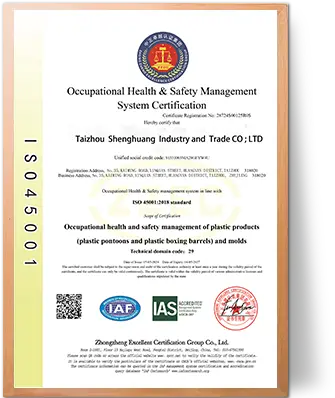
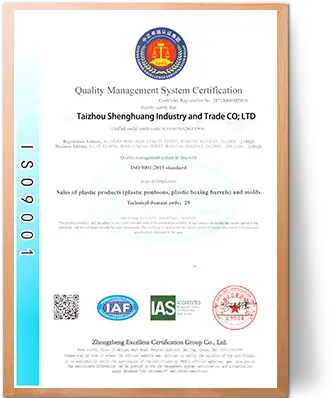
Understanding why Chinese factories lead the global modular dock market requires analyzing the ecosystem surrounding Taizhou's industrial hubs. The convergence of upstream raw material refiners, custom additive compounders, CNC mold manufacturers, and nearby deep-water ports (Ningbo-Zhoushan and Shanghai) creates an unparalleled cost-benefit advantage.
At Shenghuang Industrial & Trade, we leverage this localized ecosystem to implement a Factory 4.0 strategy. This strategy integrates automated real-time diagnostics on blow molding machinery with lean inventory management. What this means for global procurement teams is twofold:
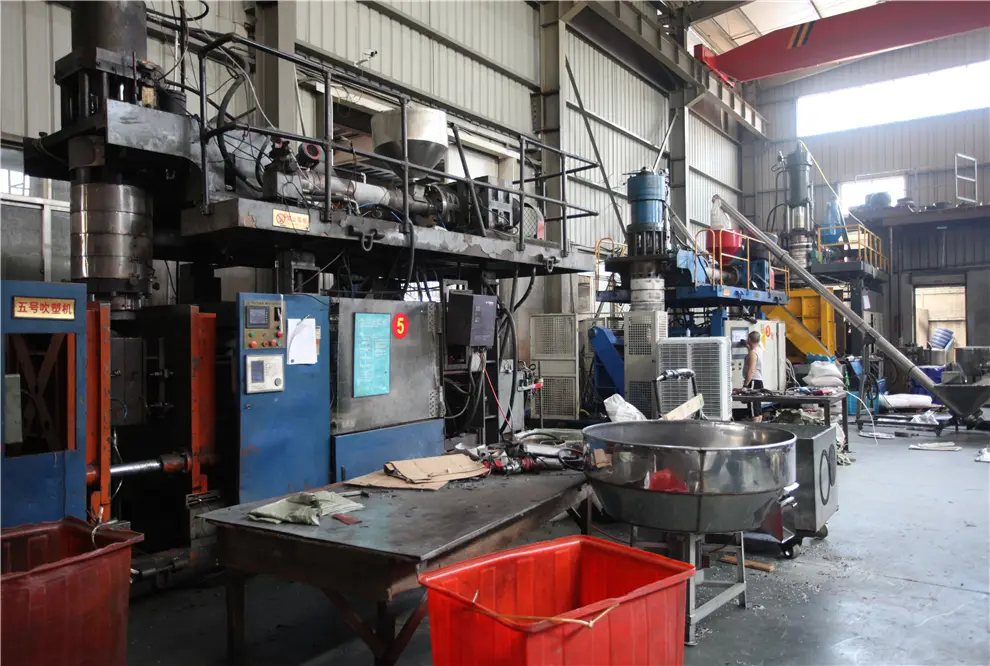
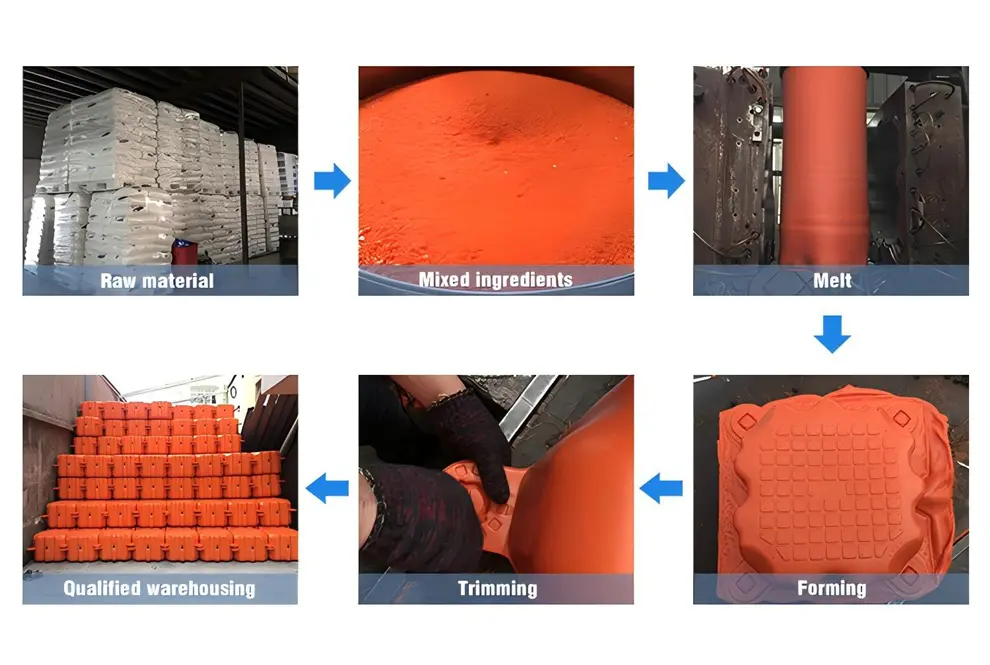
Environmental stewardship is integrated into Shenghuang’s core operations. We promote green manufacturing practices by formulating our modular products using non-toxic, recyclable polymers. By investing heavily in thermal capture systems within our cooling lines, we reduce electricity usage per production cycle by 15-20%.
Our R&D team continuously evaluates polymer performance. Our proprietary formulations resist thermal expansion under direct sunlight, avoiding the typical structural distortion seen in low-cost imports. This guarantees that your docks retain their flat alignment even during extreme seasonal shifts.
Shenghuang’s modular configurations are deployed across several distinct operating environments worldwide:
Custom blue and gray modular configurations providing stable walking lanes and berthing surfaces. The anti-slip design ensures safe passenger boarding under wet conditions.
Highly stable structures built to support solar racking systems or industrial fish farming nets. Resistant to structural shifting caused by continuous tidal movement.
High-visibility orange and black modules that can be quickly assembled to form floating walkways for major events, dynamic water sports, and structural maintenance.
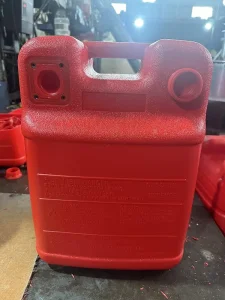
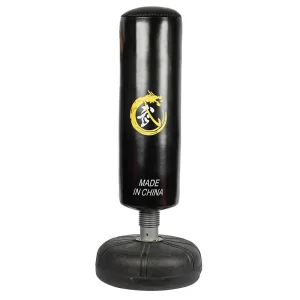
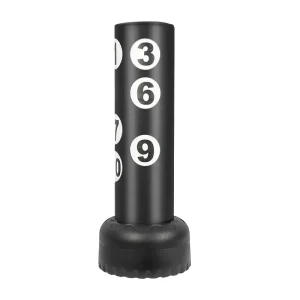
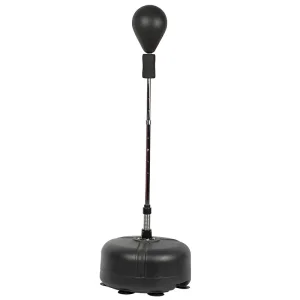
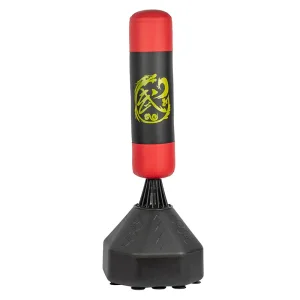
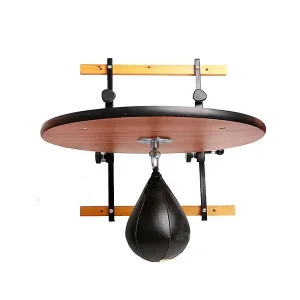
Furthermore, our product portfolio extends beyond pontoons to specialized custom blow-molded units, including our heavy-duty marine fuel storage solutions and adjustable sports equipment. These products highlight our factory’s capacity to support diverse B2B procurement needs.
Providing manufacturing expertise and supply chain reliability to top brands and marine engineering groups worldwide.








Clear, direct answers regarding shipping, durability, winter maintenance, and structural layout options.
Our modular HDPE floating dock systems hold up remarkably well during severe typhoons. The key lies in the design: because the system is modular, the structure flexes and moves dynamically with intense wave action, dissipating kinetic energy that would otherwise crack or shatter a rigid structure. Our clients globally report excellent survivability in major typhoon zones, provided the system is anchored with appropriate elastic tethering or pile guides.
Yes. If there is no local dealer present in your region, our export team arranges direct sea freight shipping from our Taizhou factory to your nearest international deep-water port or local freight terminal. The modular components stack compactly in shipping containers, helping minimize ocean freight costs.
Absolutely. The modular system can remain in the water all year round, even in saltwater environments. It is engineered to withstand freezing conditions. Because of the convex, tapered profile of the individual cube bottoms, the system naturally "pops up" on top of the forming ice layer as it thickens, preventing the cubes from being crushed by the lateral expansion of the ice.
If the ice in your area melts in place and dissipates, the dock can remain in the water. However, if your body of water experiences heavy currents and large, moving ice flows (ice runoffs), these forces can damage or drag away any marine structure. In such environments, we recommend unpinning the modular sections and storing them onshore for the winter.
For a safe and stable public walkway or private gangway, we recommend a minimum width of three cubes. Since each single module provides balanced buoyancy (supporting approximately 200 lbs / 90 kg), a three-cube-wide platform keeps the dock highly stable, minimizing listing when multiple people walk along the edge simultaneously.
Yes. The pontoons only draw about 2 to 4 inches (5 to 10 cm) of water when unladen. The system is designed to rest safely on the seabed or river floor during low tides, provided the underlying terrain is free of sharp, jagged rocks. The key requirement is that there is sufficient depth at the dock's edge to allow boats or jet skis to back off without bottoming out.
Our Taizhou factory commenced operations in 2019. By continuously refining our blow molding techniques and expanding our production infrastructure, we have established ourselves as a reliable manufacturer of high-quality modular floating systems in China, serving both domestic and international markets.
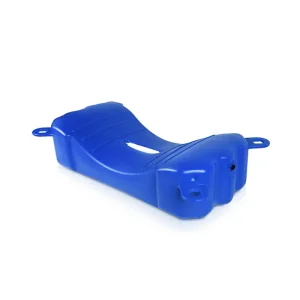
Explore our complete manufacturing portfolio, featuring heavy-duty U-docks, portable marine fuel tanks, and custom blow-molded training equipment.
 ShengHuang