Premium ocean-grade modules engineered to withstand open water swells, severe ultraviolet radiation, and harsh marine environments.
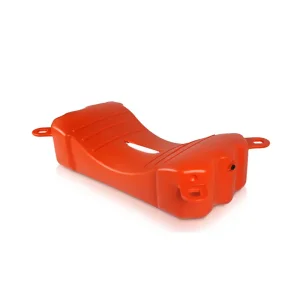
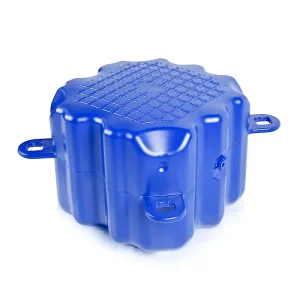
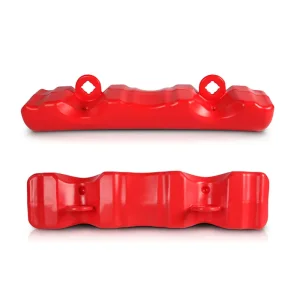
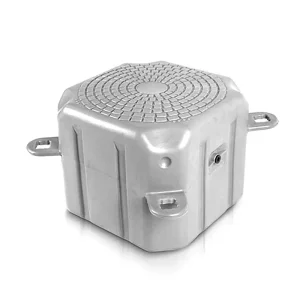
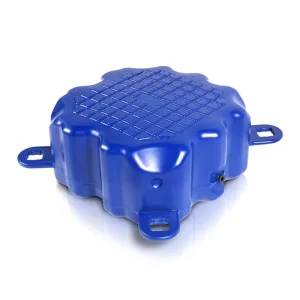
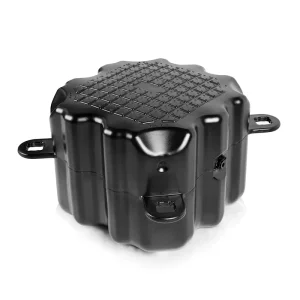
Founded in 2019, Shenghuang Industrial & Trade Blow Molding Factory is a leading innovator in the plastic blow molding industry. Located in Huangyan, Taizhou, Zhejiang—an area globally renowned for its robust manufacturing infrastructure and molding expertise—the company has rapidly expanded into a trusted global supplier of heavy-duty blow-molded products across several key industries.
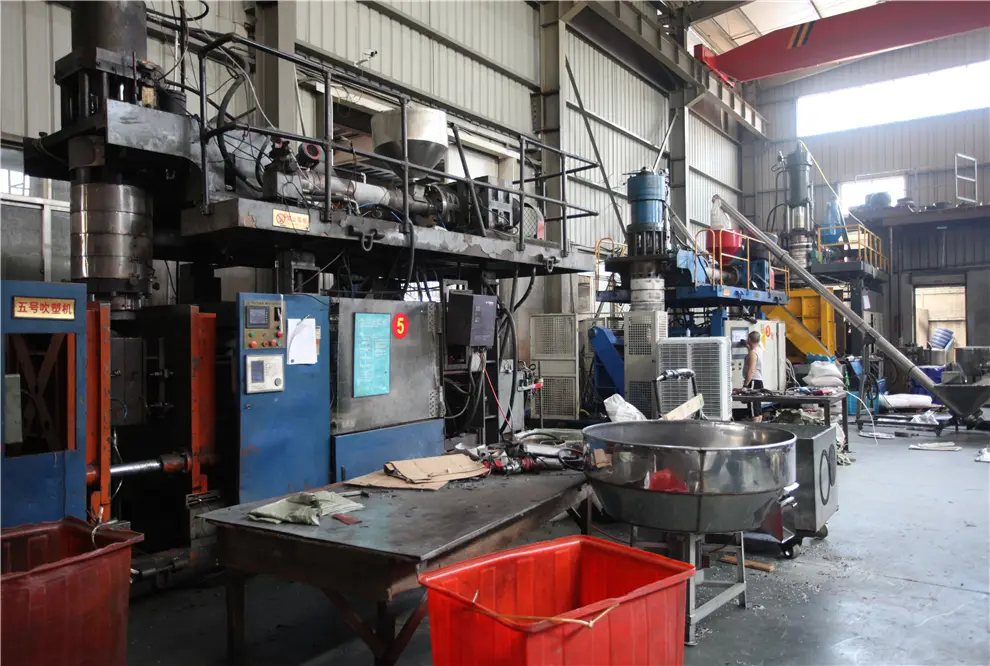
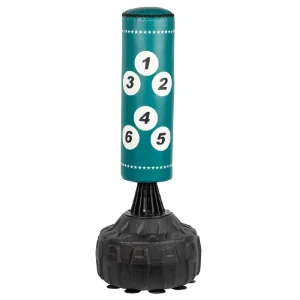
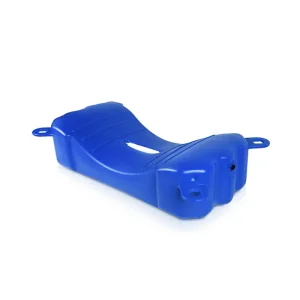
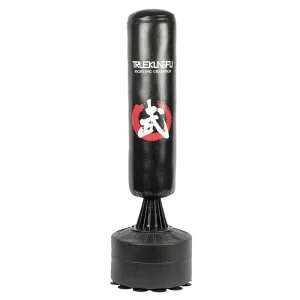
Equipped with state-of-the-art automated blow molding production lines, Shenghuang specializes in producing custom-designed solutions, environmental containers, heavy-duty boxing sandbags, and durable marine pontoons. These high-precision automated systems ensure consistent wall thickness, high structural load-bearing capacity, and optimized cost-efficiencies.
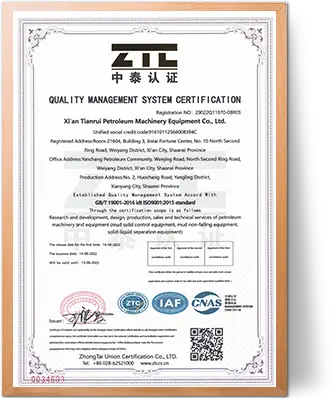
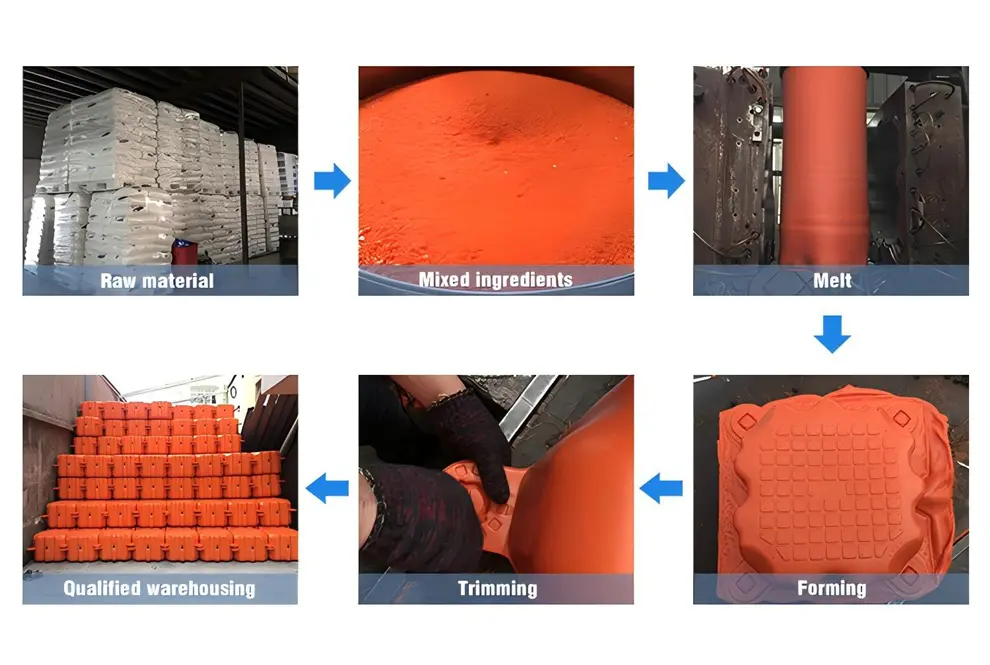
Operating under the rigorous ISO 9001 quality management system, our facility guarantees that every single manufacturing step—from virgin raw material assessment through testing to ocean-ready stress trials—conforms to the highest global standards.
Shenghuang's production reliability is backed by systematic third-party verifications. Our advanced blow molding processes comply with environmental, safety, and operational standards required for global distribution.


A B2B Technical Whitepaper on Advanced HDPE Blow-Molding and Marine Applications
Deploying modular floating docks on the open ocean presents severe dynamic loading issues. Traditional rigid docks often experience stress fractures under continuous swell action. Our High-Density Polyethylene (HDPE) modules are engineered with high elasticity coefficients, allowing the entire system to flex harmoniously with wave structures. This eliminates structural fatigue and distributes kinetic energy evenly across the interlocking lugs.
The core material is virgin, food-grade HDPE enhanced with premium UV-stabilizers and anti-aging agents. This chemical layout prevents polymer chains from breaking down under intense solar radiation and high salinity environments. Standard modules maintain an impressive 350 kg/m² buoyancy rating, operating reliably between temperatures of -60°C and +80°C, and resisting degradation from chemicals, acids, and organic marine growth.
Compared to conventional rotomolded products, our automated blow molding line produces components with highly uniform wall thicknesses and reinforced internal structural ribs. This method delivers superior impact resistance and torsional rigidity. The resulting high-strength joints and pins securely lock together, providing a unified structure that remains stable under heavy pedestrian or light vehicular traffic.
Shenghuang actively promotes eco-friendly manufacturing practices. By incorporating green, recyclable polymers and refining material efficiencies, we dramatically lower energy footprint without sacrificing mechanical properties. Our dedicated research team tests custom formulas designed to withstand complex marine stress zones, ensuring compliance with global environmental regulations.
Our modular systems represent a major improvement over pressure-treated wood or chemically infused concrete, which leach microplastics and heavy metals into delicate marine ecosystems. By choosing 100% recyclable HDPE, developers satisfy municipal environmental requirements while securing highly durable infrastructure.
Adapting Modular Infrastructure for Macro Solutions, Public Utilities, and Marinas
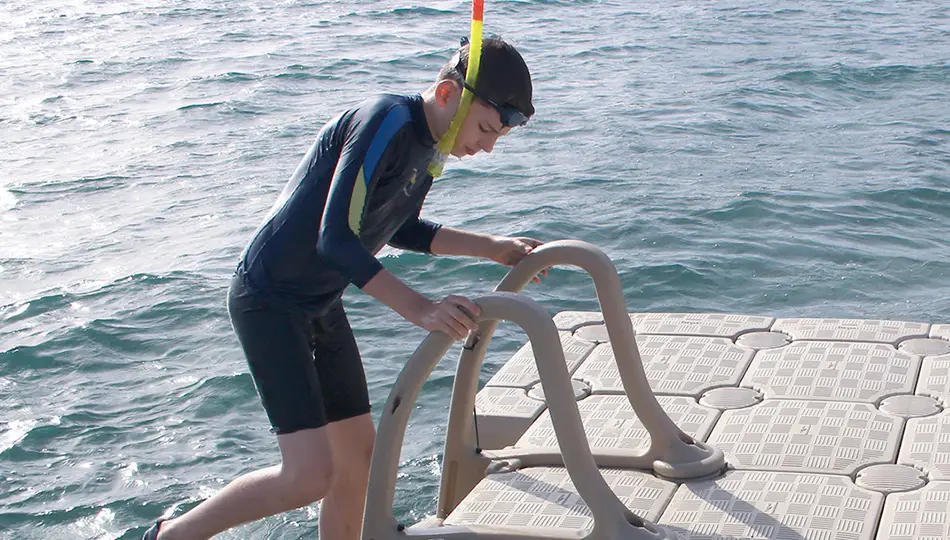
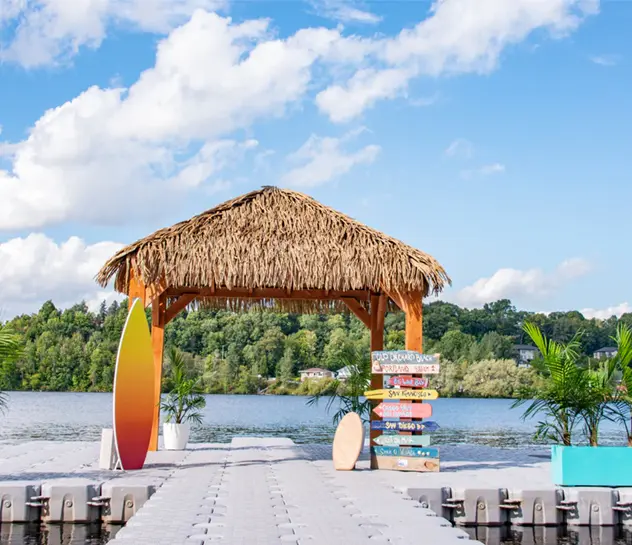
Ideal for government ecotourism developments, lake crossings, and wetlands preservation. These installations require low-profile, highly stable platforms that pose zero risk of chemical pollution to local water systems.
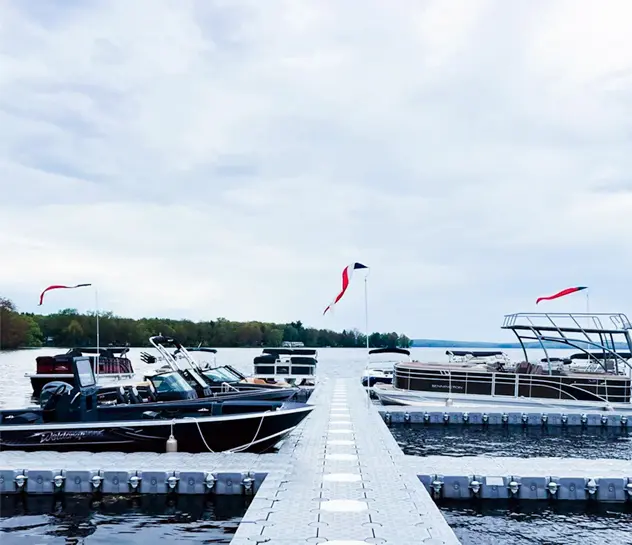
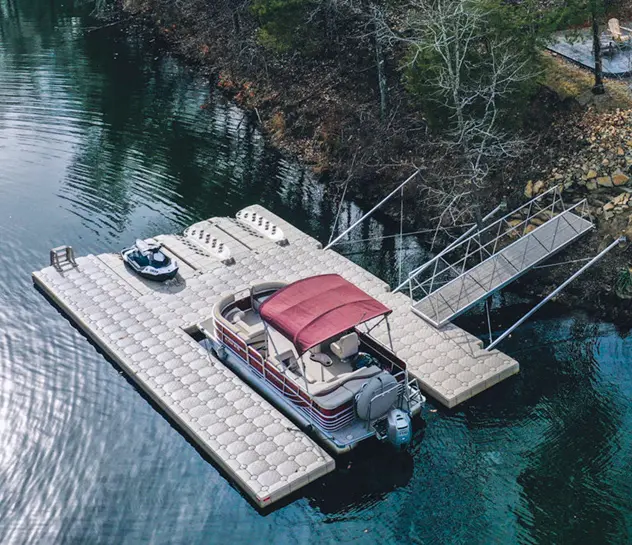
Tailored configurations for yacht clubs, jet ski ports, and boat rentals. The high load limits (350kg/m²) and impact-resistant bumpers ensure safety for valuable marine vessels.
Heavy-duty structures designed to support fish cages, maintenance gear, and farm technicians in open ocean environments subject to strong winds and currents.
Shenghuang's engineering roadmap focuses on smart modular connectivity and bio-based polymers. Over the next five years, we plan to integrate built-in telemetry sensors directly into the float structures to monitor localized wave impact, structural tension, and water temperature. This data will assist harbor masters and engineering teams in assessing marine stresses in real time.
Furthermore, our materials laboratory is testing post-consumer recycled ocean plastics to incorporate into our blow-molding lines, establishing a truly circular manufacturing process for sustainable marine infrastructure.











Expert Engineering Solutions for Modular Marine Architecture & Installation Requirements
Our floating dock's modular design and superior material elasticity allow the system to flex and absorb swell energy rather than crack. Depending on correct anchoring configuration (heavy pile guides, elastic mooring lines, or weighted seafloor anchors), our docks have recorded excellent survival rates in direct typhoon strikes. By dispersing tension through interconnected heavy-duty lugs, peak loads at single points are minimized.
Yes. If there is no local dealer in your country or region, we coordinate direct factory-to-destination sea freight. We load modular components compactly in containers and ship directly to your nearest commercial ocean terminal or port. Complete assembly guides, structural layout drawings, and accessory kits are included in the container.
Absolutely. The dock system can remain in both salt water and fresh water through freezing winters. HDPE exhibits high low-temperature impact strength, maintaining flexibility down to -60°C. The convex, tapered side profile of our cubes allows the expansion of freezing ice to push the dock upward rather than crushing it from the sides.
In locations with heavy currents or moving drift ice, check the spring thaw patterns. If the ice thaws in place, the dock will perform perfectly. If large, heavy sheets of moving ice travel through your area, they can sheer and damage stationary docks of any construction. In those conditions, we recommend detaching the modular pins and towing the dock out of the water for the winter season.
While a two-cube width is functional for temporary gangways, we strongly recommend a minimum of three cubes wide (1.5 meters) for public or primary walking pathways. The balanced buoyancy of each individual block supports approx 350 kg/m², providing a highly stable walking surface with minimal pitch or roll under foot traffic.
Yes. Unloaded, our HDPE cubes draw only 5 to 10 cm (2 to 4 inches) of water. During low tide, the system can rest safely on mud, sand, or smooth gravel bottoms. However, ensure that at the entry point of boats or personal watercraft, there is sufficient water depth to prevent hulls or propulsion units from grinding against the seabed.
Our manufacturing facility in Huangyan started production in 2019. We have grown to become a leading global supplier of blow-molded products. Our continuous investment in automated extrusion machinery ensures that we consistently deliver premium modular floating systems directly to developers worldwide.
High-capacity blow-molded products designed for heavy commercial use and industrial reliability.
Connect directly with our engineering division in Zhejiang to request structural load diagrams, buoyancy calculation sheets, and direct container logistics quotes.
Contact Engineering & Factory Team ShengHuang