Engineered high-buoyancy marine structures, high-molecular plastic systems, and heavy-duty portable offshore support gear.
In the modern era of offshore development and nearshore marine reclamation, the demand for flexible, scalable, and highly resistant floating structures has escalated exponentially. Global trade, maritime transport expansion, industrial aquaculture, and floating photovoltaic (FPV) projects require high-durability modular pontoons. Historically, marine projects relied on heavy concrete structures, steel pipes, or chemically treated timber docks. However, these systems present significant environmental hazards, limited service life due to saltwater corrosion, and high logistics overhead.
As a premier China Floating Dock Ocean's Supplier, we address this evolutionary shift by manufacturing advanced polymer modular pontoon structures using high-molecular High-Density Polyethylene (HDPE). These modular systems provide unmatched buoyancy coefficients, chemical inertia in saline environments, and flexibility under mechanical stresses caused by wave motions. Today, modular HDPE structures form the basis of military floating bridges, offshore helicopter pads, deep-sea aquaculture corridors, and luxury commercial yacht berthing facilities worldwide.
Density Selection: High-molecular HDPE base polymer > 0.95 g/cm³ with specialized carbon black and UV inhibitors to resist intensive solar radiation.
Buoyancy Performance: Standard configurations range from 200 kg/m² to over 350 kg/m² vertical load capacity, meeting naval architecture stability standards.
Thermal Envelope: Tested under extreme climate fluctuations, from ice-locked arctic lakes (-60°C) to hyper-thermal equatorial coastal zones (+60°C).
How our automated extrusion blow molding production lines guarantee performance stability in hyper-saline marine environments.
Our HDPE compound features a highly structured chain polymer configuration. Using precise polymerization technology, we eliminate weak amorphous polymer sections, improving Environmental Stress Cracking Resistance (ESCR) over standard industrial plastics. This molecular integrity ensures resistance against petroleum runoff, bilge oils, acids, and raw organic marine growths.
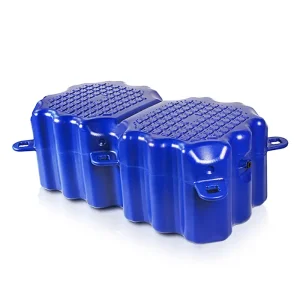
Using automated blow molding systems, parison thickness is controlled electronically at 128 dynamic points. This ensures uniform wall thickness across all modular points, eliminating stress-concentration zones along the corners, ridges, and connecting ears of the pontoon.
Extended solar exposure accelerates photo-degradation in plastics. Our formula integrates premium UV15 light stabilizers. This prevents polymer discoloration and structural embrittlement, ensuring a design life of over 15 years under direct tropical solar exposure.
| Physical/Chemical Property | Testing Standard (ISO / ASTM) | Standard Value Range | Shenghuang Engineering Metric |
|---|---|---|---|
| Density of HDPE Base Polymer | ASTM D1505 | 0.940 – 0.960 g/cm³ | 0.954 g/cm³ (High Crystalline) |
| Melt Flow Rate (MFR) 190°C/2.16 kg | ISO 1133 | 0.3 – 1.2 g/10 min | 0.55 g/10 min (High Melt Strength) |
| Tensile Strength at Yield | ISO 527 (50 mm/min) | 20 – 25 MPa | 23.5 MPa |
| Environmental Stress Crack Resistance (ESCR) | ASTM D1693 (Condition B) | F50 > 500 hours | F50 > 1000 hours (10% Igepal) |
| Impact Strength (Izod notched) | ISO 179 | 10 – 15 kJ/m² | 13.8 kJ/m² (At sub-zero temperatures) |
Established in 2019, Shenghuang Industrial & Trade Blow Molding Factory is a leading manufacturer in the high-precision plastic blow molding sector. Headquartered in Huangyan, Taizhou, Zhejiang—renowned as China's premier mold and plastics manufacturing cluster—the company leverage advanced industrial infrastructure to deliver reliable polymer solutions.
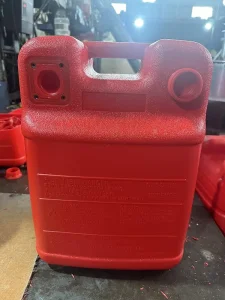
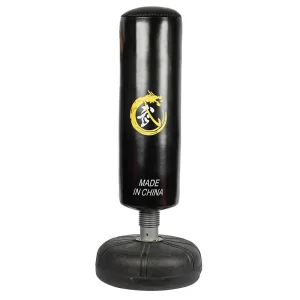
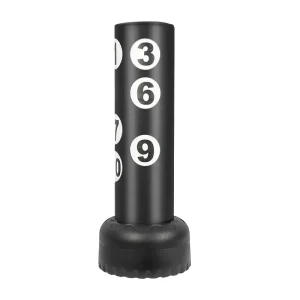
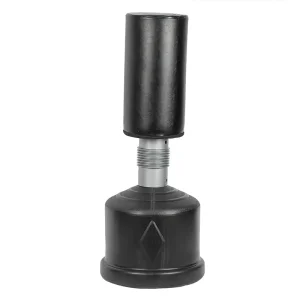
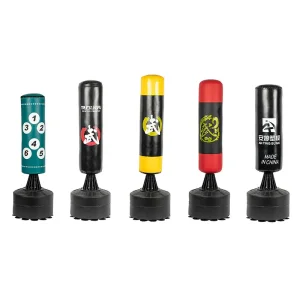
Our facility operates high-capacity, automated blow molding lines. This infrastructure supports the efficient production of complex, high-durability items including modular plastic pontoons, custom watercraft fuel solutions, industrial blow-molded containers, and sports training products like sandbags.
Shenghuang operates under strict ISO 9001:2015 quality management guidelines. From polymer raw material sourcing to structural drop tests and high-pressure sealing verification, every production stage is monitored to ensure compliance with international industrial standards.
Our products meet international maritime safety regulations, environmental toxicity standards, and mechanical structural performance requirements.
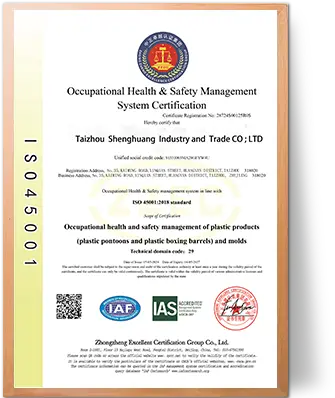
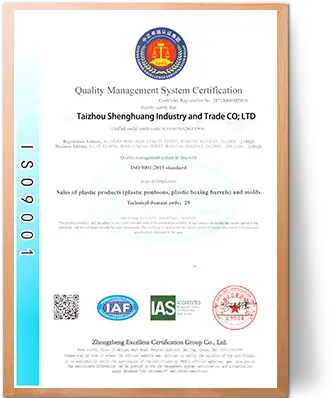
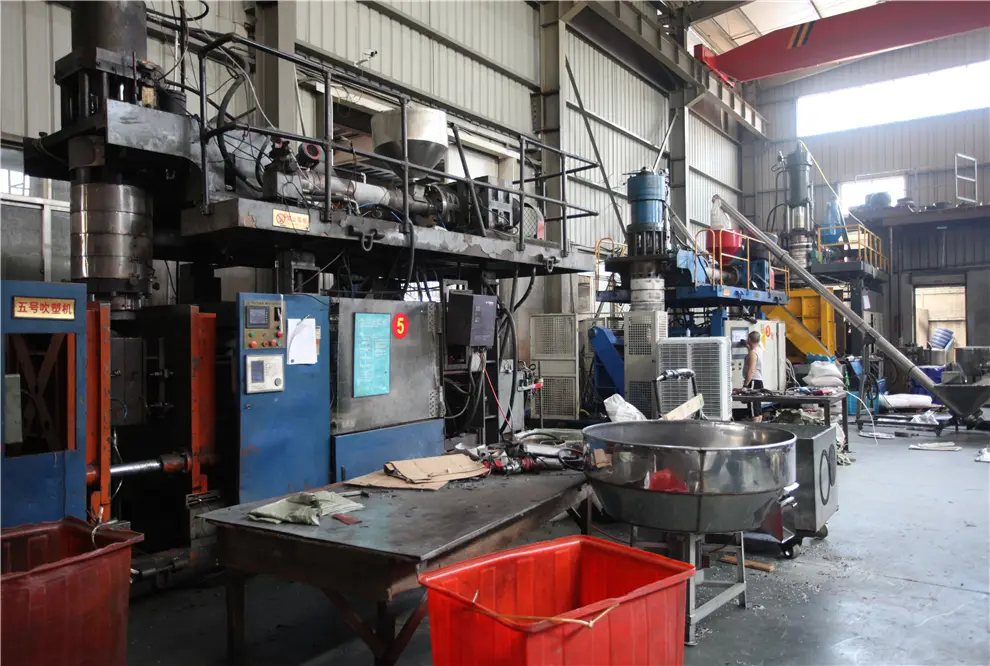
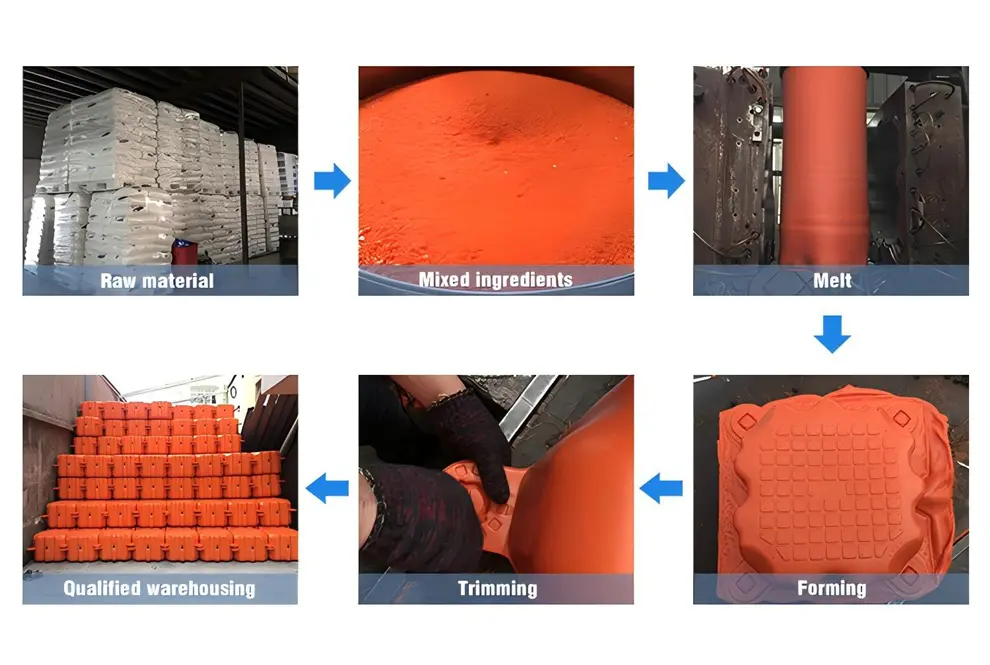
Our environmental policies match high-buoyancy performance with sustainable manufacturing practices.
Shenghuang promotes green manufacturing by using eco-friendly materials in our production processes. We continuously invest in research and development to improve our products' environmental footprint, reducing waste and energy consumption while ensuring compliance with global environmental regulations. As part of our sustainability strategy, we focus on material efficiency and energy-saving technologies across all facilities.
We also prioritize technological innovation. Our dedicated R&D team develops high-performance materials and advanced molding techniques to meet evolving customer needs. This focus allows us to offer customized, high-performance solutions tailored to specific industrial and environmental requirements.








From aquaculture to heavy marine logistics, we deliver modular solutions for diverse aquatic environments.
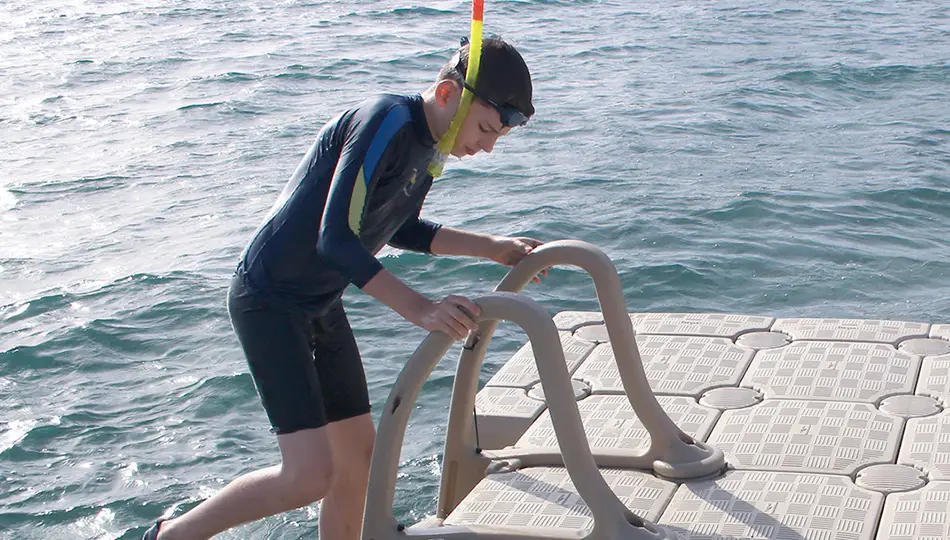
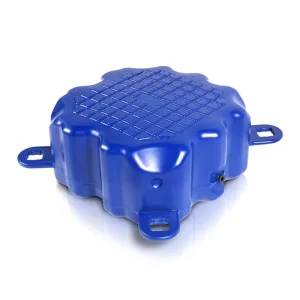
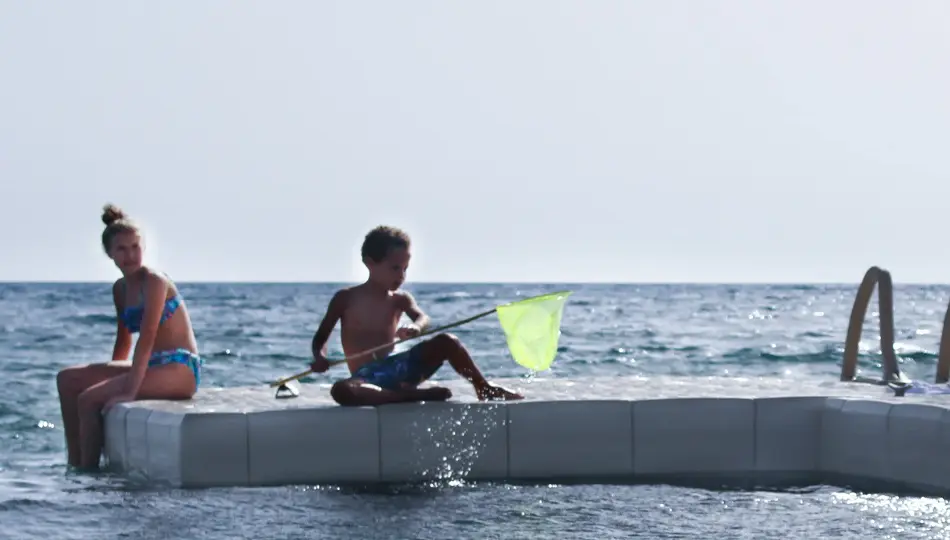
Stabilized walking platforms for luxury vessels. Features a non-slip textured finish and compatibility with composite deck overlays.
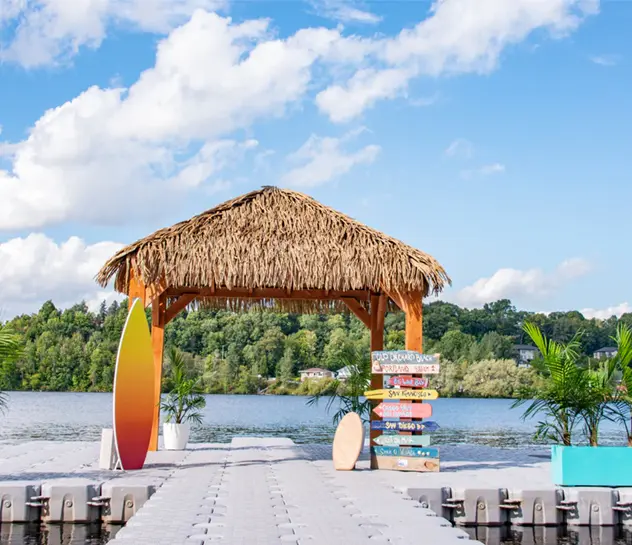
Corridors integrated with marine containment nets. Built to withstand strong ocean currents and exposure to chemical sanitization cycles.
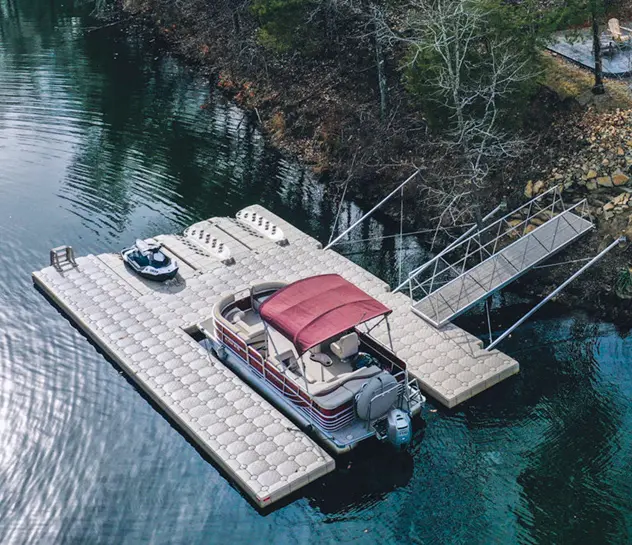
V-shaped drive-on modular channels designed for easy launch and dry storage of jet skis, protecting hulls from marine fouling.
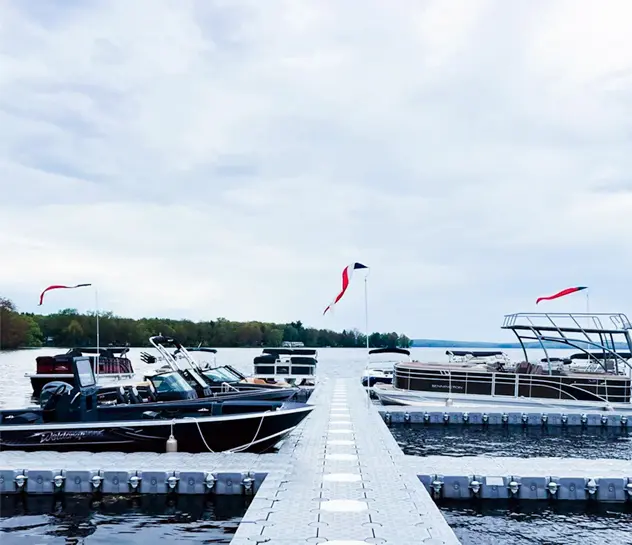
Engineered anchoring matrices for floating solar panels (FPV). Optimized to handle continuous structural and wind loads.
Heavy-duty transport platforms for heavy machinery and logistics personnel across interior waterways and tidal estuaries.
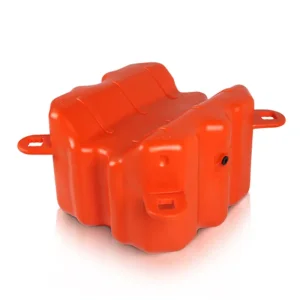
Highly specialized modular shapes designed for dynamic watercraft docking and structural stability.
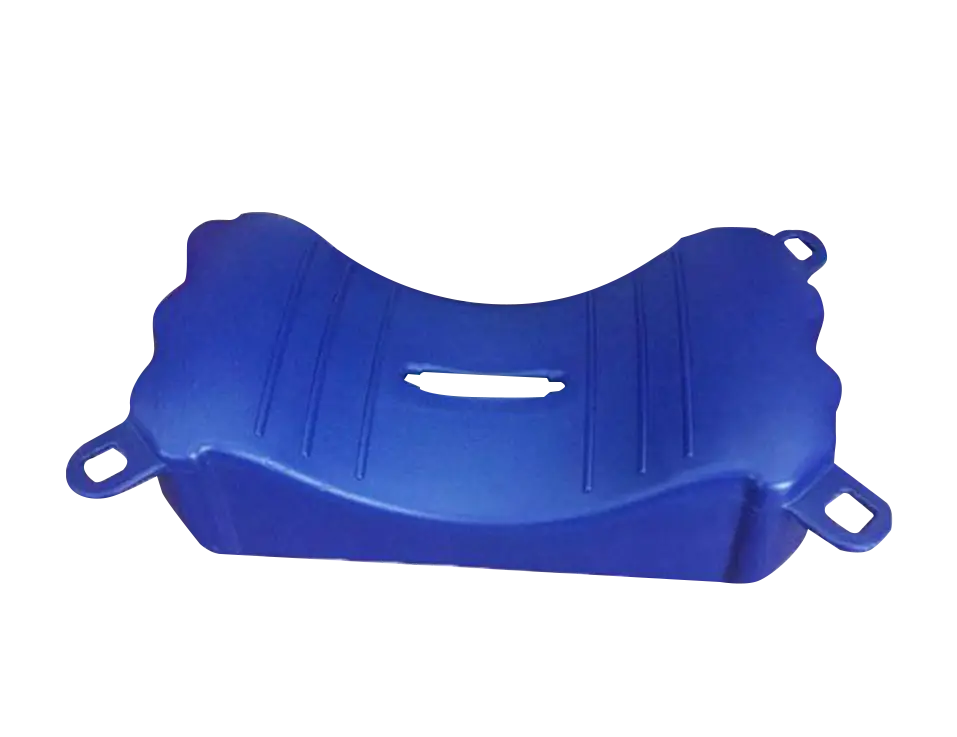
Designed for personal watercraft drive-on docking, offering center hull stabilization and easy access.
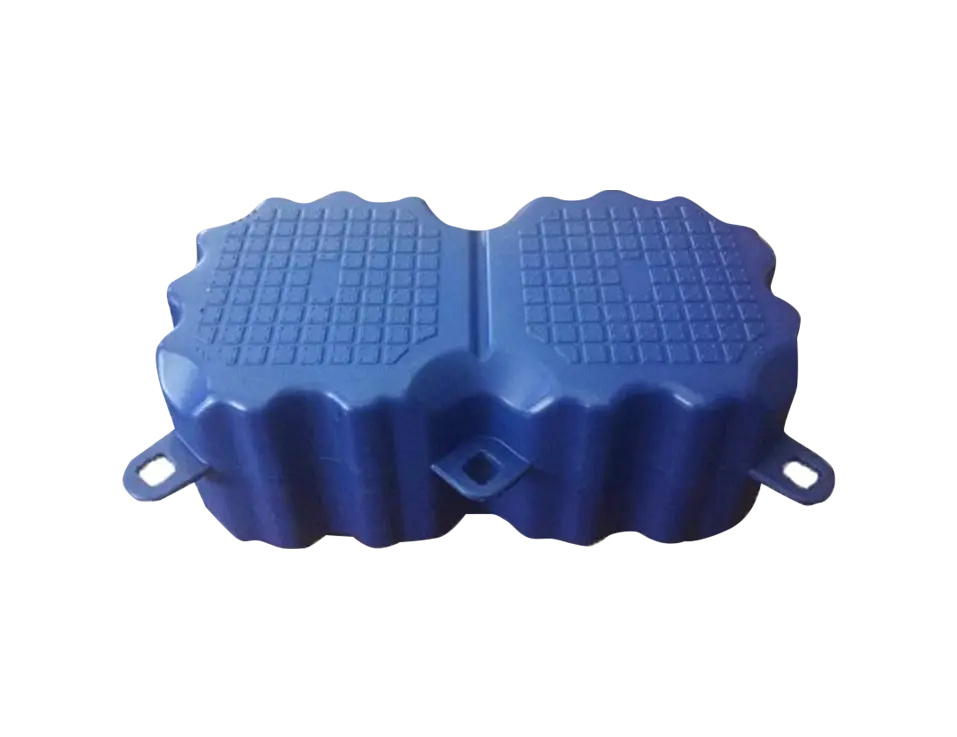
Features double-wide interconnected modules for heavy marine loads and increased foot traffic stability.
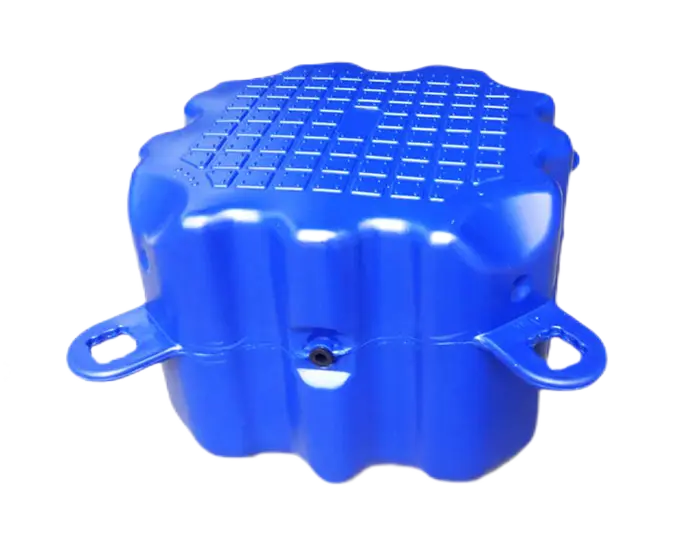
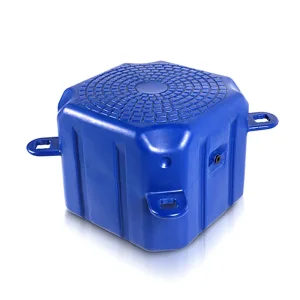
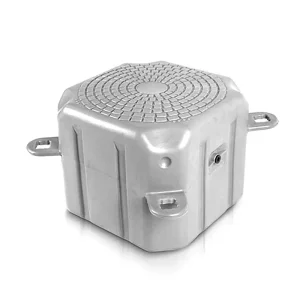
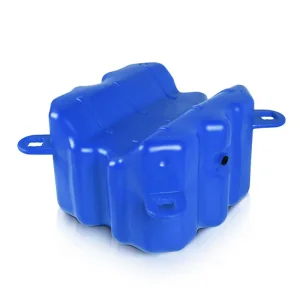
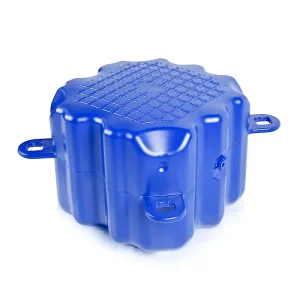
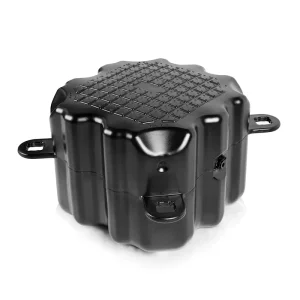
Standard 50x50x40cm block unit, the foundation for modular aquatic configurations.
Technical answers regarding installation, mooring mechanics, and winter performance of modular systems.
Our modular design and flexible interlocking system distribute localized shear stresses from waves. In typhoon conditions, the structures flex with wave action rather than resisting rigidly, preventing structural failure. Reliability depends heavily on the mooring installation—including dynamic anchor lines, heavy-duty piling brackets, and elastic rope configurations. Field reports from typhoons in East Asia show high survival rates compared to rigid timber or concrete docks.
Yes. For regions without a local dealer, we ship the modular components directly from our factory in China to your nearest freight terminal. Due to the high packaging density of the individual modular cubes (which stack efficiently in standard 20GP/40HQ shipping containers), international shipping remains cost-effective compared to pre-assembled float systems.
Absolutely. The dock system can remain in water year-round, including saltwater environments. The modular cubes are designed to handle ice encapsulation. The vertical draft and sloped design of the modular units cause the structure to slide upward when ice pressure builds, preventing crushing forces from damage.
The main factor to consider is water flow. In static ice conditions, the dock lifts naturally. However, if the body of water experiences heavy currents with large, moving ice blocks during spring thaws, these blocks can generate high shear forces. If large ice floes are expected, we recommend temporarily decommissioning the dock and storing it on land for the winter.
For secure pedestrian access, we recommend a minimum width of three modular cubes (approx. 1.5 meters). This width ensures sufficient stability for two-way pedestrian traffic. The dock's design supports this load, with each individual standard cube providing approximately 90 kg (200 lbs) of balanced buoyancy.
Yes. Without a payload, the modular system draws only 5 to 10 cm (2 to 4 inches) of water. The critical depth is at the entry ramp where vessels drive onto the dock, as the system needs room to flex downward under load. The modules can rest on mud or sandy bottoms during low tide, provided there are no sharp rocks or debris that could puncture the polymer shell.
Our specialized manufacturing facility began floating dock operations in 2019, making us an established manufacturer of polymer marine solutions in China. Over the years, we have expanded our capacity to become a leading supplier of modular docks, serving municipal waterfront developments, marine construction firms, and private residential clients worldwide.
Select from our manufacturing configurations, verified and ready for international deployment.
 ShengHuang