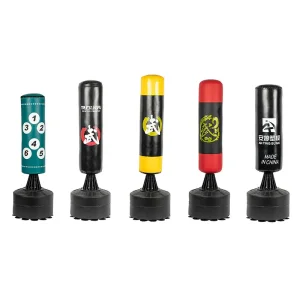
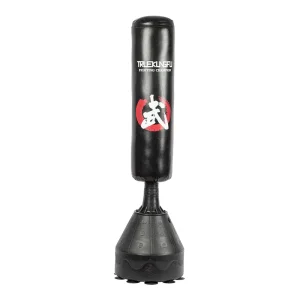
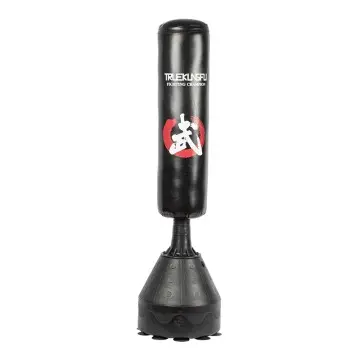
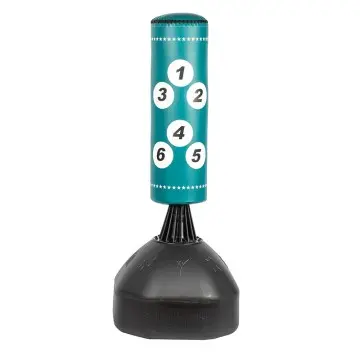
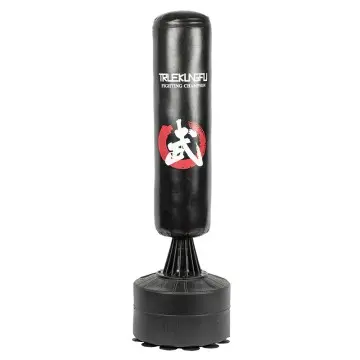
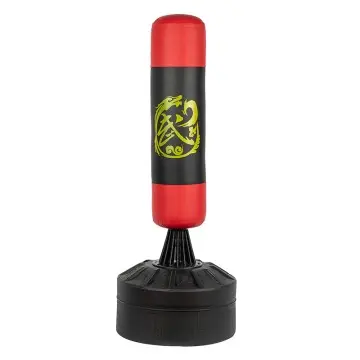
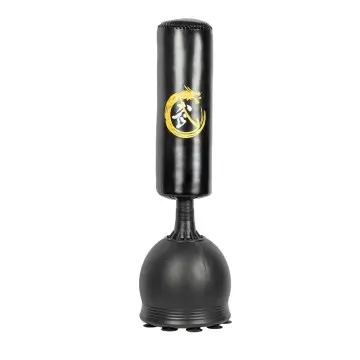
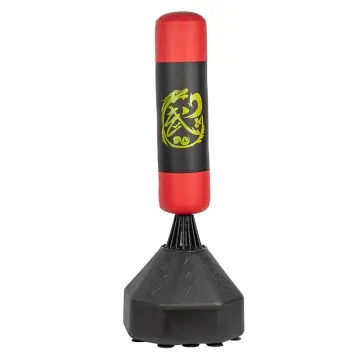
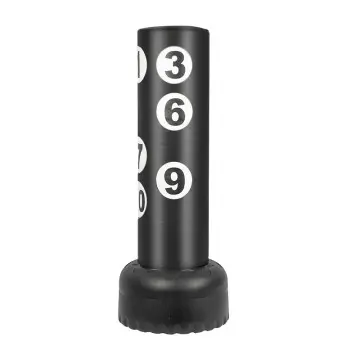
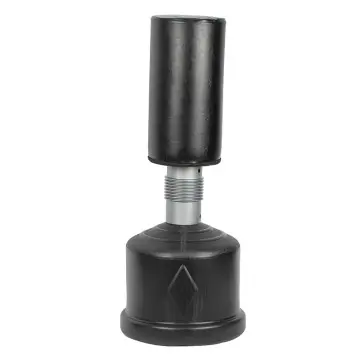
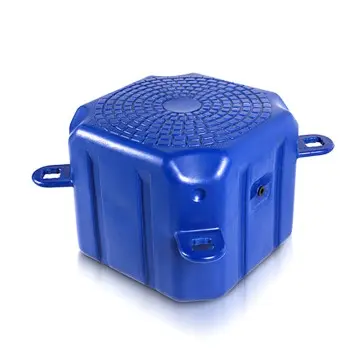
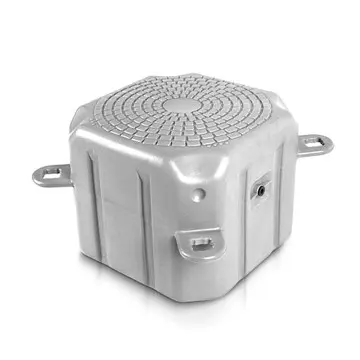
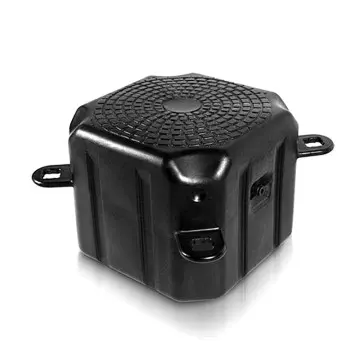
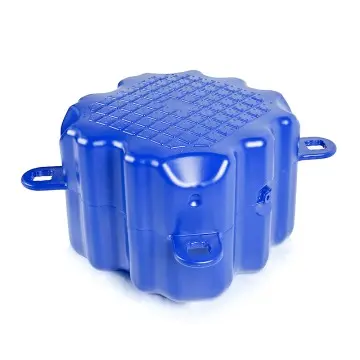
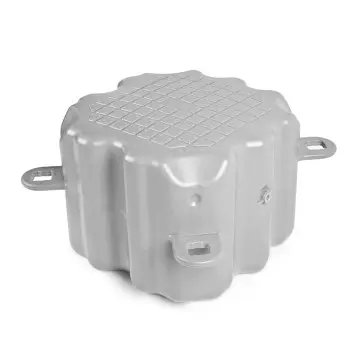
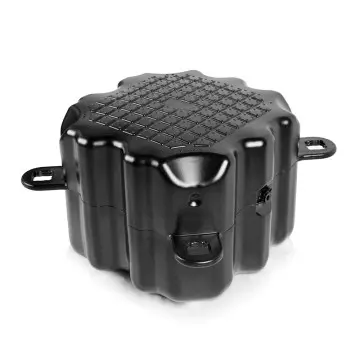
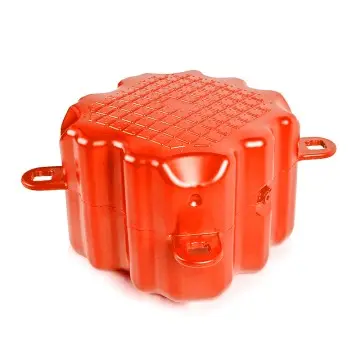
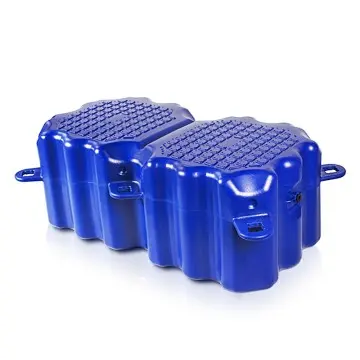
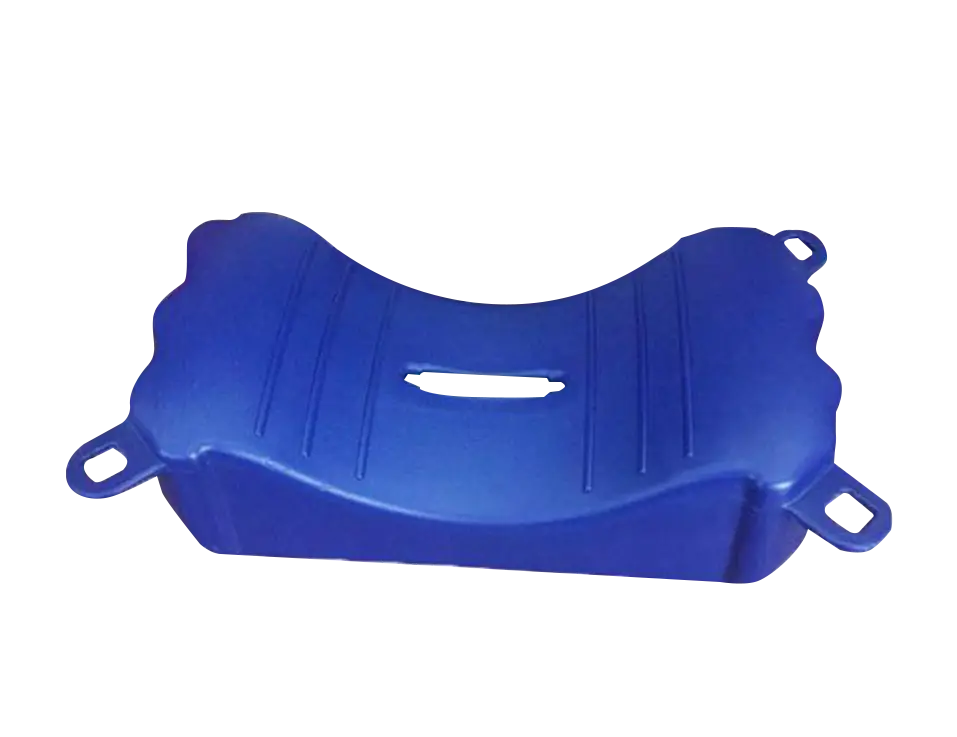
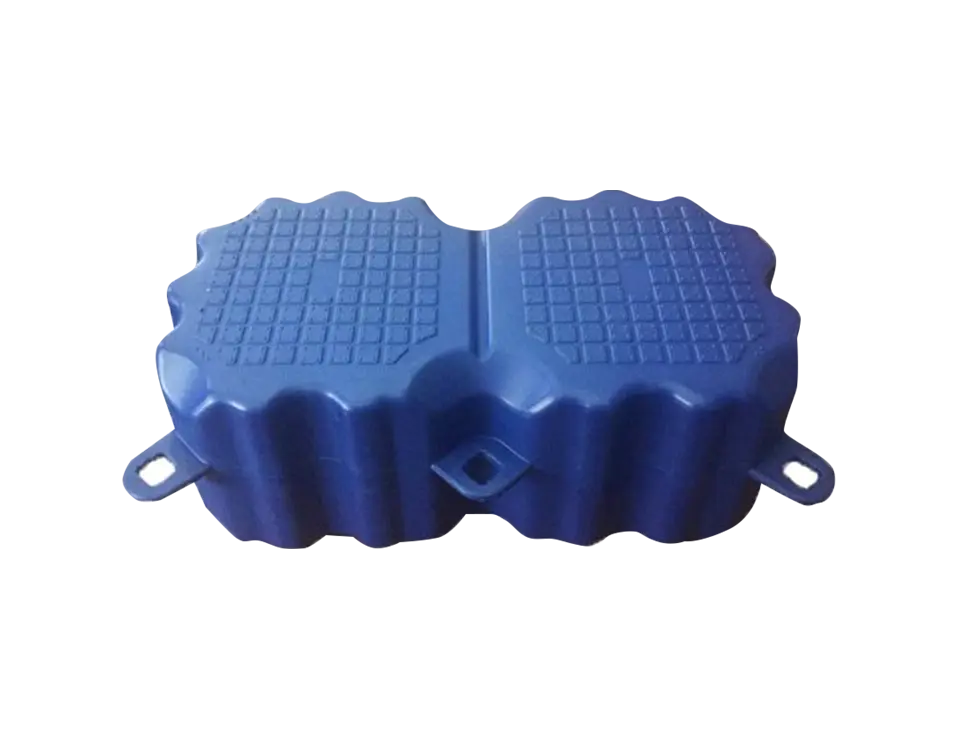
These four original product links are positioned first for procurement teams evaluating waterfront accessories, OEM containers, sandbag systems, and modular dock components for Novosibirsk and the wider Siberian market.
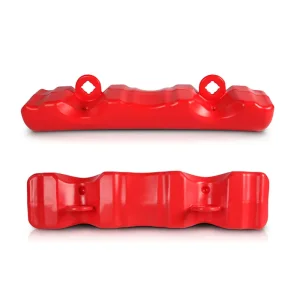
OEM Accessory Sourcing
Custom blow-molded accessories, replacement components, and OEM production support for distributors and project contractors.
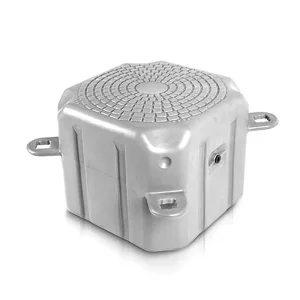
Floating Dock
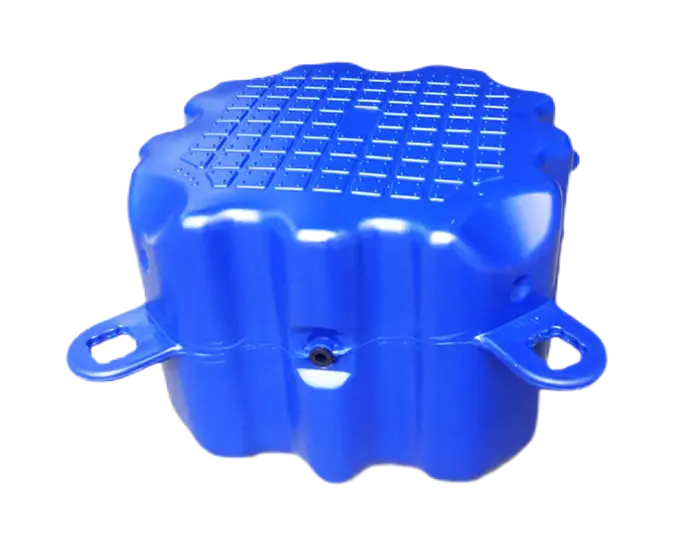
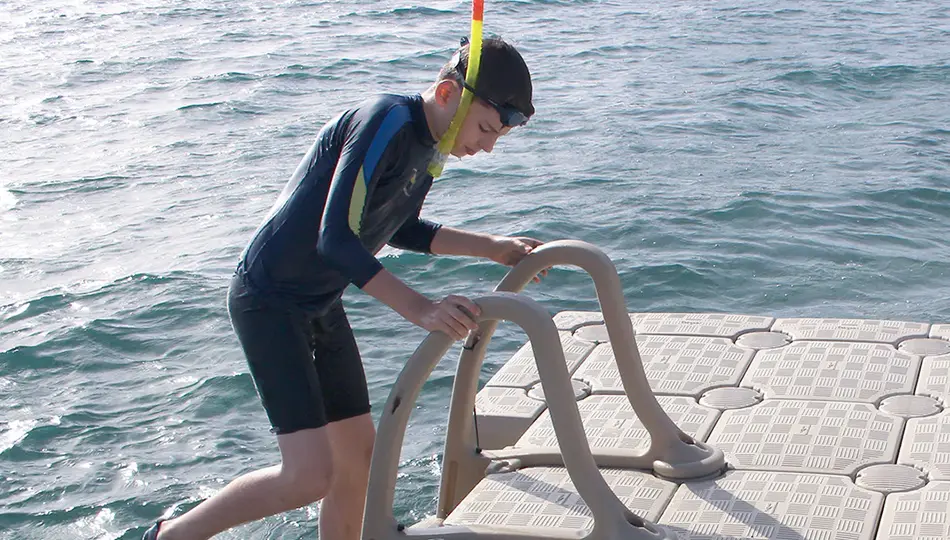
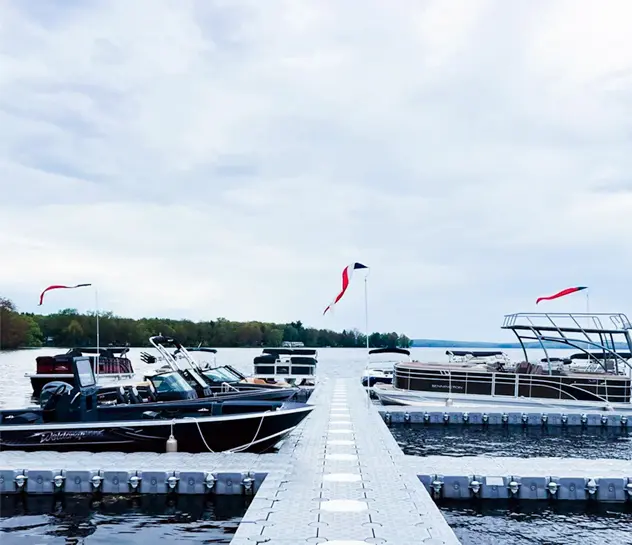
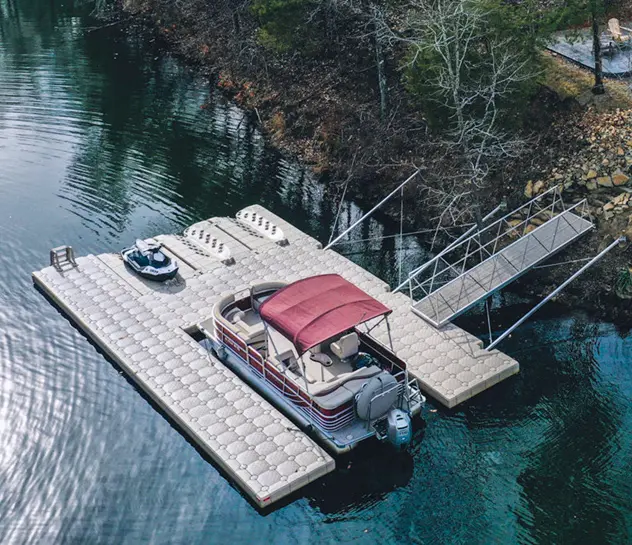
Modular HDPE dock cubes and extensions for marinas, ponds, events, and river-based infrastructure.
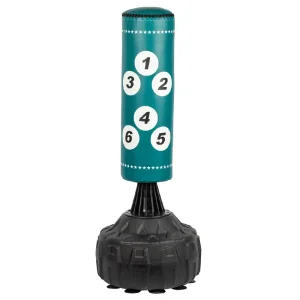
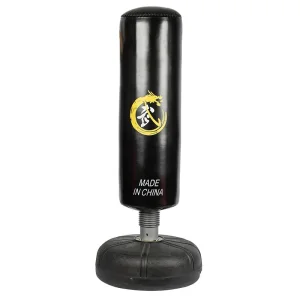
Training Equipment
Durable boxing sandbags for sports clubs, fitness chains, and equipment distributors serving Siberian training facilities.
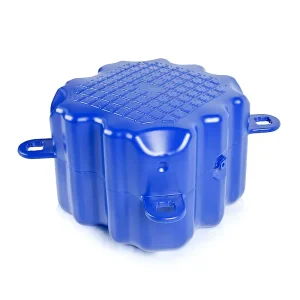
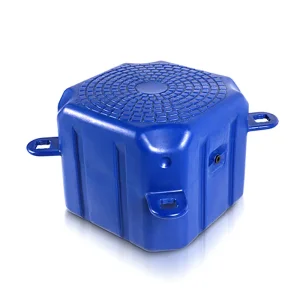
ODM Dock System
Concave-convex modular geometry for stable event platforms, pond access, and customizable waterfront layouts.
Search intent in Novosibirsk is rarely limited to a single product keyword. Buyers compare suppliers of plastic accessories, floating infrastructure, sandbag systems, and OEM components while simultaneously evaluating climate performance, EAEU documentation, container loading, and after-sales risk.
Novosibirsk is not a generic destination for accessories. It is a scientific, logistics, industrial, river-facing, and civic market in the heart of Siberia. For procurement teams, the real question is not simply “who sells accessories?” but “who can translate a specification into stable production, prepare documentation for Russian and EAEU import workflows, and support the product through long winters, ice movement, UV exposure, and seasonal demand spikes?” That is the standard this page applies.
A capable accessories supplier and manufacturer serving Novosibirsk should make product data visible: material grade, wall thickness, load assumptions, buoyancy values, color options, packaging dimensions, container quantities, inspection records, and support terms. This is especially important when a single shipment mixes floating dock modules, sandbag components, bases, and custom blow-molded parts. Mixed-product programs create documentation, loading, and quality-control complexity; strong factories turn that complexity into a repeatable export routine.
Long winters and freeze-thaw cycles require material choices, color selection, and packaging decisions that are reviewed before mass production.
Modular floating platforms, buoys, dock accessories, and safety components must be matched to installation method and water conditions.
Carton strength, pallet layout, mixed-container planning, and labeling for Russian-language warehouse teams reduce receiving friction.
Commodity codes, invoices, packing lists, material documents, and conformity planning should be discussed before shipment.
Experience, expertise, authority, and trust in blow-molded accessories start with production reality: equipment, process control, quality systems, material knowledge, and clear communication.
Shenghuang Industrial & Trade Blow Molding Factory, founded in 2019, is a leading innovator in the plastic blow molding industry. With its headquarters located in Huangyan, Taizhou, Zhejiang—an area known for its robust manufacturing infrastructure—the company has quickly grown into a trusted supplier of high-quality blow-molded products across multiple sectors, including packaging, automotive parts, household appliances, and environmental applications.
The factory is equipped with state-of-the-art automated blow molding production lines, which allow Shenghuang to efficiently produce a wide range of plastic products, such as plastic containers, bottles, pontoons, automotive parts, and custom-designed solutions. These advanced production lines ensure that Shenghuang can meet the growing demand for high-precision, durable, and cost-effective plastic products. The company adheres strictly to the ISO 9001 quality management system, ensuring that every stage of production—from raw material procurement to final product testing—meets stringent quality standards.
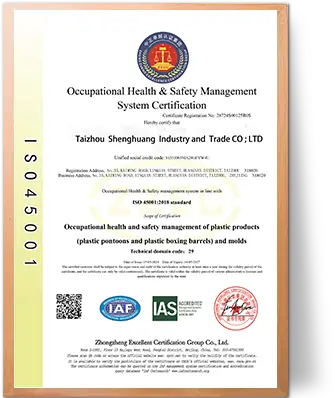
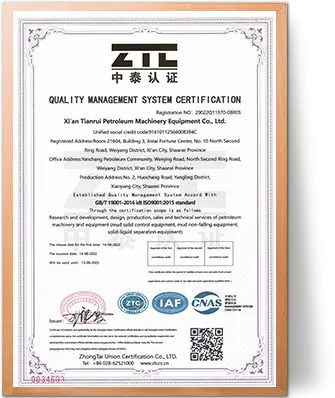

One of Shenghuang's key strengths is its commitment to environmental sustainability.
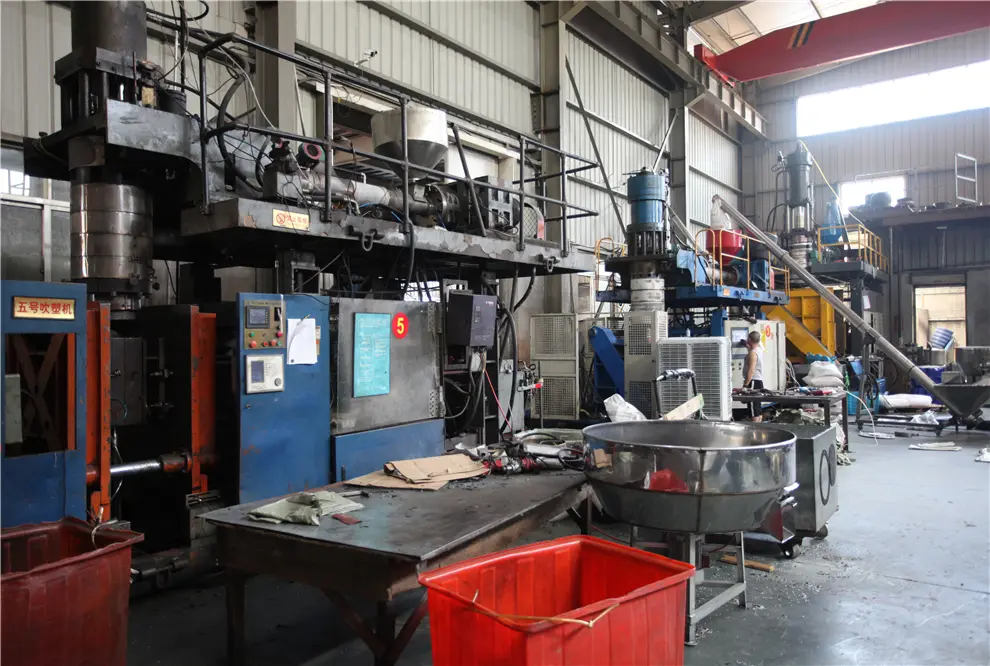
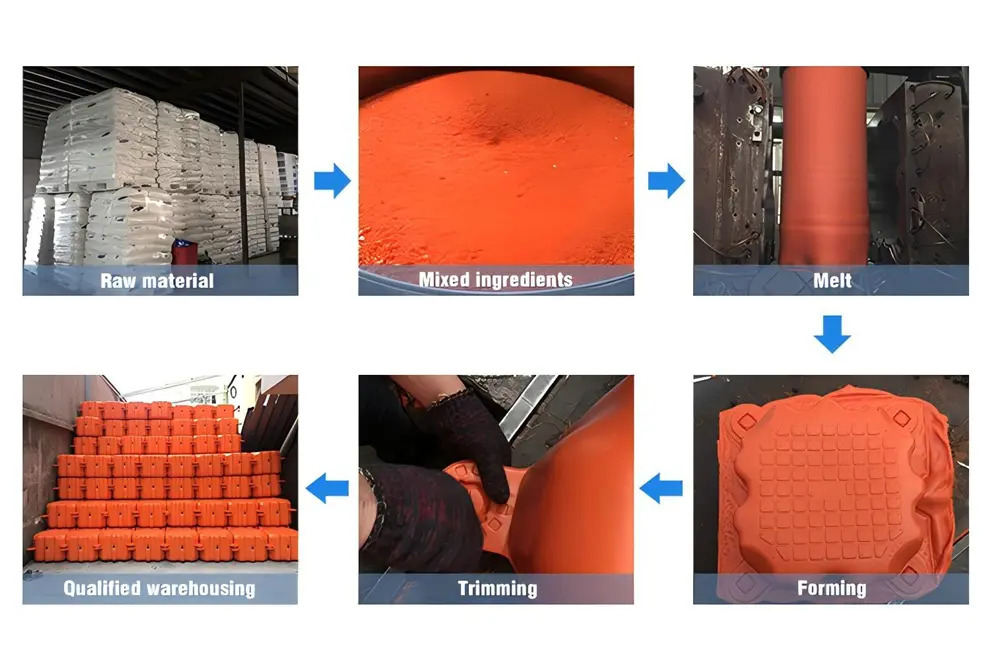
The company actively promotes green manufacturing practices by using recyclable and eco-friendly materials in its production processes. Shenghuang continuously invests in research and development to enhance its products' environmental footprint, reducing waste and energy consumption while ensuring that all products comply with global environmental regulations. As part of its sustainability strategy, the company has also focused on improving material efficiency and adopting energy-saving technologies throughout its production facilities.
In addition to its dedication to sustainability, Shenghuang places a strong emphasis on technological innovation. The company boasts a dedicated R&D team focused on developing new high-performance materials and advanced molding techniques to meet the evolving needs of its customers. This focus on innovation allows Shenghuang to offer a wide variety of customized solutions that are tailored to specific customer requirements, including specialized products for high-performance and industrial applications.
Looking forward, Shenghuang will continue to focus on enhancing its technological capabilities, driving product innovation, and expanding its market presence worldwide. The company aims to lead the industry in both product quality and sustainability, positioning itself as a trusted partner for clients in various industries globally.










As the global market for blow-molded plastic products continues to expand, Shenghuang is strategically positioning itself for growth in international markets. With a commitment to expanding its product offerings and customer base, the company is poised to become a leading global supplier of blow-molded products.
Novosibirsk combines scientific research, transport logistics, river infrastructure, civic development, retail distribution, and a strong sports culture. Each of these clusters creates distinct accessory requirements.
Novosibirsk sits on the Ob River and functions as a major Siberian hub for rail, road, air, education, and research. The city’s scientific ecosystem, including Akademgorodok, supports engineering and materials-intensive industries, while the wider Novosibirsk Oblast presents opportunities in construction, utilities, water management, recreation, aquaculture, retail, and sports equipment. For a supplier, this means demand is not monolithic. A floating dock accessory sold to a marina operator may require different packaging, documentation, and inspection evidence than a boxing sandbag sold to a fitness distributor or a custom blow-molded component supplied to an industrial OEM.
Climate is a decisive local variable. Novosibirsk has a sharply continental climate with long winters, freeze-thaw transitions, snow loads, and strong seasonal swings. Buyers should ask how a product behaves when temperatures fall, how ice and water flow interact with modular systems, and how packaging survives cold-weather transport. Localized support is not a slogan; it is a specification review process.
Modular floating docks, pontoon accessories, buoy components, connectors, and event platforms for Ob River waterfronts, ponds, and seasonal recreation sites.
Sandbags, base systems, and practical load-handling accessories for utilities, emergency planning, construction, and seasonal public-space protection.
Boxing sandbags, adjustable-height bases, and durable training equipment for gyms, sports schools, fitness chains, and equipment distributors.
Blow-molded containers, bottles, custom accessories, and replacement parts for regional distributors and industrial supply programs.
Floating platforms, buoy accessories, and modular structures for water safety, fisheries support, monitoring stations, and environmental projects.
Reconfigurable floating dock layouts for seasonal events, temporary access, water-sports rentals, and public leisure infrastructure.
An accessory program should be designed around material behavior, structural logic, qualification criteria, and factory repeatability—not just a catalog photo.
For Novosibirsk buyers, the most valuable technical roadmap is a staged qualification path. First, define the use case and environment: indoor gym, outdoor marina, seasonal pond, municipal flood response, or industrial packaging. Second, align material and geometry: HDPE grades, UV stabilization, color, wall thickness, insert points, base weight, and modular connection logic. Third, validate the sample against realistic loads and handling. Fourth, freeze the production specification and inspection plan so future batches remain consistent.
Use-case mapping, drawings, color targets, load assumptions, packaging constraints, target market documentation, and Novosibirsk delivery planning.
HDPE selection, UV and color strategy, modular geometry, buoyancy options such as 350kg/m² configurations, base stability, and custom accessory integration.
Dimensional checks, appearance review, load and handling trials, leak and assembly review, packaging drop planning, and batch inspection criteria.
Production scheduling, raw-material batch records, in-process checks, final inspection, carton labeling, container loading, and after-sales feedback loops.
Accessory manufacturing is moving toward stronger material data, modular design libraries, recyclable content planning, digital batch records, and faster customization for regional buyers. For Novosibirsk, the winning suppliers will be those that combine climate-aware engineering with transparent production evidence. The roadmap should be reviewed as a planning framework; final specifications must be validated against each project’s actual water flow, ice exposure, load, installation, and maintenance conditions.
Novosibirsk buyers can reduce total procurement risk by grouping accessories into solution families with shared documentation, packaging, and support logic.
Square, concave-convex, U-shaped, twin, and single floating dock configurations; connectors; buoy accessories; modular walking platforms; and event layouts.
Sandbags, bases, adjustable-height configurations, replacement components, and distributor-ready packaging for fitness, training, and utility use.
Boxing sandbag families in multiple heights and designs, including QJ001, QJ0011, QJ 007, QJ009, and QJ 0010 programs for gyms and retail.
Containers, bottles, custom shells, protective components, OEM parts, and application-specific designs using automated blow molding lines.
Pontoon modules, premium buoy accessories, water-safety components, and modular accessories for rivers, ponds, lakes, and events.
Seasonal platforms, access modules, public recreation accessories, and practical equipment for maintenance, events, and water-edge improvement.
Novosibirsk buyers need more than a product price. They need a supplier who can organize documents, labels, packaging, and communication around Russian import workflows.
Depending on the product type and end use, imports into Russia and the EAEU may require conformity assessment, technical documentation, and product labeling. The exact route should be confirmed with the importer, authorized representative, and customs broker. A responsible factory should support this process with material information, drawings, photos, packing data, model lists, and consistent production records rather than treating compliance as an afterthought.
Commercial invoice, packing list, contract data, product model lists, material notes, certificate of origin support, and transport documentation coordination.
Buyer-supplied label content, carton marks, product codes, barcodes, and handling information can be incorporated into packaging planning where agreed.
Incoterms discussion, container loading, pallet planning, rail/road freight coordination through forwarders, and delivery to buyer-nominated terminals.
Support for EAEU conformity discussions, technical file preparation, and coordination with local authorized representatives where applicable.
Spare-part lists, installation guidance, replacement component planning, batch identification, and claim handling with photos, videos, and records.
Carton strength, moisture protection, strap planning, corner protection, and container-loading methods suitable for long winter transport routes.
| Procurement workstream | What can be prepared | Buyer-side confirmation |
|---|---|---|
| Customs classification | Product descriptions, model data, material composition, packaging dimensions, and photos | Final HS code confirmation with the importer’s customs broker |
| EAEU conformity | Technical documents, test-report coordination, model lists, drawings, and label data | Applicable technical regulation and authorized representative confirmation |
| Commercial terms | Quotation, lead time, MOQ options, sample plan, Incoterms discussion, container loading estimate | Contract, payment terms, destination terminal, and insurance responsibility |
| Quality acceptance | Inspection plan, batch records, pre-shipment photos, packing verification | Acceptance criteria, third-party inspection request, and claim window |
For Novosibirsk distributors, supply-chain resilience is not an abstract concept. It shows up in lead-time consistency, raw-material continuity, carton quality, container utilization, and the ability to recover fast when requirements change.
Shenghuang operates in the Taizhou–Zhejiang manufacturing ecosystem, with access to molds, plastic materials, tooling services, packaging suppliers, and export logistics. Automated blow molding lines improve repeatability for high-volume accessories, while a flexible R&D approach supports custom colors, sizes, and application-specific features. The ISO 9001 quality management system provides a process backbone from raw material procurement to final product testing. For global buyers, that backbone can be translated into supplier audits, pre-shipment checks, and traceable batch discussions.
Resilient accessory sourcing requires planned material routes, stable production slots, disciplined packaging, and clear escalation channels. For mixed orders, the factory can align production sequences so floating dock components, sandbags, bases, and custom blow-molded items ship together when feasible. Buyers should share forecasts early, define acceptance criteria, and nominate inspection requirements before peak season.
Automated lines, standardized molds, reusable packaging designs, and export-loading optimization help reduce waste and hidden logistics cost. The goal is not simply lower unit cost; it is fewer surprises at the Novosibirsk receiving dock. Efficient factories make the total landed program easier to forecast.
The company introduces a large number of staff, sales, talents, and is responsible for customers.
Read MoreThe flexible R & D mechanism can satisfy the highest and specific requirements of customers.
Read MoreWe have professional pre-sale, sale and after-sale team to provide you with high quality service.
Read MoreProfessional buyers compare suppliers against a repeatable RFQ framework. The more complete the input, the faster the quotation and the lower the risk of mismatched expectations.
Model, dimensions, color, target application, water conditions, indoor/outdoor use, and expected service life.
Material grade, load, buoyancy, base weight, assembly method, UV expectations, cold-climate requirements, and marking.
MOQ, annual forecast, sample timing, Incoterms, destination, packaging, labeling, inspection, and payment terms.
HS code proposal, EAEU conformity questions, material reports, Russian labeling, and authorized representative details.
Enterprise buyers expect consistency across batches, clear deviation handling, and documentation that can survive internal audit. They may request third-party inspection, pre-production samples, production photos, packing validation, and a corrective-action process. A factory that can discuss these requirements openly is usually easier to integrate into a Novosibirsk distribution or project procurement system.
They also expect pragmatic communication on logistics. Rail, road, and multimodal routes to Siberia require different planning assumptions from shipments to European Russia. Container loading, pallet dimensions, carton labels, and unloading capabilities at the destination should be reviewed early.
Send Inquiry Now ✉️The original display categories are retained: All, Pontoons, Boxing Sandbag, and Accessories. Images are presented in responsive galleries with original image URLs preserved.
The original gallery sets and links are retained. The unified layout improves mobile readability while preserving the original image URLs and the original All, Pontoons, Boxing Sandbag, and Accessories display structure.
Technical answers, application guidance, and procurement questions for buyers evaluating accessories suppliers and manufacturers serving Novosibirsk.
Floating Dock's modular design and superior quality hold up quite well in a typhoon depending on the installation. Our customers are reporting excellent results for the docks that were hit hand in all the typhoon.
Yes, In the areas where there is not a local dealer presence, we can ship your Floating Dock system directly to you local freight terminal for pickup.
Absolutely, The dock can be left in all year even in salt water. The Floating Dock system is designed to be left in the ice for the winter. The special design of the cube allows the dock to pop up on top of the ice.
The issue when it comes to ice and its affect on the system is water flow. If there is a heavy current or moving ice, the key question to ask yourself is, “When the ice thaws out, does it just dissipate back into the water level or are there large blocks of heavy flow ice moving around that would severely damage stationary docks?” If you answer “Yes” to the first part of the question, you can leave our dock in all year. If you answer “Yes” to the second part of the question, then your next move is as obvious as the ice will tear out and wash away any structure.
The cubes can be used as a floating platform, gangway, finger pier or any other type of customized configuration you so desire. Available walking platform must be at least three cubes wide . The dock is extremely stable to walk on and will support your body weights due to the balanced buoyancy of each cube(which is about 200 lbs).
Yes, you can use the dock anywhere you can drive your crafts. The cubes only draw about 2 to 4 inches of water with the craft off it. The minimum functional water depth is measured at the back of the dock where the drive-on takes place. The dock needs to be able to flex in order to drive on top of it. System is fine at rest on the bottom during low tides. The important thing is that there is enough depth at the stem of the dock to allow the boat to back off.
Our factory start our floating dock business from year 2019, is one of the earliest floating dock manufacturer in China. floating dock is becoming the largest floating dock supplier in China, offer the super quality floating dock products.
Start with the exact use case, water flow, ice exposure, storage conditions, and installation method. Material grade, color, UV package, wall thickness, base design, and packaging should be reviewed together. For high-risk projects, request sample validation and confirm inspection criteria before mass production.
Yes. We can discuss EXW, FOB, CIF, or DAP-style arrangements through buyer-nominated or recommended forwarders. Rail, road, and multimodal routes into Siberia require different lead-time planning, so destination terminal, container loading, and unloading capability should be confirmed during quotation.
Common documents include commercial invoice, packing list, contract data, product model list, material information, certificate of origin support, and transport documents. For EAEU conformity, requirements depend on product type and end use; final confirmation should be made by the importer, authorized representative, and customs broker.
MOQ depends on the product, color, customization level, and packaging requirements. Mixed-product container planning can sometimes improve commercial efficiency. Sampling time also varies by whether the item is an existing model, a color change, or a new tooling project. Send your target specification for a practical assessment.
OEM and ODM discussions can include color targets, carton marks, product labels, photos, model codes, and application-specific packaging. Buyer-supplied artwork and label content should be provided in editable files, with regulatory wording confirmed by the buyer or local specialist.
Quality planning should define raw-material records, in-process checks, appearance criteria, dimensional tolerances, packing verification, and final inspection. Pre-shipment photos, third-party inspection support, and batch identification can be discussed for enterprise programs.
Many accessory programs can combine floating dock components, sandbags, bases, buoy accessories, and custom blow-molded parts. Replacement-part planning should be discussed before order placement so that critical components are identified and future stockouts are reduced.
Send the product link or model, intended use, target quantity, delivery city, required documentation, packaging preference, and any drawings or reference photos. Use the contact page to start the review and receive a tailored response.
This final two-row product gallery preserves the remaining original product URLs and images, giving buyers a compact shortlist for docks, sandbags, bases, buoy accessories, and OEM accessories.
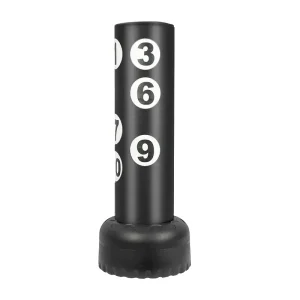
Training Sandbag
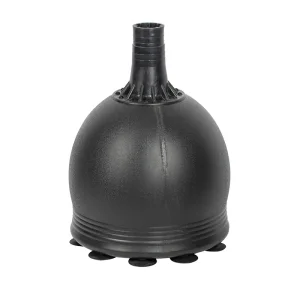
Sandbags & Bases
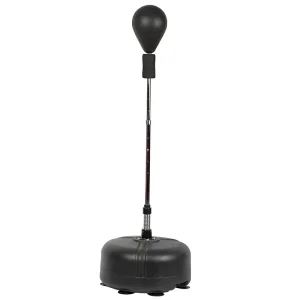
Adjustable Base
 ShengHuang