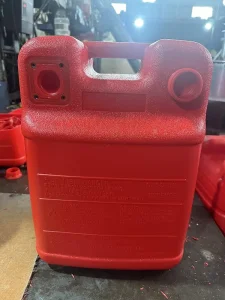
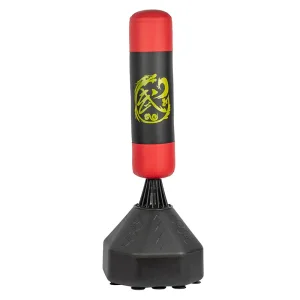
Direct from Zhejiang's manufacturing hub to Almaty, Astana, and Shymkent. Optimized logistics and heavy-duty, low-temperature resistant polymer processing.
An in-depth structural analysis of the supply chains, environmental challenges, and production standardizations powering Central Asia's industrial leap.
Kazakhstan, as the dominant economic engine of Central Asia, is experiencing a major expansion in industrial manufacturing, logistics routing, water resource modernization, and municipal sports construction. Positioned along the vital Belt and Road Initiative (BRI) corridor, the nation bridges Chinese industrial manufacturing powerhouses directly with European and Caspian Sea trade routes.
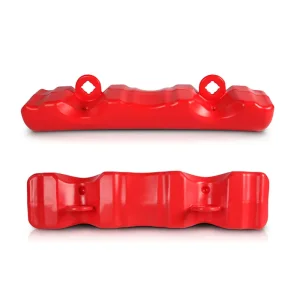
This geographic position has driven immense demand for high-strength polymer components, custom industrial packaging, and modular water storage structures. Our Taizhou-based factory coordinates with contractors in Kazakhstan to supply custom blow-molded industrial parts, cold-resilient HDPE docks for water control reservoirs, and municipal athletic installations. Managing transport corridors like the Khorgos dry port allows us to ensure reliable supply lines for time-critical infrastructure developments.
Extreme Thermal Stability
Recyclable HDPE
Quality Certified
Lifespan under UV exposure
Kazakhstan's climate is characterized by intense seasonal fluctuations, ranging from scorching summer highs of +40°C to freezing winter drops of -40°C. Standard plastic formulations degrade rapidly, cracking under low-temperature stress or deteriorating from high UV exposure on the dry steppes.
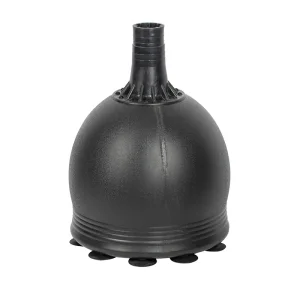
Shenghuang's blow molding facilities solve this challenge by using high-density polyethylene (HMW-HDPE) modified with advanced carbon-black UV stabilizers and impact modifiers. This configuration guarantees long-term material integrity, preventing micro-cracks and material failures in floating platforms, industrial containers, and heavy athletic sandbag bases installed throughout the country.
From the Caspian Sea shoreline to reservoirs near Almaty, seasonal water fluctuations and surface freezing require robust engineering solutions. Traditional stationary metal or concrete docks suffer severe damage during spring ice thaws.
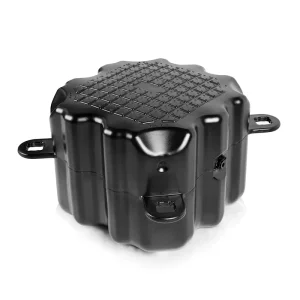
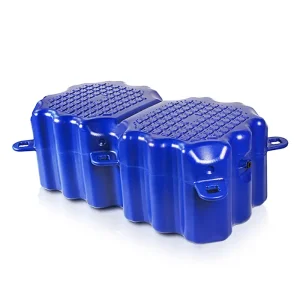
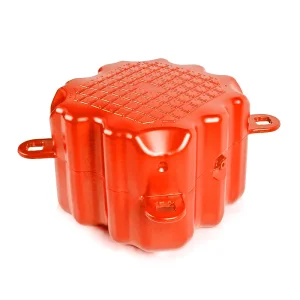
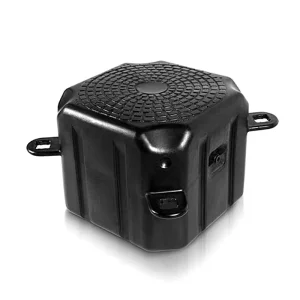
Shenghuang's modular pontoon systems offer a flexible alternative. The high buoyancy (up to 300kg/m²) and elasticity of our HDPE cubes allow the entire structure to rise above shifting ice sheets, mitigating damage and reducing municipal maintenance costs.
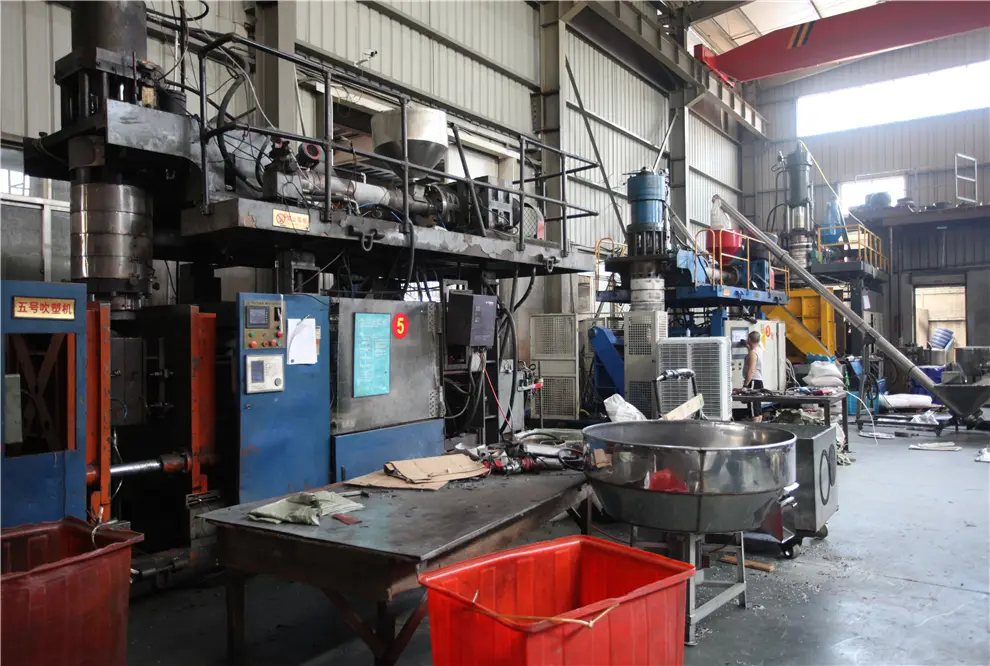
Founded in 2019, Shenghuang is a dedicated innovator in the plastic blow molding sector, headquartered in Huangyan, Taizhou, Zhejiang—the manufacturing and tooling hub of China.
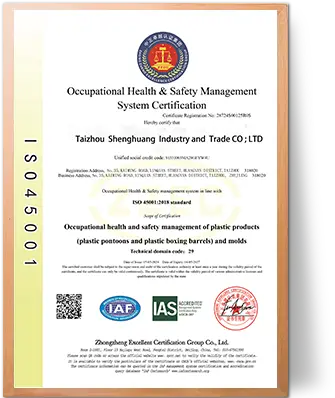
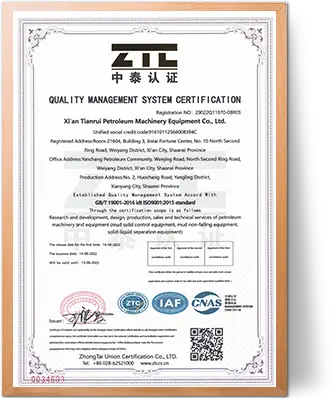
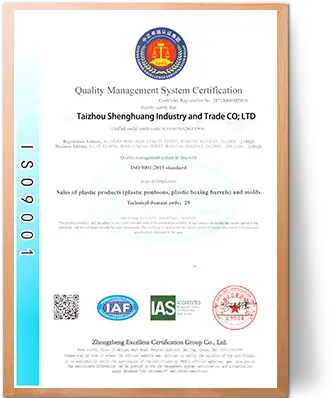
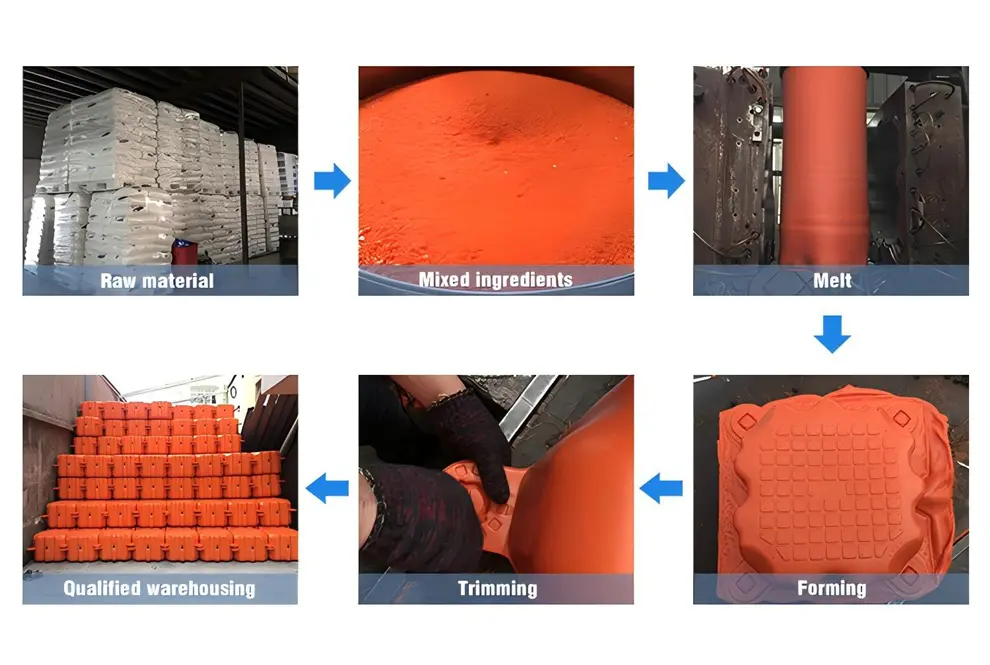
We operate advanced, automated blow molding lines capable of producing high-precision, durable, and cost-effective plastic containers, environmental pontoon modules, specialized automotive components, and custom-designed industrial parts. All raw material sourcing, mold fabrication, and product testing processes strictly follow the ISO 9001:2015 quality standard.






How our specialized polymer products solve practical operational challenges under demanding regional conditions.
Providing reliable liquid storage tanks, chemical transport containers, and high-impact custom HDPE protective housings. Essential for the processing facilities located in the Karaganda and East Kazakhstan mining regions.
Modular HDPE pontoons allow local operators to construct stable, flexible work platforms and fish farm cages. Designed to adapt to rising and falling water levels on Lake Balkhash and the Caspian Sea.
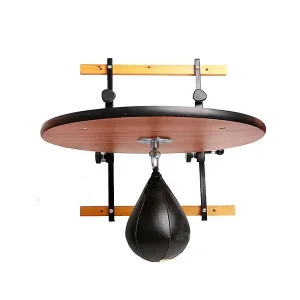
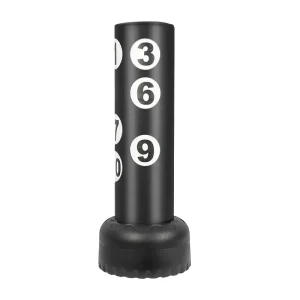
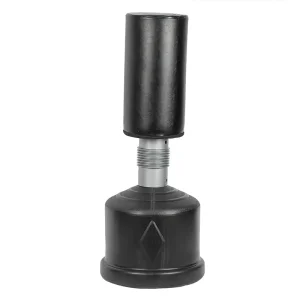
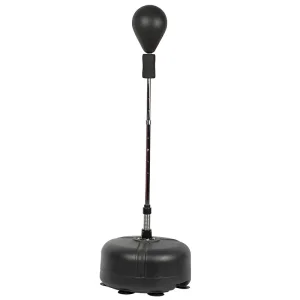
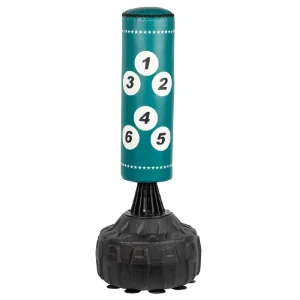
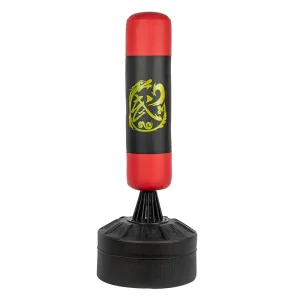
With Kazakhstan's strong tradition in boxing and combat sports, gyms in Almaty and Astana require highly durable training equipment. Our double-stitched leather sandbags with high-stability weighted bases are built to withstand rigorous use in professional facilities.
A selection of our standard products, engineered for reliable field performance and durability.
Ensuring 100% data retention and traceability of our custom blow-molded containment products.
Essential information for purchasing agents, procurement managers, and municipal project leads coordinating shipments into the EAEU.
Floating Dock's modular design and material quality allow it to withstand heavy environmental stress. The flexibility of the individual HDPE cubes absorbs wave energy rather than resisting it rigidly, reducing structural fatigue during storms. For installations in large open water bodies in northern or eastern Kazakhstan, proper anchoring systems must be specified to handle high wind loads.
Yes. For areas without a local dealer, we coordinate factory-direct shipping container loads directly to regional logistics terminals (e.g., Almaty, Astana, or Shymkent hubs) via rail freight. Clients can arrange pickup or final-mile delivery from these hubs.
Yes. The system is designed to handle ice freezing. The shape of each floating module forces the structure upwards when ice closes in, minimizing lateral crushing pressure. However, this is only recommended in calm waters. If there is significant moving ice flow (such as during the spring thaw on fast-flowing rivers), the dock should be disassembled and stored to prevent damage.
For stable walking walkways or fingers, we recommend a minimum width of three cubes (1.5 meters). This configuration provides a balanced distribution of buoyancy, supporting up to 300kg per square meter without significant tipping.
Yes. Empty modules draw only 5 to 10 cm of water. If a water body dries out or experiences low tides, the flat bottom of the modules allows the dock to sit directly on mud or sand. The key requirement is ensuring the water depth at the access end is sufficient to float any incoming boats or vessels.
Long-distance overland transport requires secure and compact packaging. Our modular items are designed to nest tightly inside standard GP and HQ containers. We use high-tensile poly-strapping and protective buffer boards to prevent abrasion and shifting during rail shunting at borders.
We offer custom engineering options for wall thickness (from 2mm to 10mm), specialized thread designs, integrated handholds, and anti-static or high-strength chemical lining options. Our engineering team can work with CAD files or physical samples to design and produce custom production tooling.
 ShengHuang