Engineered solutions for marine stabilization, heavy-duty boxing sandbags, and floating HDPE dock platforms.
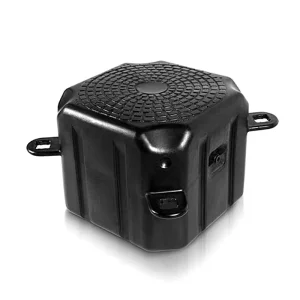
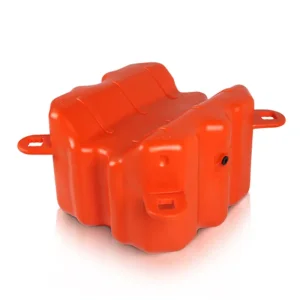
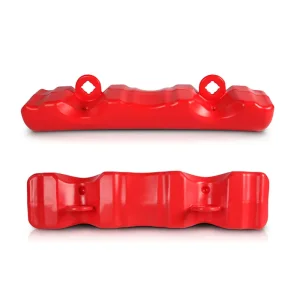
As the global market for recreational watercraft continues its upward trajectory, the challenge of securing personal watercraft (PWCs) like Jet Skis has evolved from a matter of convenience to a high-stakes engineering discipline. Ocean waves, sudden tidal transitions, and relentless UV degradation demand a robust class of high-strength structural solutions. Standard traditional mooring methods are no longer sufficient to protect heavy, modern PWCs from structural impact and friction wear.
OEM factories and global suppliers play a pivotal role in engineering the next generation of modular plastic docks and heavy-duty mooring systems. Leveraging High-Density Polyethylene (HDPE) materials via state-of-the-art blow molding techniques allows manufacturers to produce modular floating cubes that deliver extreme buoyancy, structural resilience, and absolute compatibility with dynamic tidal levels.
By employing advanced stabilization structures, such as customized drive-on docking ports, flexible slide connectors, and multi-layered impact protection designs, marine contractors can significantly reduce kinetic damage during docking phases, ensuring vessel longevity.
Founded in 2019, Shenghuang Industrial & Trade Blow Molding Factory is a leading innovator in the plastic blow molding industry. Located in Huangyan, Taizhou, Zhejiang—an area internationally recognized for its robust tooling and manufacturing infrastructure—the enterprise has rapidly positioned itself as a premier supplier of high-precision blow-molded assets. The company caters to diverse market demands, including packaging solutions, automotive components, environmental applications, and high-performance modular marine structures.
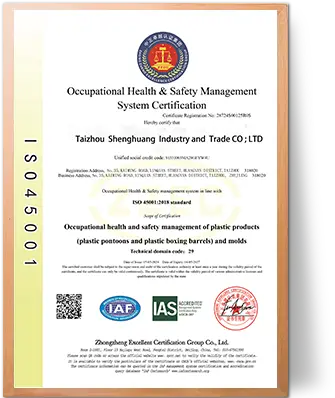
Operating under strict compliance with the ISO 9001 quality management system, Shenghuang ensures that every segment of production—from raw material inspection and polymer rheology assessments to stress test validations—satisfies rigorous international standards. The facility is equipped with automated blow molding lines, optimized to fabricate modular pontoons and safety accessories with uniform wall thickness and structural stability.

Analyzing the international demand drivers, material innovations, and geographic utilization of advanced PWC docking portals.
In regions like the Florida Keys, the Great Lakes, and the Canadian lake districts, floating PWC berths are standard infrastructure. High seasonal wave action requires modular docks that can be easily dismantled or left in freezing winter conditions without cracking.
EU environmental directives demand recyclable dock structures that prevent chemical leaching into marine ecosystems. Highly stabilized HDPE pontoons from verified factories ensure compliance with REACH and RoHS standards.
With islands across Southeast Asia expanding marine resorts, suppliers must provide high-volume orders capable of handling tropical climates and typhoon-level wave action. Modular configurations offer flexibility for rapid marina scaling.
Behind every successful modular floating dock is an array of advanced polymeric choices and structural design paradigms. The molecular weight and physical configuration determine performance limits.
For high-load marine applications, Shenghuang utilizes premium high-molecular-weight HDPE. This specific polymer structure provides high impact resistance, tensile strength, and excellent environmental stress-cracking resistance (ESCR). Chemical resistance protects the structure against gasoline spills, engine oil, and saline oxidation.
Unlike rotomolding, automated blow molding structures allow for faster processing cycles and exceptional wall thickness control. By applying parabolic parison programming, the factory achieves reinforced corners and structurally sound load points. These engineering parameters are crucial for withstanding the concentrated stress points generated by moored jet skis.
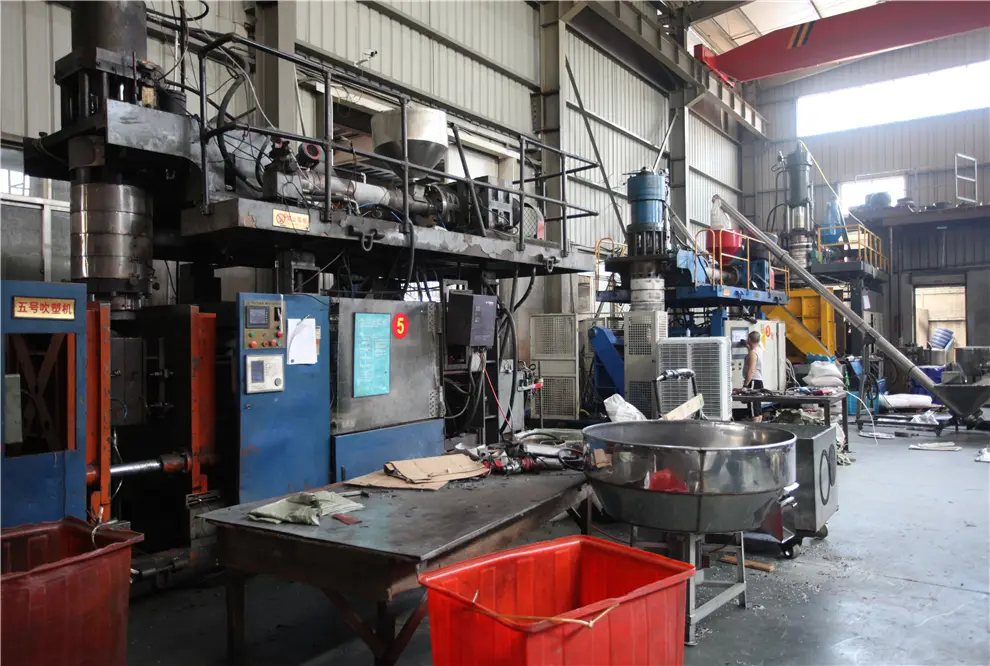
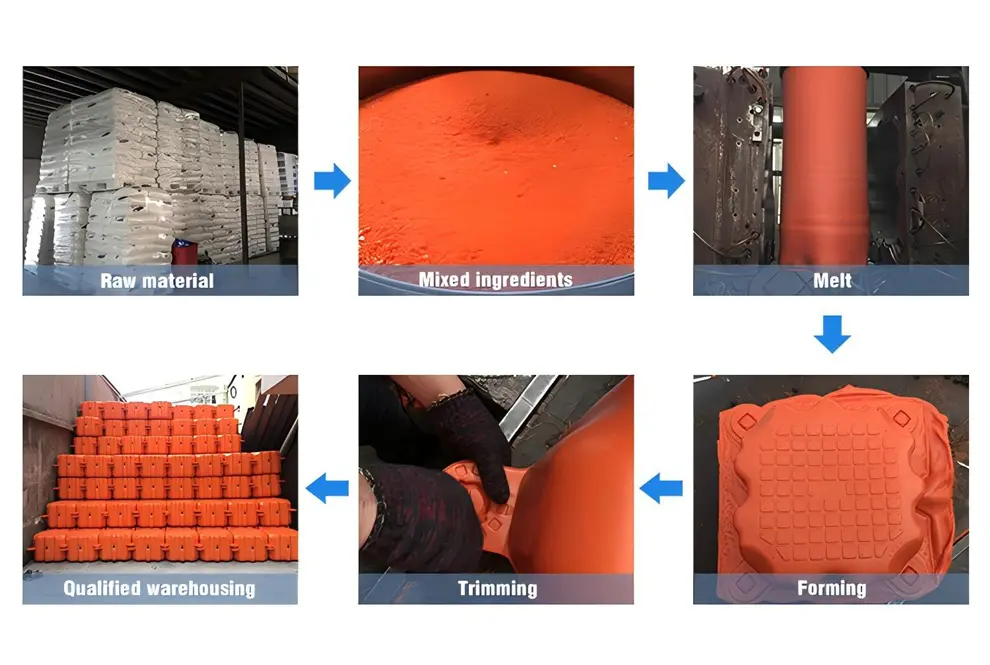
Shenghuang automated manufacturing floor and product testing stages.
All HDPE products are formulated with Hindered Amine Light Stabilizers (HALS). This additive protects the polymer chains from UV photo-oxidation, retaining color and flexibility even under intense sunlight.
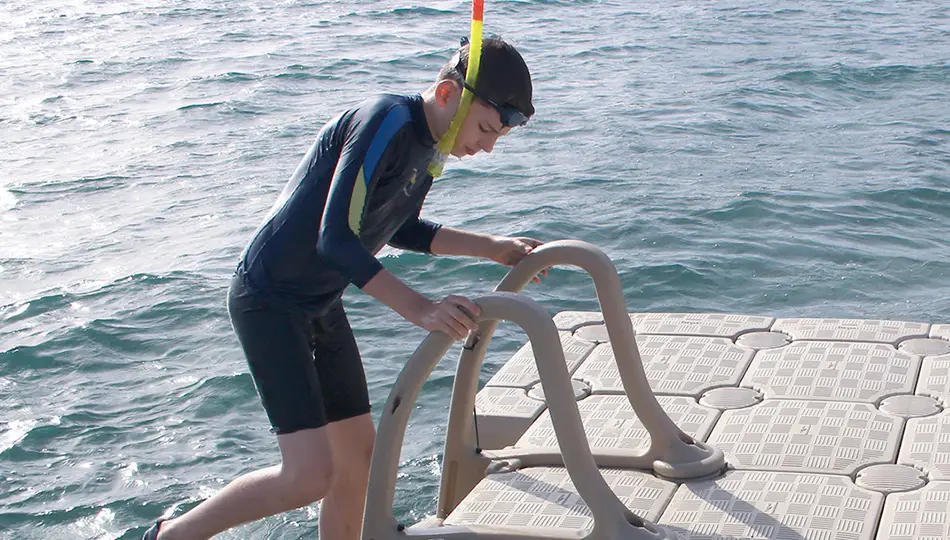
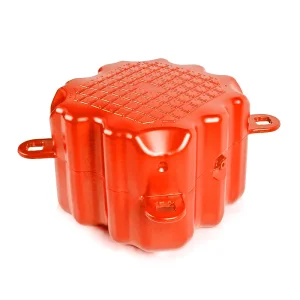
The top surfaces of the modular cubes feature a cross-hatched, anti-slip texture. This provides high traction for boarding or disembarking, preventing water film slips while remaining soft enough to walk on barefoot.
Using structural pins secured by a tool-free locking system, individual cubes distribute shear loads across the entire deck. This mechanism accommodates wave swell and avoids pressure point failures.
Marine environments present distinct geographic challenges. Below are the key scenarios where OEM docking systems excel:
In regions with substantial daily tides, fixed piers put immense stress on mooring ropes. Modular floating docks slide vertically along guide piles, maintaining a constant height relative to the watercraft. This prevents the Jet Ski from hanging or rubbing against hard dock structures.
With draft requirements of only 2 to 4 inches, modular HDPE platforms operate effectively in shallow water channels. When the tide ebbs, the cubes rest safely on sand or mud, returning to float positions once the tide surges back.
Standard solid wood or concrete docks break under heavy storm cycles. Modular blocks flex with wave movements, dissipating wave energy. High-density connections prevent individual sections from tearing apart.
Integrating high-capacity pontoons, boxing training gears, and safe docking architectures into modern resort complexes.
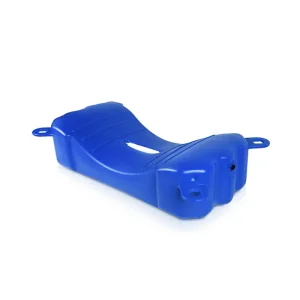
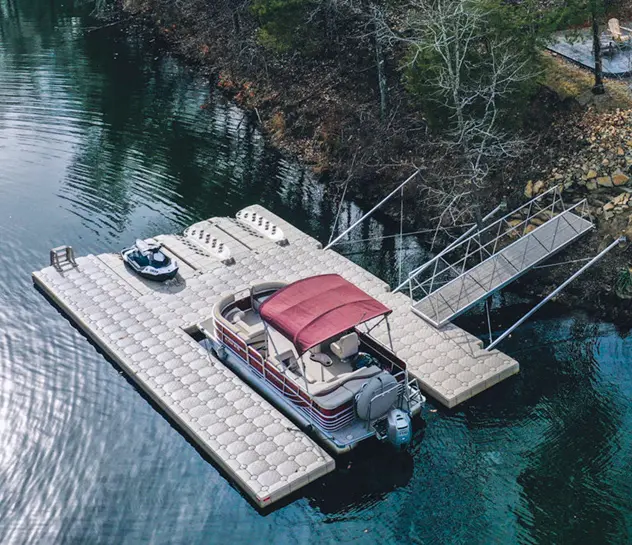
For jet ski fleets, the U-Dock configuration is the industry benchmark. Featuring a sloped slide-on path with optional rollers, PWC operators can transition from water to stable dry-dock using low engine power. The U-channel aligns the hull, preventing lateral roll and keeping the craft high and dry above marine growth.
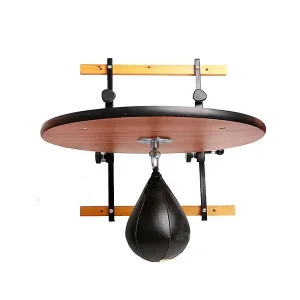
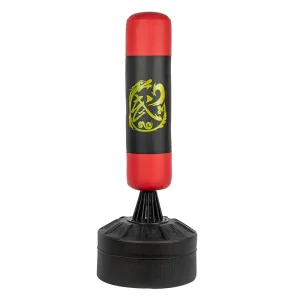
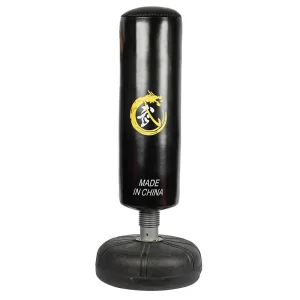
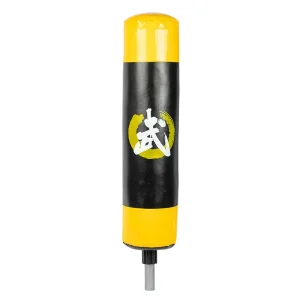
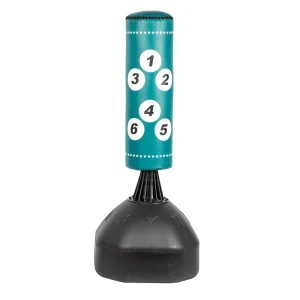
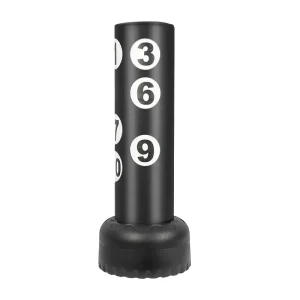
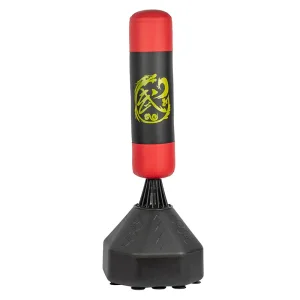
Modern coastal resorts utilize floating platforms for leisure and safety. Combining HDPE docks with dry storage units and aquatic physical training facilities (using heavy-duty boxing sandbags for marine fitness decks) maximizes utility. Shenghuang's custom blow-molded products cover this spectrum, offering robust fitness equipment alongside marine pontoons.
Our core strengths guarantee global buyers reliable delivery, robust designs, and sustainable manufacturing practices.
We employ a large team of sales engineers and product specialists committed to client satisfaction. Our experts translate project blueprints into precise blow-molded marine structures.
Our rapid design feedback loops meet highly specific dimensional requests. We optimize wall thickness, internal ribs, and weight thresholds for complex deployment scenarios.
We use state-of-the-art blow molding machinery combined with eco-friendly and fully recyclable materials to minimize the carbon footprint of our global marine solutions.
Expert insights on floating docks, environmental challenges, and operational configurations.
We supply verified marine contractors, sport gear suppliers, and resort networks globally.





High-durability accessories, custom training equipment, and specialized floating structures from Taizhou's leading blow molding facility.
 ShengHuang