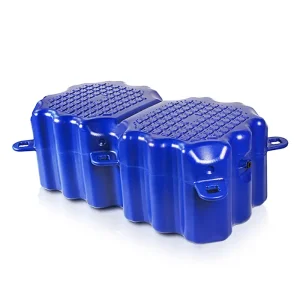
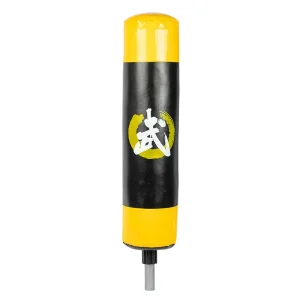
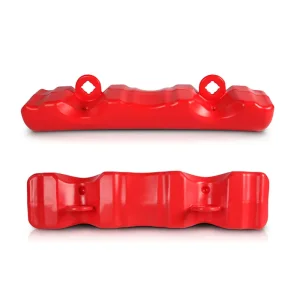
Explore our top-performing OEM and ODM marine docking structures, manufactured with precision high-density polyethylene (HDPE) for peak load capacity and unmatched marine durability.
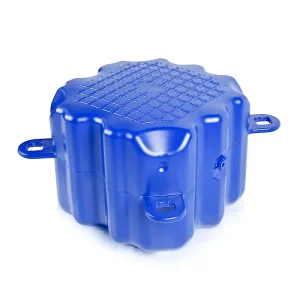
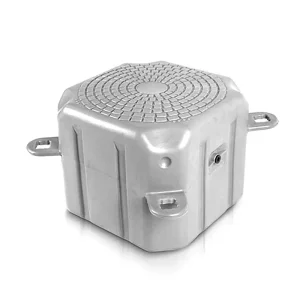
Analyzing the expansion of marine infrastructure, B2B procurement trends, and advanced polymer technologies that dictate modern dry-dock design.
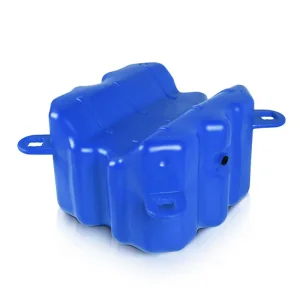
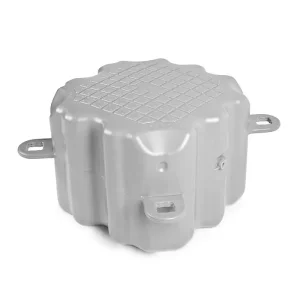
In municipal and upscale marina developments, the maximization of slips per square meter is essential for high yield. Standard wet slips limit space utility and leave marine vessels exposed to hull fouling, dynamic wave impact, and electrolysis. Modular, portable PWC docks provide a cost-effective, zero-power alternative. By shifting the craft out of the water, commercial operators reduce the wear on their fleets by up to 40%, cutting back on anti-fouling maintenance and retaining hull integrity. This makes rapid-deployment pontoon cubes the premier choice for commercial rental yards, luxury resorts, and high-density municipal waterways.
Traditional wood, concrete, and heavy steel docks require severe capital expenditure and constant structural upkeep. High-Density Polyethylene (HDPE) processed via high-pressure blow molding has emerged as the premier structural polymer. Boasting superior environmental stress-cracking resistance (ESCR) and tensile strength, HDPE modular components do not rot, rust, or degrade under extreme ultraviolet exposure. From an economic standpoint, the total cost of ownership (TCO) of HDPE modular platforms is 70% lower than traditional timber over a 15-year lifecycle. This has positioned HDPE docks as the global standard for modern, green marine infrastructure.
Industrial Leader in Precision Plastic Blow Molding & Modular Marine Infrastructure Systems (Zhejiang, China)
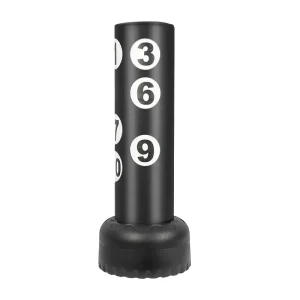
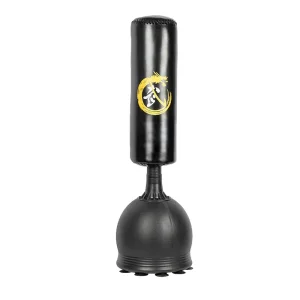
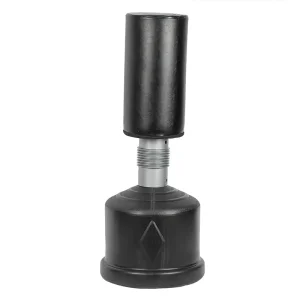
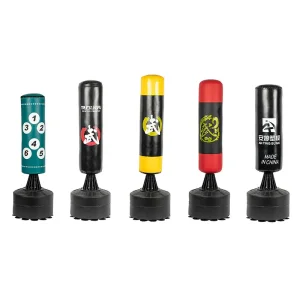
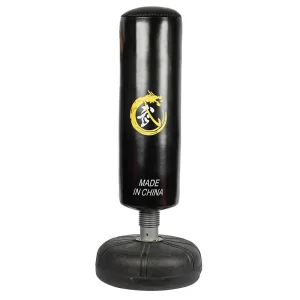
Shenghuang Industrial & Trade Blow Molding Factory, founded in 2019, is a leading innovator in the plastic blow molding industry. With its headquarters located in Huangyan, Taizhou, Zhejiang—an area globally recognized as the "Mold Capital of China"—the company has rapidly matured into a tier-1 supplier of heavy-duty, high-performance blow-molded products. Shenghuang's engineering footprint spans across key vertical sectors including specialized marine packaging, automotive structural components, durable sporting goods (such as training sandbags), and eco-friendly modular floating pontoon platforms.


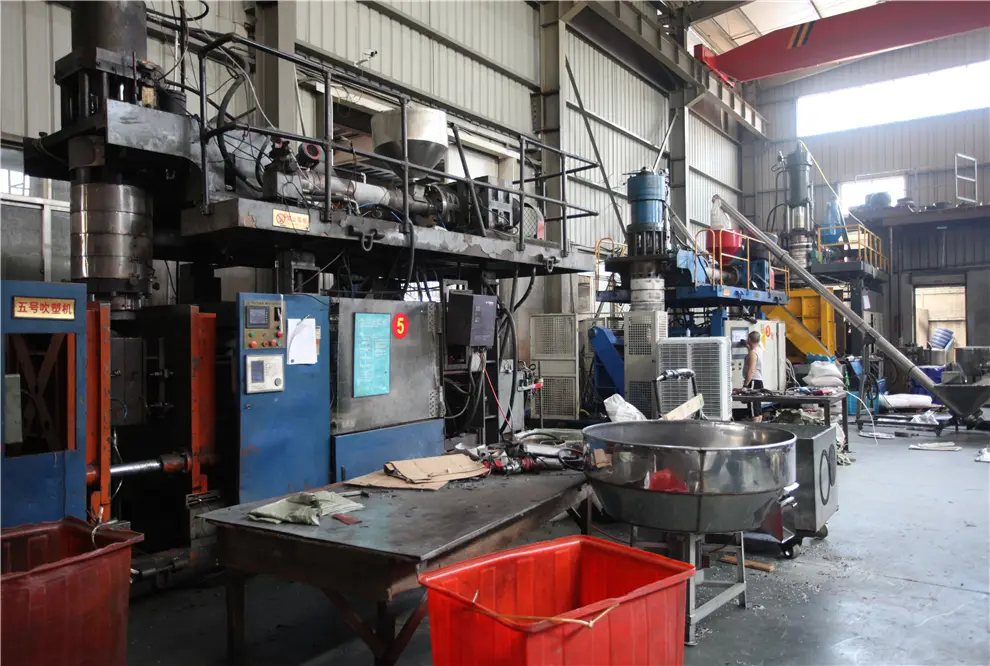
By leveraging Huangyan's highly integrated tooling supply chain, Shenghuang drastically reduces the timeframe between prototype conceptualization and mass commercial manufacturing. Whether you require bespoke dimensions for custom PWC drive-on docks, specialized dock accessories, or OEM boxing sandbags, our engineering teams construct high-precision steel molds that guarantee perfect dimensional stability. This streamlined setup allows international buyers to source custom designs with competitive margins and minimal lead times.
High-Precision Blow Molding, Eco-Friendly Production, and Complete Operational Reliability
Our flexible research and development mechanism satisfies the highest technical specifications. We design with advanced CAD tools to engineer customized buoyancy, specialized load points, and custom interlocking systems.
Commitment to sustainability is central to our operations. We use only food-grade, 100% recyclable HDPE, applying low-emission thermo-processing that minimizes carbon footprint while complying with global environmental laws.
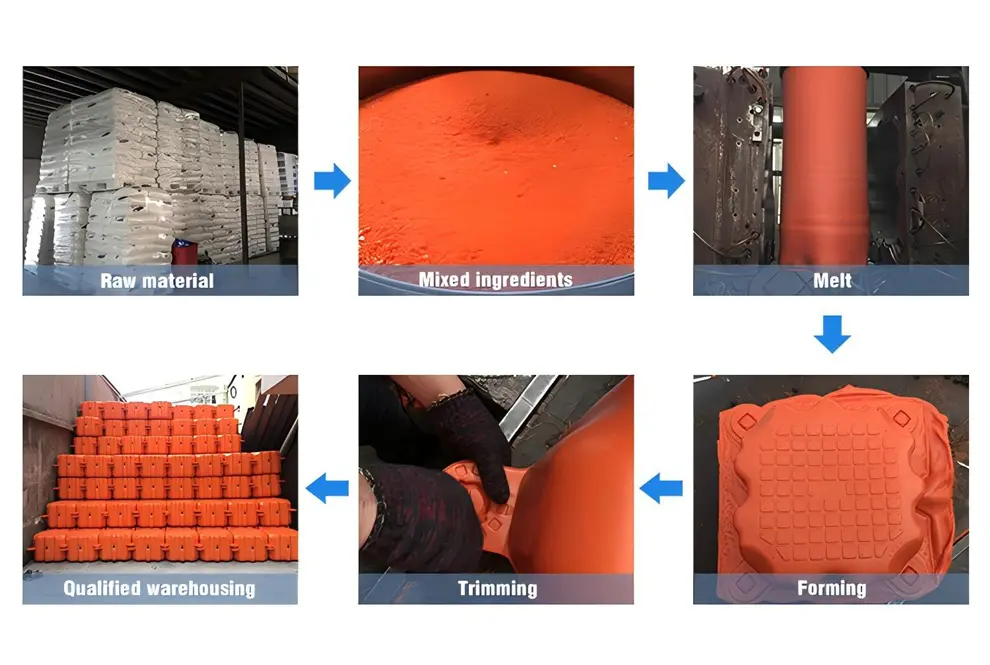
Our large-scale automated blow molding lines deliver massive daily outputs of uniform wall-thickness cubes. This high throughput ensures reliable shipping timelines and scale-driven price advantages for large-volume distributors.
Situated near the major container shipping hubs of Ningbo and Shanghai, we handle large volume freight with ease, shipping custom-configured dock systems directly to local cargo hubs worldwide.
From residential waterfronts to complex industrial and military projects, modular docks provide versatile, adaptive solutions.
Marinas located in tropical regions face seasonal typhoons, hurricanes, and severe wave surges. Standard concrete and timber piles are highly vulnerable to catastrophic stress shear. In contrast, Shenghuang modular HDPE docks distribute hydro-dynamic energy throughout their modular chain. The flexibility of individual interlocking connector pins allows the entire deck to move in sync with waves, dampening physical strain. When anchored correctly with dynamic self-adjusting pile guides or flexible mooring systems, our modular configurations withstand force-12 storms with minimal damage.
In wetlands, national parks, and shallow lakes, installing permanent pilings is often prohibited due to environmental protection laws. Modular dry docks draw only 2 to 4 inches of water under light load conditions. When the tide goes out, the system rests flat on the mud bed, and rises again as water levels return, without disrupting benthic life. The chemical-free nature of virgin HDPE ensures that no toxic residue or micro-plastics leach into sensitive ecosystems, fulfilling strict EPA and REACH criteria.
Shenghuang partners with leading commercial entities and maritime distributors worldwide. Our modular platforms are integrated into diverse settings, from high-traffic commercial resorts to naval logistics stations.








Technical guidance, winterization steps, and design parameters for commercial marine projects.
Our modular HDPE pontoons serve diverse applications, from large-scale aquaculture infrastructure to heavy industrial floating platforms.
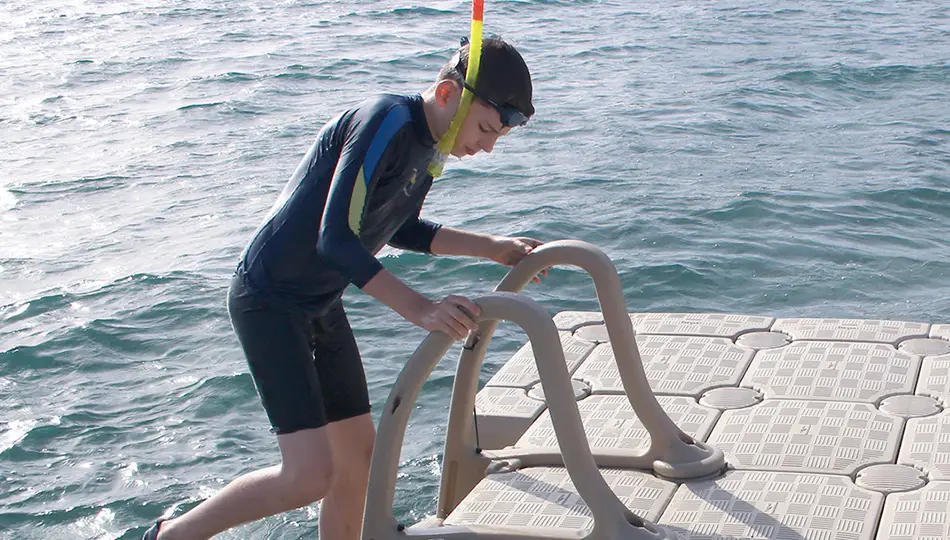

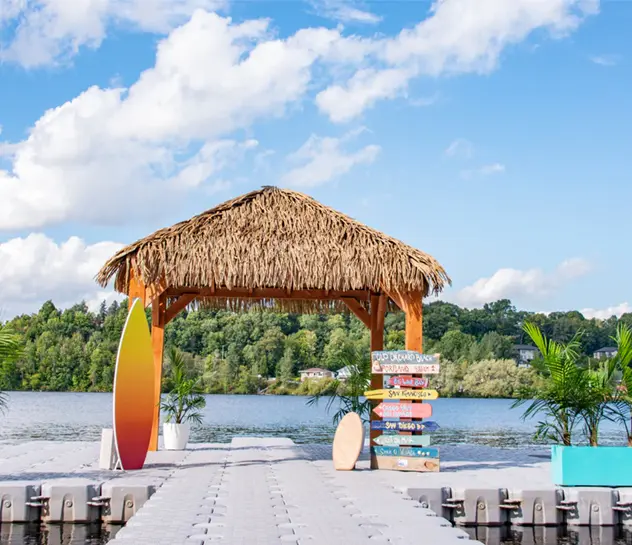
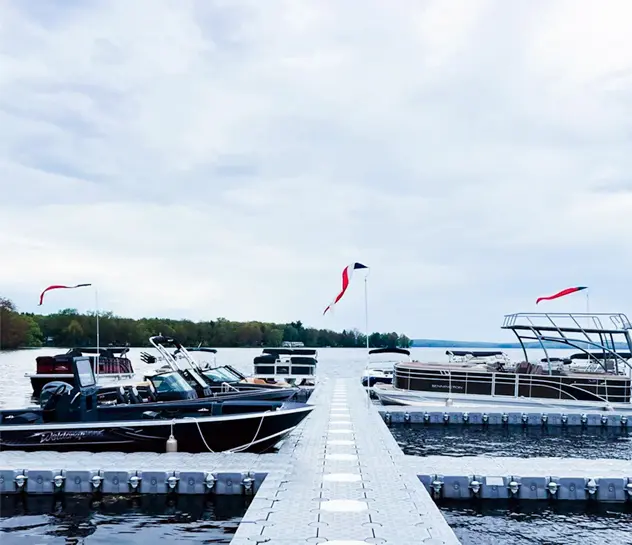
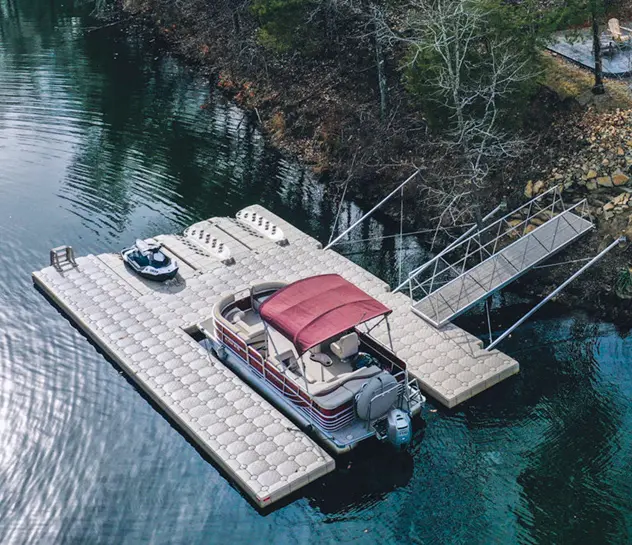
From modular floats and anchor kits to heavy-duty training equipment, discover our certified, direct-from-factory catalog.
 ShengHuang