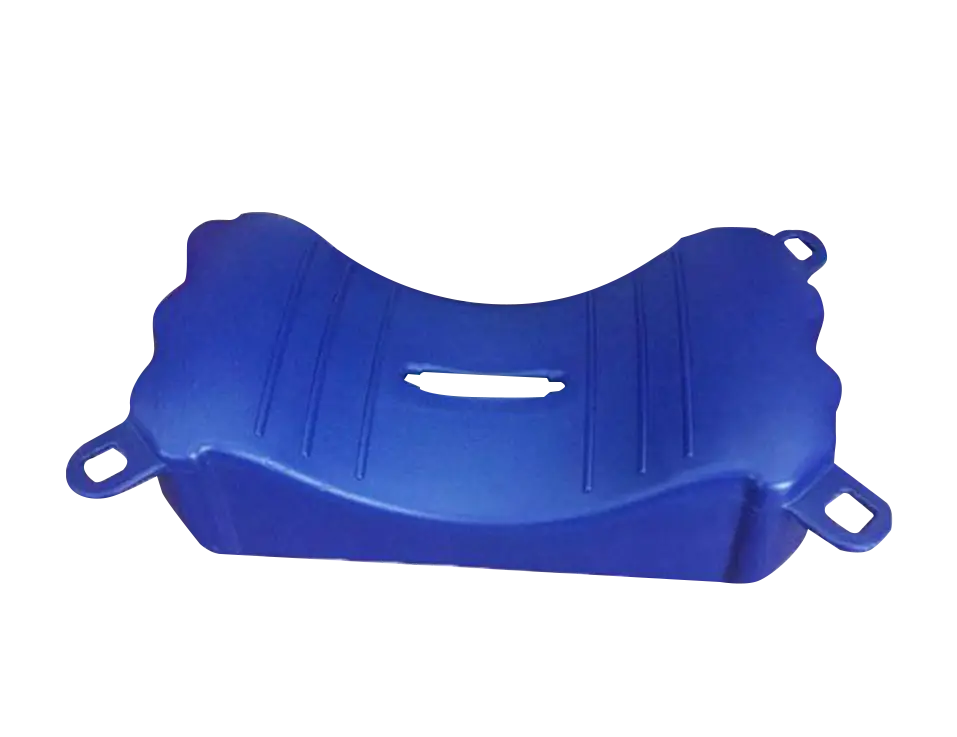
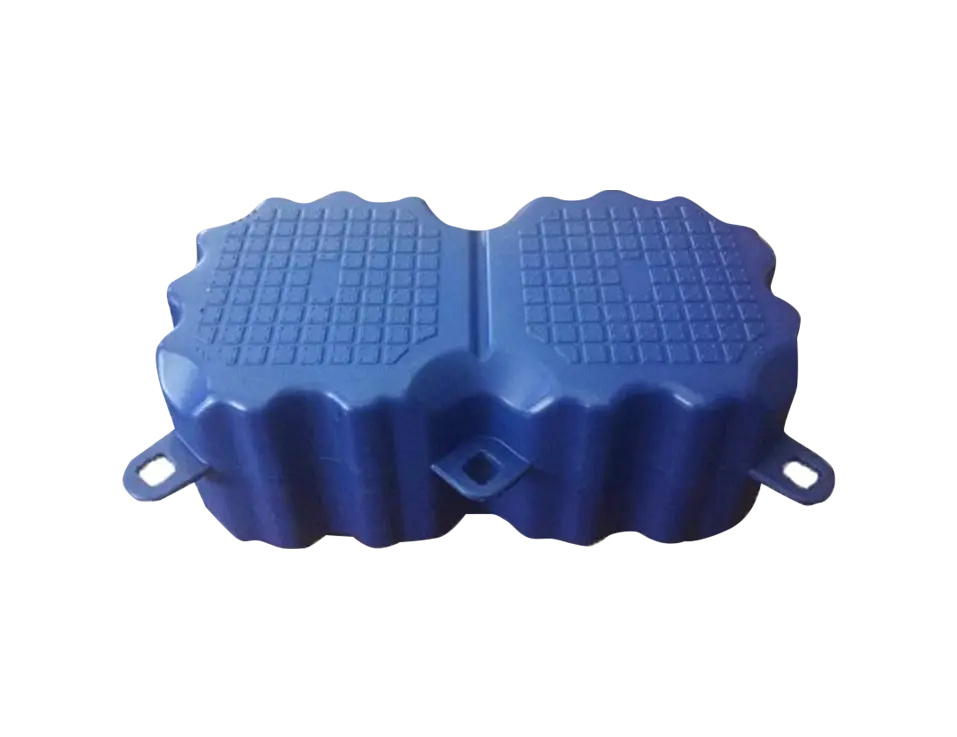
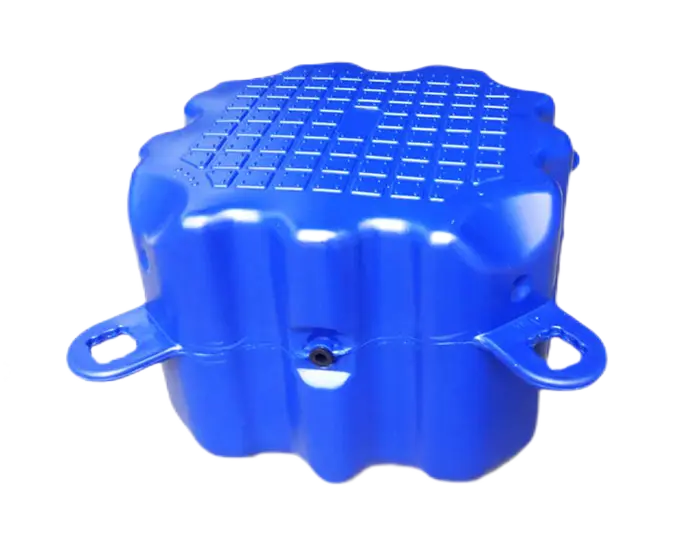
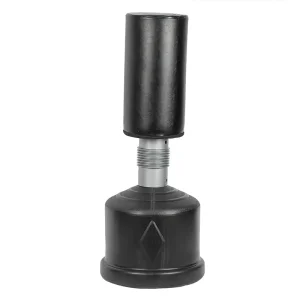
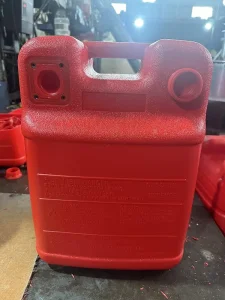
Premium high-buoyancy marine structures and heavy-duty structural training bases direct from Taizhou manufacturing hub
Analyzing structural dynamics, material integrity, and macro-engineering benefits of HDPE marine platforms
Historically, marine construction and temporary near-shore operations relied heavily on wooden piles, steel pontoons, or heavy concrete floating assemblies. While these legacy methodologies offered high structural rigidity, they presented extreme vulnerabilities. High corrosive rates in saltwater conditions, structural decay from biological factors, and complex assembly processes led to unsustainable maintenance expenditures.
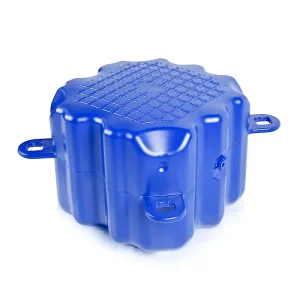
The development of modern Modular Floating Work Platforms represents a massive engineering transition. High-Density Polyethylene (HDPE) manufactured via specialized extrusion blow molding techniques has effectively solved these operational pain points. These platforms provide structural longevity, resistance to chemical solvents, and unparalleled flexibility. By utilizing independent modular cubes interconnected with heavy-duty interlocking pins, modern floating platforms dissipate hydrodynamic forces (including tidal currents and wave impacts) rather than resisting them rigidly, mitigating the risk of structural failure during offshore operations.
"Engineered modular floating platforms transform marine operational dynamics. By substituting rigid structures with flexible, high-density polyethylene interlocking matrices, project managers can achieve exceptional load performance while reducing installation timelines by up to 80%."
At the core of Shenghuang Industrial & Trade Blow Molding Factory’s design process is a deep focus on material composition. Our platforms utilize medical/industrial-grade High-Density Polyethylene (HDPE) enriched with custom-formulated anti-oxidative agents and UV-resistant compounds (specifically UV15+ rating).
This exact chemical composition ensures that the polymer chains resist photo-degradation under persistent solar radiation. Standard plastics dry out, become brittle, and crack when exposed to extreme marine sunlight. Shenghuang's advanced material remains flexible and retains its full tensile strength, resisting impact damages even in extreme environments ranging from freezing sub-zero conditions up to 80°C. Furthermore, the material is entirely non-toxic and inert, preventing heavy metals or environmental toxins from leaching into fragile marine ecosystems, satisfying strict environmental regulatory bodies worldwide.
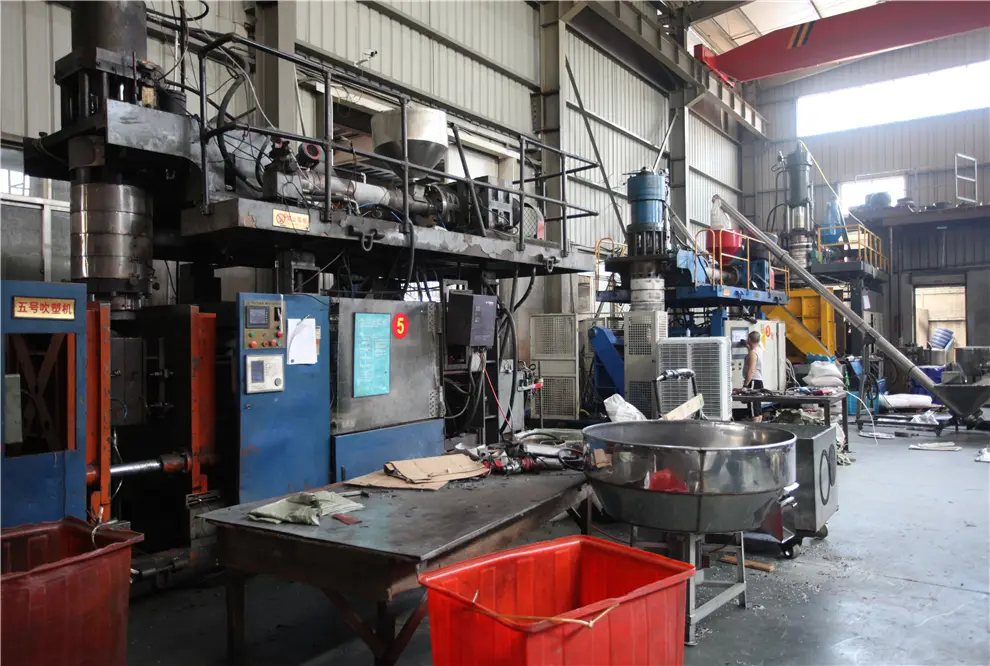
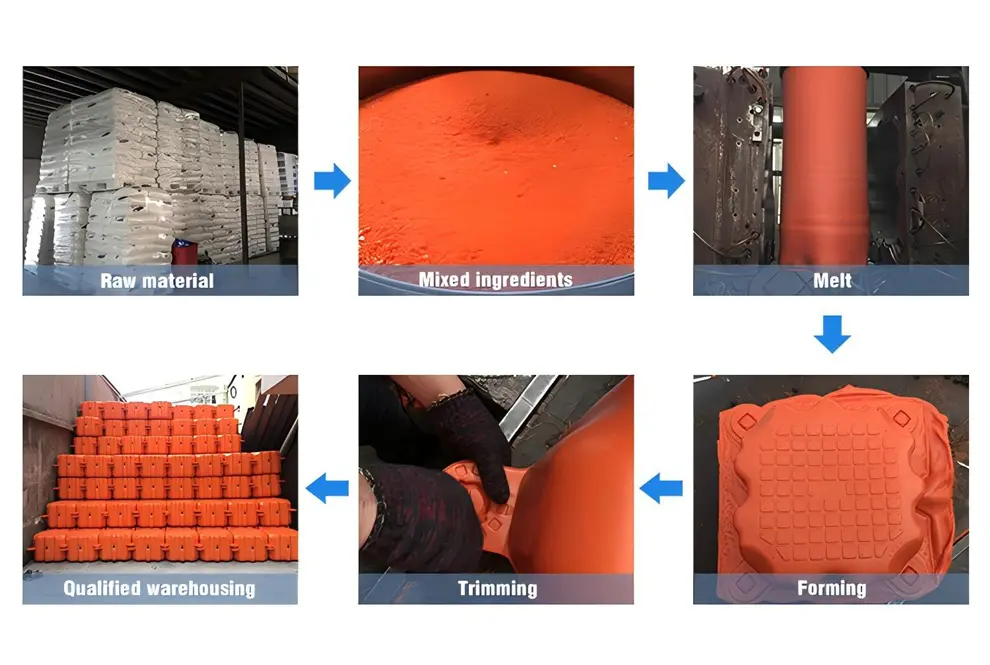
Shenghuang Industrial & Trade Blow Molding Factory, established in 2019 in Huangyan, Taizhou, Zhejiang, is at the forefront of automated blow molding infrastructure. By utilizing high-volume automated parison-extrusion blow molding systems, the factory ensures a uniform wall thickness across all modular shapes, particularly at the structural corners and radii where stresses concentrate.
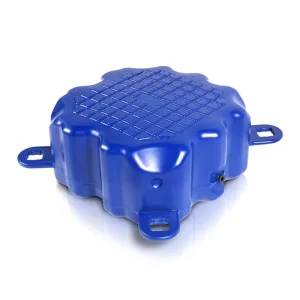
Traditional injection molding can leave micro-seams that crack under shear stress. Extrusion blow molding, conversely, produces a unified, hollow, seamless body with exceptional compressive resistance. Our concave-convex surface patterns are molded directly into the top layer of each cube, creating an anti-slip texture that maintains grip under muddy, oily, or icy operating conditions, maximizing technician safety.
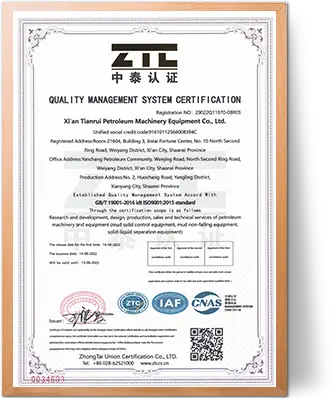
ISO 9001 certified manufacturing, combining automated production with strict environmental auditing
Founded in 2019, our factory is located in Huangyan, Taizhou, Zhejiang—the absolute epicenter of advanced plastic mold engineering in China. Our automated production lines operate 24/7 to deliver high-precision pontoons, heavy-duty automotive components, safety-compliant packaging containers, and custom-designed base systems. Under rigorous ISO 9001 quality management structures, every production batch undergoes pressure testing, drop analysis, and UV resistance audits.


Engineered modular configurations for heavy industrial, municipal, and commercial marine projects
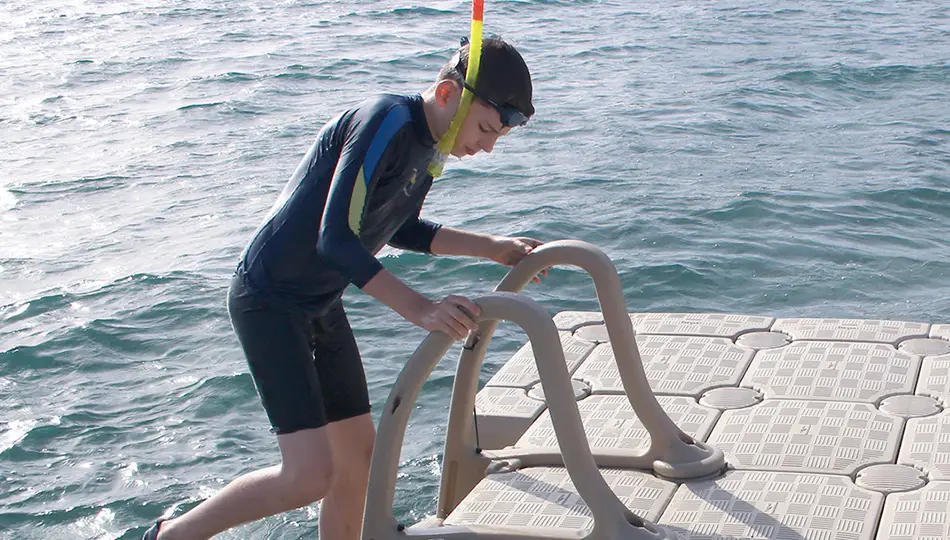


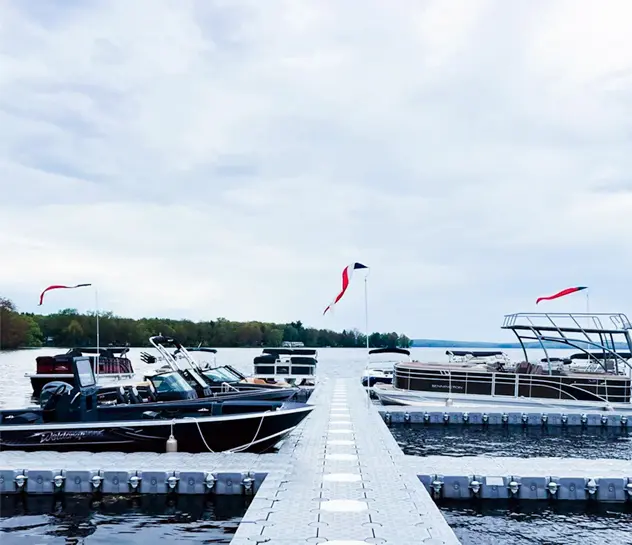
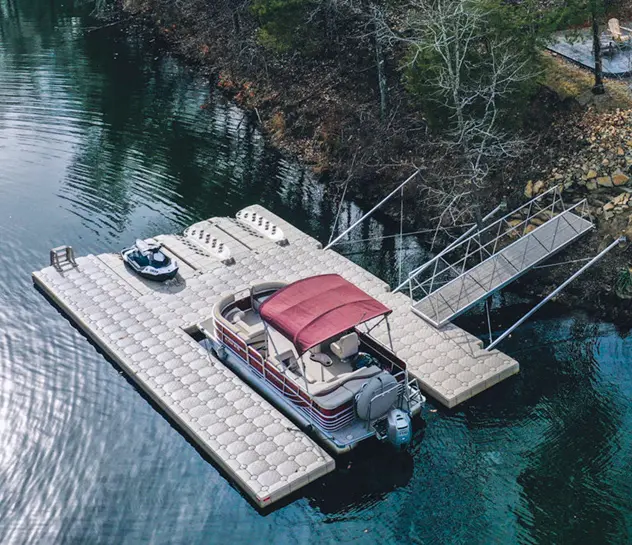
Our engineering R&D team designs customized modular structures tailored to specific wave dynamics and target load ratings.
The dynamic buoyancy behavior of our modular floating work platforms relies on independent compartmentalized floating cells. A single-layer standard cube configuration offers a buoyancy rating of approximately 350 kg/㎡. When subjected to highly localized structural loads, the surrounding interlocked cubes act in unison, transferring the downward forces laterally across the entire platform array.
If a single cube sustains external mechanical damage and punctures, only that individual cell fills with water (losing its buoyancy). The surrounding matrix maintains structural stability, preventing catastrophic capsizing or tilting. For heavy industrial operations—such as supporting marine excavators, structural drilling rigs, or heavy generators—multi-layered pontoon configurations can be stacked and pinned, increasing load capacities proportionally.
Procuring industrial float systems requires strict attention to logistics and deployment speed. Traditional pre-assembled structures incur high ocean freight rates due to their bulky nature. Shenghuang’s modular cubes are designed to nest efficiently, packing compactly into standard 40ft High Cube (HQ) shipping containers, drastically lowering transit costs.
On-site, the toolless interlocking system allows small teams to construct massive platforms without heavy marine cranes. Rapid deployment is particularly beneficial for emergency disaster response, temporary military pontoon bridge building, and municipal maintenance projects.
Our technology roadmap includes integrating IoT structural monitoring sensors directly inside the modular cavities. These sensors transmit real-time telemetry—including internal air pressure, localized structural stresses, water temperatures, and anchoring load variations—allowing engineers to monitor platform health remotely and predict maintenance needs before structural failures occur.
Why Choose Us: Shenghuang Industrial & Trade Blow Molding Factory combines eco-friendly, recyclable materials with advanced R&D and rapid prototyping, delivering reliable marine structures and weighted base configurations globally.
Collaborating with leading global marine contractors, aquaculture firms, and industrial distributors










Pre-configured modular units for direct industrial marine applications
Operational frameworks ensuring safety, durability, and customer service
We recruit and train top-tier plastic engineers, chemists, and sales personnel committed to client success.
Read MoreOur flexible engineering team works directly with clients to design customized floating matrices.
Read MoreWe utilize energy-efficient machinery and recyclable plastics to minimize our carbon footprint.
Read MoreOur multilingual customer support teams provide pre-sale consulting, installation assistance, and long-term warranties.
Read MoreHDPE floating modules, marine storage, and OEM base structures for international distributors
Detailed engineering guidelines and operational advice for modular pontoon configurations
Floating Dock's modular design and superior material quality hold up quite well in a typhoon depending on the installation. The flexible interlocking pins allow the platform to roll with wave energy instead of breaking. Our customers report excellent results for docks hit directly by major storms and high wave surges.
Yes. In areas where there is no local dealer, we can ship your modular Floating Dock system directly to your local freight terminal for convenient pickup or arrange direct delivery to your construction site.
Absolutely. The dock can remain in the water year-round, even in saltwater environments. The Floating Dock system is designed to handle winter ice; the unique shape and tapered profile of the modular cubes allow the dock to slide up and rest on top of shifting ice sheets.
The main concern with ice is water flow and movement. If the water freezes statically, the dock handles the pressure without damage. However, if there are heavy currents or large blocks of moving ice that would damage stationary wooden or metal docks, we recommend removing the modular structure for the winter to prevent it from washing away.
While the cubes can be used to assemble custom platforms, gangways, or fingers, we recommend a minimum width of three cubes (approx. 1.5 meters) for a stable walking platform. This setup distributes weight evenly and provides a steady surface that easily supports multiple users.
Yes. The cubes draw only 2 to 4 inches (5 to 10 cm) of water when unloaded. The platform can safely rest on the soft seabed or river floor during low tide, provided there are no sharp rocks that could puncture the polymer shell.
Our factory began manufacturing modular floating dock systems in 2019. We have grown to become a leading supplier in China, combining advanced blow molding processes with strict quality control to serve clients globally.
 ShengHuang