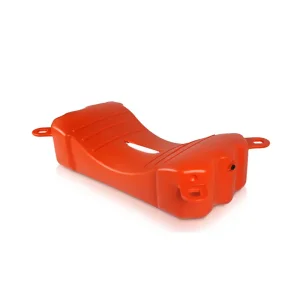
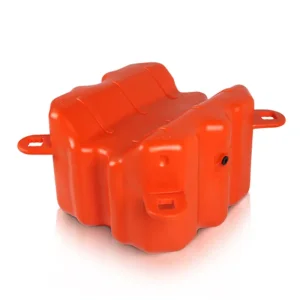
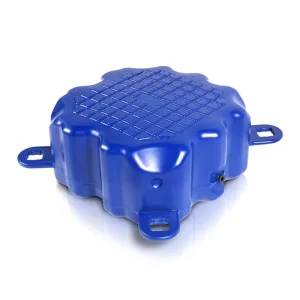
Engineered HDPE platforms and specialized blow-molded industrial solutions for international engineering projects.
When engineering marine infrastructure, calculating a realistic OEM jetty cost requires analyzing multiple key parameters. The primary cost factors of modular floating docks and custom marine platforms involve high-molecular-weight polymers, advanced industrial blow molding, and strategic global logistics. As a leading manufacturer, we optimize cost structures at the source to ensure our global clients achieve superior performance metrics.
Traditional fixed concrete and wooden jetties involve significant labor, piling equipment, and environmental permit expenses. Conversely, modular High-Density Polyethylene (HDPE) systems reduce installation overheads by up to 70%. The total cost efficiency of our systems depends on the following components:
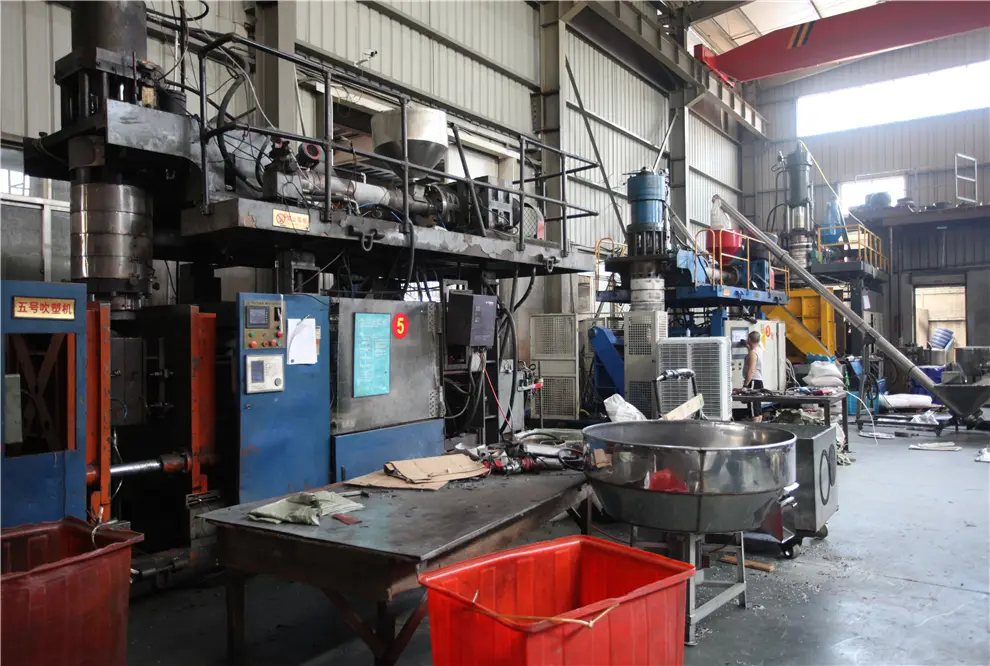
Founded in 2019, Shenghuang Industrial & Trade Blow Molding Factory is a leading innovator in the plastic blow molding industry. Located in Huangyan, Taizhou, Zhejiang—an area known for its robust manufacturing infrastructure—the company has quickly grown into a trusted supplier of high-quality blow-molded products across multiple sectors, including packaging, automotive parts, household appliances, and environmental applications.
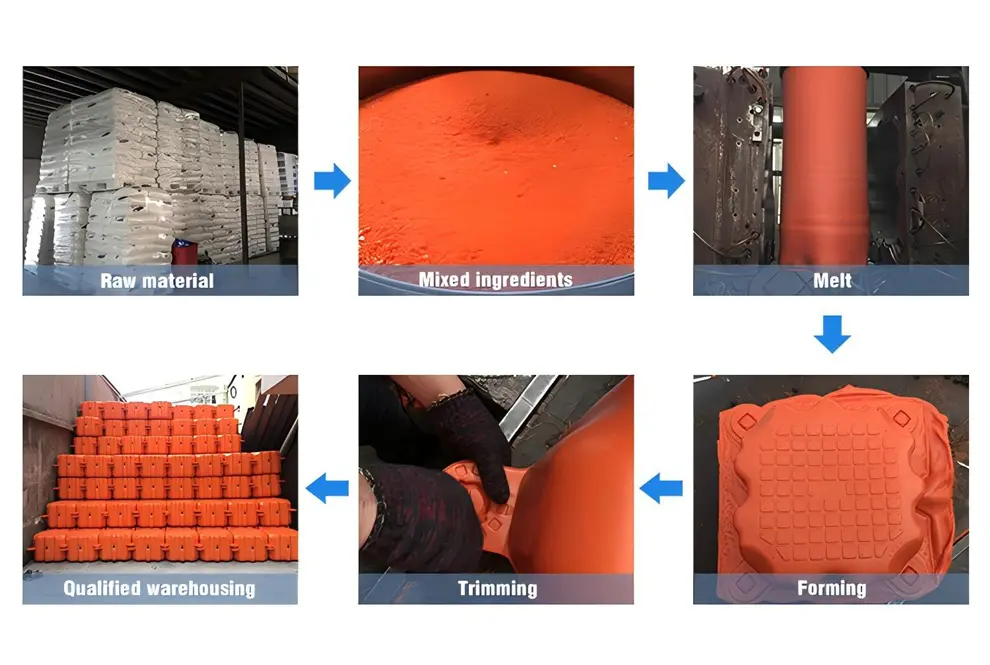
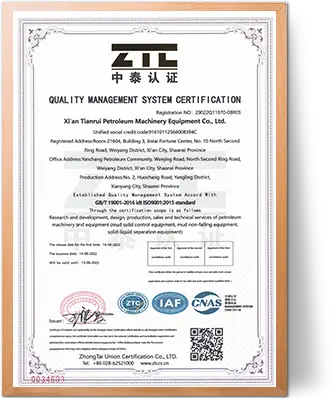
The factory is equipped with state-of-the-art automated blow molding production lines, which allow Shenghuang to efficiently produce a wide range of plastic products, such as plastic containers, bottles, pontoons, automotive parts, and custom-designed solutions. These advanced production lines ensure that Shenghuang can meet the growing demand for high-precision, durable, and cost-effective plastic products. The company adheres strictly to the ISO 9001 quality management system, ensuring that every stage of production—from raw material procurement to final product testing—meets stringent quality standards.
One of Shenghuang's key strengths is its commitment to environmental sustainability. The company actively promotes green manufacturing practices by using recyclable and eco-friendly materials in its production processes. Shenghuang continuously invests in research and development to enhance its products' environmental footprint, reducing waste and energy consumption while ensuring that all products comply with global environmental regulations. As part of its sustainability strategy, the company has also focused on improving material efficiency and adopting energy-saving technologies throughout its production facilities.


Navigating the complex specifications and design factors required by industrial marine projects.
For commercial projects, procuring a floating platform requires balancing upfront acquisition costs with the overall lifecycle expense. Marine engineering projects require systems that can withstand UV exposure, chemical contact, thermal expansion, and tidal fluctuations.
| Performance Indicator | Standard Specification | Industrial Value Advantage |
|---|---|---|
| Raw Material Formulation | 100% Virgin HDPE + UV Stabilizers | Prevents embrittlement from exposure to seawater and UV radiation. |
| Static Buoyancy Capacity | 200 kg/m² to 250 kg/m² | Enables safe construction of walkways, floating bridges, and light vehicle paths. |
| Diagonal Tensile Strength | > 25 KN / Single Lug | Distributes stress from wind gusts, tidal surges, and currents across the structure. |
| Temperature Tolerance | -60°C to +80°C | Maintains structural shape and integrity in both freezing arctic and hot desert climates. |
| Eco-Friendly Credentials | Fully Recyclable (Zero Heavy Metals) | Suitable for sensitive marine ecosystems, water source zones, and aquaculture farms. |
Our R&D team continuously develops custom materials and advanced blow molding techniques to address specific B2B needs. This expertise allows us to support custom load profiles and specialized industrial dimensions.
Adapting to changing marine environments through research, sustainable materials, and modular system design.
Our interlocking design allows ports to expand, shrink, or change configuration as operational needs evolve, reducing long-term reconstruction costs.
By replacing traditional treated wood and concrete piles, our HDPE structures prevent toxic chemical leaching into delicate local marine ecosystems.
Our platforms are designed to resist marine growth and acid corrosion, achieving a service life of over 15 years with minimal maintenance costs.
Looking ahead, Shenghuang is focusing on developing new, higher-performing materials and advanced molding techniques to satisfy evolving performance standards. Our R&D roadmap focuses on:
Shipping custom equipment worldwide requires meeting complex international standards. Shenghuang manages compliance, certification, and shipping processes for B2B procurement teams globally.
We work to align with European CE standards, American ASTM marine material specifications, and environmental laws like REACH. Our team provides the documentation needed for customs clearance and port authority inspections.









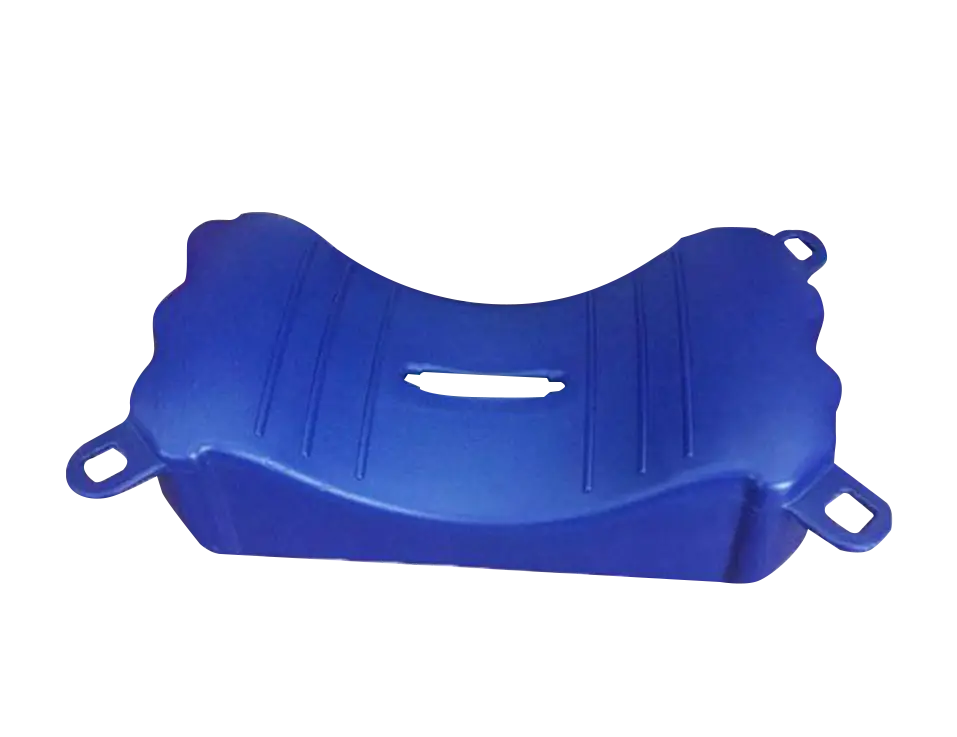
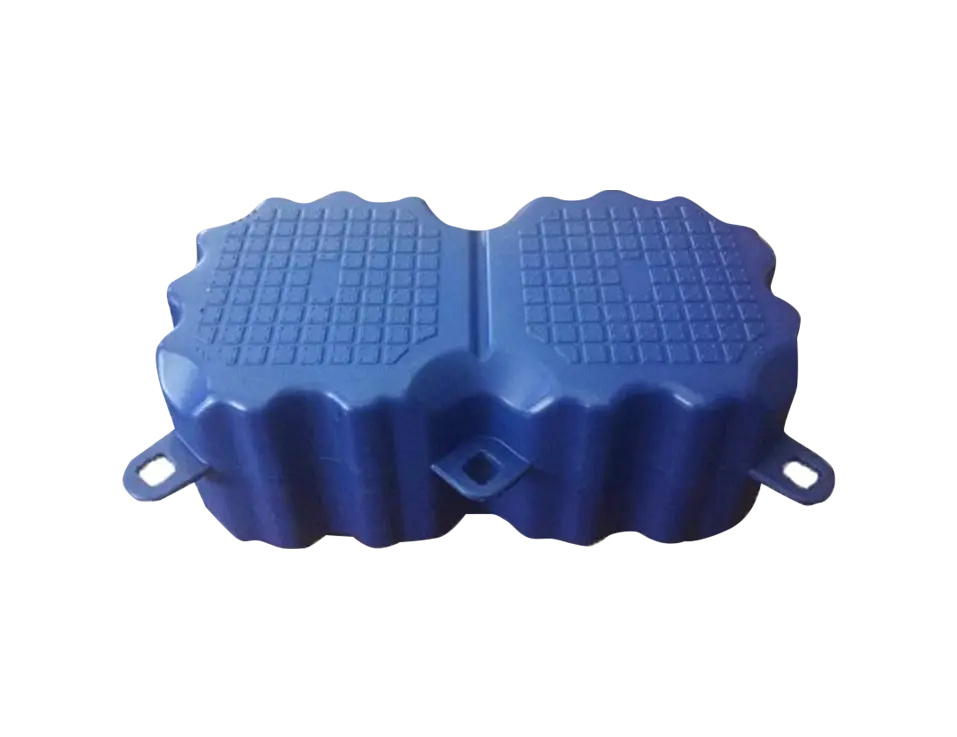
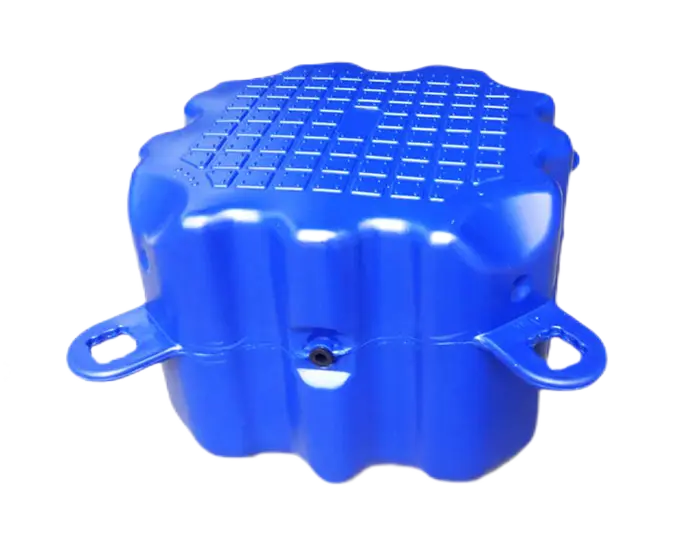
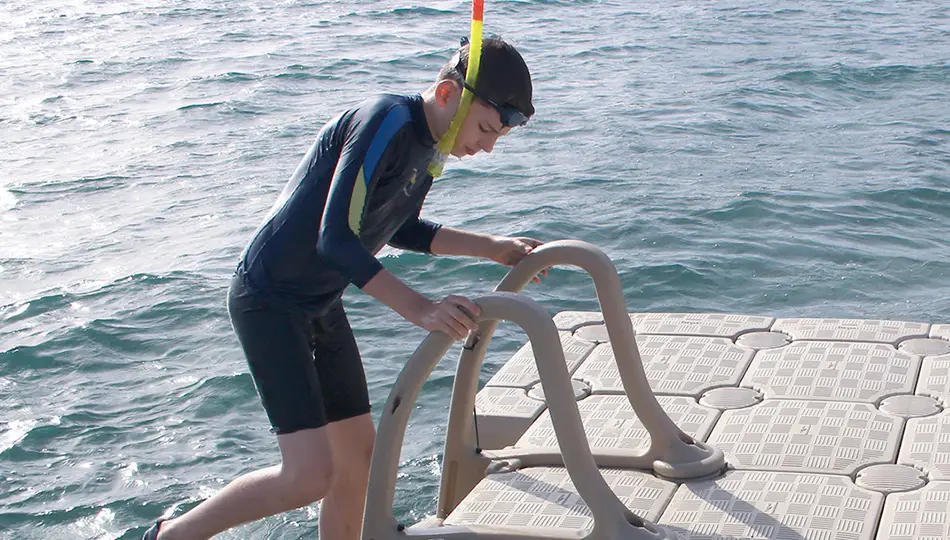
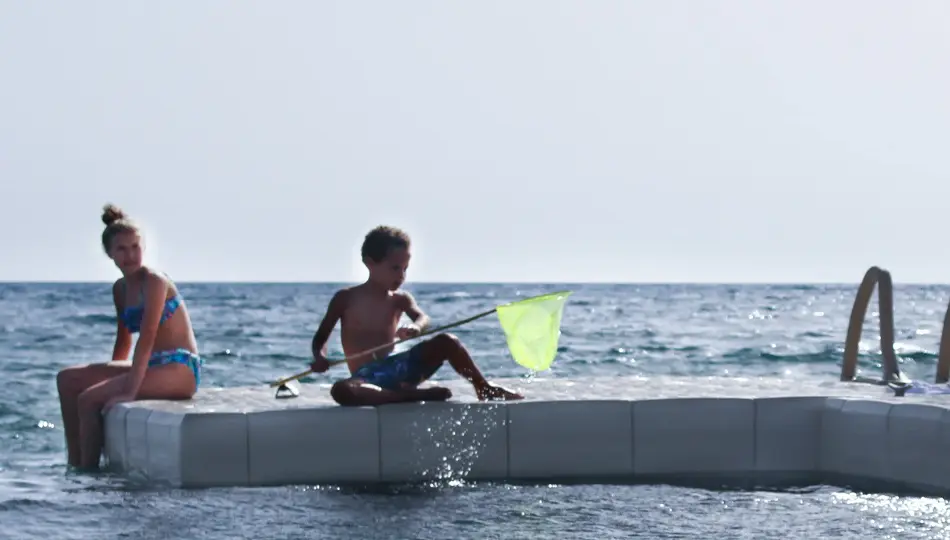
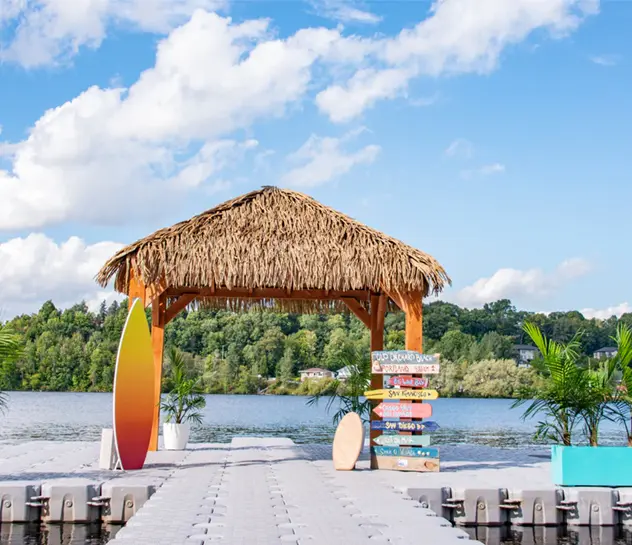
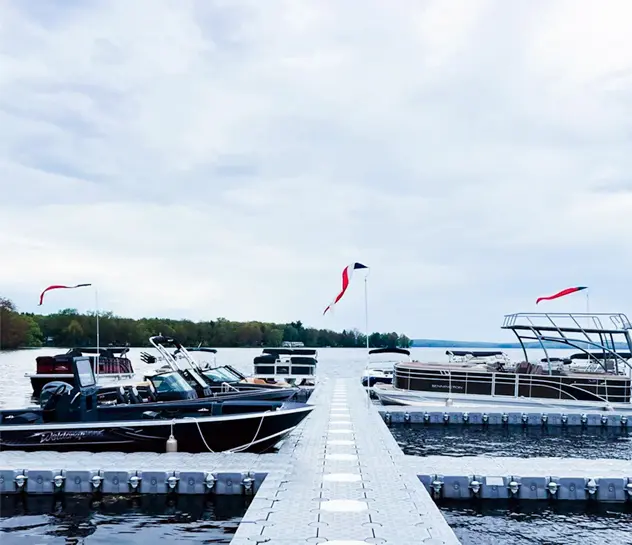
Our dynamic floating dock solutions are deployed across marine, environmental, and recreational sectors worldwide.
Detailed engineering answers to common technical, logistics, and performance questions.
Floating Dock's modular design and superior quality hold up quite well in a typhoon depending on the installation. Our customers are reporting excellent results for the docks that were hit hard in all the typhoons. The flexibility of the individual HDPE cubes allows the system to roll with wave peaks rather than resisting force like fixed platforms.
Yes. In areas where there is not a local dealer presence, we can ship your Floating Dock system directly to your local freight terminal for pickup, or arrange delivery for larger projects.
Absolutely. The dock can be left in all year, even in saltwater. The Floating Dock system is designed to be left in the ice for the winter. The special design of the cube allows the dock to pop up on top of the ice rather than being crushed.
The main factor to consider is water flow. If there is a heavy current or moving ice, consider whether the ice thaws in place or forms large, moving blocks that could damage stationary structures. If the ice thaws in place, you can leave our dock in all year. If large blocks of ice flow heavily through the area, we recommend removing the modular dock to prevent damage from moving sheet ice.
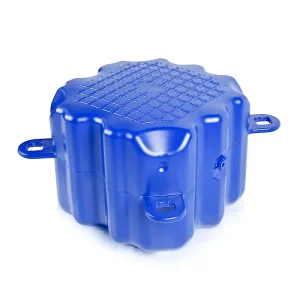
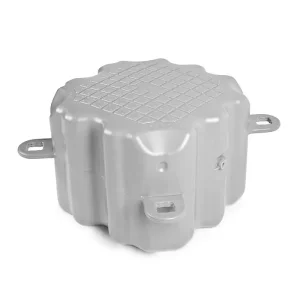
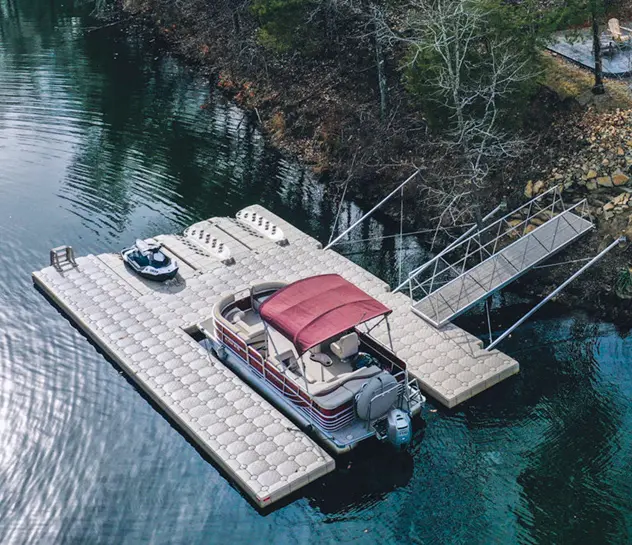
The cubes can be configured as a floating platform, gangway, finger pier, or other custom designs. For a stable walking platform, we recommend a width of at least three cubes. This configuration provides a stable walk and supports the weights of multiple users due to the buoyancy of each cube (approx. 200 lbs per single cube).
Yes, you can use the dock anywhere you can navigate your craft. The cubes draw only about 2 to 4 inches of water when unloaded. The minimum functional water depth is measured at the back of the dock where drive-on takes place. The dock needs space to flex to allow the craft to drive on top. The system is fine resting on the bottom during low tides, provided the bottom is free of sharp rocks and there is enough depth at the stem of the dock for the boat to back off.
Our factory started our floating dock business in 2019 and is one of the early floating dock manufacturers in China. Today, we are growing to become a major floating dock supplier in China, offering high-quality floating dock products worldwide.
OEM cost calculations depend on your design specifications, total volume, choice of connection accessories, and raw polymer specifications. Custom colors or fire-retardant additives affect chemistry requirements, and larger orders reduce the unit cost of blow molding production.
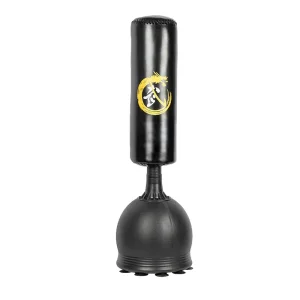
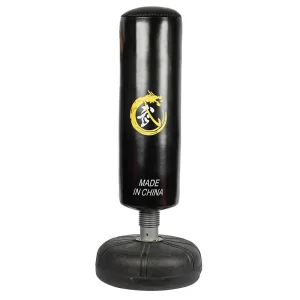
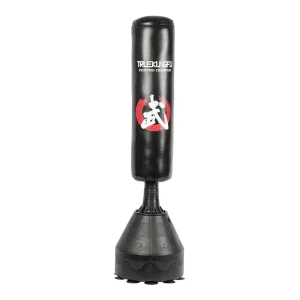
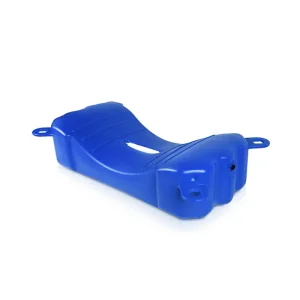
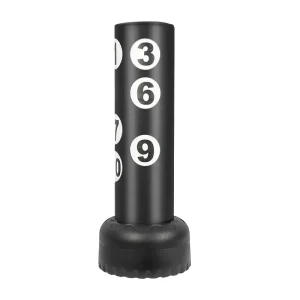
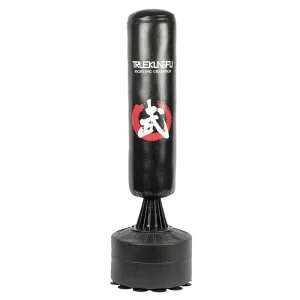
Browse our complete catalog of industrial pontoons, training gear, and custom blow-molded equipment.
 ShengHuang