Premium OEM Modular Pontoons & Fitness Training Gear Direct from China Manufacturing Hubs
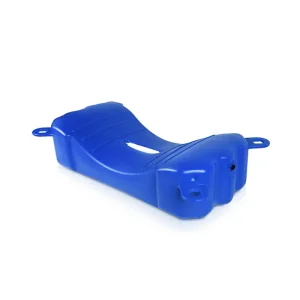
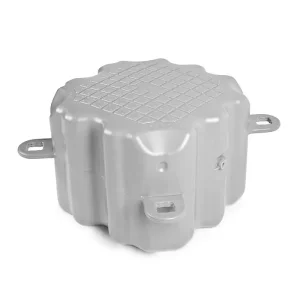
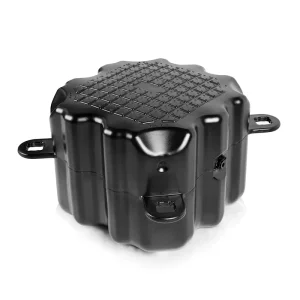
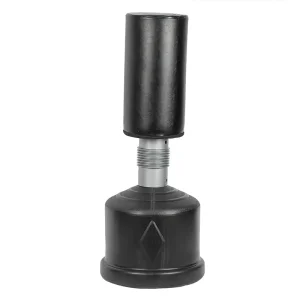
The global demand for modular floating infrastructure has experienced an unprecedented surge over the past decade. Driven by rising water levels, dynamic waterfront urbanization, expanding commercial aquaculture, and the rapidly growing floating photovoltaic (FPV) market, modern infrastructure planners are moving away from traditional wood and concrete marine structures. High-Density Polyethylene (HDPE) modular pontoon platforms have emerged as the gold standard of modern aquatic civil engineering.
These engineered platforms provide high load-bearing efficiency, chemical inertness, and structural flexibility. Unlike stationary wooden docks, which rot and leach toxic preservatives, or concrete structures that break down under severe tidal action, modular HDPE pontoon systems rely on their dynamic buoyancy. They distribute mechanical loads evenly across localized cell structures, reducing hydro-mechanical stress in severe conditions like tropical typhoons and coastal storm surges.
Furthermore, international compliance standards demand that industrial float systems maintain an environmental footprint of zero. Shenghuang Industrial's structural plastic components are completely recyclable, preventing the introduction of hazardous chemical compounds into marine ecosystems, municipal reservoirs, and inland conservation wetlands.
Advanced Blow Molding Automation & Quality Management from China's Plastic Mold Capital
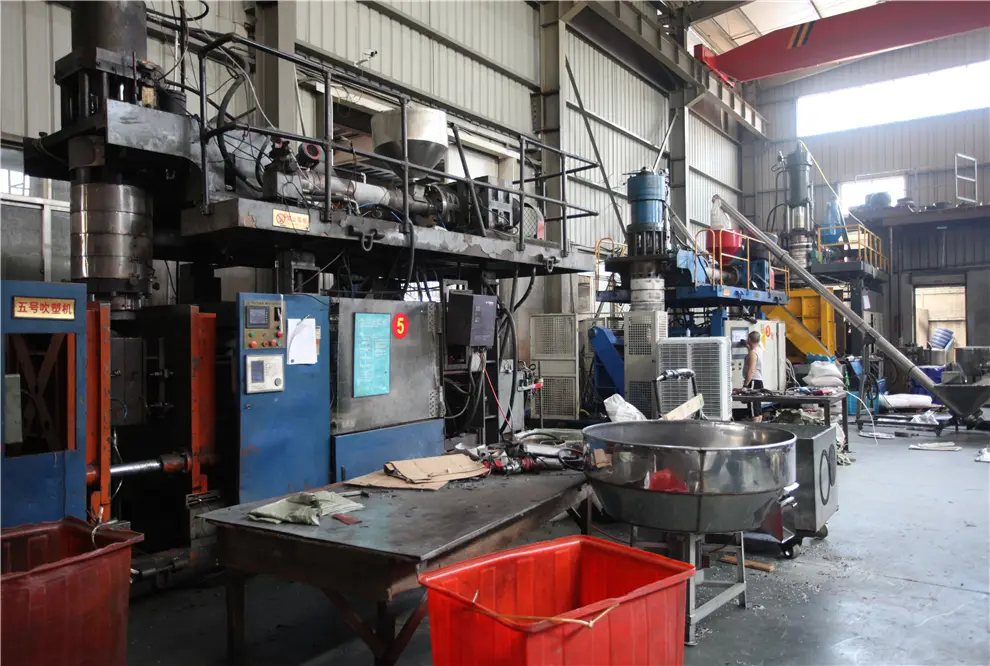
Founded in 2019, Shenghuang Industrial & Trade Blow Molding Factory has established itself as an industry leader in high-performance plastic blow molding technology. Headquartered in Huangyan, Taizhou, Zhejiang province—frequently referred to as the plastic mold capital of China—our facility leverages an unparalleled regional ecosystem of mold manufacturing supply chains, highly experienced material engineers, and advanced automated blow molding production lines.
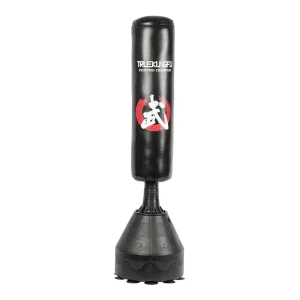
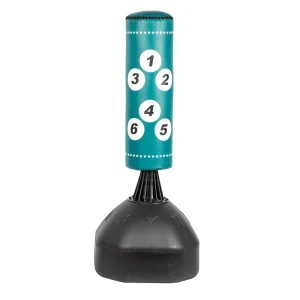
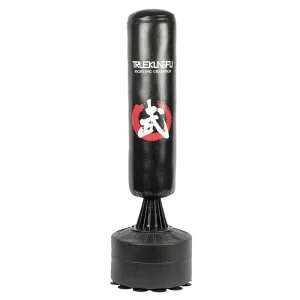
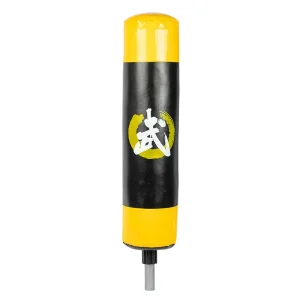
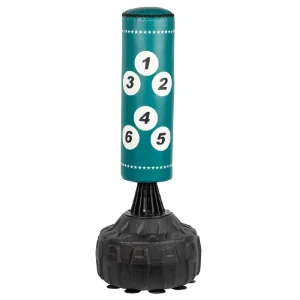
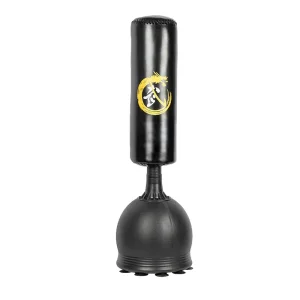
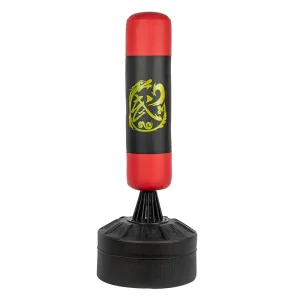
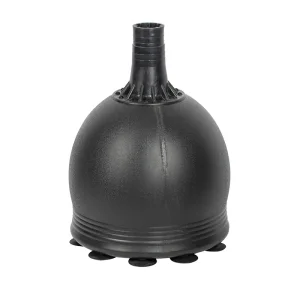
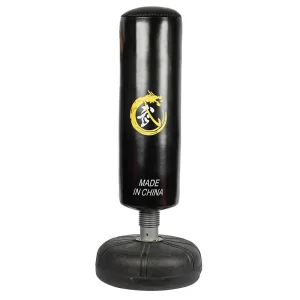
Our core capabilities focus on the production of heavy-duty hollow plastic products, including specialized industrial pontoons, floating docks, automotive components, environmental containers, and fitness sandbags. By combining raw material selection, advanced hot-melt extrusion, precision parison drop programming, and automated cooling cycles, we guarantee structural wall-thickness uniformity. This eliminates localized stress points that typically cause cracks in blow-molded plastics under intense solar radiation and mechanical stress.


Combining technological innovation, scale optimization, and sustainable engineering
We use fully recyclable, non-toxic high-density polyethylene (HDPE). This prevents contamination in sensitive eco-reserves and municipal water supplies, while meeting REACH, RoHS, and EPA guidelines.
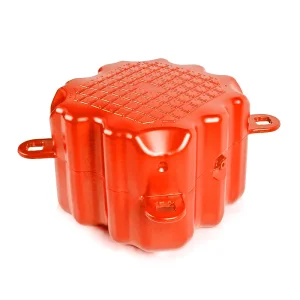
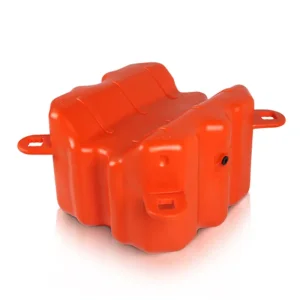
Our modular cubes are engineered with advanced slip-resistant textures, specialized connection pins, and impact absorption buffers, ensuring stability under extreme tidal movements and storms.
Our dedicated internal engineering team uses advanced computer-aided design (CAD) and finite element analysis (FEA) to simulate load, buoyancy distribution, and structural stress before manufacturing custom molds.
The strategic localization of our blow molding factory in Huangyan, Zhejiang, provides a competitive advantage for international procurement. The local plastic mold cluster minimizes tooling development time for custom OEM parts. Proximity to Ningbo and Shanghai deepwater shipping hubs reduces inland logistics costs and shortens transit times, allowing us to deliver orders to Europe, the Americas, and Southeast Asia quickly.
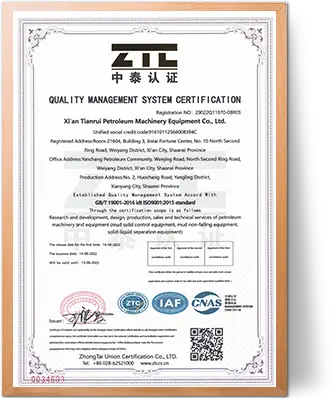
Shenghuang's continuous investments in raw-material supply chains ensure consistent polymer pricing, shielding our global clients from drastic market fluctuations. Our strict compliance with ISO 9001:2015 quality control systems ensures that every production batch undergoes extensive testing, including melt index checks, compression tests, drop tests, and chemical exposure verification.
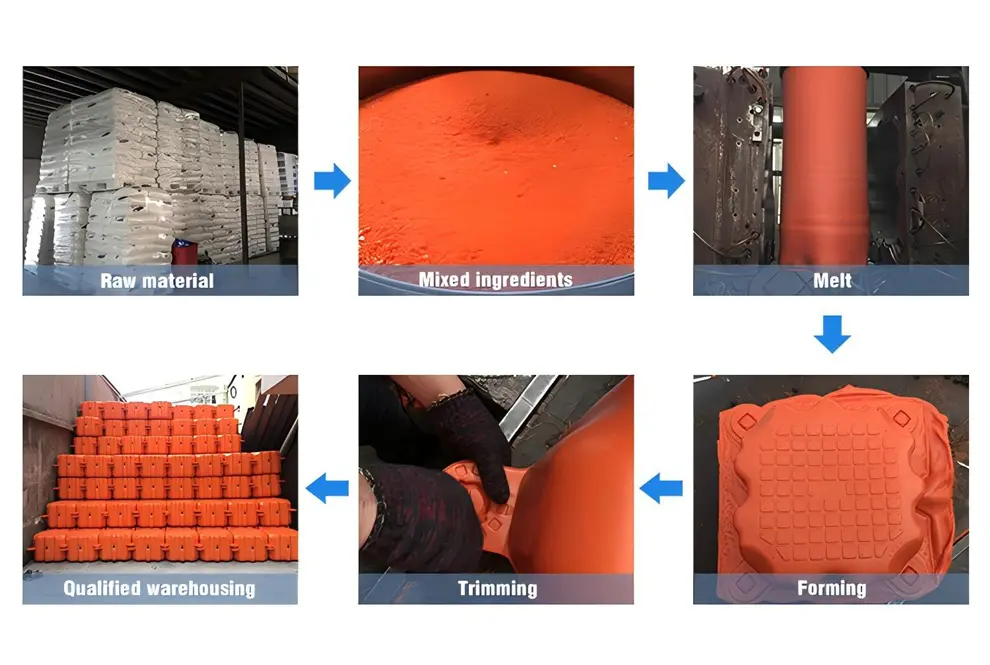
Modular HDPE floating pontoon platforms are highly versatile, offering solutions across a wide range of climates and aquatic environments:
Analyzing key market drivers and the growing demand for modular floating structures
The global demand for modular floating structures continues to grow, driven by several key developments:
1. Material Advancements and UV Resilience: Modern buyers require floating structures that can withstand long-term exposure to intense sunlight. Manufacturers must integrate advanced Hindered Amine Light Stabilizers (HALS) and UV-resistant compounds directly into the virgin HDPE formulation. This ensures the polymer chains do not break down over decades of intense sun exposure.
2. Structural Modularity for Quick Setup: Modern infrastructure requires fast installation with minimal heavy machinery. Lightweight, modular floating cubes can be assembled quickly by hand, reducing labor costs and simplifying logistics in remote areas.
3. Heavy-Duty Buoyancy Solutions: Industrial applications, such as floating solar systems and dredging, require higher load capacities. Modern platforms must support 300kg/㎡ to 350kg/㎡, ensuring safety and stability when carrying heavy equipment and personnel.





Expert explanations on installation, durability, environmental conditions, and material specifications
Floating Dock's modular design and superior quality hold up quite well in a typhoon depending on the installation. The flexible connection system allows the platform to flex with wave movements rather than resisting them, which distributes impact forces. Our customers report excellent results even after docks were directly hit by major typhoons.
Yes. In areas where there is no local dealer presence, we can ship your Floating Dock system directly to your nearest local freight terminal or shipping port for pickup, complete with assembly instructions and tool kits.
Absolutely. The dock can be left in the water year-round, even in saltwater environments. The Floating Dock system is designed to handle ice; the tapered shape of the cubes allows the platform to rise up on top of the ice when water freezes.
The key issue is moving ice and water flow. If there is moving ice or a heavy current, the dynamic forces can damage any static or floating structure. If the ice thaws and melts in place, the dock can remain in the water. If there are heavy blocks of moving ice, we recommend removing the dock for the winter to prevent structural damage.
For a stable walking platform, gangway, or finger pier, we recommend a minimum width of three cubes. This design provides balanced buoyancy and supports weight easily, ensuring a stable walk-on feel.
Yes. The cubes draw only 2 to 4 inches of water when unloaded. The critical measurement is having enough depth at the edge for boats to back off during low tide without bottoming out.
Shenghuang Industrial started manufacturing floating docks in 2019, quickly growing to become a leading supplier in China. We offer a full range of high-density polyethylene modular floating components and custom OEM products to clients worldwide.
Premium OEM solutions including heavy-duty training equipment and high-buoyancy modular pontoons
 ShengHuang