Founded in 2019, Shenghuang Industrial & Trade Blow Molding Factory stands as a premier force of innovation and quality in the plastic blow molding sector. Strategically headquartered in Huangyan, Taizhou, Zhejiang—an area globally recognized for its advanced machinery infrastructure and engineering expertise—we have rapidly emerged as a key OEM manufacturer and strategic supplier of high-precision, heavy-duty blow-molded industrial solutions.
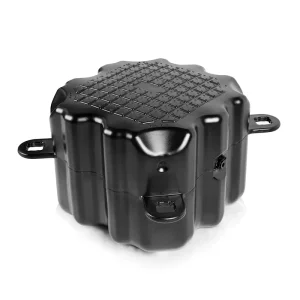
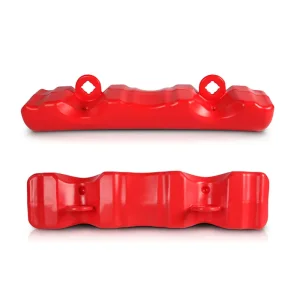
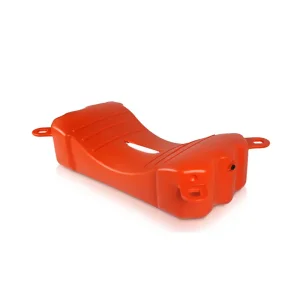
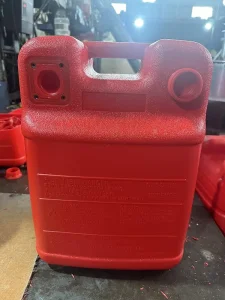
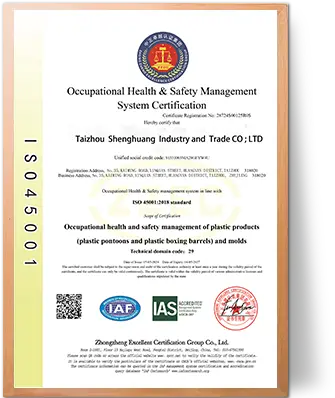
Our integrated plant spans advanced automated blow molding lines capable of processing raw polymers into highly resilient, structural configurations. From marine floating pontoon systems, chemical containers, and automotive components to customizable packaging systems, we serve high-demand global markets. We execute production in strict alignment with ISO 9001 quality management systems to guarantee that raw polymer selection, mold optimization, and structural testing meet the exact thresholds required by heavy industries worldwide.

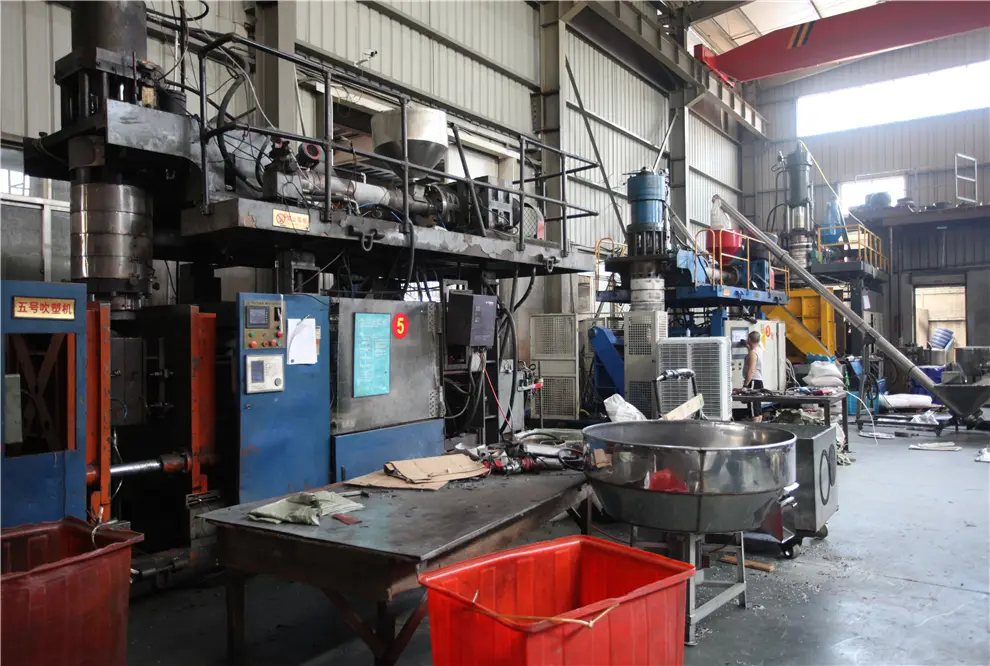
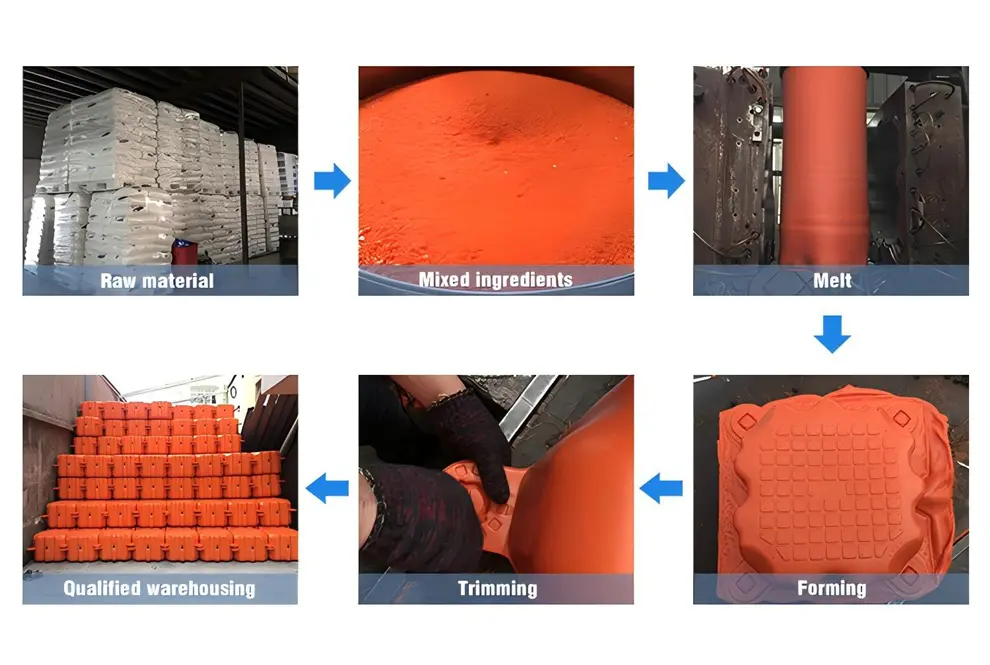
Shenghuang automated blow molding lines and material testing cleanrooms ensure superior quality consistency.
We use high-density molecular weight HDPE reinforced with specialized UV-stabilizer complexes (UV15+ grade) to protect against intense solar radiation, extreme temperature fluctuations, and galvanic salt-water corrosion.
Our collaborative prototyping platform matches complex buyer criteria. Our engineering team assists with CAD design, modular system stress calculations, and wind/current force simulations to deliver exact project builds.
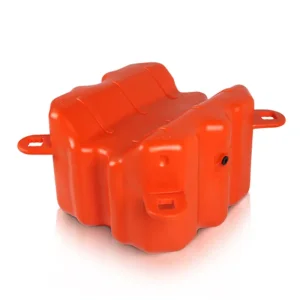
Equipped with state-of-the-art blow molding equipment, we ensure uniform wall thickness, high impact resistance, and maximum tensile strength across our full line of pontoons and custom configurations.
Our manufacturing practices prioritize sustainability by employing recyclable, non-toxic polymers that prevent microplastic shedding in aquatic habitats, fulfilling rigorous environmental criteria.
We provide full end-to-end supply chain support. We arrange direct shipping routes to regional freight hubs, helping international partners receive modular float platforms on schedule.
Every batch undergoes strict drop testing, load-bearing capacity audits (300-350 kg/m²), and environmental stress-crack resistance (ESCR) assessments to verify product integrity.
Established
Buoyancy capacity / m²
Recyclable Polymers Used
Quality Standard Compliant
The global marine infrastructure market is undergoing a major shift toward high-durability polymers. Traditional wood, metal, and concrete floating systems face challenges like rot, corrosion, rust, and heavy installations. Current industry indicators show that High-Density Polyethylene (HDPE) blow-molded platforms have become the preferred choice for marine structural layouts.
Our R&D team tracks three primary macro trends shaping this industry:
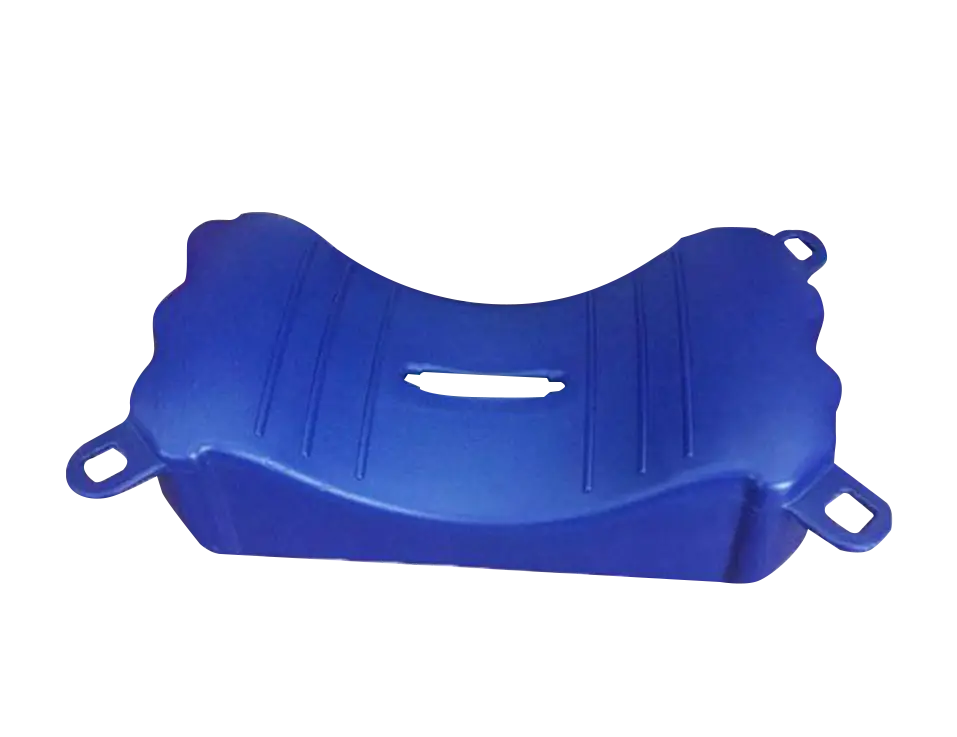
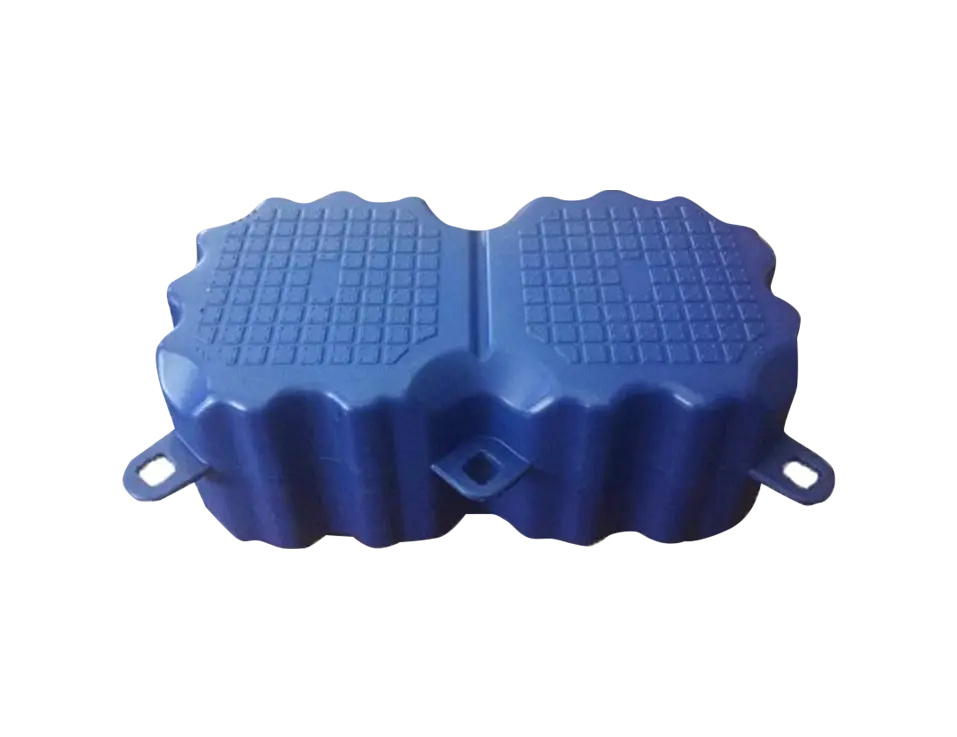
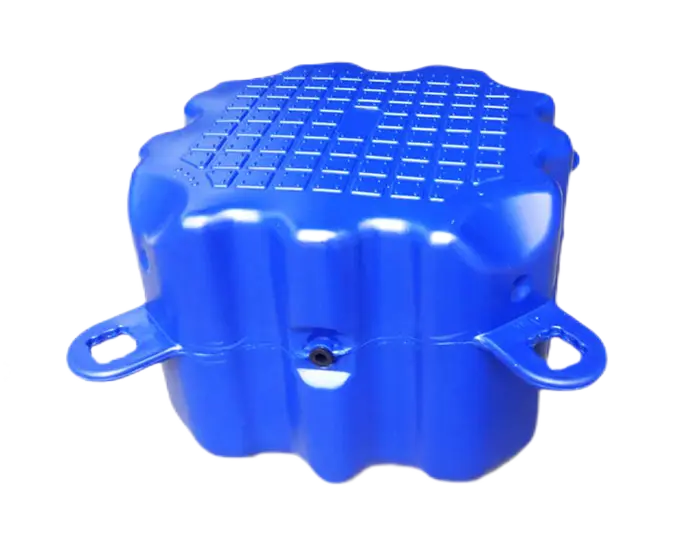
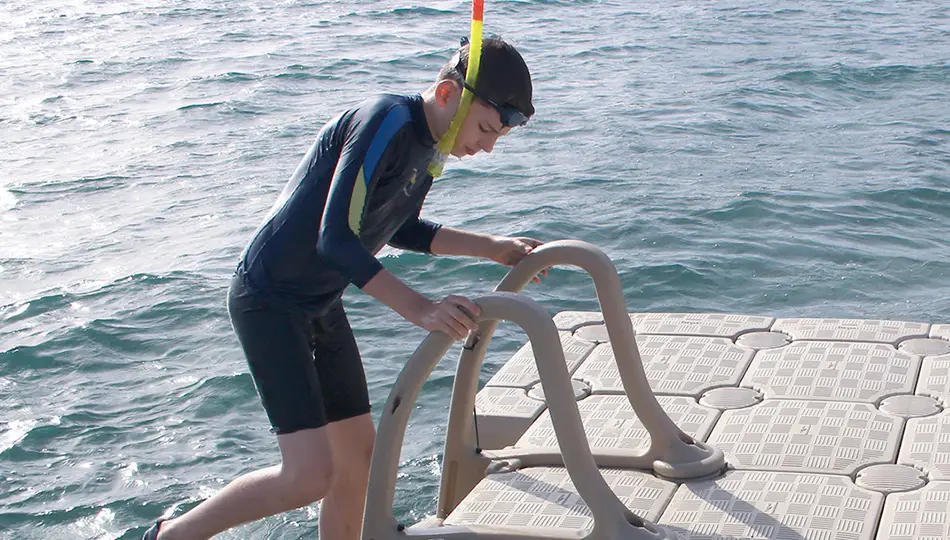
Our heavy-duty platforms support up to 200 kg/m² to 350 kg/m², offering secure bases for marine maintenance, construction equipment, and crew staging.

Modular V and U-channel designs support boat lifts, personal watercraft dry docks, and marine berths, protecting watercraft hulls from prolonged submersion wear.

Non-slip surfaces and modern gray, orange, or blue colorways provide safe walkway setups for high-end hospitality venues and public parks.
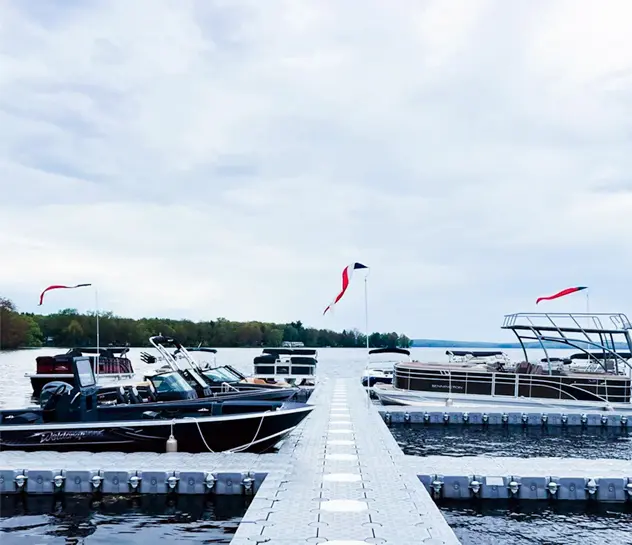
Non-toxic polymers prevent micro-particle shedding, making these floating systems suitable for open-water seafood operations and research stations.
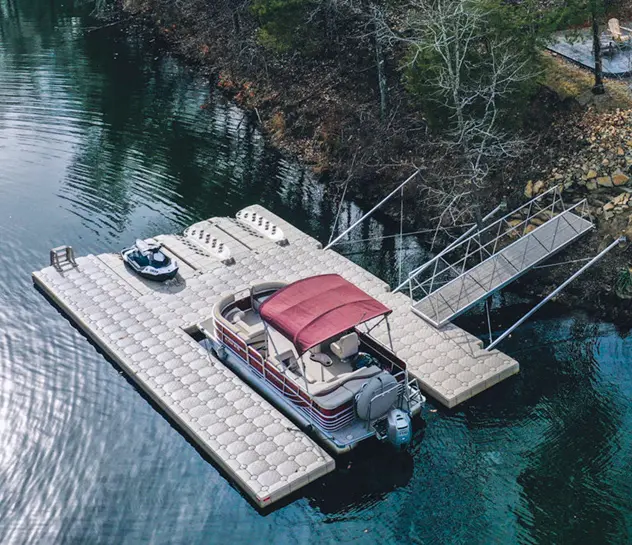
Corrosion-resistant custom systems designed to support dredging pipelines, pump bays, and deepwater instrumentation lines.
Integrated accessory lines provide marine setups with high anchor stability, maintaining position even in strong tidal flows.
Shenghuang Group is focused on advancing plastic blow molding technology for marine environments. Our multi-year development strategy targets material innovation and smart structural designs:
Testing bio-based, marine-degradable polymer blends to maintain high load ratings while matching rising international eco-standards.
Developing built-in sensor recesses to monitor pressure, temperature, and anchoring loads in real time, alerting dock operators of dynamic marine stresses.
Applying low surface-energy textures during the blow molding cycle to limit barnacle and algae attachment without chemical additives.










 ShengHuang