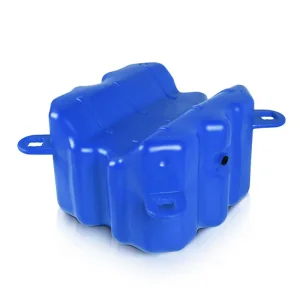
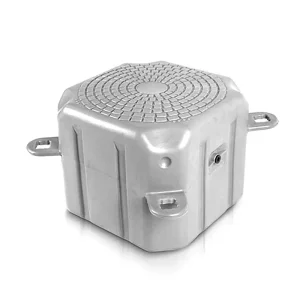
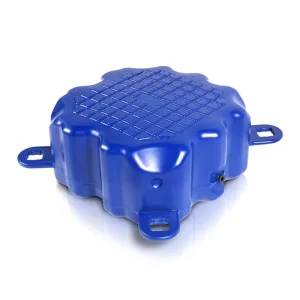
OEM Floating Dock Bridge Supplier & Manufacturer

Next-Generation Modular HDPE Infrastructure Solutions for Marine, Commercial, & Heavy Industrial Applications Worldwide.

2019

Year Established

350kg+

Buoyancy capacity / m²

100%

Recyclable HDPE Material

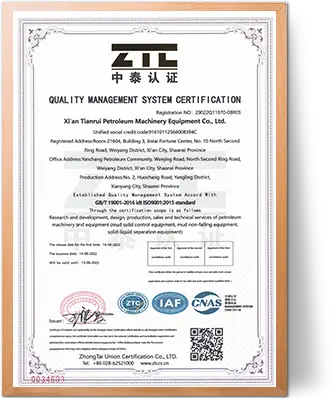
ISO 9001

Certified Quality System

Shenghuang Industrial & Trade Blow Molding Factory

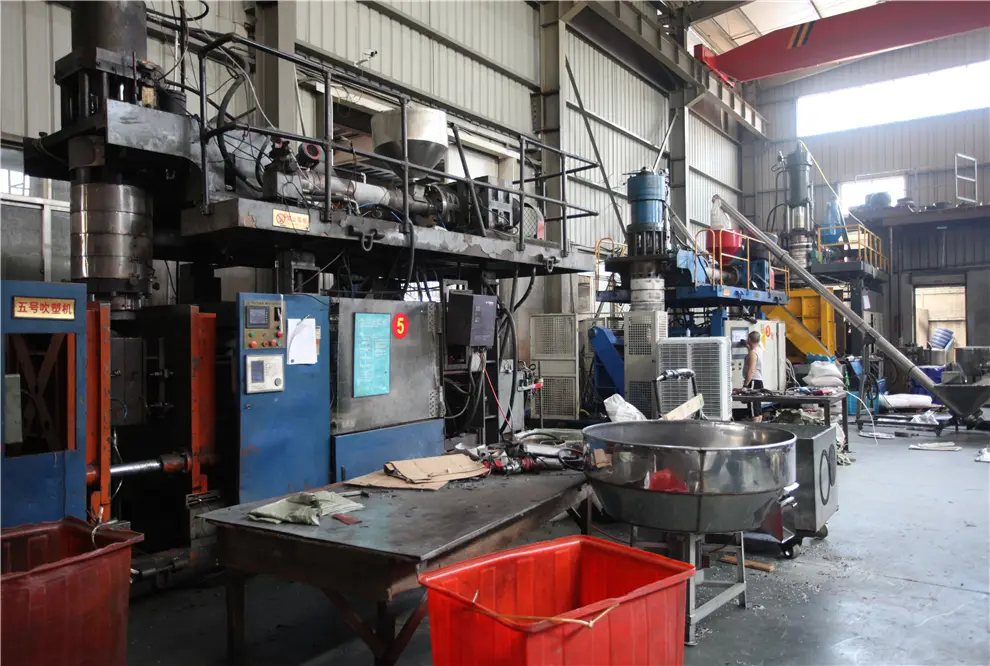
Founded in 2019, Shenghuang Industrial & Trade Blow Molding Factory is an advanced pioneer in the engineering and production of heavy-duty blow-molded plastic infrastructure. Nestled in Huangyan, Taizhou, Zhejiang province—the premier manufacturing cluster for molds and precision tooling in China—our operation leverages world-class industrial supply chains to produce industrial-grade solutions. We specialize in robust configurations such as modular floating docks, marine pontoons, industrial containers, custom automotive parts, and high-impact sporting gear bases.

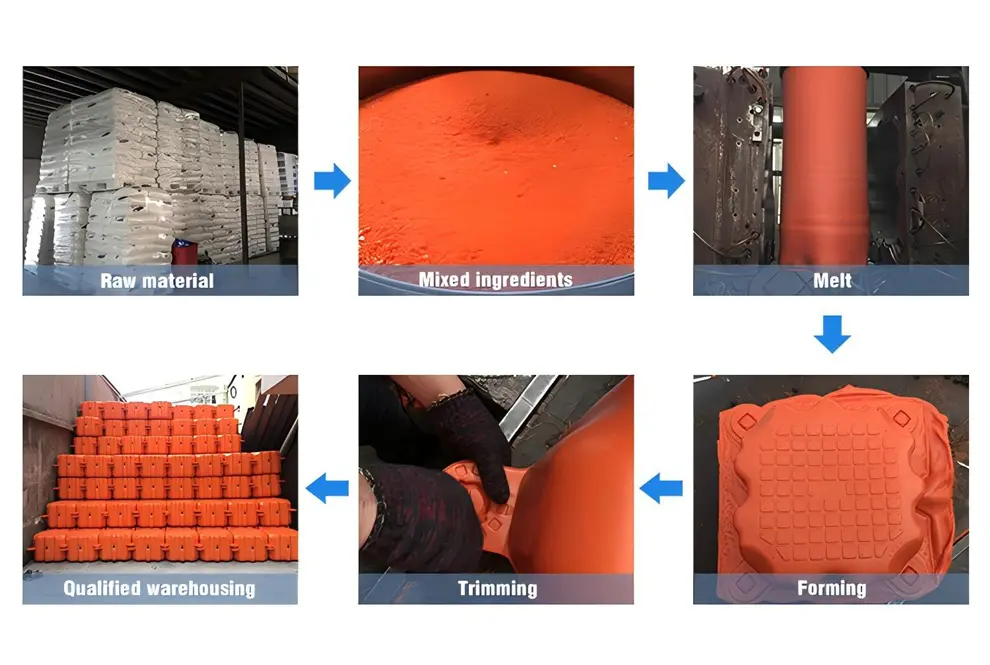
Equipped with state-of-the-art automated, continuous blow molding production lines, Shenghuang ensures micro-millimetric wall thickness precision and structural integrity. Every product undergoes strict compliance testing aligned with the ISO 9001:2015 quality management framework. By maintaining end-to-end control from food-grade HDPE raw material formulation to structural drop-tests and wind-load calculations, we ensure our global clientele receives infrastructure that withstands the dynamic elements of open-water marine systems.

Macro-Scale Marine Infrastructure Solutions

Global marine and littoral zones are undergoing radical transitions due to accelerating sea-level fluctuations, extreme weather systems, and the dynamic requirements of global shipping networks. Traditional structures, such as treated wood, concrete, and heavy steel gangways, present persistent challenges, including rapid oxidation, chemical leaching (e.g., creosote or metal oxides into fragile ecosystems), and astronomical installation overheads.

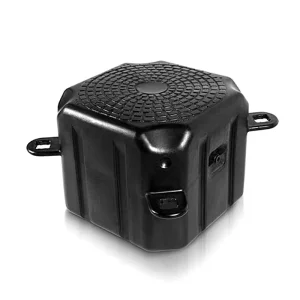
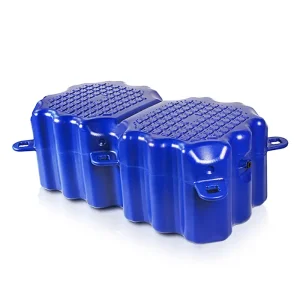
Our modular OEM Floating Dock Bridges represent a critical engineering pivot. By adopting High-Density Polyethylene (HDPE) structures, marine operators can realize a self-buoyant, flexible framework that distributes mechanical load across a cellular grid. This reduces single-point stress failures common during high-energy wave action or extreme tidal shear. Whether implemented as industrial logistics bridges, commercial transport jetties, or offshore floating solar farm bases, these units optimize resource deployment while minimizing structural environmental footprints.

Material Science and Heavy-Duty Engineering

At the core of Shenghuang's engineering prowess is our proprietary material compounding process. We utilize high-molecular-weight High-Density Polyethylene (HDPE) integrated with specialized anti-UV agents, thermal stabilizers, and anti-static additives. The resulting polymer matrix exhibits:
  • Superior Tensile Strength: Exceptional resistance to longitudinal stress and mechanical puncture from vessels or waterborne debris.
  • Environmental Degradation Immunity: Full immunity to rot, acid-alkali chemical spills, marine fuels, and high-salinity marine environments.
  • High-Buoyancy Yield: Standard models offer 200 kg/m² up to a massive 350 kg/m² load-bearing capacity, providing exceptionally stable deck platforms under varying loads.
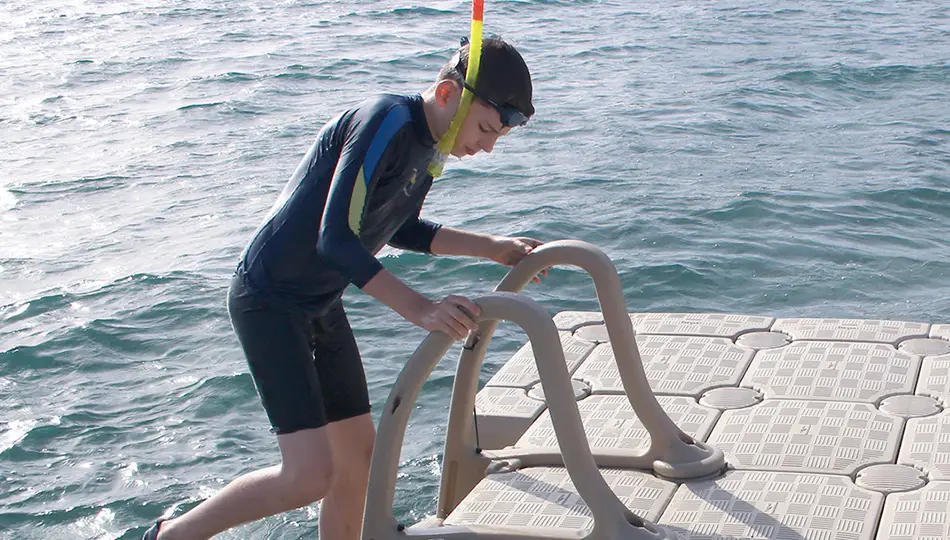
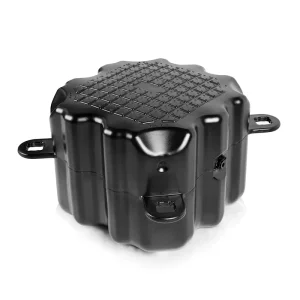
  • Integrated Anti-Slip Architecture: The modular surface pattern prevents slippage, ensuring high pedestrian safety across variable maritime gangways and marine access bridges.

OEM & ODM Customization Strategy

We understand that no two marine topographies are identical. Different geographic locations demand tailored structures to handle dynamic marine stresses. Our dedicated engineering and R&D department provides an end-to-end design pipeline:

  • Custom Mold Development: Huangyan's premier mold design network allows us to move from 3D CAD modeling to physical test molding within accelerated cycles.
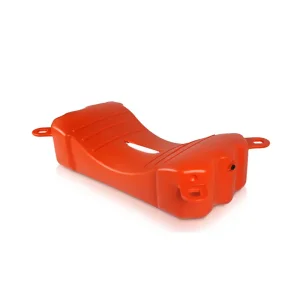
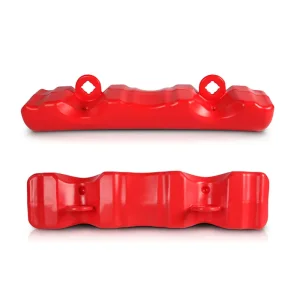
  • Variable Buoyancy Mapping: Engineering specialized modular layouts (U-docks, Twins systems, concave-convex profiles) configured for specific marine drafts.
  • Anchoring System Engineering: Designing custom accessories, pile guides, self-adjusting anchors, and structural marine gangways capable of rising and falling with high-tide variances.
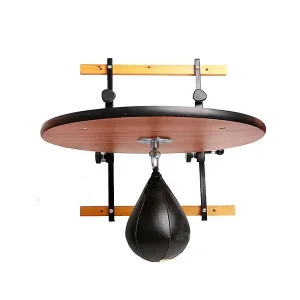
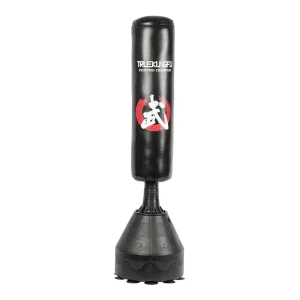
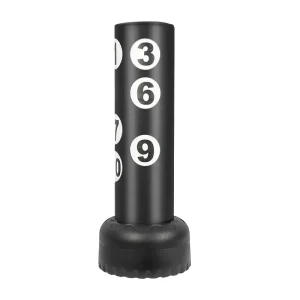
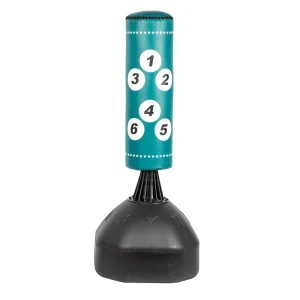
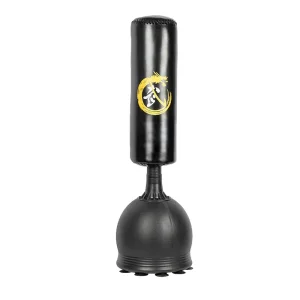
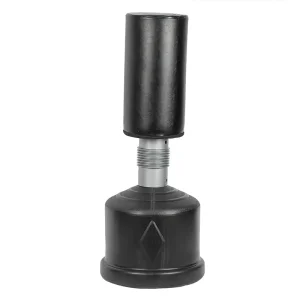
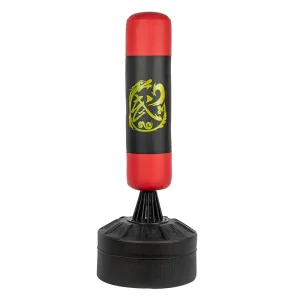
  • Functional Diversification: Our expertise in blow molding extends beyond marine items. Our heavy-duty blow-molded boxing sandbag bases (QJ001 to QJ008 series) demonstrate our capability to manufacture impact-resistant bases with high density and stability, proving our mastery of heavy-wall structural molding.

Global Applications & Case Studies

Shenghuang's engineering solutions are deployed across diverse operating environments globally:
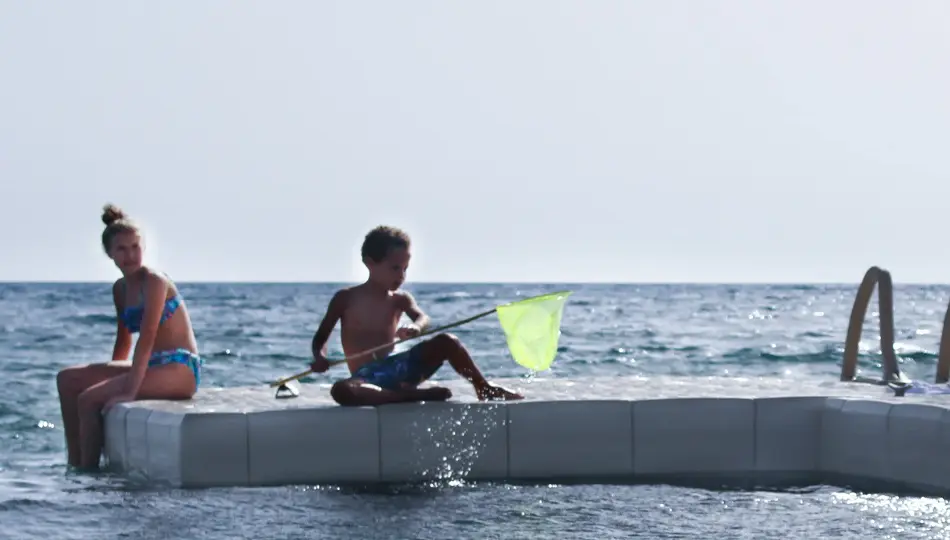
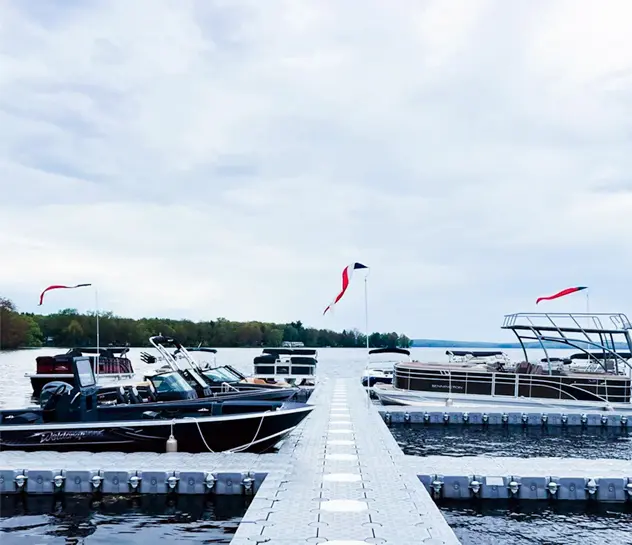
  • Commercial Marina Infrastructures: Highly stable walking platforms for luxury vessels, passenger ferries, and water taxis.
  • Industrial Work Platforms: Supporting critical construction gear, pipe laying operations, and maintenance personnel in offshore mining or energy locations.
  • Aquaculture & Ocean Farming: Resistant to intense biofouling, protecting investment crops in high-current channels.
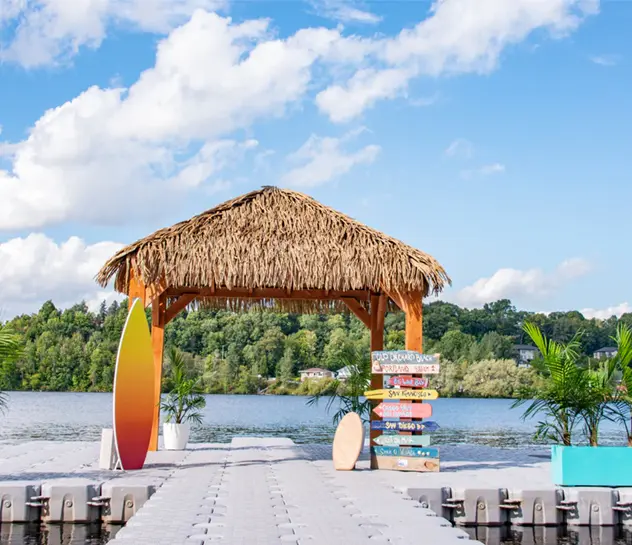
  • Eco-Tourism & Public Parks: Visually integrated floating walkways that maintain local water flows and allow underwater flora to thrive without light deprivation.

Compliance, Quality Control, and Global Logistics

Securing regulatory approval for marine development demands adherence to strict criteria. Our HDPE formulations are tested to assure they do not release toxins into marine ecosystems. Our production lines maintain a closed-loop recycle system, minimizing material waste.

We provide custom sea-freight logistics preparation, optimizing modular stacking formats to maximize container volume efficiency. For locations without a regional dealer, we facilitate direct factory-to-port or factory-to-terminal shipments, providing complete installation guides and remote support from our engineering office.


Engineering Roadmap & Future Horizons

Next-Gen Polymer Integration
Incorporating plant-based, eco-friendly structural polymers that offer identical tensile metrics while reducing carbon-intensity footprints.
Smart Marine Telemetry
Prototype testing of floating pontoon systems with embedded IoT stress sensors to track real-time changes in wave energy and structure loads.
Enhanced Wave Attenuation Profiles
Developing advanced modular undersides to disrupt water current forces, enhancing stability in open-sea conditions.

Trusted by Marine Contractors & Distributors Worldwide

Partner Logo 1
Partner Logo 2
Partner Logo 3
Partner Logo 4
Partner Logo 5
Partner Logo 6
Partner Logo 7
Partner Logo 8

Technical QA & Integration FAQ

Expert answers addressing structural performance under environmental conditions, ice, tides, and shipping logistics.

How does the Floating Dock system hold up to typhoon conditions?
Our modular dock configurations distribute mechanical energy across the system, allowing the structure to bend with wave motion rather than resist it. In areas affected by typhoons, performance relies on correct anchorage configurations. Using flexible mooring points, heavy-weight anchors, and pile systems allows our structures to handle significant wave action with minimal damage.
Can I get a Floating Dock system if there is no dealer in my local area?
Yes. Where we do not have a regional dealer presence, we ship directly from our production plant in Zhejiang to your nearest commercial freight terminal or container port. Our engineering team provides detailed layouts, load-calculation files, and virtual installation support to assist your local installation team.
Can I leave the modular dock in the water during freezing winter climates?
Yes. The system is designed to handle cold-climate freezing. The bottom draft of the modular cubes and their angled side walls cause the structure to slide upward and rest on top of expanding ice sheets rather than being crushed by lateral forces.
How does moving ice flow affect the modular structure?
Static ice is manageable, but moving ice flow poses different challenges. In locations with heavy spring ice movement or high currents carrying large ice sheets, floating structures should be disassembled or moved to a protected cove before seasonal thawing. Heavy, moving ice can shear through anchoring cables and pile mounts.
How many modular cubes wide do you recommend for a stable walking bridge or platform?
For safe pedestrian access and utility walking bridges, we recommend a minimum width of three cubes (approximately 1.5 meters). This width helps distribute weight evenly and maintains stability under lateral winds and shifting personnel loads.
Will the modular dock function properly in shallow littoral waters?
Yes, our docks draw only 5 to 10 cm of water when unloaded. In shallow, tidal zones, the system can rest on sandy or muddy bottoms during low tides. It is important to ensure there are no sharp rocks or debris that could puncture the plastic hulls, and that the water is deep enough at the dock edge to safely launch and retrieve watercraft.
How long has Shenghuang been involved in the blow-molding and marine dock business?
Our specialized production facility was founded in 2019. Over the years, we have grown into a leading manufacturer in China, producing marine modular components, high-precision custom plastic products, and specialized sporting gear bases.